Course options
Key information
Duration: 4 years full time
UCAS code: W62F
Institution code: R72
Campus: Egham
The course
BA Film, Television and Digital Production (with Integrated Foundation Year)
This course is available to Home (UK) students and International students who meet the English Language requirements.
Whether through film, television, or forms of digital media, storytelling is increasingly integral to all aspects of our lives. Join BA Film, Television and Digital Production with an Integrated Foundation Year and thrive as both a creative producer and a sharp, thoughtful critic.
This degree isn’t just vocational, it’s transformative. With its 50/50 split between practice and theory, you’ll build technical expertise while engaging with the big questions shaping today’s media.
You’ll start with a foundation year that gives you essential academic confidence and skills, then progress to the three-year degree.
Design the future
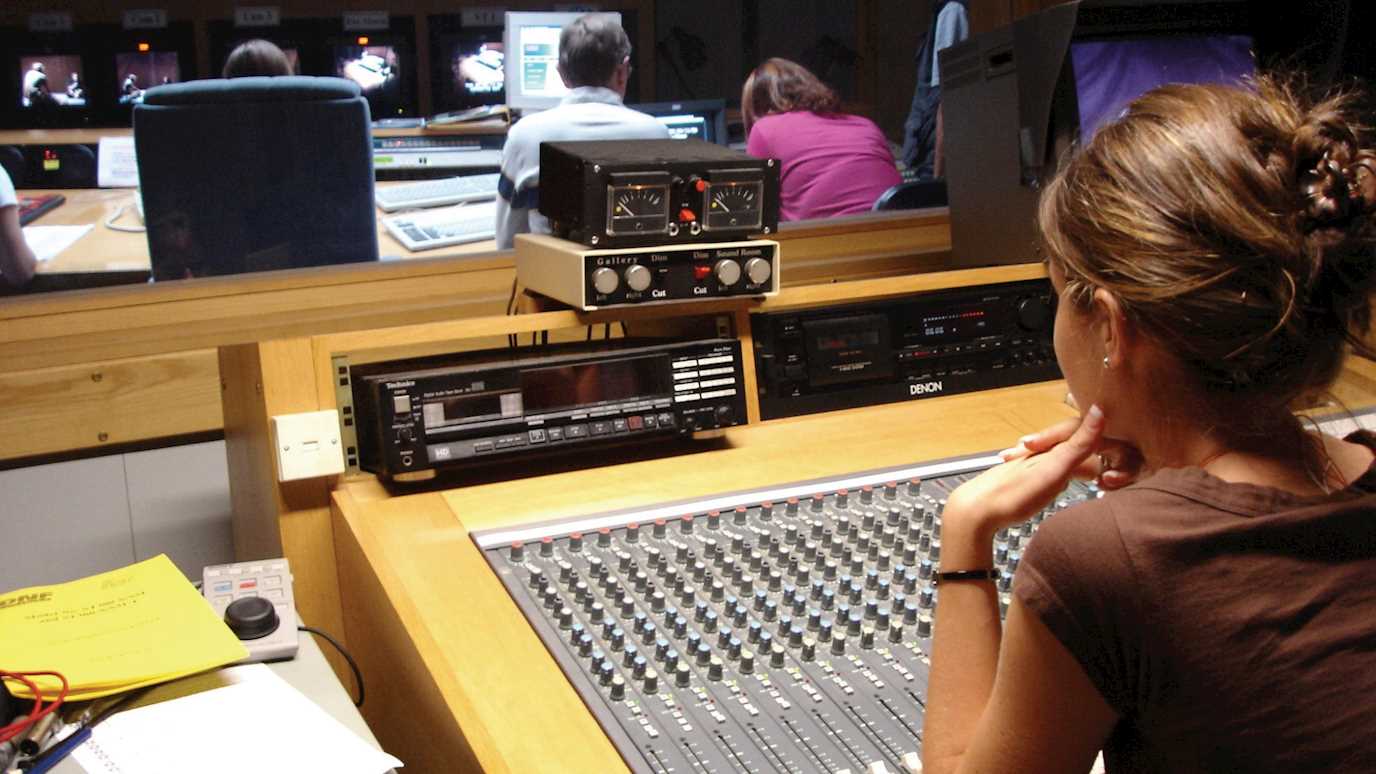
- Build technical expertise in camera work, editing, lighting, sound, and post-production using industry-standard facilities
- Specialise in directing, producing, cinematography, animation, or screenwriting
- Produce a portfolio of short films, music videos, documentaries, or virtual production projects ready for industry or further study
- Explore film and television history, theory, criticism, as well as media narratives, identity, and representation
Lights, camera, action
Learn from visiting experts, including contributors from Bridgerton, Disney, Netflix, and BBC Studios, who will help build your confidence in leading media that shapes our world.
Career paths are vast. Many go on to postgraduate study, or become curators, artists, and entrepreneurs.
We sometimes make changes to our courses to improve your experience. If this happens, we’ll let you know as soon as possible.
We sometimes make changes to our courses to improve your experience. If this happens, we’ll let you know as soon as possible.
Course structure
Core Modules
Foundation Year
-
This module will explore critical approaches to digital culture and its social and artistic impact. The module will explore different digital media (reconstruction, game, animation) and visual forms and styles from diverse cultures and geographies to develop skills in the close analysis of a wide range of digital media. The examples chosen will highlight different uses of digital media in games, education, and heritage, as well as some of the ethical issues raised by ‘gamification’ and digital culture. The module will consider how meaning changes across geographical locations and cultures and the role of new media in a globalised culture. The media to be studied will be selected to explore these issues and will rotate to connect with staff knowledge and current issues or ideas and the module will offer training in the creation and use of digital multimedia forms.
-
This core Foundation module offers an inter-disciplinary introduction to a range of concepts of global significance highly relevant for students progressing onto humanities, arts and social science subjects. The lectures, seminars and readings will approach each concept from a variety of humanities, arts and social science perspectives and will involve students exploring different epistemological approaches, including but also beyond, those of their own degree subject.
-
This module explores the ways in which experiences, identities and social issues are represented in British film. It considers the ways that filmmakers engage with contemporary society and the extent to which films respond to, or act as a catalyst for, social change.
Each week we will explore a different topic through the lens of a specific film. We will contextualise the representation offered and consider how it fits within the longer tradition of filmmaking on that subject.
Since the very earliest days of the cinema, films have captured the public imagination and this module will explore the broader role of film in society. We will consider the cultural significance of film as a form of leisure and as a method of communication and education. We will explore the nature of the relationship between filmmakers and the audience, consider questions of funding and censorship, and place film within the broader context of today’s media.
-
In this module, students closely examine, compare and contextualise a range of texts that deal with the theme of learning. The core texts: Chimamanda Ngozi Adichie’s novel Purple Hibiscus (2003); Willy Russell’s play Educating Rita (1980); and Alan Parker’s film, Fame (1980), will be accompanied by a range of extracts from a broad variety of text types, from poetry to philosophy to legal documents. Each week, we will consider a key issue raised by the core text under discussion alongside extracts from other texts. Students will be encouraged to use the methods of Critical Discourse Analysis in their close reading, comparison and contextualisation of the texts.
The module aims to provide students with a flexible and adaptable framework that enables them to read, understand and interpret texts from any discourse area closely, analytically and critically. It will support their understanding of the ways in which different text types function and enable them to identify the way genres provide frameworks for audiences to comprehend discourse, assess the means by which apparently similar aspects of the world can be appreciated and understood from different perspectives or positions, and explore the ways in which discourse is used to constitute a sense of being and identity.
The module will also provide opportunities for students to reflect on their own experiences of and beliefs about learning, and to consider their own learning methods and processes as the Foundation Year progresses. This will support the transition to their degree courses, giving them agency in the process as they think carefully about how they learn, how they might learn more effectively, and how that is affected by cultural, social and economic forces.
-
Year 1
-
In this module you will develop an understanding of creative thinking across both fiction and non-fiction audio-visual content creation. You will look at the key creative roles in production, and work in small groups to make both a short documentary and undertake TV Studio production. You will participate in a range of creative and technical skills workshops, with sessions delivered by experienced professional as well our world-leading staff.
-
These companion modules (Introduction to Media Histories 1 and Introduction to Media Histories 2) introduce students to media histories encompassing complementary accounts of film, television, video games, computing, the internet, and social media.
-
In this module you will develop an understanding of the key debates in critical theory. You will look at a range of different methods in studying film, television and digital media, including artistic achievement and critical interpretation, close textual analysis, ideological analysis, national cinema, and psychoanalysis. You will examine the relationship between the intentions of individual film and programme-makers and wider processes. You will consider films and television programmes in close detail, analysing the relationship between how something is achieved and what it means.
-
In this module you will develop an understanding of fiction filmmaking, producing two screenplays and collaborating on the production of two fiction films. You will look at the principles of story construction and the screenplay form. In production teams of six, you will select two screenplays from your group, and these will be produced in the summer term. The scripts will be used as the basis for film production workshops, introducing you to areas of production specialism, including producing, direction, cinematography, sound design, production design and editing.
-
These companion modules (Introduction to Media Histories 1 and Introduction to Media Histories 2) introduce students to media histories encompassing complementary accounts of film, television, video games, computing, the internet, and social media
-
Year 2
-
In this module you will develop an understanding of how creativity is constrained and enabled by the industrial logics of the creative industries. You will focus on film, television and digital media, exploring issues such as economics and financing, pitching and commissioning, policy and regulation, copyright, formats and global trade, ratings and audience measurement, branding and marketing, digital production logics, and production cultures. You will also consider a number of important industry-oriented research skills, such as interviewing, market/demographic analysis, locating and interpreting legal documents, and archival research.
Year 3
-
A dissertation can be a sustained piece of writing about a single subject, person, theoretical field, or group of texts The dissertation is based primarily on students’ own course of independent study so will be a product of negotiation between the student and supervisor and will depend on the topic of research.
-
Optional Modules
Below is a taster of some of the exciting optional modules that students on the course could choose from during this academic year. Please be aware these do change over time, and optional modules may be withdrawn or new ones added.
Year 1
-
All modules are core
Year 2
Year 3
Teaching & assessment
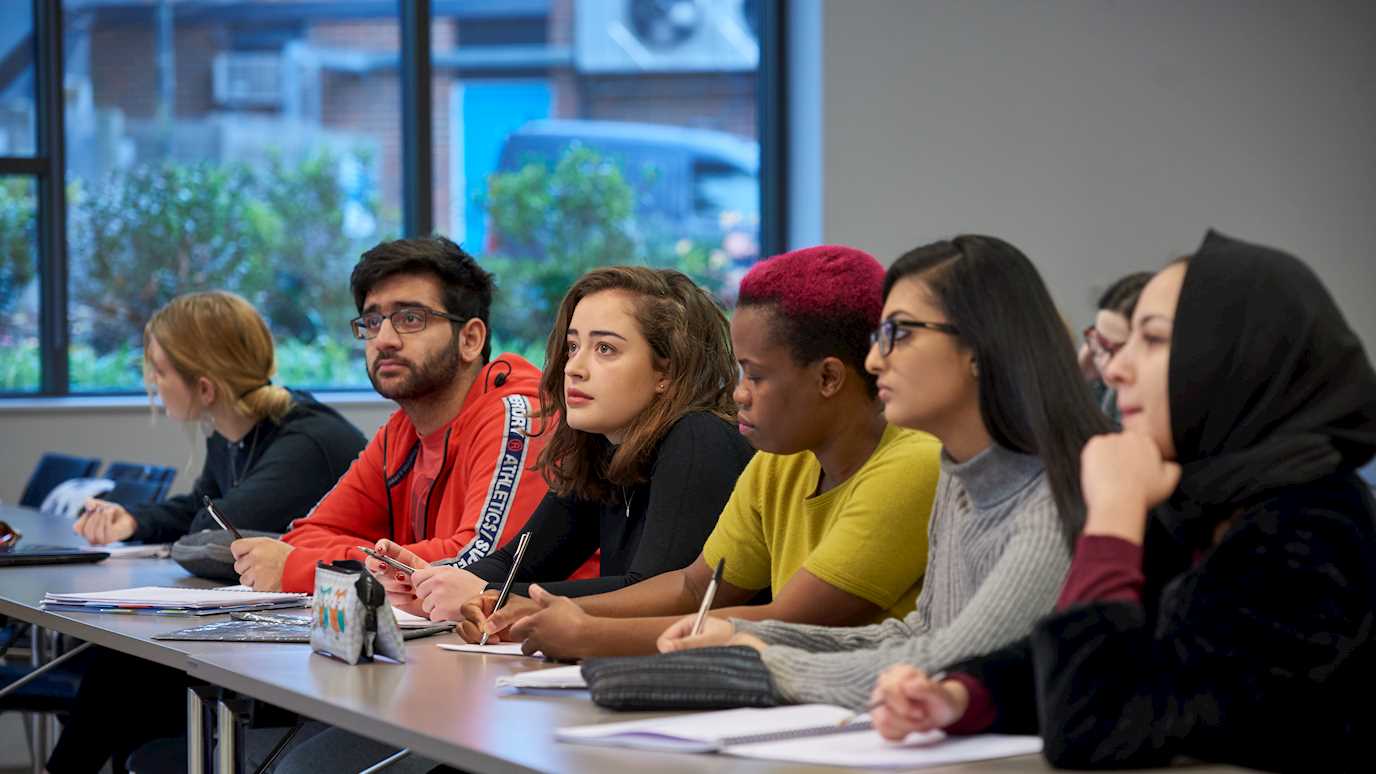
In your Foundation Year, teaching methods include a mixture of lectures, seminars, workshops, individual tutorials, and supervisory sessions. Outside of the classroom you’ll undertake guided independent reading and study. You will also be assigned a Personal Tutor, who’ll be with you for the duration of your degree, and will have regular scheduled sessions to support learning and the development of study skills. Assessments are varied; quizzes, short written exercises, essays, examinations, poster preparation and presentation, blog/vlogs, short digital films, dissertations and personal development plans. In addition the Foundation Year offers a full range of skills-based training and also the opportunity to take a micro-placement to enhance your employability.
Once you progress onto your full degree course, you will continue to be taught through a combination of lectures, seminars, small-group tutorials, screenings, online tools, group work, guided independent research and practical workshops, including location work or using our purpose-built TV studio and multimedia labs. Private study and preparation remain essential parts of every course, and you will have access to many online resources and the university’s comprehensive e-learning facility, Moodle.
Assessment is carried out by a combination of written and practical work. Critical written assignments include essays, blogs, reviews, reports, dissertations and exams. You will produce a wide range of creative work, from short films and documentaries to TV studio productions, interactive installations, screenplays and production portfolios.
Outside the tasks and assessments required by their curriculum, students are encouraged to take full advantage of our technical facilities which are available on a 24/7 basis to create a portfolio of individual creative work.
Entry requirements
A Levels: CCC-CCD
Required subjects:
- We require English Language and Mathematics GCSE at grade 4 (C)
Other UK and Ireland Qualifications
International & EU requirements
English language requirements
All teaching at Royal Holloway is in English. You will therefore need to have good enough written and spoken English to cope with your studies right from the start.
The scores we require
- IELTS: 6.5 overall with 6 in Writing and minimum of 5.5 in each subscore
- Pearson Test of English: 67 with 61 in writing (no other subscore lower than 54)
- Trinity College London Integrated Skills in English (ISE): ISE IV.
- Cambridge English: Advanced (CAE) grade C.
- TOEFL iBT: 88 overall, with Reading 18 Listening 17 Speaking 20 Writing 19
- Duolingo: 120 overall, 115 in Literacy, 115 in Production and no sub-score below 100.
Your future career
Step towards a thriving career in the creative arts, media industries and beyond. The focus of this innovative degree course is developing both critical and creative skills. You will develop the transferable skills most valued by employers, such as written communication, presentation, working as part of a team and critical thinking.
We use our strong links with industry to run an award winning work placement scheme, which provides not only a fantastic opportunity to apply your skills in a real-life environment, but the chance to practice the skills required when applying for a job or making a pitch.
Graduates go on to produce films, television programmes and documentaries while others use the skills they have gained during their degree to pursue careers curating exhibitions and international film festivals, working in social and digital media, marketing or starting editorial careers. Alumni have won prizes at international film festivals and shown their films on major channels including BBC, Channel 4 and Vice. Many graduates also go on to advanced study in a variety of fields. To find out more about what our graduates are doing now, please see the department’s website.
Fees, funding & scholarships
Home (UK) students tuition fee per year*: £5,760 (Foundation Year element only, see below for full details)
Eligible EU and International students tuition fee per year**: £23,000
Foundation year essential costs***: There are no single associated costs greater than £50 per item on this course.
How do I pay for it? Find out more about funding options, including loans, scholarships and bursaries. UK students who have already taken out a tuition fee loan for undergraduate study should check their eligibility for additional funding directly with the relevant awards body.
*This figure is the fee for Home (UK) undergraduates on the Foundation Year element of this course for the academic year 2027/28 and is controlled by Government regulations.
Please note that once you move into Year 1 of your main degree, you will be charged the standard undergraduate fee for that year. The fee for 2028/29 has not yet been confirmed, but for guidance only, in 2027/28 it is £10,050.
**This figure is the fee for eligible EU and International students on this course for the academic year 2027/28.
Royal Holloway reserves the right to increase tuition fees annually for all students. For further information see fees and funding.
*** These estimated costs relate to studying this particular degree at Royal Holloway during the 2027/28 academic year and are included as a guide. Refers to specific individual items of £50 or more, and excludes accommodation, commuting, food, books/other learning materials and printing costs.