Key information
Duration: 1 year full time or 2 years part time
Institution code: R72
Campus: Central London
UK fees*: £12,500
International/EU fees**: £24,000
The course
Creative Writing (MA)
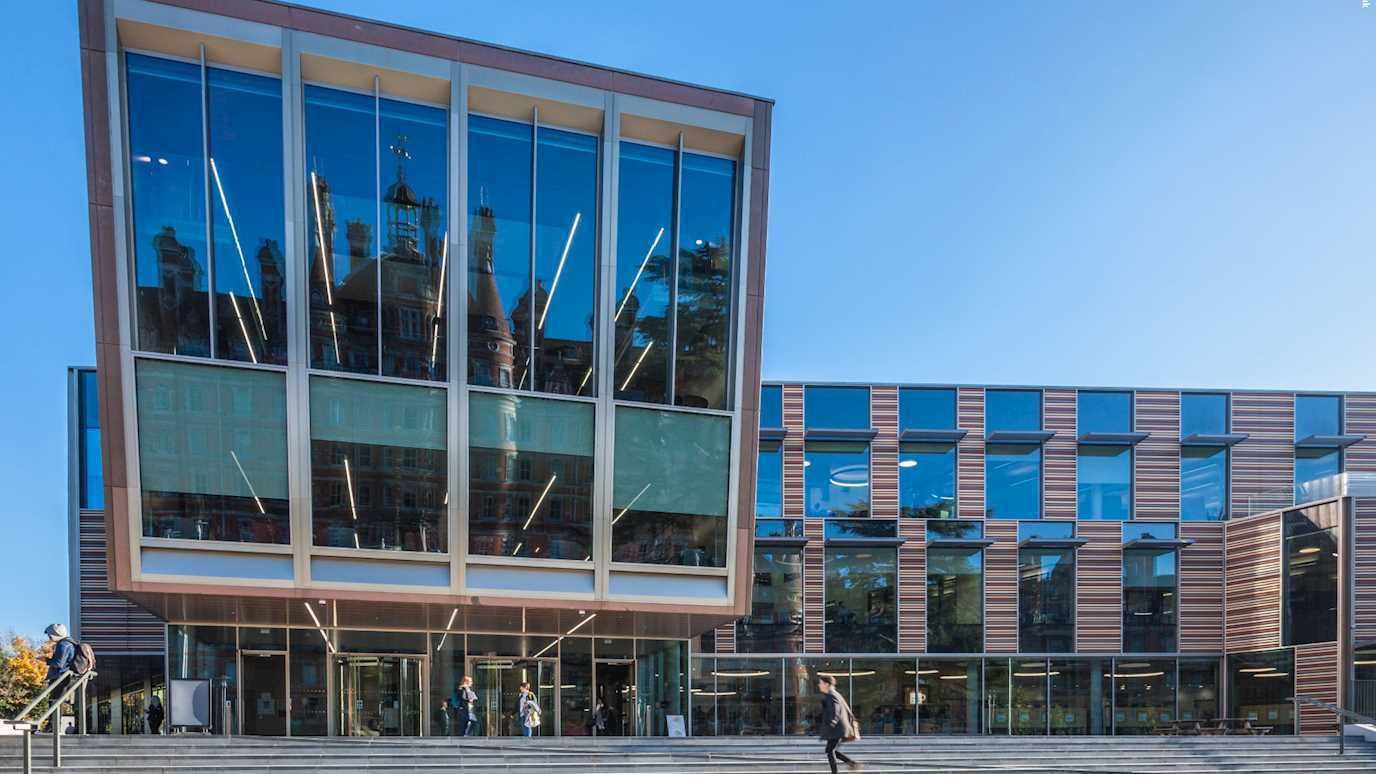
This course allows you to develop your work as a writer to a professional level, going beyond the personal to write with an engaged sense of literary culture, its social role and contemporary practices. The MA is designed for students with an established writing practice who are intending to develop their creative writing beyond first-degree level. It is also designed for those students wishing to proceed to MPhil or PhD. This MA is taught at our central London location, in the heart of literary Bloomsbury, putting you within walking distance of publishing houses, bookshops, major UK libraries and all of the other cultural attractions of central London.
You will take one of four distinct pathways:
- Fiction
- New Prose Narratives
- Poetry
- Poetic Practice
While the pathways share a similar structure, they are taught separately so as to ensure you can work to a consistently high level. Please see the Course structure section below for more details on each of these.
The MA ranks among the top creative-writing courses in the country and is taught by leading writers whose work encompasses a wide range of approaches and styles.
- Sean Borodale’s Bee Journal was shortlisted for the TS Eliot Prize and Costa Book Award.
- Lavinia Greenlaw has received a Forward Prize for Poem of the Year, the Prix du Premier Roman, a Wellcome Engagement Fellowship and the Ted Hughes Award.
- Nikita Lalwani won the Desmond Elliot Award, and was shortlisted for the Costa Prize and longlisted for the Man Booker prize.
- Redell Olsen has been Judith E. Wilson Fellow in Poetry at Cambridge.
- Anna Whitwham’s novel Boxer Handsome was a New Statesman and Guardian Book of the Year.
- Eley Williams’s Attrib. and other stories won the James Tait Black Memorial Prize and the Republic of Consciousness Prize.
- Matt Thorne has been longlisted for the Man Booker prize and is a winner of the Royal Society of Literature's Encore prize.
- Dr James Wilkes published his first collection of poetry with Penned in the Margins and his interdisciplinary projects have included collaborations with the Wellcome Trust and BBC Radio 4.
Our prizewinning, internationally successful alumni include the novelists Sarah Perry, Tahmima Anam, Jenni Fagan and Barney Norris; short-story writer and poet Eley Williams; and the poets Liz Berry, Kayo Chingonyi, Sam Riviere and Sophie Robinson. You can see the work of some of our recent alumni by visiting www.bedfordsquarereview, our online showcase.
We offer a wide range of postgraduate scholarships to help with funding your studies. We especially encourage eligible applicants to apply for one of the following:
Bedford Society Scholarship - £8,100 tuition fee reduction for Home or international students with, or expected to achieve, a First Class degree or equivalent.
Professor Barbara Raw Masters Scholarships for English - £10,000 scholarship for Home or international students with, or expected to achieve, at least a 2:1 or equivalent.
The Koppinen Family Scholarship - £10,000 tuition fee reduction for Home or international students with, or expected to achieve, at least a 2:1 or equivalent.
We sometimes make changes to our courses to improve your experience. If this happens, we’ll let you know as soon as possible.
Course structure
Core Modules
-
Supplementary Discourses
This weekly one-and-a-half hour seminar is taught within pathway groups and focuses on a broad range of critical texts by practising writers among others. It aims to provide you with the appropriate critical and theoretical skills for discussing your creative work. The course also aims to prepare you for you dissertation. You will acquire a range of critical concepts and vocabulary, a range of critical and theoretical approaches, and the necessary skills to undertake sophisticated reflection and discourse. -
Reading as a Writer
This seminar is taught within pathway groups. Students propose texts (and non-textual works) for this syllabus, which is then devised by your tutor. You will make a short presentation on one of your chosen works during the term. The seminar encourages you to think about what it means to read as a writer, how the writer constructs the reader’s experience, and how this insight might inform your own literary composition. It considers different approaches to reading, and the relationship between practice and theory. You will learn how to demonstrate the ways in which reading contributes to your own developing practice as a writer. -
Creative Writing Project
- You will undertake a major extended fiction, non-fiction, poetry or poetic practice project under supervision. This will be either 15,000 words of prose, 24 pages of poetry or textual equivalent (to be agreed with the supervisor).
- The Creative Writing Project arises out of work developed in the workshop. In all cases, this should be new work not included in previous coursework submissions however much it has been revised. It can be a different part, or parts, of the same body of work, such as a novel. An important dimension of the MA is to give you the opportunity to begin serious work on a major project that would prepare you for the submission of this work to a publisher or the basis for an application for a practice-based research of a PhD as applicable to you. The Creative Writing Project is a crucial element in this preparation. It will be researched and written mainly in the summer term and during the summer vacation. You should draw on and develop the skills, and the critical and creative contexts, acquired in the first two terms. You should also seek to demonstrate independence, self-direction and originality in your approach to the project’s completion.
- Poetry does not have to have a collective theme or be a sequence, though these are acceptable.
- Poetic Practice - digital, bookworks and other formats of submission are acceptable but should be agreed in advance with the supervisor.
-
Extended Essay (Creative Writing)
An important dimension of the MA is to give you the opportunity to begin serious work on a major research project that relates to your practice. This could prepare you for an application for the practice-based PhD.
The Extended Essay (Creative Writing) is a crucial element in this preparation. It will be researched and written mainly in the summer term and during the summer vacation. The principle aim of the Extended Essay (Creative Writing) is to enable you to demonstrate your ability to reflect critically and theoretically, and to locate your practice in relation to contemporary writing practices. You should draw on and develop skills acquired in the first two terms. The subject of the extended essay is to be agreed with the supervisor.
-
Academic Integrity
This module will describe the key principles of academic integrity, focusing on university assignments. Plagiarism, collusion and commissioning will be described as activities that undermine academic integrity, and the possible consequences of engaging in such activities will be described. Activities, with feedback, will provide you with opportunities to reflect and develop your understanding of academic integrity principles.
-
Fiction Workshop
Split into two modules, you will learn how to structure and edit your prose to a publishable standard while also developing an expert sense of how best to draw on the personal, the actual and the imagination. We have no house style, and encourage both experiment and rigour. In developing your analytical and editorial skills, you will sharpen your self-criticism.
The content of the workshops will be dictated by the presentations of work in progress by the members of the group, and by the critical dialogue that develops from these presentations. Your tutor will draw up a schedule for this and work will be circulated in advance. You will read and annotate this work and come to class ready to discuss it. Reading of literary exempla and extracts will also feed into workshop discussions. Your tutor may set exercises or additional advance reading, and you will receive intensive feedback supported by individual tutorials.
-
Poetry Workshop
Split into two modules,This pathway is for writers of all kinds of poetry, who are focused on publication on the page. You will learn how to locate and refine your personal poetics, and how to develop a poem to its fullest potential. You will be taught how to revise and edit a poem, how to sustain a writing practice, and how to locate your poetry within a broader literary context.
The workshop welcomes all styles and approaches to poetry focused on publication on the page. The content of the workshops will be dictated by the presentations of work in progress by the members of the group, and by the critical dialogue that develops from these presentations. Your tutor will draw up a schedule for this and work will be circulated in advance. You will read and annotate this work and come to class ready to discuss it. Reading of literary exempla and extracts will also feed into workshop discussions. Your tutor may set exercises or additional advance reading, and you will receive intensive feedback supported by individual tutorials.
-
Poetic Practice
Split into two modules, this pathway foregrounds the writing in an expanded field of contemporary poetic practice. It offers a consideration of contemporary trends in innovative and experimental poetry: redefinitions of lyric writing, bookworks, visual poetics, performance, sound, conceptual writing, digital poetics and site-specific work.
You will develop, and reflect on, your own practice in the context of an understanding of contemporary experimental practice in poetry from the UK and North America, and consider how contemporary poetry and poetics intersect with such fields as conceptual art writing, sound art, live art, digital poetics, book arts, installed texts and writing in relation to site.
-
New Prose Narratives Workshop
Split into two modules, you will explore the broad range of possibilities that literary non-fiction has to offer from memoir to manifesto, from the essay to the hybrid form. You can experiment with the interface between fiction and memoir, and discover how to write out of the self without a form in mind. You will be taught how to activate and deploy your research. You will learn how to draw on these to develop original work of your own to publishable standard.
The workshop will include an exploration of the full range of approaches that non-fiction has to offer. We will encourage you to explore them all, and to draw freely on them in your own work, taking an interdisciplinary approach. We will also teach you how to use the tools and devices of fiction and poetry in the writing of non-fiction. The workshop is also where you present work in progress, and you will receive intensive feedback supported by individual tutorials.
In the autumn term, you will have the opportunity to explore a range of literary non- fiction practices. Working with exempla, which will be read in advance and discussed in class, you will undertake writing exercises, imitation and invention. In the spring term, you will be presenting and critiquing your own creative work-in-progress while continuing to discuss other texts that cast light on the issues that arise.
Optional Modules
-
All modules are core
Teaching & assessment
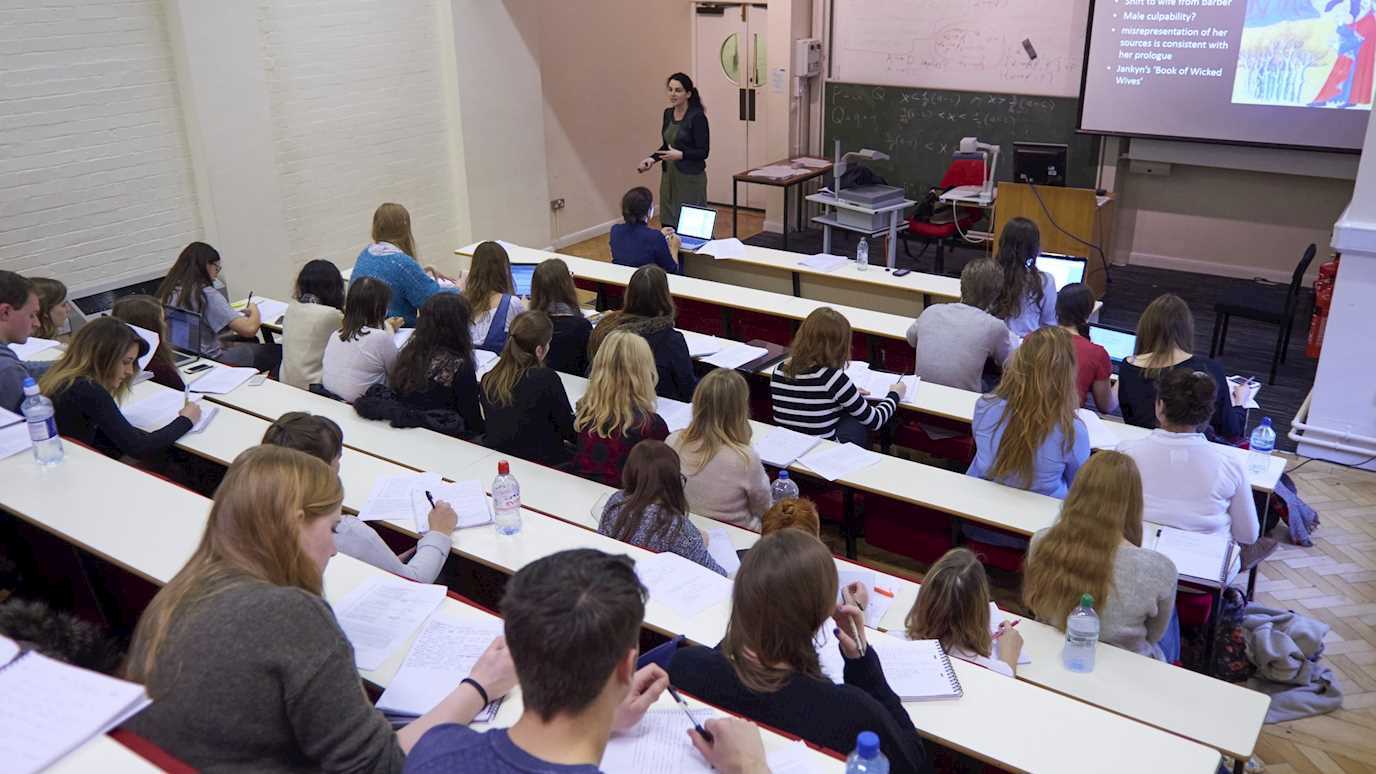
You will work in small groups and with extensive individual attention. We are looking for people who will flourish from working intensively within a rigorous and experimental but supportive environment. In addition to workshops, you will take modules in Supplementary Discourses and Reading as a Writer, seminars designed to enhance your understanding of your own practice as well as the broader literary context in which you will be situating your work.
You will submit creative and critical coursework, and will undertake a final practical project and dissertation on practice.
In the summer term, you will receive individual supervision and will be offered a programme of events and masterclasses introducing you to leading writers, editors and agents who can advise on next steps. Enhancing the experience, there are regular readings and talks given by students, staff and visiting writers.
Creative coursework (Full-time students and first-year part-time students)
The first portfolio of fiction or non-fiction or poetry (5,000 words prose, 12 pp poetry or equivalent agreed with your tutor) will be submitted for feedback at the beginning of the Spring Term. This is a formative submission which means that it is not formally graded. You will receive feedback and an indicative grade. Under the guidance of your tutor, you then revise this work and resubmit it at the beginning of the Summer Term. It is then a summative submission and is formally assessed.
The second portfolio (identical requirements) will be submitted for formal assessment, along with a revised first portfolio, at the beginning of the Summer Term.
Essays (Full-time students and second-year part-time students)
The essay for Supplementary Discourses will be submitted for feedback at the beginning of the Spring Term. This submission is summative and is formally assessed.
The essay for Reading as a Writer will be submitted for summative assessment at the beginning of the of Summer Term.
Creative Writing Project and Dissertation on Practice (Full-time students and second-year part-time students)
Students receive individual supervisions in the summer term towards the completion of these two submissions, which are made in September.
Entry requirements
2:2
UK Bachelor honours degree or equivalent in single or combined honours English.
Relevant professional experience considered.
Applicants will be required to provide a writing sample, prose of up to 5,000 words or at least 12 pages of poetry reflecting their chosen pathway: Fiction, New Prose Narratives, Poetry, Poetic Practice.
Additionally, a sample of critical writing of up to 1,000 words from your undergraduate studies or equivalent showing your ability to critically engage with a text.
International & EU requirements
Bachelors Degree/ Bachelor Honours Degree: GPA 2.6
Masters degree: GPA 3.0/ 80%
Diplomë e Integruar e Nivelit të Dytë:or Diplomë e Nivelit të Parë: 7/10, or Master i Shkencave në Mjekësi të Përgjithshme / në Mjekësi Veterinarë / ne Stomatologji: 7/10
Licence, Diplôme, Diplôme d'Études Supérieures, Diplôme de Docteur en Pharmacie: 11/20
Batxelor: 5/10
Grau de Licenciado/a: 13/10
Bachelor degree from The University of the West Indies: GPA 2.5
Título, Grado de Licenciado/A: 6/10
Specialist Diploma, (Diplom bakalavri astichan), Bachelor degree from American University of Armenia: 70%, GPA 3.0 out of 4, or 14 out of 20
Bachelor degree (Honours) with a 2:2, or a Bachelor degree (Ordinary) with a Pass with 57% overall.
Bachelor degree or Fachhochschuldiplom/Diplom (FH): Bestanden- PASS, Befriedigend - Satisfactory, or 3 out of 5
Bachelor degree (Bakalavr) or Specialist Diploma with 3.5 out of 5 or 70% overall.
Bachelor degree from The University of the West Indies: 2:2, GPA 2.5
Bachelor degree: 2.6/4 or 3.2/5 or 65%
4 year Bachelor degree from Bangladesh University of Engineering and Technology (BUET) with a First Class Division or a Masters Degree following a 3 or 4 year degree.
Specialist Diploma 6/10, or Bachelor Degree 8/10
Bachelor degree with grade 12 overall or the Licentiaat or Licence and other two cycle diplomas with grade 12 overall.
Bachelor degree from The University of the West Indies: 2:2 or GPA 2.5
Diplôme d'études Approfondies/Supérieures/Master: 13 out of 20
Bachelors degree: 60%
Licenciado/Titulo de.... :60%, or Titulo de Bachiller Universitario: 70%
Diploma Visokog Obrazovanja Diploma Visokog Obrazovanja / Diplomirani with Grade 8
Bachelors or Masters: 60%
Título de Bacharel/ Titlo de... 6.5/10
Bachelor degree from The University of the West Indies: 2:2
Bachelor (Honours) Degree: Lower Second Class, or Bachelor (Ordinary) Degree GPA 2.5/5
Bakalavar or Diploma of Completed Higher Education with a Grade 4 out 6 overall.
Diploma d’Etudes Approfondies: 13/20
Diplome d’Etudes Approfondies: 70%
Masters degree: 60%
12/20 or GPA 2.5/4
4 year Bachelor degree with 62%, a GPA 2.5 out of 4, Grade 6 out of 12 or grade C+ overall OR 3 year Bachelor degree with 73%, a GPA of 3.1 out of 4, Grade 8 out of 12 or grade B overall, depending on the grading scheme.
Grau de Licenciado/a: 13/20
The University of the West Indies, or University of College of the Cayman Islands: 65%
Diplome d’Ingenieur (non-honours): 14/20
Diplôme d'Etat de Doctorat en Médecine, Diplome d'Etudes Approfondies 13/20
Grado de Licenciado en..., or Grado de Bachiller: 4.6/7
4 year Bachelors degree with an overall 65% to 70% or GPA of 2.8 to 3.0 out of 4.0 depending on the institution.
Licenciado en, Licenciado en, or Diploma de: 3.5/5
Licenciado, Bachiller: 7.5/10
Diplôme d'études supérieures spécialisées, Diplôme d'études approfondies, Diplôme d'Etat de docteur en Pharmacie: 13/20
3 out of 5 overall in the Baccalaureus Prvostupnik or Visoko Obrazovanja/Level VII/1 (second level degree obtained on completion of 4-6 year course).
Titulo de Licenciado/ Arquitecto / Inginiero / Doctor: 3.5/5
Overall 6.5 out of 10 or a GPA of 2.5 out of 4 in a Bachelor degree from a public university, Ptychion (from University of Cyprus) or Bachelor degree awarded by a private institution (the programme must be accredited by the Ministry of Education and Culture).
Bakalar with dobre (good), score of 2 or Grade C overall.
Diplome d’Etudes Speciales, Diplome d'Etudes Approfondies, Maistrise/Diplome d'Ingenieur/Diplome d'etudes superieures:
7 from 13 points grading system or 4 from 7 points grading system in a Bachelor degree, Candidatus Philosophiae or Professionbachelor.
Diplome d'Ingenieur Bien, or Maitrise/ Master: 14
The University of the West Indies: Lower Second Class Honours, or BSc in Nursing from Dominica State College
Licenciado/Titulo: 75%
Titulo de Licenciado/a from Universidade Nacional Timor Lorosa'e
Titulo de Licenciado/ Titulo: 7/10 OR 70%
University bachelors degree with a GPA of 2.4 overall or 65% overall
Licenciado/ Titulo de: 6.5/10
Masters Degree: 2.6/4
71-80%, 3 or C overall in a Bakalaurusekraad/Diploma, Magister or Magistrikraad
2.5 out of 4
Bachelor Degree: 2.5 or overall grade Satisfactory
GPA of 1.4 where marks are in 1 - 3 system or GPA of 2.5 where marks are in 1 - 5 system in a Kandidaattii/Kandidat or Maisteri/Magister
Licence awarded from 2009 with grade 10-11.99 or Maitrise (pre-Bologna) with grade 11
Diplome D'Ingenieur, or Maitrise: Bien
Master's degree: 60%/ GPA 2.7/4.3
Bakalarvis Khariskhi: 71%
Grade 3 overall in a Bachelor, Fachhochschuldiplom or Magister Artium
Bachelor degree with a Second Class Lower Division overall.
6 out of 10 overall in a Diploma from the Faculties of Engineering and Agriculture or a Ptychion (Bachelor degree) awarded by an AEI.
Bachelor degree from The University of the West Indies: GPA 2.5
Licenciado/ Titulo: Pass mark of 51% University: 60% or Pass mark of 61% Universities: 70%
Diplôme d'Etat de docteur en médecine, or Diplome d’Etudes Superieures/Maitrise/Diplome d’Etudes Approfondies : 14/20
65%, or 3.0 out of 4
Titulo de Licenciado/a/Grado Academico de Licenciatura: 70%
Bachelors degree degree with a Second Class Honours, Lower Division.
Egyetemi Oklevel /Foiskola Oklevel/ Alapfokozat with 3 out of 5 overall.
Baccalaurreatus with grade 6.5 out of 10 overall or Kandidatsprof / Cadidatus Mag with 6 out of 10 overall.
Bachelor degree with 55% to 60% overall or a CGPA of 5.5 to 6 out of 10 overall depending on the NIRF 1-100 institution ranking
Bachelor degree or Diploma IV with overall GPA of 2.8.
Bachelor Degree/Professional Doctorate with 12 out of 20 overall.
Bachelor’s degree (four years) in Medicine/Dentistry/Veterinary Medicine/Pharmacy/Architectural Engineering with 70% overall.
Bachelors degree with at least 65% overall depending on the mark scheme.
Diploma di Laurea or Licenza di Accademia di Belle Arti with 80 out of 110 overall.
Bachelor degree (when accredited by the University Council of Jamaica, or when awarded by the Council of Community Colleges of Jaimaica): Second Class Lower Division
Bachelor degree (Gakushi) with a B overall, dependent on the mark scheme.
Bachelor degree: GPA 2.8 out of 4, Good, C, 68%
Bakalavr or Specialist Diploma with 3.5 out of 5, 75% or 2.67 out of 4.33, or 2.67 out of 4 overall.
Bachelor degree with a Second Class Honours (lower division) overall.
Bacelor/Bachelor Degree: C - Good
Bachelor degree with B or a GPA of 2.6 overall.
Specialist Diploma, Bachelor Degree, Masters Degree: 3.0 out of 4 or 4.0 out of 5
Masters degree: C or GPA 2.0
Bakalaura Diploms or Professional Bakalaura Diploms with Grade 6 overal.
Bachelor Degree/ Licence: 70%
Masters Degree: 65%
Master's degree: 70% or GPA 2.4 out of 4.0
Bachelor Degree of Medicine/Surgery/Architecture/Engineering: 65% or 2.6/4
Dipl Ing (FH) or Dipl Arch (FH) from Liechtenstein Technical College with a Grade 4.4/6 overall.
7 out of 10 overall in a Bakalauras or Specialist Diploma.
Bachelor or Diplome d'ingenieur industriel: 14/20
Licenciatura: Lower Second Class Honours or GPA 2.5
Diplome d'Ingenieur: 13/20
Masters Degree: 60%
Bachelor degree with Class 2 Division ii, B or 2.6 out of 4.0 overall.
Bachelor degree (Maldives National University): GPA 2.5
Diplôme d'Etat de docteur en Pharmacie: GPA 15 out of 20
Honours degree with a Second Class (Lower Division) overall.
Maitrise: 13/20
Bachelor Degree: Class II division II
Titulo de Licenciado/Titulo: GPA 7 out of 10 or 70%
Diplomă de Licenţă: 7/10
Bachelor degree (awarded after 2012): 80 out of 100
Masters Degree: 70%
Diploma o završenim osnovnim akademskim studijama: Grade C
Licence/Licence d'Etudes Fondamentales/Licence Profesionnelle: GPA 111 out of 20
Grau de Mestre: 12/20
Master's degree: 60%
Bachelor Honours / Professional Bachelor degree: 60%
Bachelor degree (4 years) or Master's degree (following a 3-year Bachelor degree): 65%
Bachelor degree or Doctoraal with Grade 6.0 out of 10 overall.
Bachelor degree Honours or Ordinary with an overall Grade C+ or Grade 3 out of 9 points grading system.
Licenciado/Titulo: 80%
Diplôme d'études Approfondies or Diplôme d'études Supérieures Spécialisées: 15 out of 20
Bachelor degree with a Second Class Honours, Lower Division or overall GPA of 2.4 out of 5.
Visoko Obrazovanja with 7 out of 10 overall.
Bachelor degree GPA 2.6 to 2.8 depending on your institution.
Bachelor degree, Candidatus Magisterii, Sivilingeni-r (siv. ing.) (Engineering degree ) or Sivil?konom (siv. ?k.) (Economics degree) Grade D or 3.25 where 1 is the highest.
Bachelor degree with an overall GPA of 2.6/4
4 year Bachelor degree or combined bachelors degree and Master degree for the duration of 4 years with 58% - 65% or a CGPA of 2.8 - 3.2 overall depending on your institution.
Bachelor degree: GPA 3.0 out of 4.0, 80%, B
Licenciado/ Titulo: 70%
Bachelor Honours Degree: Class II, Division B
Titulo de Licenciado/ TItulo: 3.5/5
Grado Academico de Bachiller: 13/20
Bachelor degree (awarded from 2022): 2.5/4, or Masters degree: 2.5/5
Licencjat, Inzynier or Bachelor with grade 4 out of 5
Diploma de Estudos Superiores Especializadoswith grade 14 overall or Licenciado with grade 13 overall.
Bachelor degree: 70/100 or GPA 2.0 out of 4.0
Bachelor degree with an overall GPA of 2.8 overall.
Maitrise: 13/20
Diploma de Licenta, Diploma Inginer or Diploma de Arhitect with 7.0 out of 10 overall.
Bakalavr Bachelor degree or Specialist Diploma with 3.5 out of 5 or 70% overall.
Bachelor Honours Degree: 13/20
Bachelor degree when studied at University of South Pacific, Samoa: GPA 2.5
Licenciatura: 13/20
Bachelor degree with 65%, 3.25 out of 5.0 or 2.5 out of 4.0 overall.
Diplom Visokog Obrazovanja (second-level degree obtained on completion of a four to six-year course) with 7 out of 10 overall.
Bachelor Degree: Lower Second Class
Bachelors Degree (Honours): Lower Second Class
Bachelor degree (from a public university) with a Class II (lower) overall.
Bakalar or Magister / Inzinier with vel'mi dobre (very good) or Grade 2 overall.
Diplomirani / Diplomirani Inzenir from Visoko izobrazevanje, University Diploma or Visoko Obrazovanja (until 1999) with 7 out of 10 (8 for Visoko Obrazovanja) overall.
Bachelor degree when studied at University of South Pacific, Vanuatu: GPA 2.5
Bachelor (Honours), Bachelor or Professional Bachelor degree with 60% or Second Class Lower Division.
Bachelor (Haksa) degree with 3.0 out of 4.5, 2.9 out of 4.3 or 2.8 out of 4.0.
Bachelor Honours degree: 2.5/4.0 Division Two Lower
Licenciado, Titulo de Ingeniero or Titulo de Arquitecto with 6 out of 10.
Bachelor degree from The University of the West Indies: GPA 2.5 Second Class Honours, Lower Division
Bachelor degree from The University of the West Indies: GPA 2.5 Second Class Honours, Lower Division
Bachelor degree from The University of the West Indies: GPA 2.5 Second Class Honours, Lower Division
Bachelor Honours Degree: 60%
Bachelor degreee, Masters Degree, MO-B Akte Diploma: Met Genoegen (Good)
Bachelor degree: 70%
Bachelor degree from National University or Private University with 68% to 73% or GPA 2.8 to 3.0 depending on your institution.
Specialist Diploma: 3.5/5
Bachelor degree with a 2nd Class Honours (Lower) overall.
Bachelor degree GPA 2.4 to 2.6 depending on your institution.
Diplôme d'études supérieures, Diplôme d'études approfondies: 13/20
Bachelor or Masters degree from the University of the South Pacific: 70%/ B+
Bachelor degree (when accredited by the Accreditation Council of Trinidad and Tobago (ACTT)): Lower Second Class Honours
12 out of 20 (Assez Bien)
Bachelor degree GPA 2.6 to 2.8 depending on your institution.
Ýokary bilim hakynda şahadatnama: 3.5/5
Bachelor degree (accredited by the Council of Community Colleges of Jamaica)
Bachelor degree: Class II Lower/ Honours Lower/ 3.0-3.9/ B
Bachelor degree (post 2007) or Specialist Diploma (after 1991) with a Grade 3, 9 out of 12 or 3.5 out of 5 overall.
Bachelor degree with 80%, a GPA of 2.8 out of 4, C+ or Good overall.
Bachelor degree with a GPA of 2.6 overall.
Bachelor Honours Degree: GPA 2.5 or Second Class Honours, Lower Division
Titulo de Licenciado/Titulo: GPA 7/12
Diplomi: 70%
Kandidatexamen with at least a Pass (godkand) overall.
Bachelor degree when studied at University of South Pacific, Vanuatu: GPA 2.5
Titulo de Licenciado/Titulo: 70% or 11 from high ranking institution
Bachelor degree or Bang tot nghiep dai hoc with 6.5 out of 10.
Masters Degree: 63%
Masters Degree: 55%
60%-64%, Second Class Honours, Lower Division
English language requirements
- IELTS: 6.5 overall. No subscore lower than 6.0.
- Pearson Test of English: 67 overall. No other subscore lower than 64.
- Trinity College London Integrated Skills in English (ISE): ISE III.
- Cambridge English: Advanced (CAE) grade C.
- TOEFL iBT: 88 overall with Reading 22 Listening 20 Speaking 22 Writing 24.
- Duolingo: 120 overall and no sub-score below 115.
Your future career
A significant number of our Creative Writing students have become published authors or found work in publishing, the media and agencies.
We have an impressive record for placing graduates in academic jobs.
This course will give you a distinctive, creative edge in careers such as publishing, teaching, writing and journalism, administration and marketing.
Fees, funding & scholarships
Home (UK) students tuition fee per year*: £12,500
EU and international students tuition fee per year**: £24,000
Other essential costs***: There are no single associated costs greater than £50 per item on this course.
How do I pay for it? Find out more about funding options, including loans, grants, scholarships and bursaries.
* and ** These tuition fees apply to students starting their course on a full-time basis in the academic year 2027/28. Students studying on the standard part-time course structure over two years are charged 50% of the full-time applicable fee for each study year.
Royal Holloway reserves the right to increase all postgraduate tuition fees annually. For further information, see fees and funding.
** These estimated costs relate to studying this particular degree at Royal Holloway during the 2027/28 academic year and are included as a guide. Refers to specific individual items of £50 or more, and excludes accommodation, commuting, food, books/other learning materials and printing costs.