Course options
Key information
Duration: 1 year full time or 2 years part time
Institution code: R72
Campus: Central London
UK fees*: £14,900
International/EU fees**: £27,000
The course
Engineering Management with Cyber Security (MSc)
MSc Engineering Management with Cyber Security at Royal Holloway is ideal for future leaders who want to combine engineering and project management know-how with strategic cyber resilience.
In a world increasingly reliant on digital infrastructure, protecting critical systems from cyber threats is essential. The need for skilled professionals who understand both the technical and managerial sides of protection has never been greater.
This masters is designed to meet global demand in business for graduates with specialist cyber security awareness and a skillset to tackle the emerging threats in digital engineering and information security activities. You’ll learn how to assess and manage a broad range of risks in relation to industry processes, ready to advance your career in digital, AI and cyber security pathways within engineering and innovation-based environments.
A secure next step
- Build confidence to plan, budget, schedule, and deliver cybersecurity and engineering projects on time and on budget
- Explore technical, legal, risk-based, and human aspects of cyber security through case studies and enterprise-wide scenarios
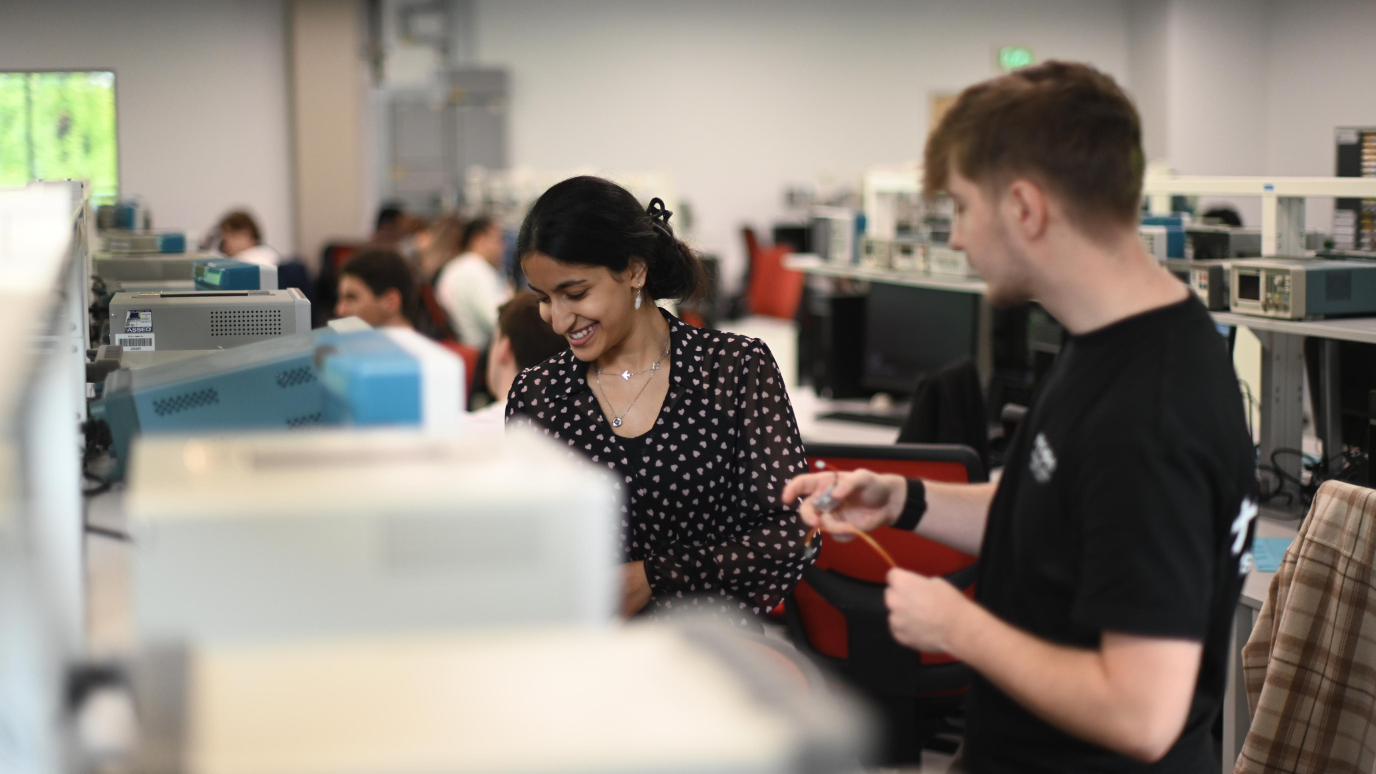
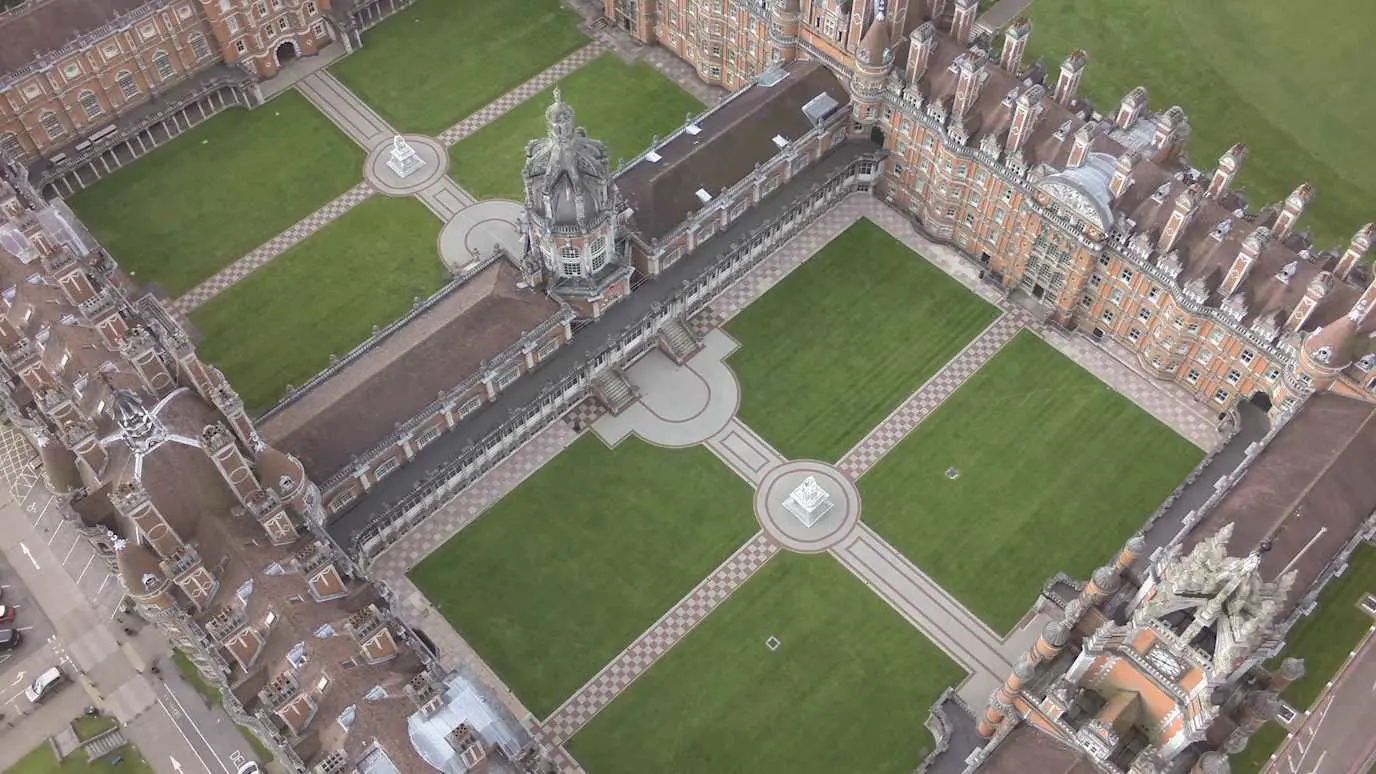
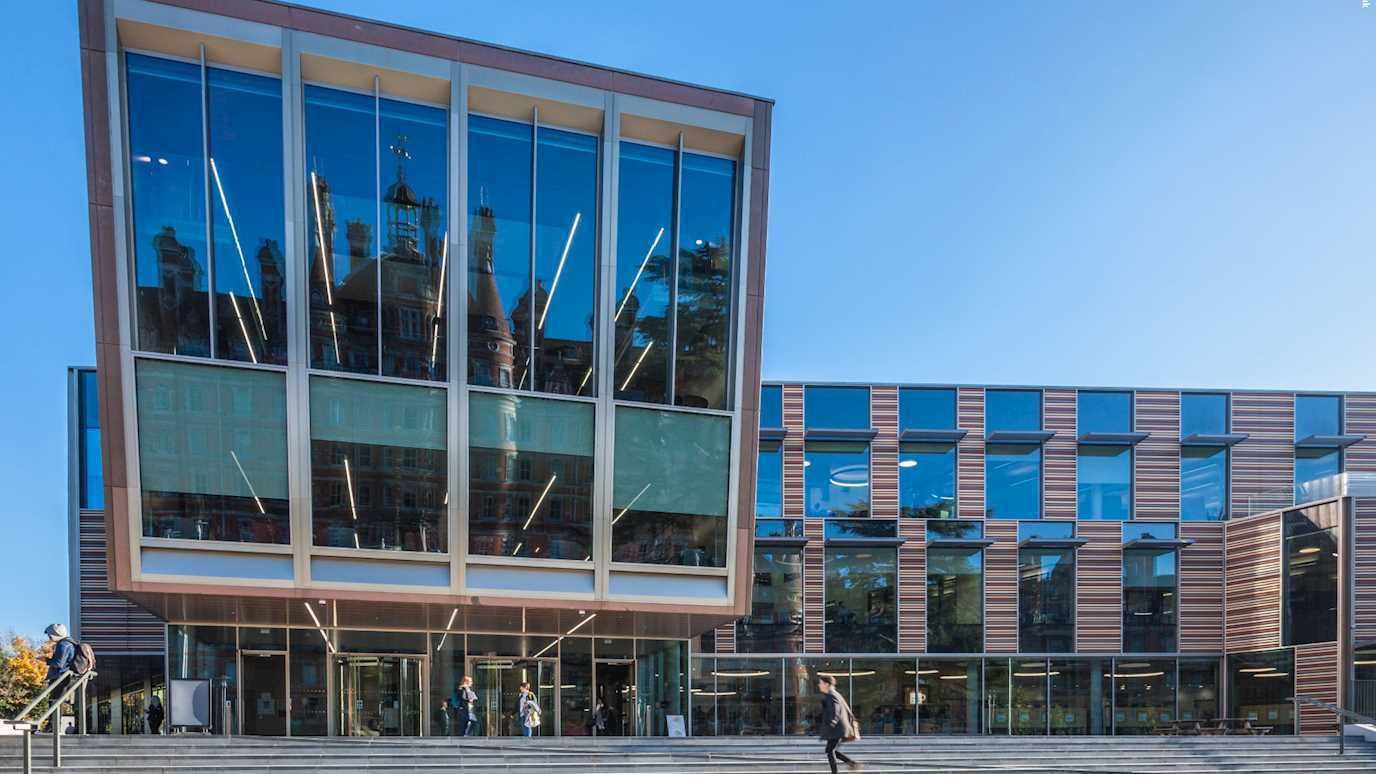
- Enjoy studying at our well-equipped central London base with our experienced practitioners and academics from the digital engineering and cyber security sectors
Protecting what’s important
You’ll graduate with skills to collaborate with developers, engineers, and managers to build systems that are secure, robust, and commercially viable.
You’ll gain valuable commercial expertise to lead complex engineering and software projects and defend them against ever-evolving cyber threats.
Build a rewarding career in cybersecurity project management and digital engineering roles across industry sectors like finance, telecoms, logistics, or government.
We sometimes make changes to our courses to improve your experience. If this happens, we’ll let you know as soon as possible.
Course structure
Core Modules
Year 1
-
Technology Innovation and Change Management
This module provides an advanced and comprehensive review of current and future technological trends. Individual competence in enabling the processes of innovation and implementing change are essential for leaders and managers in today’s technology organisations. This module provides you with an opportunity to understand technology innovation and change – its drivers, risks, consequences, and people’s responses – and manage the interlinked processes of creativity, learning and critical thinking in the context of product and process innovation.
-
Professional Practice
The module aims to enable you to develop in critically assessing, reflecting, and taking appropriate decisions in the broad area of effective interpersonal skills and the personal commitment to professional standards, their obligation to society, the profession, and the environment. Some of the areas of professional practice development will include – effective interpersonal skills; professional standards and ethical conduct; health and safety at workplace; sustainable development goals and practices; continuous professional development (CPD); and developing and critically reviewing business proposals.
-
Enterprise Cybersecurity and Data Analytics
This module will develop your understanding of the current cyber security landscape,considering not only technical measures and defences, but also the other subject areas that apply, including legal, management, crime, risk, social and human factors. The module examines the role of knowledge in the contemporary organisations and explore the ways it can be used for better data management. A central element of the module is the discussion of a number of case studies emphasising the cyber security and data analytics application within enterprise-wide approaches.
-
Project and Programme Management
This module aims to extend, and enhance your knowledge in the derivation, from corporate strategy, of business change programmes and their comprising projects, and then the chartering, structuring, and governance of those collections of projects and programmes within businesses. There is a strong emphasis on understanding the context of the project and programme and the extent to which this can be influenced or shaped by the initiation and agreed planning processes and outputs.
-
Information Risk Management and Governance
This module covers the theory and standards of information security risk management in conjunction with governance principles underpinning the management and compliance of risk management. The knowledge of the frameworks is translated into compliance and compliance monitoring mechanisms for risk management standards and regulations. Alternative methods for the exploration of risks and their estimation including socio-technical aspects are analysed as well as interactions between risk perception and the incorporation of threat intelligence into risk assessments and risk management.
-
Research Methods
This module precedes the dissertation and is aimed at allowing you to develop a plan for your research, resulting in a detailed proposal. As such, work done on the module contributes towards the first three chapters of your Dissertation. In this module you will acquire an understanding of the research context. You will learn how to develop feasible research objectives and an appropriate conceptual/analytical framework for your research.
-
Project by Dissertation
You will identify a significant subject area and problem faced by businesses and senior management in engineering. You will deploy business research methods, collect and analyse data, and produce a substantial written report of around 15,000 words to a professional standard.
-
Academic Integrity
This module will describe the key principles of academic integrity, focusing on university assignments. Plagiarism, collusion and commissioning will be described as activities that undermine academic integrity, and the possible consequences of engaging in such activities will be described. Activities, with feedback, will provide you with opportunities to reflect and develop your understanding of academic integrity principles.
Teaching & assessment
Over the 12 months of this course, you’ll take six taught course units, attend various seminars and workshops and complete a final project by dissertation. Term 1 is made up of three taught course units, term 2 comprises three taught course units. The dissertation will be on a project management topic.
If you choose to study part-time the programme usually takes 2 years. However part time students may complete their programme of study over a period of up to 5 years.
Teaching and learning are delivered by a mix of academic and professional practice staff supporting the course in research and commercial areas of businesses. This consists of lectures, small group seminars and debates, individual tutorial sessions, and where applicable company focused case studies and guest speakers from industries.
You will have access to a personal tutor, along with support from module tutors, and a final dissertation supervisor during your studies.
Assessment is carried out by a variety of methods, including coursework, group and team projects, industry focused case studies, online tests, final written examinations, business case preparations and presentations.
Entry requirements
2:2
UK 2:2 Bachelor honours degree degree or equivalent in any subject.
Relevant professional qualifications and relevant experience in an associated area will be considered.
International & EU requirements
Bachelors Degree/ Bachelor Honours Degree: GPA 2.6
Masters degree: GPA 3.0/ 80%
Diplomë e Integruar e Nivelit të Dytë:or Diplomë e Nivelit të Parë: 7/10, or Master i Shkencave në Mjekësi të Përgjithshme / në Mjekësi Veterinarë / ne Stomatologji: 7/10
Licence, Diplôme, Diplôme d'Études Supérieures, Diplôme de Docteur en Pharmacie: 11/20
Batxelor: 5/10
Grau de Licenciado/a: 13/10
Bachelor degree from The University of the West Indies: GPA 2.5
Título, Grado de Licenciado/A: 6/10
Specialist Diploma, (Diplom bakalavri astichan), Bachelor degree from American University of Armenia: 70%, GPA 3.0 out of 4, or 14 out of 20
Bachelor degree (Honours) with a 2:2, or a Bachelor degree (Ordinary) with a Pass with 57% overall.
Bachelor degree or Fachhochschuldiplom/Diplom (FH): Bestanden- PASS, Befriedigend - Satisfactory, or 3 out of 5
Bachelor degree (Bakalavr) or Specialist Diploma with 3.5 out of 5 or 70% overall.
Bachelor degree from The University of the West Indies: 2:2, GPA 2.5
Bachelor degree: 2.6/4 or 3.2/5 or 65%
4 year Bachelor degree from Bangladesh University of Engineering and Technology (BUET) with a First Class Division or a Masters Degree following a 3 or 4 year degree.
Specialist Diploma 6/10, or Bachelor Degree 8/10
Bachelor degree with grade 12 overall or the Licentiaat or Licence and other two cycle diplomas with grade 12 overall.
Bachelor degree from The University of the West Indies: 2:2 or GPA 2.5
Diplôme d'études Approfondies/Supérieures/Master: 13 out of 20
Bachelors degree: 60%
Licenciado/Titulo de.... :60%, or Titulo de Bachiller Universitario: 70%
Diploma Visokog Obrazovanja Diploma Visokog Obrazovanja / Diplomirani with Grade 8
Bachelors or Masters: 60%
Título de Bacharel/ Titlo de... 6.5/10
Bachelor degree from The University of the West Indies: 2:2
Bachelor (Honours) Degree: Lower Second Class, or Bachelor (Ordinary) Degree GPA 2.5/5
Bakalavar or Diploma of Completed Higher Education with a Grade 4 out 6 overall.
Diploma d’Etudes Approfondies: 13/20
Diplome d’Etudes Approfondies: 70%
Masters degree: 60%
12/20 or GPA 2.5/4
4 year Bachelor degree with 62%, a GPA 2.5 out of 4, Grade 6 out of 12 or grade C+ overall OR 3 year Bachelor degree with 73%, a GPA of 3.1 out of 4, Grade 8 out of 12 or grade B overall, depending on the grading scheme.
Grau de Licenciado/a: 13/20
The University of the West Indies, or University of College of the Cayman Islands: 65%
Diplome d’Ingenieur (non-honours): 14/20
Diplôme d'Etat de Doctorat en Médecine, Diplome d'Etudes Approfondies 13/20
Grado de Licenciado en..., or Grado de Bachiller: 4.6/7
4 year Bachelors degree with an overall 65% to 70% or GPA of 2.8 to 3.0 out of 4.0 depending on the institution.
Licenciado en, Licenciado en, or Diploma de: 3.5/5
Licenciado, Bachiller: 7.5/10
Diplôme d'études supérieures spécialisées, Diplôme d'études approfondies, Diplôme d'Etat de docteur en Pharmacie: 13/20
3 out of 5 overall in the Baccalaureus Prvostupnik or Visoko Obrazovanja/Level VII/1 (second level degree obtained on completion of 4-6 year course).
Titulo de Licenciado/ Arquitecto / Inginiero / Doctor: 3.5/5
Overall 6.5 out of 10 or a GPA of 2.5 out of 4 in a Bachelor degree from a public university, Ptychion (from University of Cyprus) or Bachelor degree awarded by a private institution (the programme must be accredited by the Ministry of Education and Culture).
Bakalar with dobre (good), score of 2 or Grade C overall.
Diplome d’Etudes Speciales, Diplome d'Etudes Approfondies, Maistrise/Diplome d'Ingenieur/Diplome d'etudes superieures:
7 from 13 points grading system or 4 from 7 points grading system in a Bachelor degree, Candidatus Philosophiae or Professionbachelor.
Diplome d'Ingenieur Bien, or Maitrise/ Master: 14
The University of the West Indies: Lower Second Class Honours, or BSc in Nursing from Dominica State College
Licenciado/Titulo: 75%
Titulo de Licenciado/a from Universidade Nacional Timor Lorosa'e
Titulo de Licenciado/ Titulo: 7/10 OR 70%
University bachelors degree with a GPA of 2.4 overall or 65% overall
Licenciado/ Titulo de: 6.5/10
Masters Degree: 2.6/4
71-80%, 3 or C overall in a Bakalaurusekraad/Diploma, Magister or Magistrikraad
2.5 out of 4
Bachelor Degree: 2.5 or overall grade Satisfactory
GPA of 1.4 where marks are in 1 - 3 system or GPA of 2.5 where marks are in 1 - 5 system in a Kandidaattii/Kandidat or Maisteri/Magister
Licence awarded from 2009 with grade 10-11.99 or Maitrise (pre-Bologna) with grade 11
Diplome D'Ingenieur, or Maitrise: Bien
Master's degree: 60%/ GPA 2.7/4.3
Bakalarvis Khariskhi: 71%
Grade 3 overall in a Bachelor, Fachhochschuldiplom or Magister Artium
Bachelor degree with a Second Class Lower Division overall.
6 out of 10 overall in a Diploma from the Faculties of Engineering and Agriculture or a Ptychion (Bachelor degree) awarded by an AEI.
Bachelor degree from The University of the West Indies: GPA 2.5
Licenciado/ Titulo: Pass mark of 51% University: 60% or Pass mark of 61% Universities: 70%
Diplôme d'Etat de docteur en médecine, or Diplome d’Etudes Superieures/Maitrise/Diplome d’Etudes Approfondies : 14/20
65%, or 3.0 out of 4
Titulo de Licenciado/a/Grado Academico de Licenciatura: 70%
Bachelors degree degree with a Second Class Honours, Lower Division.
Egyetemi Oklevel /Foiskola Oklevel/ Alapfokozat with 3 out of 5 overall.
Baccalaurreatus with grade 6.5 out of 10 overall or Kandidatsprof / Cadidatus Mag with 6 out of 10 overall.
Bachelor degree with 55% to 60% overall or a CGPA of 5.5 to 6 out of 10 overall depending on the NIRF 1-100 institution ranking
Bachelor degree or Diploma IV with overall GPA of 2.8.
Bachelor Degree/Professional Doctorate with 12 out of 20 overall.
Bachelor’s degree (four years) in Medicine/Dentistry/Veterinary Medicine/Pharmacy/Architectural Engineering with 70% overall.
Bachelors degree with at least 65% overall depending on the mark scheme.
Diploma di Laurea or Licenza di Accademia di Belle Arti with 80 out of 110 overall.
Bachelor degree (when accredited by the University Council of Jamaica, or when awarded by the Council of Community Colleges of Jaimaica): Second Class Lower Division
Bachelor degree (Gakushi) with a B overall, dependent on the mark scheme.
Bachelor degree: GPA 2.8 out of 4, Good, C, 68%
Bakalavr or Specialist Diploma with 3.5 out of 5, 75% or 2.67 out of 4.33, or 2.67 out of 4 overall.
Bachelor degree with a Second Class Honours (lower division) overall.
Bacelor/Bachelor Degree: C - Good
Bachelor degree with B or a GPA of 2.6 overall.
Specialist Diploma, Bachelor Degree, Masters Degree: 3.0 out of 4 or 4.0 out of 5
Masters degree: C or GPA 2.0
Bakalaura Diploms or Professional Bakalaura Diploms with Grade 6 overal.
Bachelor Degree/ Licence: 70%
Masters Degree: 65%
Master's degree: 70% or GPA 2.4 out of 4.0
Bachelor Degree of Medicine/Surgery/Architecture/Engineering: 65% or 2.6/4
Dipl Ing (FH) or Dipl Arch (FH) from Liechtenstein Technical College with a Grade 4.4/6 overall.
7 out of 10 overall in a Bakalauras or Specialist Diploma.
Bachelor or Diplome d'ingenieur industriel: 14/20
Licenciatura: Lower Second Class Honours or GPA 2.5
Diplome d'Ingenieur: 13/20
Masters Degree: 60%
Bachelor degree with Class 2 Division ii, B or 2.6 out of 4.0 overall.
Bachelor degree (Maldives National University): GPA 2.5
Diplôme d'Etat de docteur en Pharmacie: GPA 15 out of 20
Honours degree with a Second Class (Lower Division) overall.
Maitrise: 13/20
Bachelor Degree: Class II division II
Titulo de Licenciado/Titulo: GPA 7 out of 10 or 70%
Diplomă de Licenţă: 7/10
Bachelor degree (awarded after 2012): 80 out of 100
Masters Degree: 70%
Diploma o završenim osnovnim akademskim studijama: Grade C
Licence/Licence d'Etudes Fondamentales/Licence Profesionnelle: GPA 111 out of 20
Grau de Mestre: 12/20
Master's degree: 60%
Bachelor Honours / Professional Bachelor degree: 60%
Bachelor degree (4 years) or Master's degree (following a 3-year Bachelor degree): 65%
Bachelor degree or Doctoraal with Grade 6.0 out of 10 overall.
Bachelor degree Honours or Ordinary with an overall Grade C+ or Grade 3 out of 9 points grading system.
Licenciado/Titulo: 80%
Diplôme d'études Approfondies or Diplôme d'études Supérieures Spécialisées: 15 out of 20
Bachelor degree with a Second Class Honours, Lower Division or overall GPA of 2.4 out of 5.
Visoko Obrazovanja with 7 out of 10 overall.
Bachelor degree GPA 2.6 to 2.8 depending on your institution.
Bachelor degree, Candidatus Magisterii, Sivilingeni-r (siv. ing.) (Engineering degree ) or Sivil?konom (siv. ?k.) (Economics degree) Grade D or 3.25 where 1 is the highest.
Bachelor degree with an overall GPA of 2.6/4
4 year Bachelor degree or combined bachelors degree and Master degree for the duration of 4 years with 58% - 65% or a CGPA of 2.8 - 3.2 overall depending on your institution.
Bachelor degree: GPA 3.0 out of 4.0, 80%, B
Licenciado/ Titulo: 70%
Bachelor Honours Degree: Class II, Division B
Titulo de Licenciado/ TItulo: 3.5/5
Grado Academico de Bachiller: 13/20
Bachelor degree (awarded from 2022): 2.5/4, or Masters degree: 2.5/5
Licencjat, Inzynier or Bachelor with grade 4 out of 5
Diploma de Estudos Superiores Especializadoswith grade 14 overall or Licenciado with grade 13 overall.
Bachelor degree: 70/100 or GPA 2.0 out of 4.0
Bachelor degree with an overall GPA of 2.8 overall.
Maitrise: 13/20
Diploma de Licenta, Diploma Inginer or Diploma de Arhitect with 7.0 out of 10 overall.
Bakalavr Bachelor degree or Specialist Diploma with 3.5 out of 5 or 70% overall.
Bachelor Honours Degree: 13/20
Bachelor degree when studied at University of South Pacific, Samoa: GPA 2.5
Licenciatura: 13/20
Bachelor degree with 65%, 3.25 out of 5.0 or 2.5 out of 4.0 overall.
Diplom Visokog Obrazovanja (second-level degree obtained on completion of a four to six-year course) with 7 out of 10 overall.
Bachelor Degree: Lower Second Class
Bachelors Degree (Honours): Lower Second Class
Bachelor degree (from a public university) with a Class II (lower) overall.
Bakalar or Magister / Inzinier with vel'mi dobre (very good) or Grade 2 overall.
Diplomirani / Diplomirani Inzenir from Visoko izobrazevanje, University Diploma or Visoko Obrazovanja (until 1999) with 7 out of 10 (8 for Visoko Obrazovanja) overall.
Bachelor degree when studied at University of South Pacific, Vanuatu: GPA 2.5
Bachelor (Honours), Bachelor or Professional Bachelor degree with 60% or Second Class Lower Division.
Bachelor (Haksa) degree with 3.0 out of 4.5, 2.9 out of 4.3 or 2.8 out of 4.0.
Bachelor Honours degree: 2.5/4.0 Division Two Lower
Licenciado, Titulo de Ingeniero or Titulo de Arquitecto with 6 out of 10.
Bachelor degree from The University of the West Indies: GPA 2.5 Second Class Honours, Lower Division
Bachelor degree from The University of the West Indies: GPA 2.5 Second Class Honours, Lower Division
Bachelor degree from The University of the West Indies: GPA 2.5 Second Class Honours, Lower Division
Bachelor Honours Degree: 60%
Bachelor degreee, Masters Degree, MO-B Akte Diploma: Met Genoegen (Good)
Bachelor degree: 70%
Bachelor degree from National University or Private University with 68% to 73% or GPA 2.8 to 3.0 depending on your institution.
Specialist Diploma: 3.5/5
Bachelor degree with a 2nd Class Honours (Lower) overall.
Bachelor degree GPA 2.4 to 2.6 depending on your institution.
Diplôme d'études supérieures, Diplôme d'études approfondies: 13/20
Bachelor or Masters degree from the University of the South Pacific: 70%/ B+
Bachelor degree (when accredited by the Accreditation Council of Trinidad and Tobago (ACTT)): Lower Second Class Honours
12 out of 20 (Assez Bien)
Bachelor degree GPA 2.6 to 2.8 depending on your institution.
Ýokary bilim hakynda şahadatnama: 3.5/5
Bachelor degree (accredited by the Council of Community Colleges of Jamaica)
Bachelor degree: Class II Lower/ Honours Lower/ 3.0-3.9/ B
Bachelor degree (post 2007) or Specialist Diploma (after 1991) with a Grade 3, 9 out of 12 or 3.5 out of 5 overall.
Bachelor degree with 80%, a GPA of 2.8 out of 4, C+ or Good overall.
Bachelor degree with a GPA of 2.6 overall.
Bachelor Honours Degree: GPA 2.5 or Second Class Honours, Lower Division
Titulo de Licenciado/Titulo: GPA 7/12
Diplomi: 70%
Kandidatexamen with at least a Pass (godkand) overall.
Bachelor degree when studied at University of South Pacific, Vanuatu: GPA 2.5
Titulo de Licenciado/Titulo: 70% or 11 from high ranking institution
Bachelor degree or Bang tot nghiep dai hoc with 6.5 out of 10.
Masters Degree: 63%
Masters Degree: 55%
60%-64%, Second Class Honours, Lower Division
English language requirements
- IELTS: 6.5 overall. No subscore lower than 5.5.
- Pearson Test of English: 67 overall. No subscore lower than 59.
- Trinity College London Integrated Skills in English (ISE): ISE III.
- TOEFL iBT: 88 overall, with Reading 18 Listening 17 Speaking 20 Writing 17.
- Duolingo: 120 overall and no sub-score below 100.
Your future career
Develop the tools to succeed in today’s digital workplace. Upon graduating you will have knowledge of how cyber security projects are planned, developed and delivered and the ability to deliver a project over a full project lifecycle.
Our Engineering Management with Cyber Security masters offers a practical and project-based approach to learning and follows a syllabus designed in partnership with national and global businesses to enable and apply the skills they are seeking, enabling our students to make an impact when they graduate.
Some of the industries our past graduates have secured employment are:
- Telecommunications Sector
- Security Consultancies
- Digital Start-up Companies
- Transportation, Logistics and Global Supply Chains
- Retail Sector
- Utilities and Service Sector Businesses
- International Banking and Financial Services
- Further Research and Development in Private and Public Sector
Fees, funding & scholarships
Home (UK) students tuition fee per year*: £14,900
EU and international students tuition fee per year**: £27,000
Other essential costs***: There are no single associated costs greater than £50 per item on this course.
How do I pay for it? Find out more about funding options, including loans, grants, scholarships and bursaries.
* and ** These tuition fees apply to students starting their course on a full-time basis in the academic year 2026/27. Students studying on the standard part-time course structure over two years are charged 50% of the full-time applicable fee for each study year.
Royal Holloway reserves the right to increase all postgraduate tuition fees annually. For further information, see fees and funding.
** These estimated costs relate to studying this particular degree at Royal Holloway during the 2026/27 academic year, and are included as a guide. Costs, such as accommodation, food, books and other learning materials and printing, have not been included.