Campaigning, collaboration, co-creation: discussing the history of the environmental movement in Wales
From dealing with the legacy of industry to helping develop the groundbreaking Wellbeing of Future Generations Act, the environmental movement in Wales has a rich and important history.
Dr Toby Butler and Catriona Toms report on a recent Witness Seminar exploring the movement’s key achievements and challenges – and look at where lessons can be learned for Wales and the world.
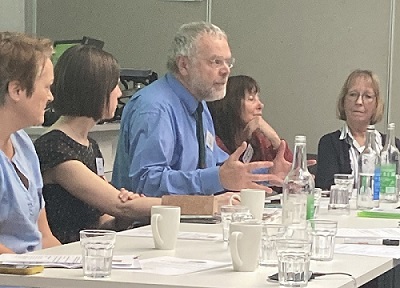
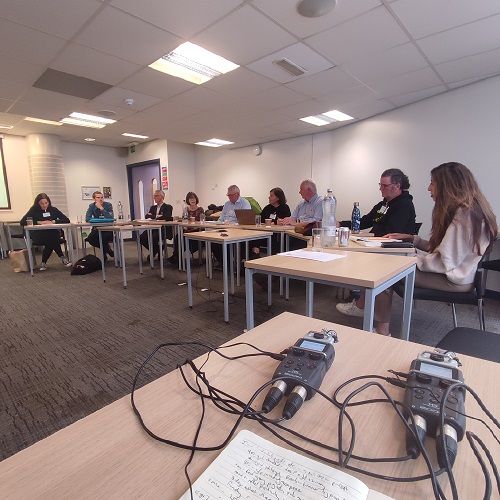
Whilst much of the Oral History of the Environmental Movement (OHEM) project is focused on life history interviews with individuals, we were aware from the start that it would be important to bring people together in small groups to discuss key aspects of the movement’s history in more depth.
Through a series of ‘Witness Seminars’, we have explored building green infrastructure, how the environmental movement has influenced UK policy and legislation, and the history of the movement in Scotland, Wales and Northern Ireland. These seminars have allowed us to bring together people working in a specific area to reflect on how they helped create change, key achievements, and lessons learned, helping to build a more detailed picture of the history of the movement as a whole.
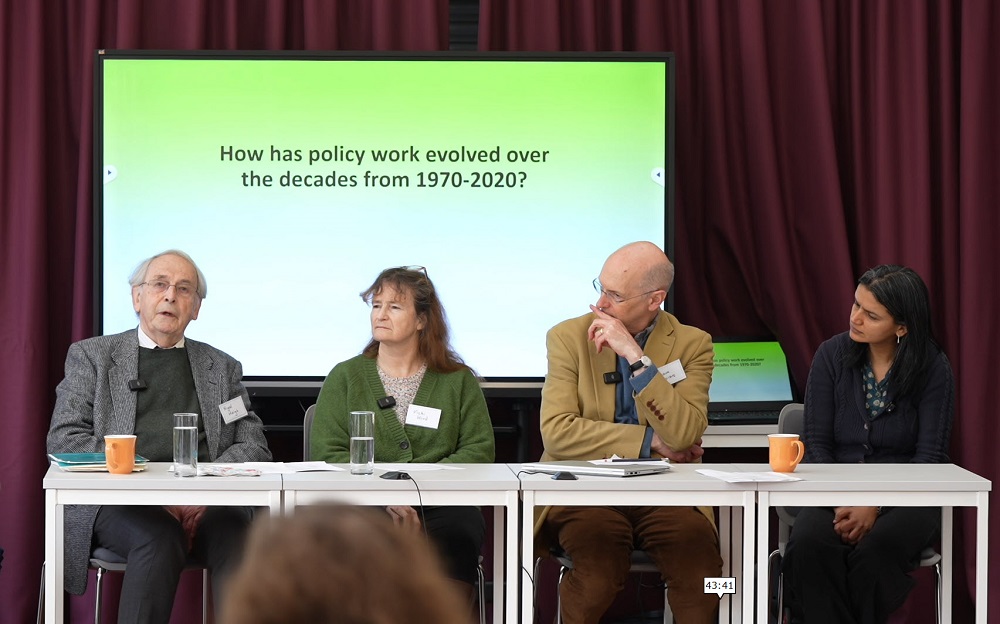
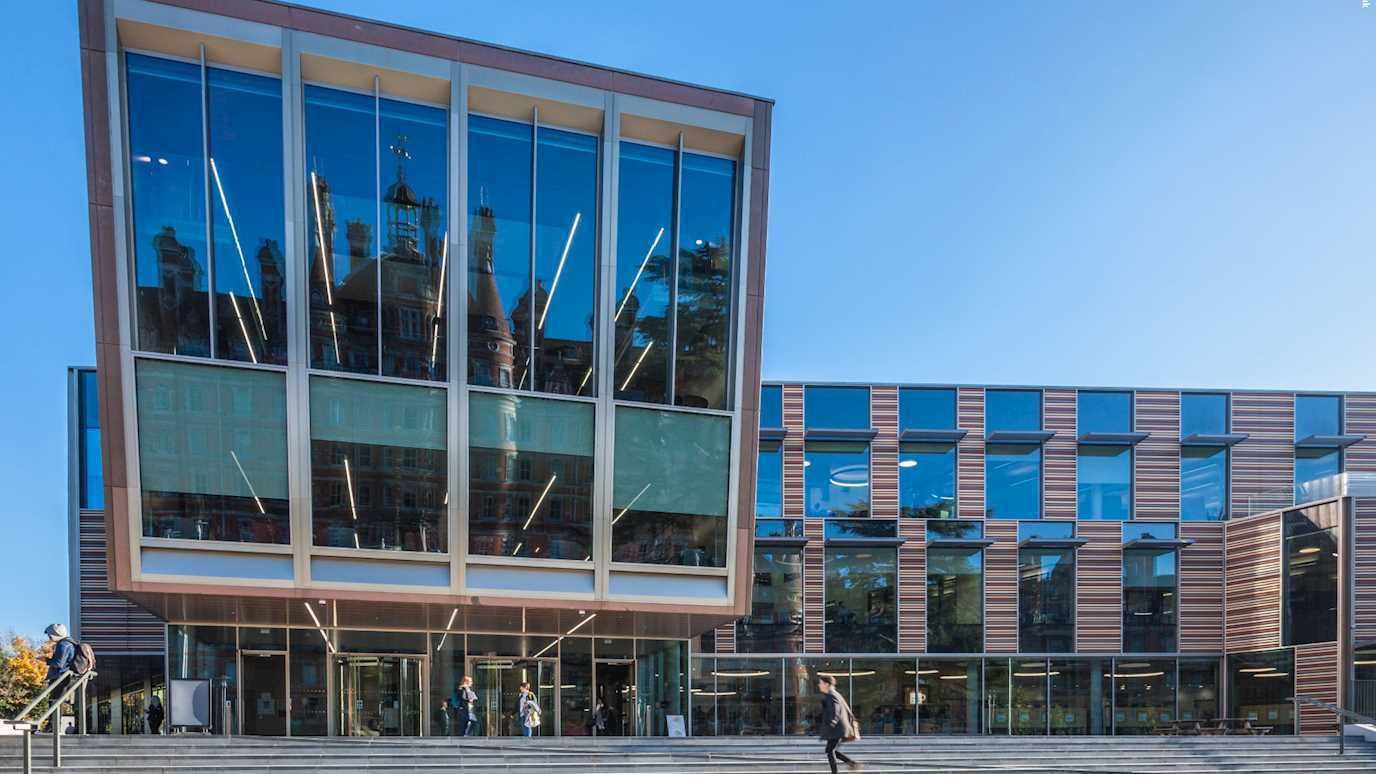
On 20 March 2025, we met at the Welsh School of Architecture in Cardiff to discuss the development of the environmental movement in Wales, bringing together a small number of people who have played key roles over the past 50 years.
The topics covered in the seminar were designed to help explore the unique context of the environmental movement in Wales. Participants shared their views and experiences on a wide range of issues, from the importance of Welsh history, culture, language and landscapes, to the development of the Wellbeing of Future Generations Act.
The impacts of devolution on environmental policy and action were discussed, with the panel looking at the benefits as well as some of the main challenges in working with Welsh Government, the Senedd, and local authorities, and reflecting on differences between Wales and elsewhere in the UK.
The panel also examined the impact of Brexit on the development and enforcement of environmental policy and legislation in Wales, and highlighted the continued importance of international agreements.
Participants had worked across a variety of issues over a number of decades, including nature conservation and regeneration, food and farming, community development, climate change, and campaigns against open cast coal mining. This allowed the seminar to explore a wide range of sectors, such as agriculture, transport, energy and waste, within the broader context of the need for urgent action on climate change, nature protection and community wellbeing.
Among the key achievements highlighted were campaigns against coal mines and incinerators, influencing transport policy, supporting the development of community energy projects, helping shape Wales’s world-leading approach to waste and recycling, and the campaign for a GM-free Wales.
Underlying all of this, participants highlighted the importance of working with others in broad coalitions, and of working with communities to co-create change from the ground up.
The environmental movement’s pivotal role in the development of the Wellbeing of Future Generations Act, in which several seminar participants were directly involved, was a key area for discussion. Panellists shared insights into how the legislation was developed, its key aims, impacts, and where they thought it could be improved or used more effectively. They offered important lessons for countries around the world that are looking to this pioneering legislation as a model for how to embed sustainability and wellbeing into decision-making processes, reminding us of the United Nations’ response to the Act: “What Wales does today, the world will do tomorrow.”
Alongside highlighting key achievements and lessons learned over the past 50 years, the panel looked to the future, discussing what needs to happen now to urgently address the continuing loss of nature and escalating climate impacts, both within Wales itself and in the messages that Wales can take to the world through bold, pioneering approaches.
We hope that the transcript of the seminar will add to understanding of the processes of change and the pivotal role of the environmental movement in helping to work towards a Wales where nature and communities can thrive together.
Our thanks to all of the participants and Professor Juliet Davies and the Welsh School of Architecture, Cardiff University for hosting the Witness Seminar.
Witness Seminar: transcript of proceedings
Dr Toby Butler is Principal Investigator and Reader with the OHEM project.
Catriona Toms has been involved with the environmental movement for over 20 years and is providing project support.