Lowering the voting age to 16 across the UK is a welcome policy intervention to the declining participation of young people in elections, but is that enough to engage the youth voice.
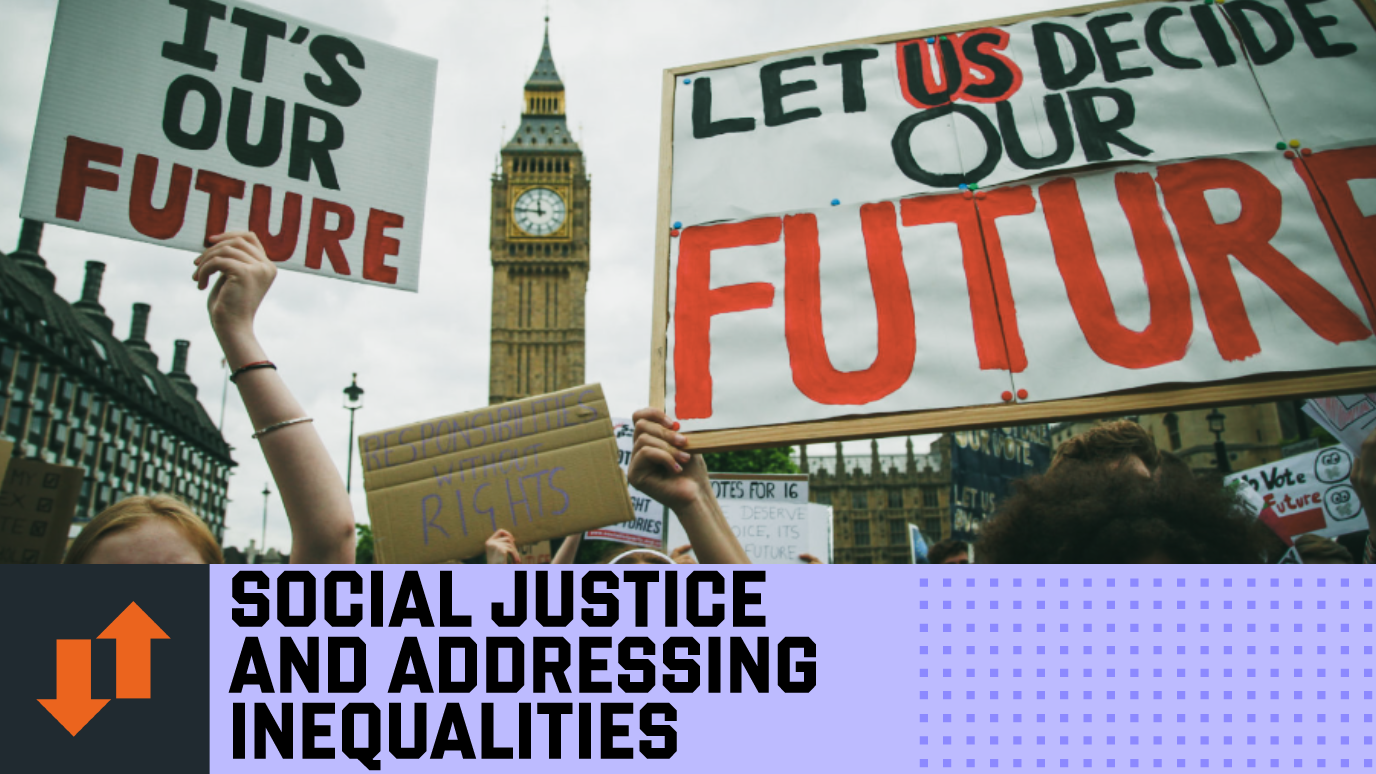
Why would young people vote when they feel ignored?
The UK’s decision to introduce votes at 16 reflects a growing recognition that young people must play a more central role in democratic life. But according to Professor James Sloam, an expert on youth, sustainability and democracy, lowering the voting age is only the first step. He believes that encouraging genuine engagement in politics by young people is key, and this requires political parties to demonstrate that youth perspectives matter.
“Votes at 16 is a very small part of the solution,” he explains. “You’ve got to give young people a reason to vote rather than just giving them permission to vote.”
Professor Sloam has spent years collaborating with government departments, local authorities and youth organisations and he understands the issue runs deeper than voting age. He believes that rebuilding trust between young people and political parties is essential. While many young people care deeply about issues such as inequality, climate change and community safety, they often feel overlooked or dismissed by those in power. This sense of exclusion has contributed to declining trust, low political engagement and the rise of populism.
This challenge is particularly acute among young people from marginalised backgrounds and much of his research focuses on ensuring that their voices are not just heard but embedded in the policy process. His recent research shows that ‘turning youth voice into public policy’ can lead to significant social, democratic and economic benefits for young people and their communities.
Beyond the ballot box
For votes at 16 to succeed, Professor Sloam stresses that young people must be given skills and opportunities to participate meaningfully. “Research shows that voting is habit-forming: what young people do at their first election strongly influences how they continue voting throughout their lives. Giving them the vote at 16, while they are still in school and in a stable environment, creates a far stronger foundation for lifelong democratic engagement than waiting until 18, when many are moving home, changing colleges or beginning work.”
Alongside votes at 16, the government recently launched their first National Youth Strategy in over 20 years, after decades of severe cuts to youth services with many communities left without youth centres or support structures. Professor Sloam’s research has become central to supporting this strategy, working with multiple government departments and third-sector organisations to help ensure youth voice is embedded throughout.
“Overall, it's about empowering the voices of marginalised youth in British democracy.”
Citizenship education
Citizenship education focuses on democracy, law and justice and is a crucial component of making votes at 16 effective. Yet despite being on the national curriculum it is often poorly implemented. Teachers receive limited training, Ofsted does not consistently inspect its delivery, and many pupils leave school with little understanding of how the political system works or how they can influence it.
Professor Sloam’s work demonstrates the powerful impact that citizenship education can have, particularly for young people from disadvantaged backgrounds. Without it, lowering the voting age risks widening inequality: those who already feel confident and supported will participate, while those who do not will continue to be left behind.
He emphasises that “it’s more than just a subject - it’s core to what schools should actually be doing to prepare students for active roles in society.”
Effective citizenship education:
- builds political confidence
- strengthens media literacy
- helps young people identify misinformation
- equips them to challenge populism
- empowers marginalised youth to understand their rights and influence
Citizenship education has a massive impact – it gives young people the confidence and skills to say: I can make a difference.
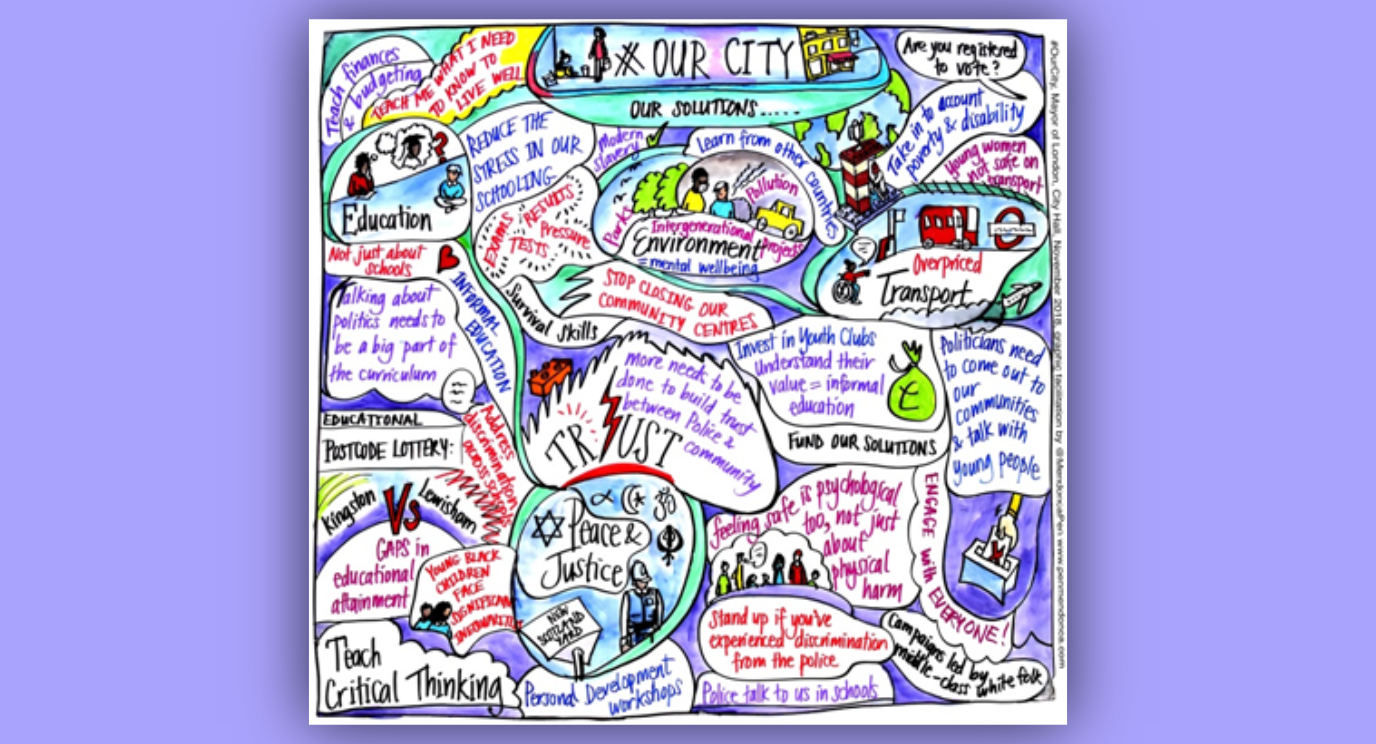
Our city - our solutions - youth poster

Building democracy from grassroots
Professor Sloam is committed to strengthening engagement between young people and local politicians and policymakers between elections. Encouraging politicians to involve local youths at the start of their campaigns and policy process helps ensure they feel heard and meaningfully involved.
Many councils run youth councils, but these are often “tokenistic” and engage the same few confident young people rather than representing the diversity of local youth. Policymakers often engage late, sometimes weeks before announcing a policy, simply to tick a consultation box.
Working with the Greater London Authority and major youth-sector partners, Professor Sloam has developed practical frameworks that show politicians and policymakers how to work with young people throughout the policy cycle and not just at the end. These frameworks emphasise early consultation, long-term collaboration and recognising the lived experiences of marginalised youth.
When young people help shape solutions to issues like knife crime, public safety or local housing, policies are more effective, better targeted and public money is spent more effectively.
You can't build good policy without speaking to the young people it will affect.
Intergenerational fairness and rebuilding trust
Professor Sloam highlights how policies in recent decades have disproportionately favoured older generations, from the triple lock on pensions to the rise in university tuition fees and the long term implications of Brexit, and three-quarters of young people said they wanted to stay in the EU. We also have the oldest democracy that we’ve ever had. Young people see these disparities and feel that their interests are consistently deprioritised, further eroding trust in political institutions.
Re-engaging young people, he argues, is not just beneficial for democracy today, it is essential for building forward looking public policy. When youth perspectives shape decisions, governments naturally adopt a longer term view, thinking in terms of 10-20 years rather than short political cycles.
Daring more democracy
Professor Sloam often references a phrase he borrowed from a former West German Chancellor: “dare more democracy.” It encapsulates the need for politicians and policymakers to relax their control and involve young people at much earlier stages of decision-making.
“Young people are more interested in issues than political parties,” he states, “and meaningful engagement between elections is essential for rebuilding trust and participation.”
Rejuvenating democracy means daring more democracy.
Empowering the next generation
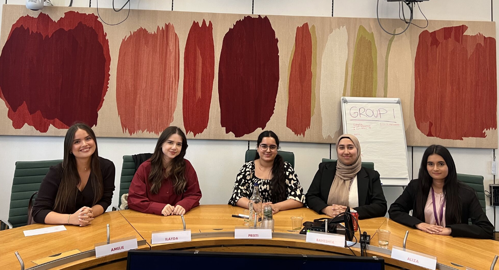
At Royal Holloway, Professor Sloam runs a parliamentary placement programme for students from marginalised and minoritised backgrounds, giving them first hand experience of political life and encouraging them to see themselves as future leaders, policymakers and changemakers.
We’re passionate about getting our students involved in politics, especially those from groups that don’t always have their voices heard.
Return to our Research in Focus page to uncover more exciting research happening at Royal Holloway, University of London.
Research in focus