As quantum computers develop, today’s security won’t be enough. Royal Holloway researchers are part of the global effort creating the next generation tools that will keep our digital information safe.

Whether you realise it or not, you use cryptography every day. From communicating with your bank online, to shopping for the latest deals, to checking your medical records. Behind the words, texts and images we see when using these secure sites lies a web of complex mathematics, creating the algorithms and encryptions we rely on daily for that security. If you spot the little padlock symbol in your address bar then cryptography is at work, keeping your data safe.
But cryptography is at a turning point. With the development of quantum computers, the mathematical problems that cryptography relies on to encrypt data can in theory be quickly solved, threatening to expose all our data to anyone who wants to look.
“It’s quite a concerning possibility. If an adversary - someone wanting to break the system – had a quantum computer, they would be able to easily break the public key cryptography that's used today.”
Fortunately, alongside the development of quantum systems, work has been underway to develop the cryptographic techniques that will keep our data safe in the post-quantum world. In universities, private enterprises and public organisations, researchers have been hard at work imagining, investigating and refining the maths and solutions that will make this happen.
Today, Royal Holloway academics are part of this international effort. They include Dr Rachel Player, researching what’s known as lattice-based cryptography and homomorphic encryption.
What is cryptography?
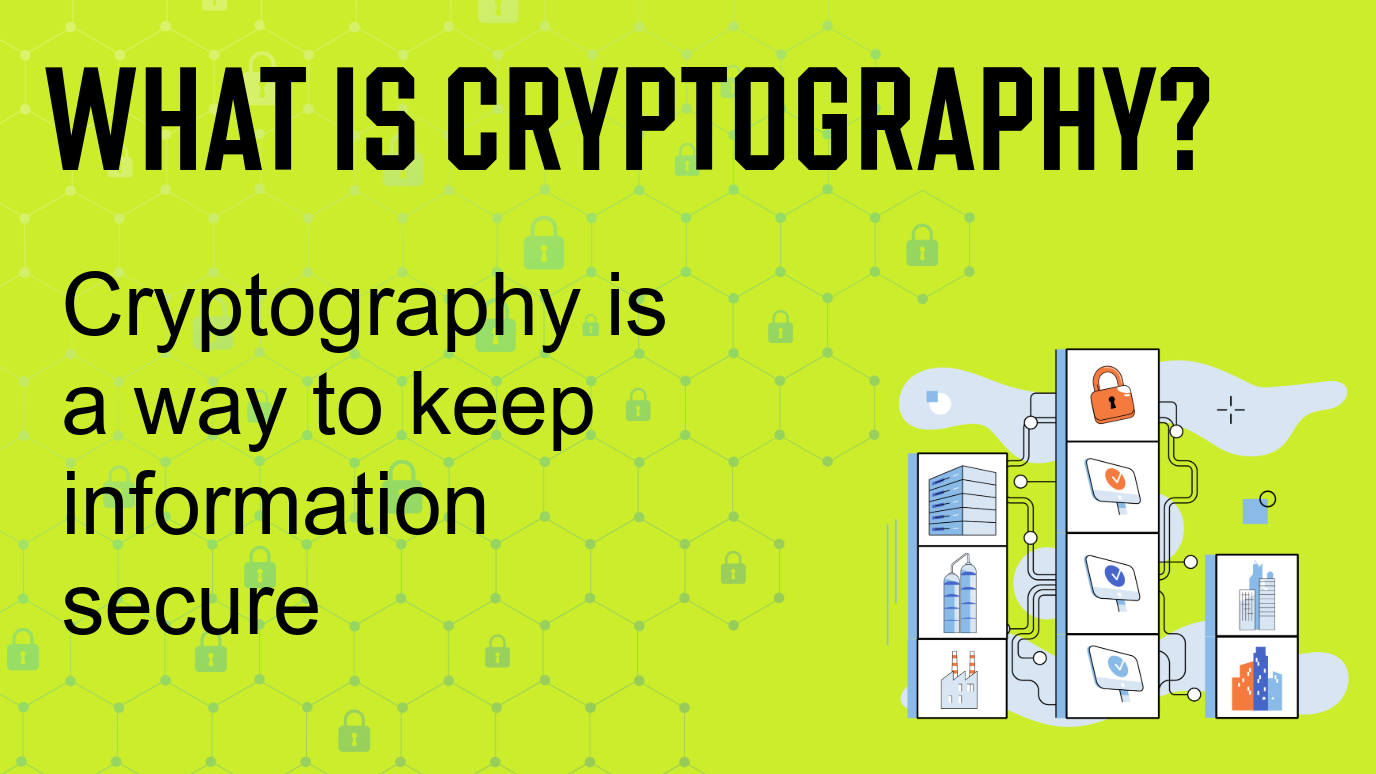
- Cryptography is a way to keep information secure
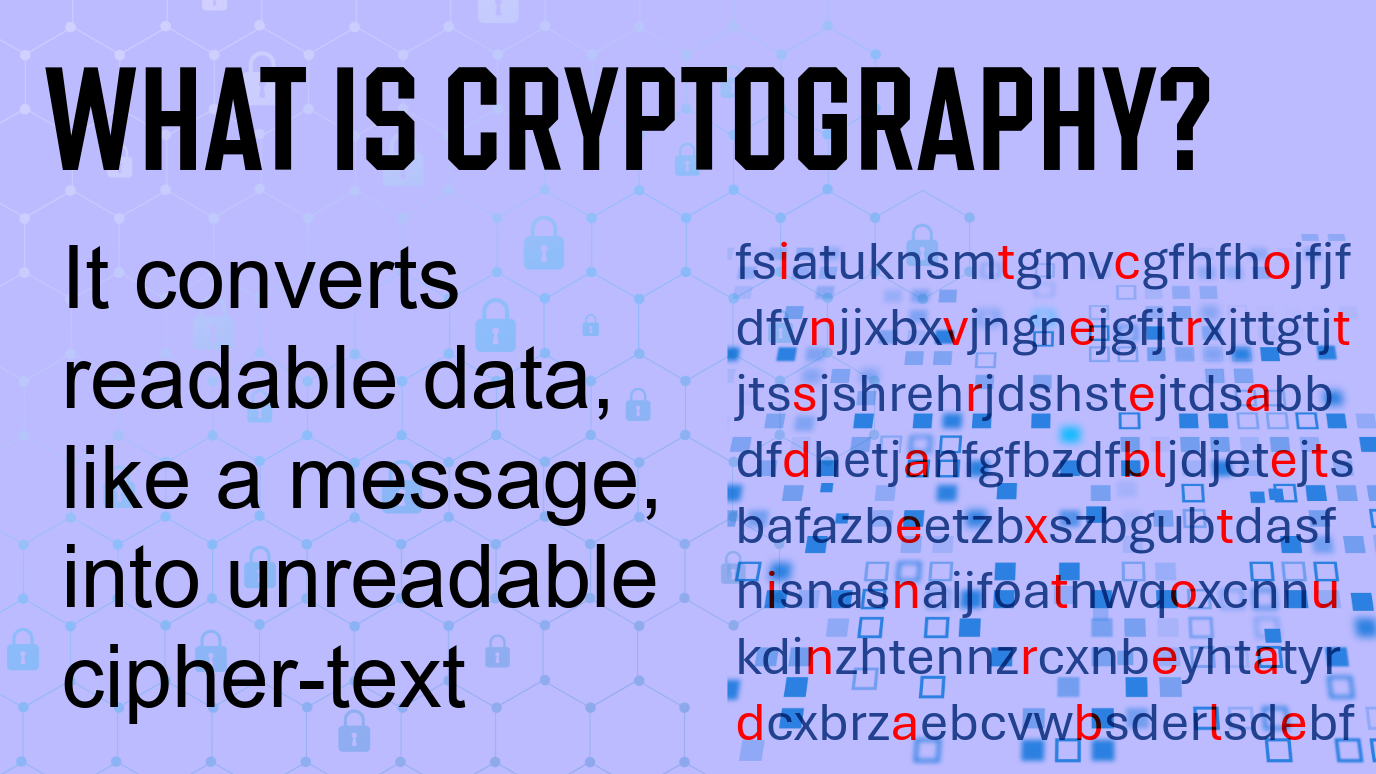
- It converts readable data, like a message, into unreadable ciphertext
- A ‘key’ is required to unscramble the message before it can be read
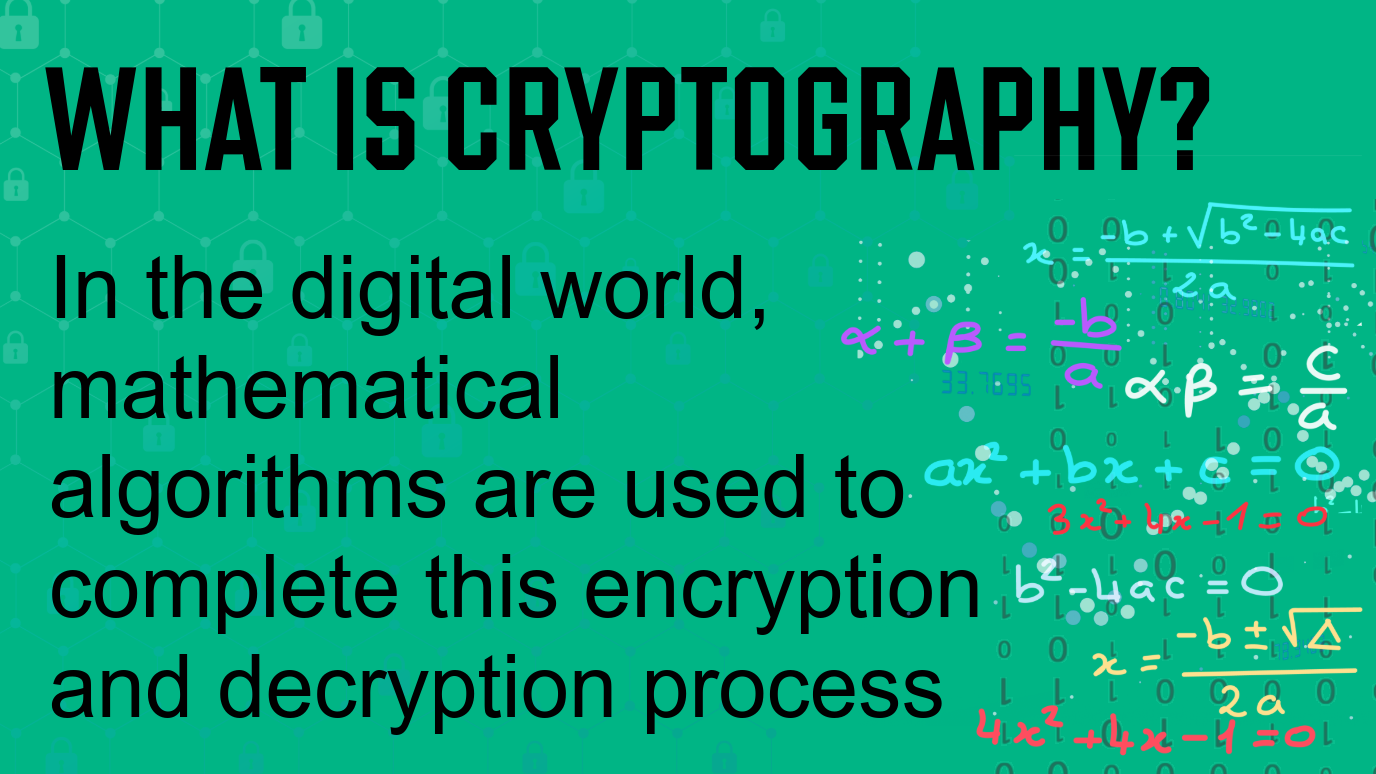
- In the digital world, mathematical algorithms are used to complete this encryption and decryption process
Preparing for the post-quantum world
Because cryptography relies on mathematical problems that are hard for a conventional computer to solve, it has kept data secure. For example, if a number is large, trying to break it down into its prime factors would take even the most powerful computer millions of years to complete. But that could be set to change if large-scale quantum computers achieve practical usage.
To prepare for this, the international community have been working towards establishing new standardised systems for post-quantum cryptography. These would provide the framework for the security to protect the digital quantum world of the future.
“There's been an international effort to standardise so-called post-quantum cryptography, which is based on new assumptions that should be secure – or we believe them to be secure - even in the presence of quantum computers,” explains Rachel.
Last year, the US National Institute of Standards and Technology (NIST) announced the first formal standards for post-quantum cryptography. These have now become the global standards, and include schemes based on Rachel’s specialism – lattice-based cryptography (LBC).
What is lattice-based cryptography (LBC)?
- Uses a different form of mathematics, based on lattices to produce cryptographic algorithms,
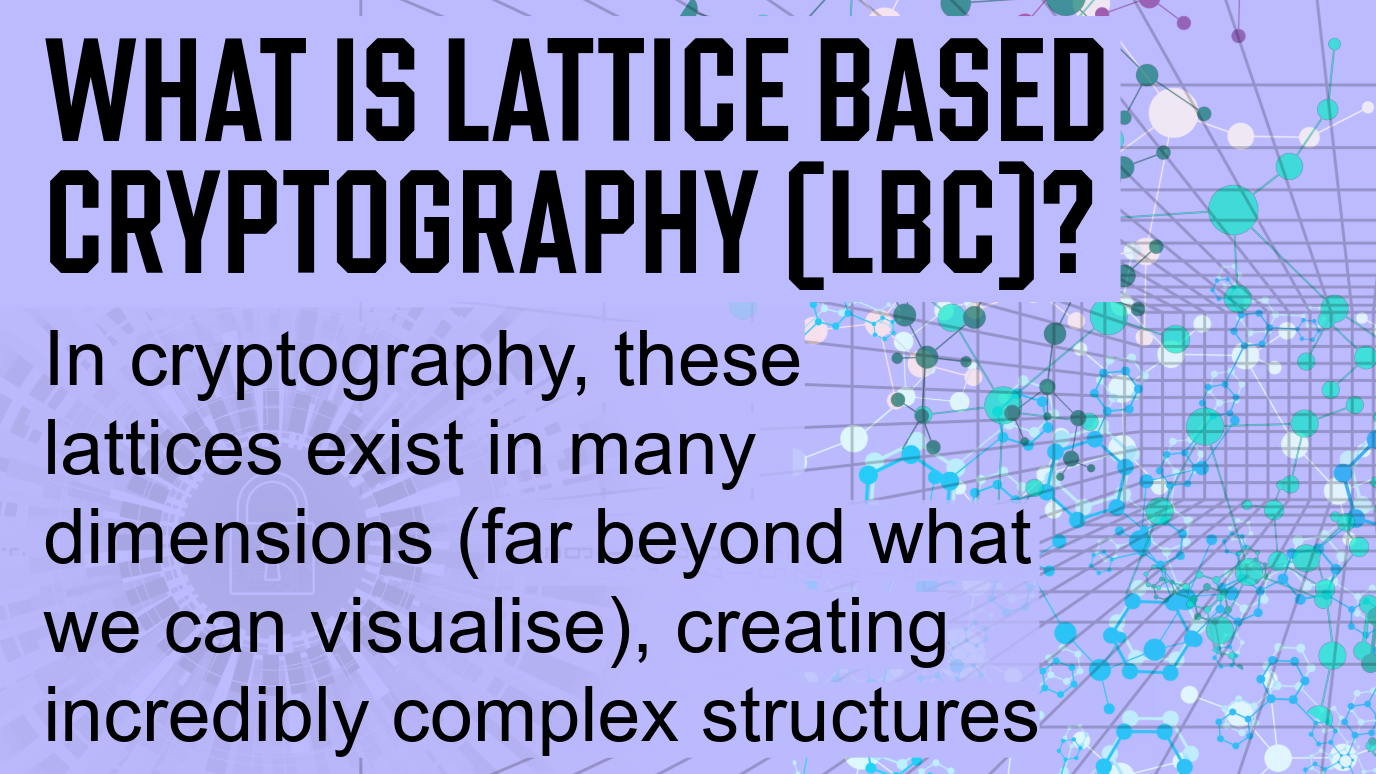
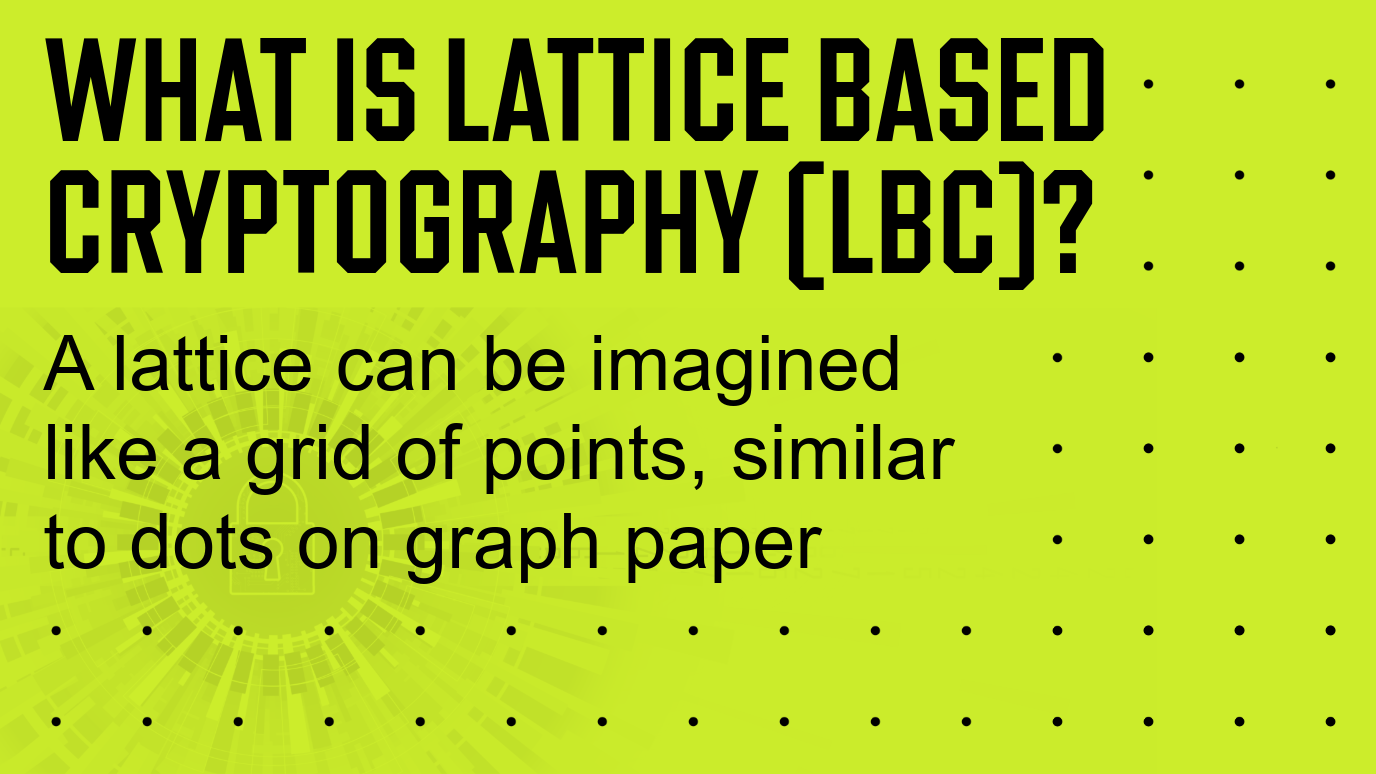
- A lattice can be imagined like a grid of points, similar to dots on graph paper,
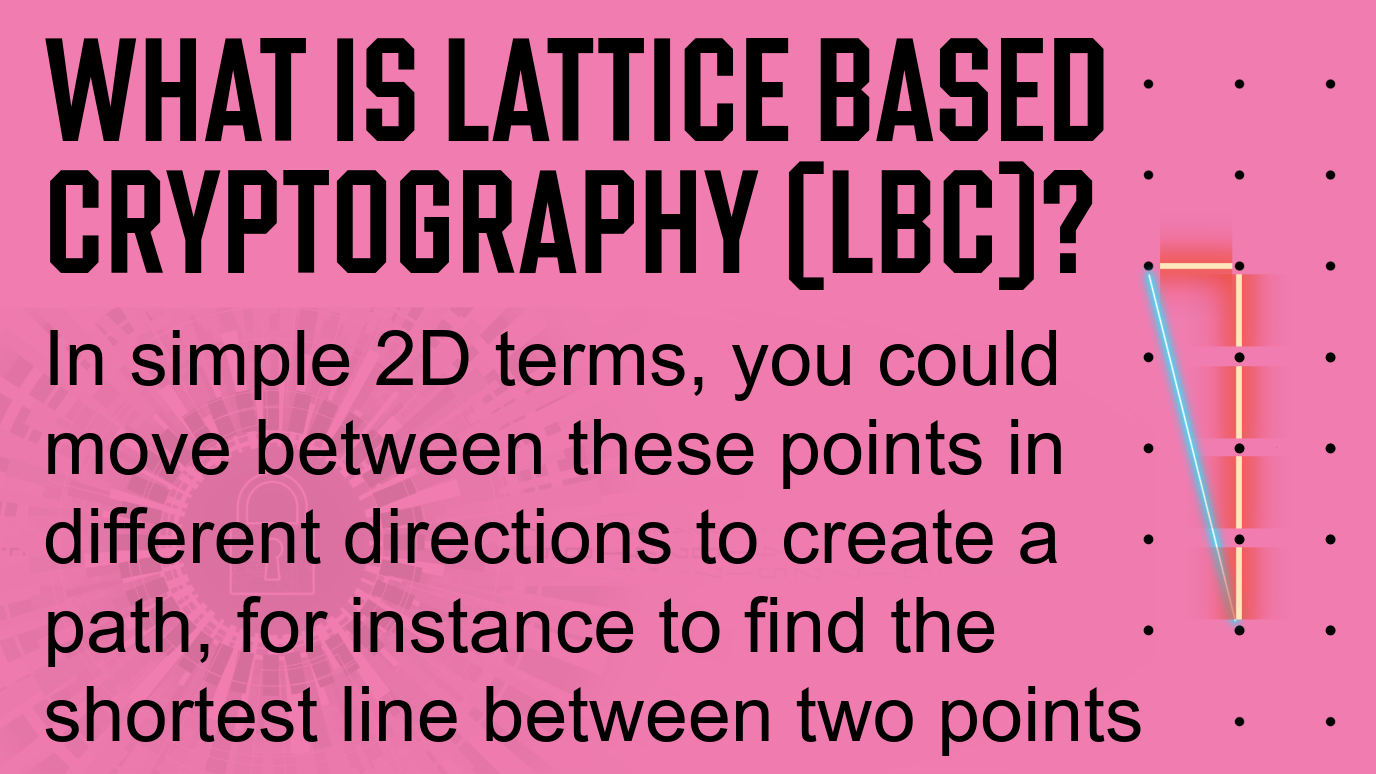
- In simple 2D terms, you could move between these points in different directions to create a path, for instance to find the shortest line between two points,
- In cryptography, these lattices exist in many dimensions (far beyond what we can visualise), creating incredibly complex structures,
- These structures are easy to work with if you have the correct ‘key’, but extremely difficult to navigate without it.
Developing the Lattice Estimator Tool
During her PhD Rachel co-developed the Lattice Estimator with Martin R Albrecht and Sam Scott, also researchers at Royal Holloway at the time. This is a fundamental tool in the field of cryptography for working with lattice-based systems. With the advent of post-quantum cryptography standards, it is set to have an even greater impact than it has already.
The tool was developed to answer a quite simple question: “if I were an adversary how would I set about trying to break these systems and how long would it take me?” It does this by estimating how much computer power and time an attack like this would take. “Ideally, you want the estimate to return something like, longer than any universe’s lifetime,” she says. Before the Lattice Estimator tool was developed, there was no easy way for researchers and organisations to assess how secure their systems were. Since its development, it has become the most widely used tool for this task.
This work has already had enormous impact globally. Cloudflare, a major internet provider, has already instituted lattice-based algorithms, making around 60% of their internet communications post-quantum ready. Every one of those operations depends on reliable security estimates, supported by tools like the one Rachel built.
“The lattice estimator is probably the most impactful research I've ever done and has probably impacted billions of people, because everyone uses the internet every day.”
A shift in focus
From analysing cryptographic systems and trying to break them, Rachel’s research has now moved towards creating new, more advanced tools.
She is looking into the practicalities of homomorphic encryption (HE), the processing of encrypted data without decrypting it first. In simple terms it means sensitive information, like medical records, could be analysed without anyone being able to read the raw data. The result could then be decrypted by the person with the ‘key’ – the patient themselves. For medical data this has the potential to improve diagnosis, accelerate research and contribute to new cures. And that’s just one industry where it could be applied.
What is homomorphic encryption (HE)?
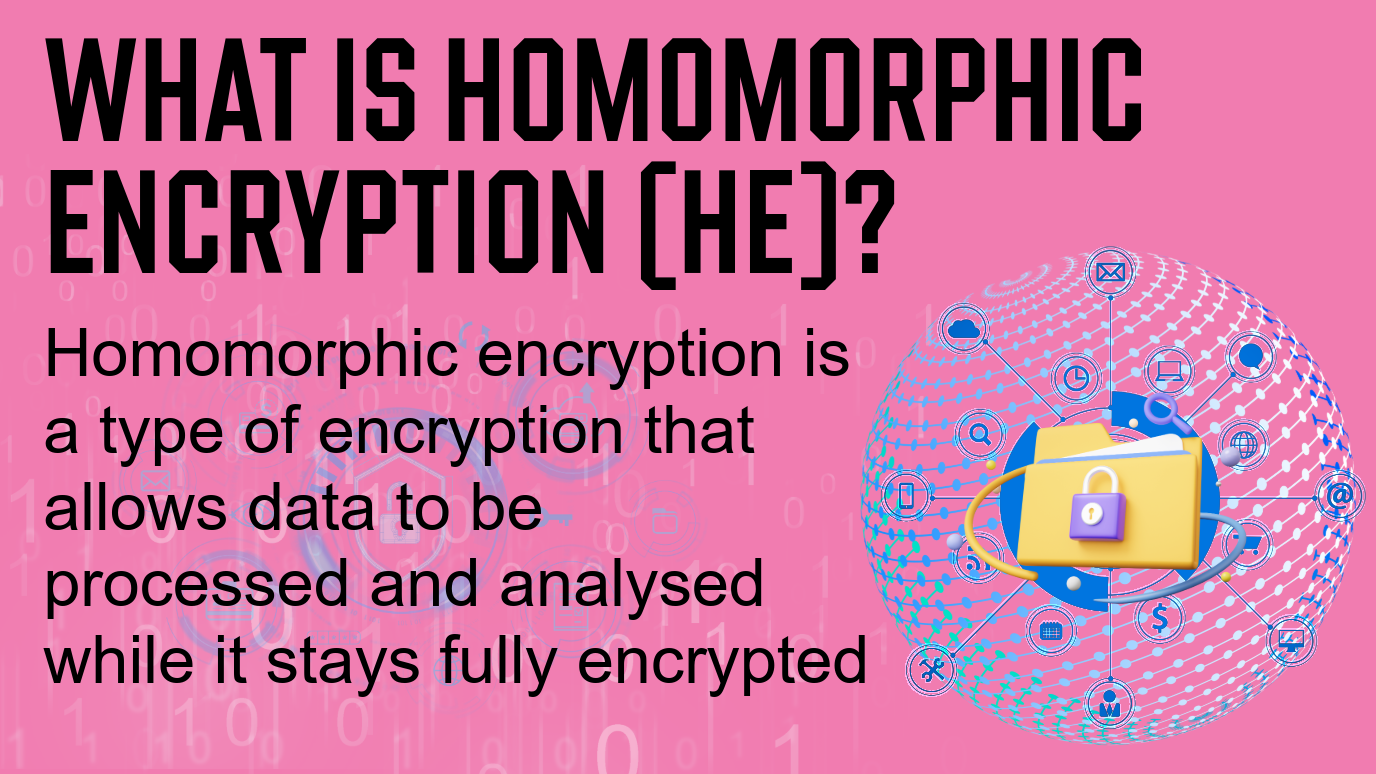
- Homomorphic encryption is a type of encryption that allows data to be processed and analysed while it stays fully encrypted,
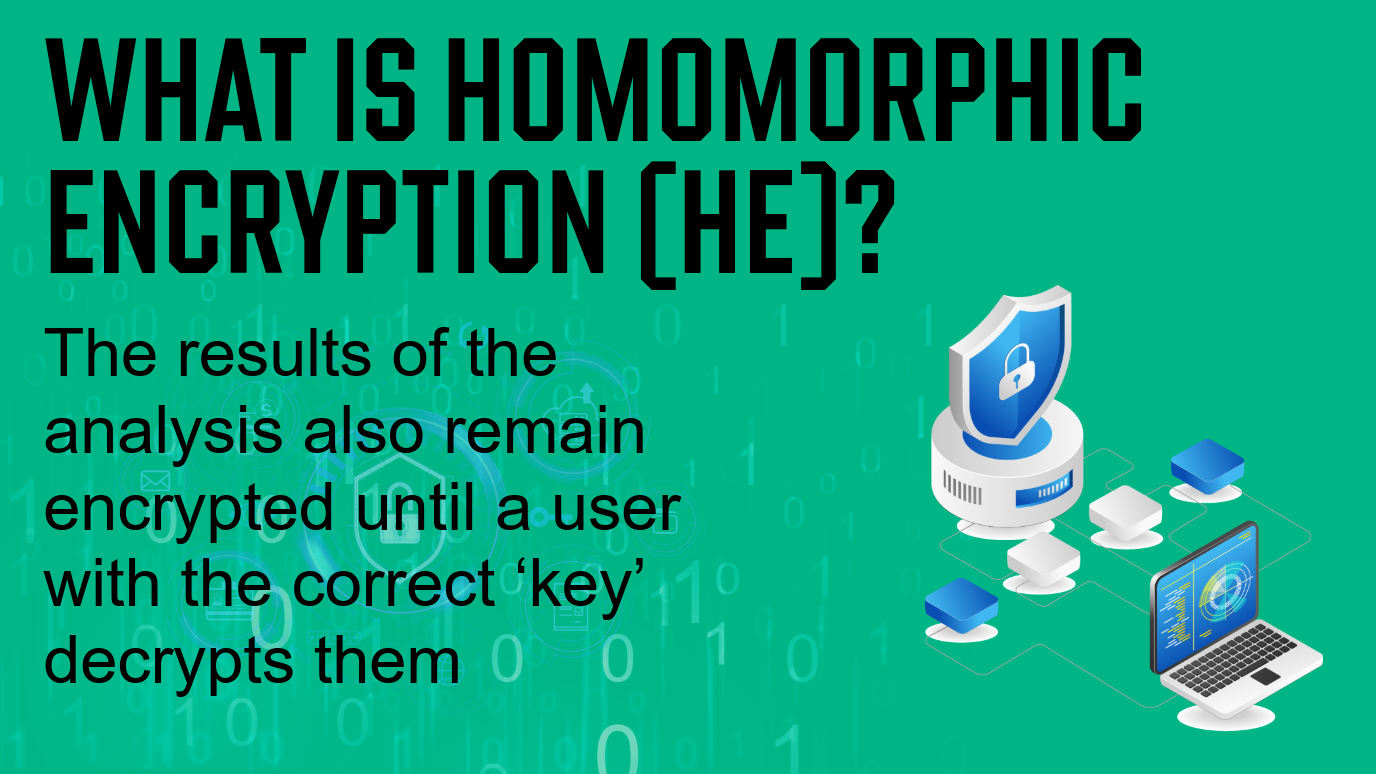
- The results of the analysis also remain encrypted until a user with the correct ‘key’ decrypts them,
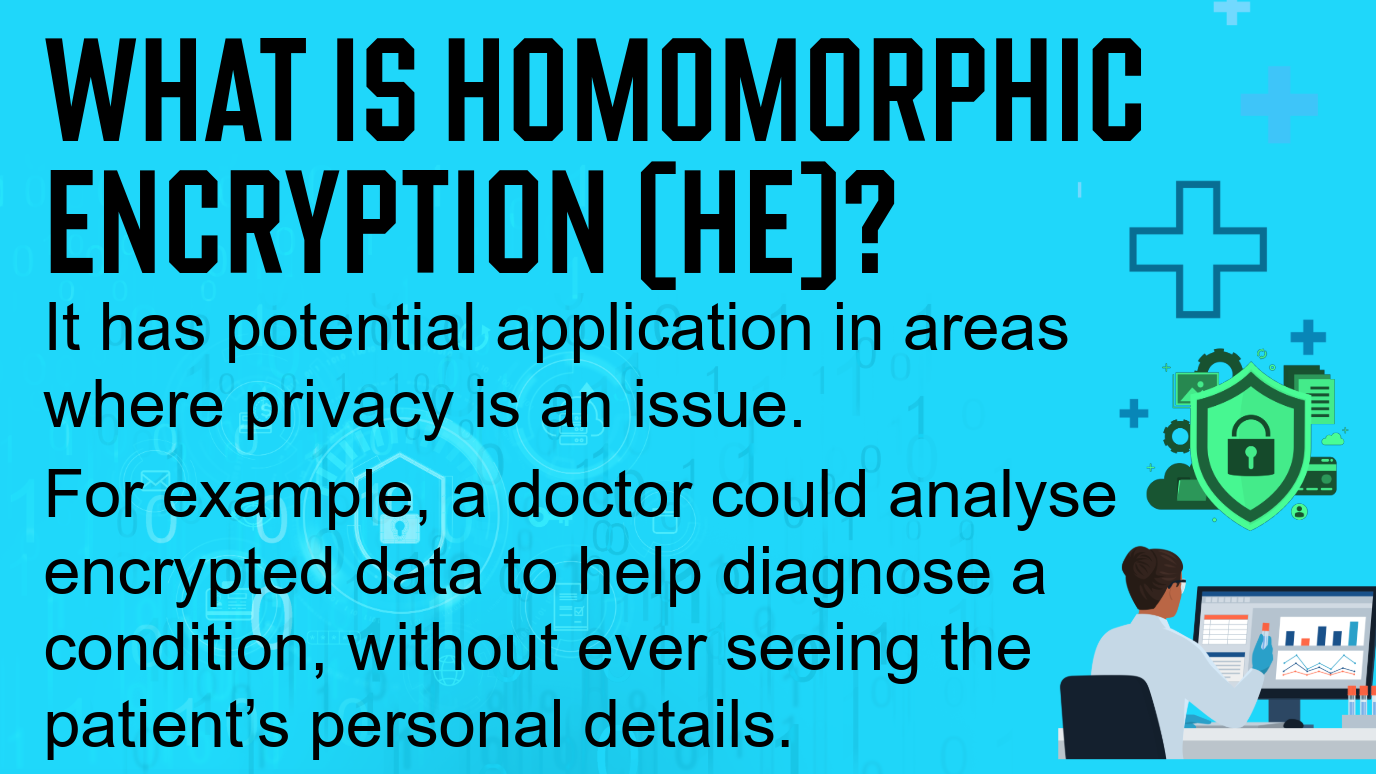
- It has potential application in areas where privacy is an issue. For example, a doctor could analyse encrypted data to help diagnose a condition, without ever seeing the patient’s personal details.
- At the moment, HE is about 100,000 times slower than analysing unencrypted data, but researchers are working to change that.
The challenge of HE
Currently this process is incredibly slow – it’s around 100,000 times longer than analysis of unencrypted data - and has several other issues mathematicians are trying to solve. One of these is noise analysis, where the extra text added to scramble and hide the original message also increases in scale with the calculations. If this grows too large, the encrypted data becomes unusable and cannot be decrypted correctly. Rachel and her co-authors, including many from Royal Holloway, have modelled how that expands and how controls can be put in place, so the data remains both secure and practical to use.
“Normally, encrypted data just looks like scrambled nonsense and if you try to process it, you just create more nonsense. But homomorphic encryption has a nice mathematical property where you can create new ciphertext from encrypted data, but this product can still be decrypted to provide the accurate answer.”
International standards are now being developed for fully homomorphic encryption (FHE). Rachel’s work, through an important co-authored paper and the Lattice Estimator tool, has already been cited in the draft standards issued by the International Organization for Standardization (ISO) and the International Electrotechnical Commission (IEC). This means the same tools shaping the post-quantum lattice standards could also guide how FHE is used worldwide, having an impact on everyone with internet access. If included in the final standards, the Lattice Estimator is set to play another key role in ensuring a stronger, more secure digital future.
Looking ahead
For Rachel, seeing organisations using the tool she developed has been gratifying and she is excited for the future of her research. She’s particularly excited about the current developments in homomorphic encryption.
“It’s pretty cool to be working in this field at a time when we’re going from theory into practice. We’re at a really exciting point, where start-ups will deliver real services that can help customers preserve their privacy while still allowing them to get useful insights from their data.”
She values being able to work in an academic environment, pursuing the questions she’s most curious about and fostering a research community supporting PhD students. She’s also interested in where her research can be integrated to provide solutions to real-world problems. Through collaborations with industry partners, she is keen to see her research play a growing role in tackling practical challenges and have real-world impact.

Discover more about Rachel's research on her homepage.
Dr Rachel Player
Return to our Research in Focus page to uncover more exciting research happening at Royal Holloway, University of London.
Research in Focus homepage