With the release of a new video series, Research Matters, showcasing several impactful research stories, we spoke with Professor Ruth Livesey, Pro-Vice-Chancellor (Research and Innovation), about what she feels makes Royal Holloway research special.
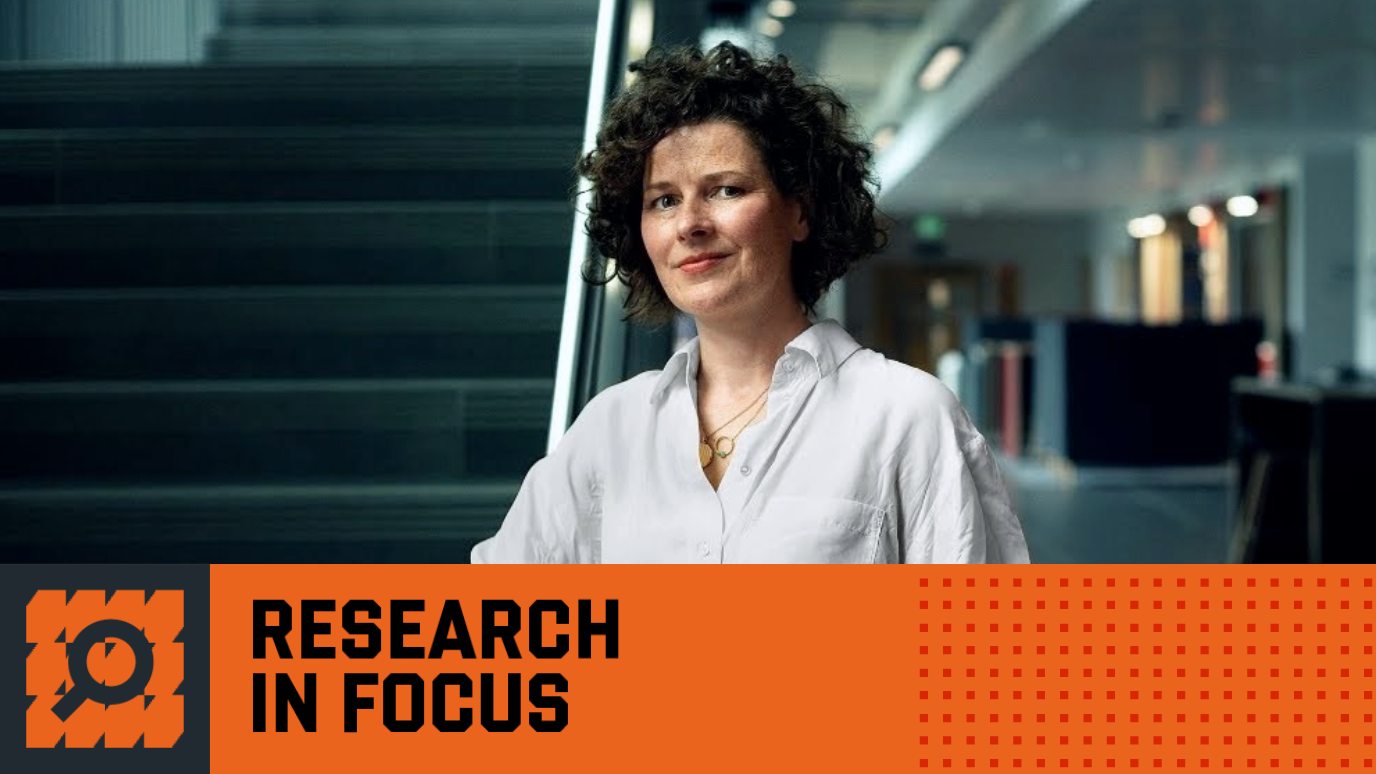
Professor Ruth Livesey
What does research here stand for, and what is at the heart of it for you?
I think we have this amazing legacy of colleagues who’ve been empowered to do research that is curious, that is daring, that enables them to look beyond the needs of right now and to what the world might need in the future.
Many colleagues feel motivated to show how what they do in terms of research, whether that's in the sciences, social science, the arts, or the humanities, can help people and communities in need right now, locally, nationally and globally.
We use our size to our advantage too; small to medium. We’re of a size where we can think about all the different disciplines and topics that are affecting our world right now, yet also compact enough to encourage and facilitate collaboration across departments, sharing perspectives, skillsets and more. It’s so exciting to see colleagues coming together from all parts of the University to interrogate and address the big issues.
We talk about being a University of Social Purpose. What does that mean in terms of our research?
Social purpose is partly to do with the subject of our research. Whether we’re researching adaptations to climate change in underserved communities, looking at biodiversity and the conservation of insect populations, or addressing content moderation on social media and fixing the problems algorithms create for democracy, we focus on projects which make a positive difference and ensure our planet is a place where we can all thrive.
There’s also an element of social purpose about how we conduct that research. It’s about the teams we build, the opportunities we create for postdoctoral researchers, or for people on shorter term contracts looking to build their own careers. It’s about fairness and openness and working as a collective.
What are our areas of research strength?
We’ve identified these not only to serve as areas of research strength, but also to play a key role in how and what we deliver in terms of teaching and education. They’re part of who we are and what we’re committed to offer as a university, and they’re tailored to the real needs of the world and society right now.





What might surprise people about our research?
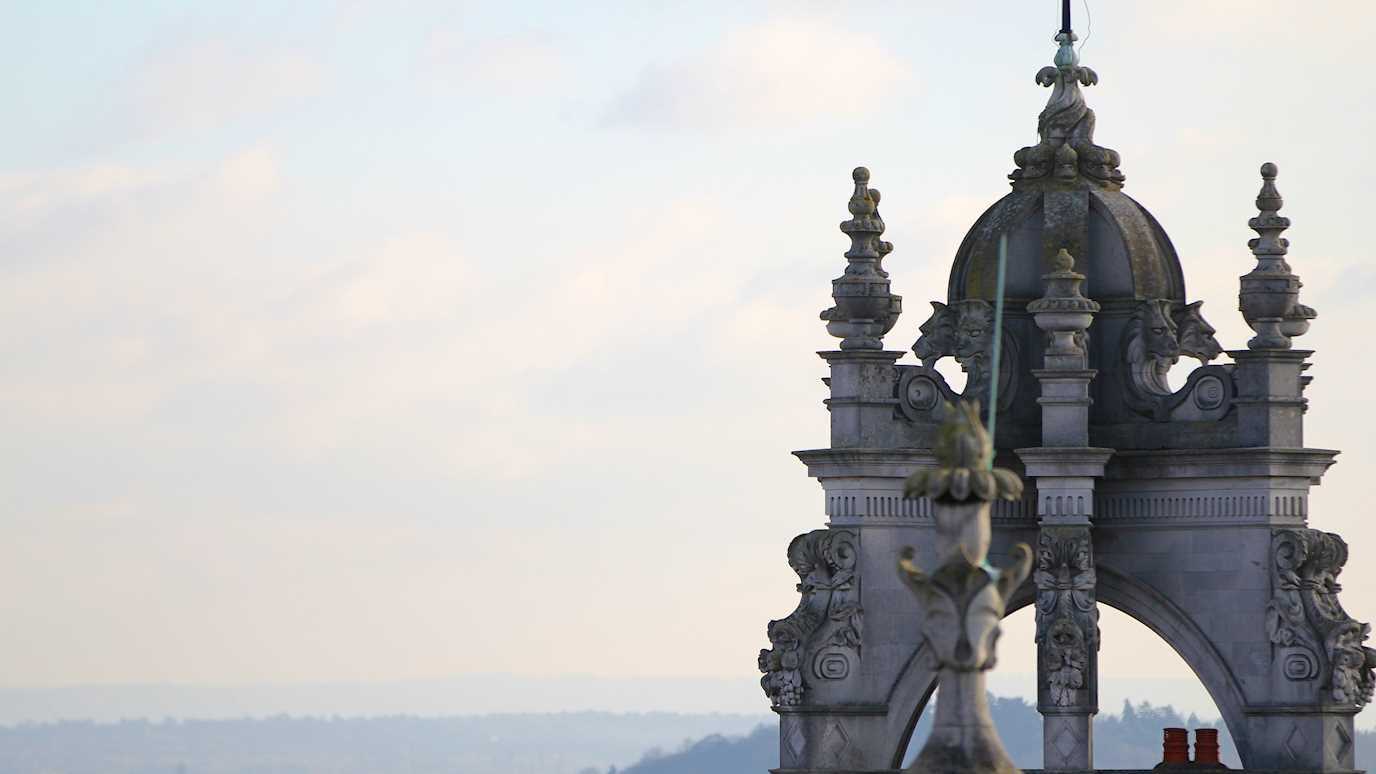
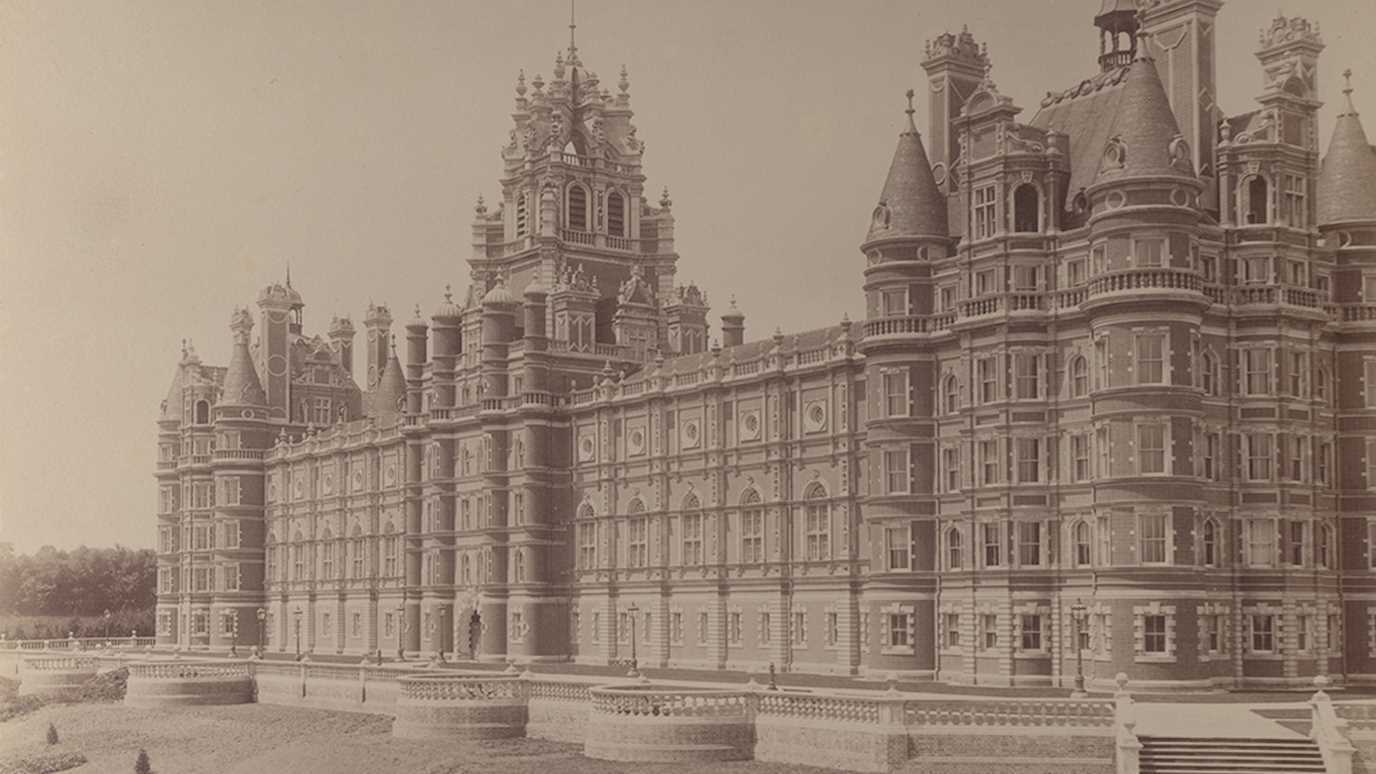
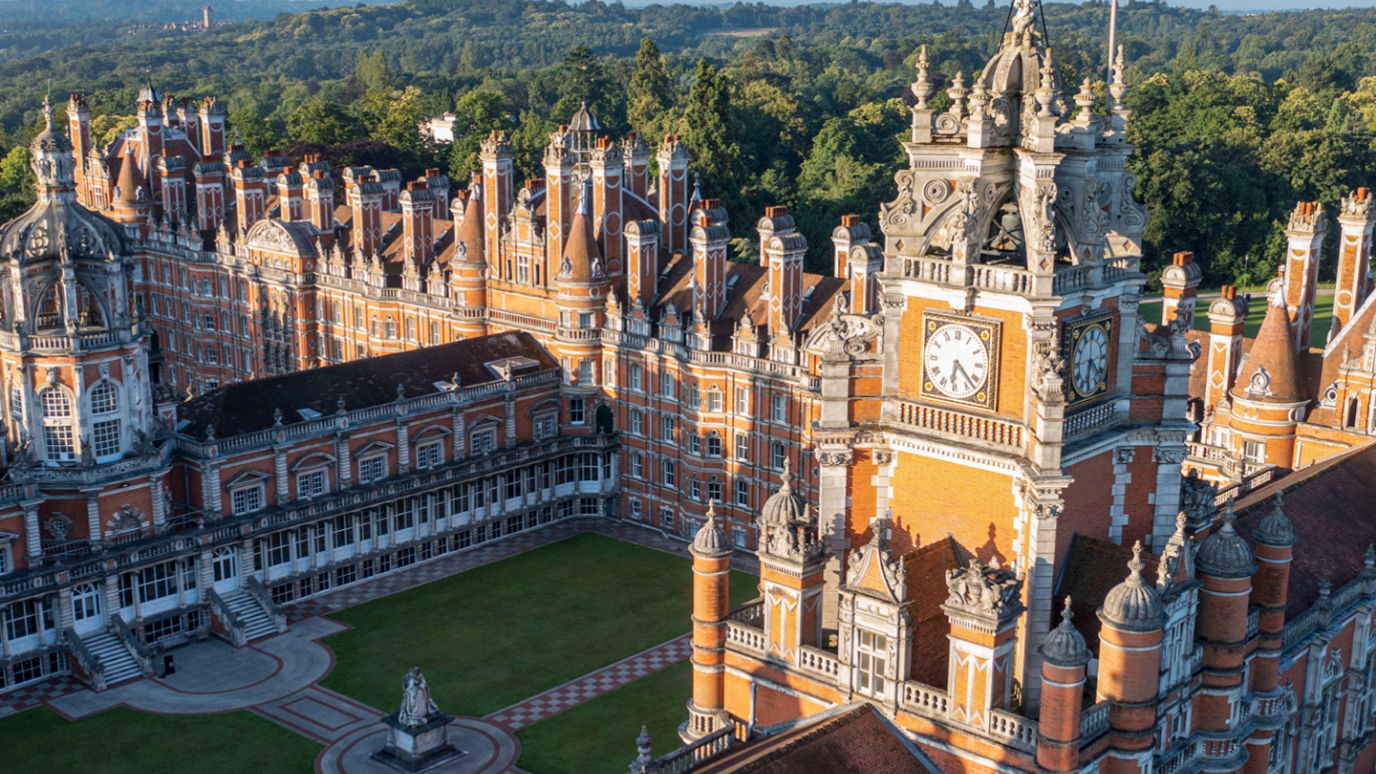
I guess it would be the contrast between our iconic campus and the forward-thinking work that goes on here. You see Founder’s building, and you might think we're all about the past. But there are spaces in this University where we're absolutely crafting the future and working with businesses locally and across the world to do that.
One of my favourite examples is our SuperFab nanofabrication lab. There we develop ground-breaking technologies and components for quantum computers. It's a leading clean room space for the UK.
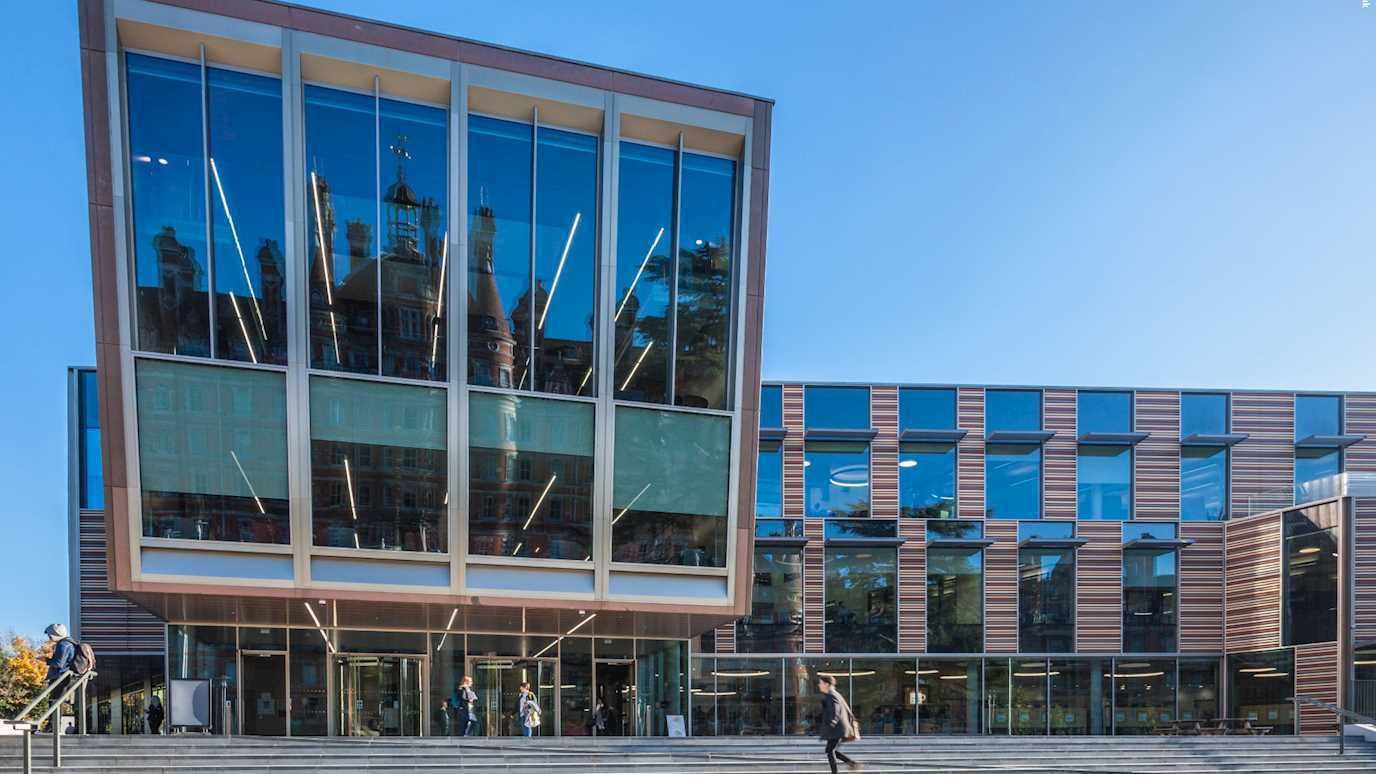
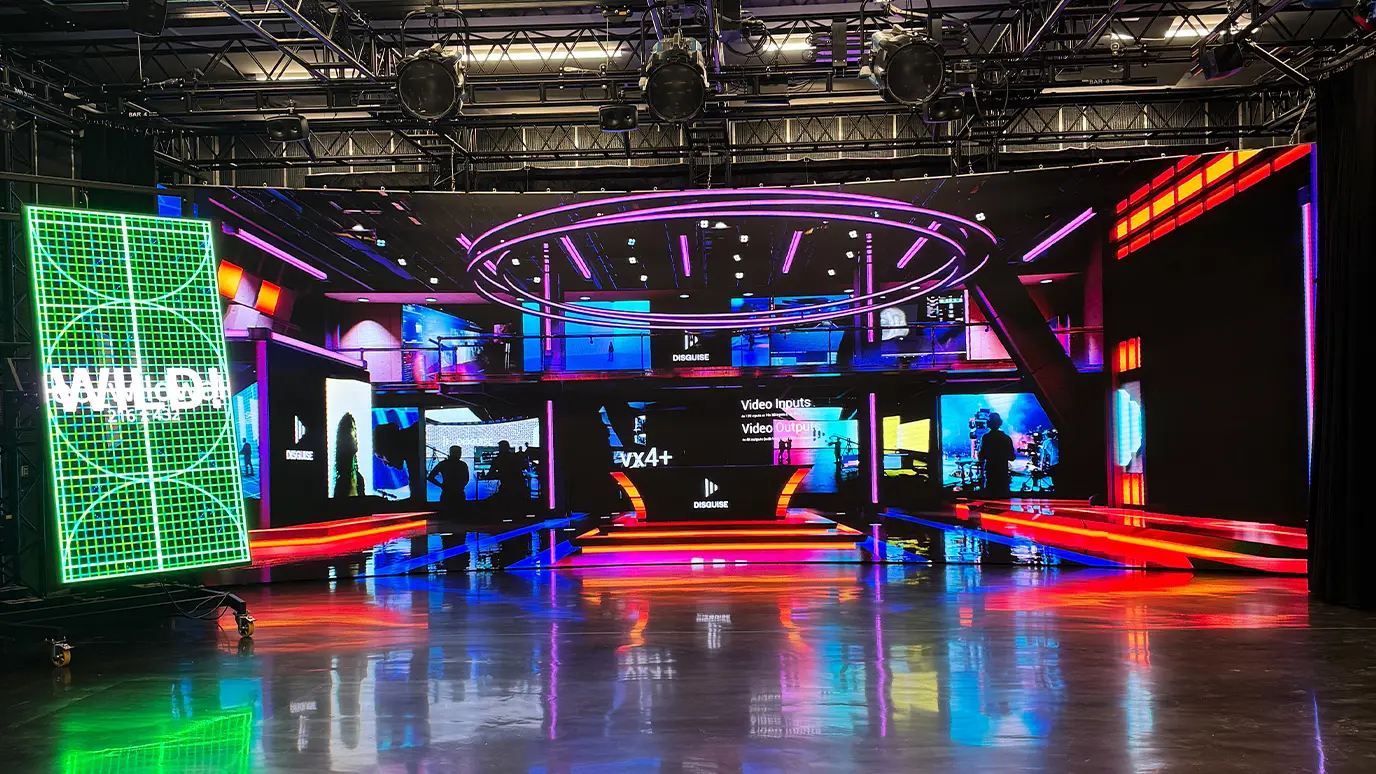
Another great example is our new Futures studio. It’s a space where, alongside organisations in media and creative technologies, we can experiment with innovative techniques of virtual production for computer games, films, TV and more.
We’ve got a beautiful red-brick centrepiece at the heart of Royal Holloway on our Egham campus, but our minds are truly on investing in the technological and cultural innovations of the future.

Superfab
What is the real-world impact of our research?
That's the thing that gets me out of bed in the morning; coming to work thinking this is our chance to make lives better at scale.
If I take the example of colleagues working in the field of education and literacy, for example, we've got some pioneering colleagues who have addressed the challenge of basic literacy rates around the world. We can increase global development and opportunities for people by teaching reading in a systematic way using the phonics approach. This is decades worth of research from colleagues in our Department of Psychology that is now coming to fruition. It takes a long time, often, and a lot of hope, trust, integrity and support, but we can move from research that appears seemingly abstract or curious to measurable results.
Another lovely example is our influence on museums. The design of museums has typically been predicated on visitors being fully sighted. Again, we have a brilliant research project running across humanities, which thinks about widening access and engagement in museum spaces for those who have visual impairments. The Sensational Museum is about creating experiences for people to equally share, appreciate and contribute to culture and heritage.
What are we building here for the next generation of researchers?
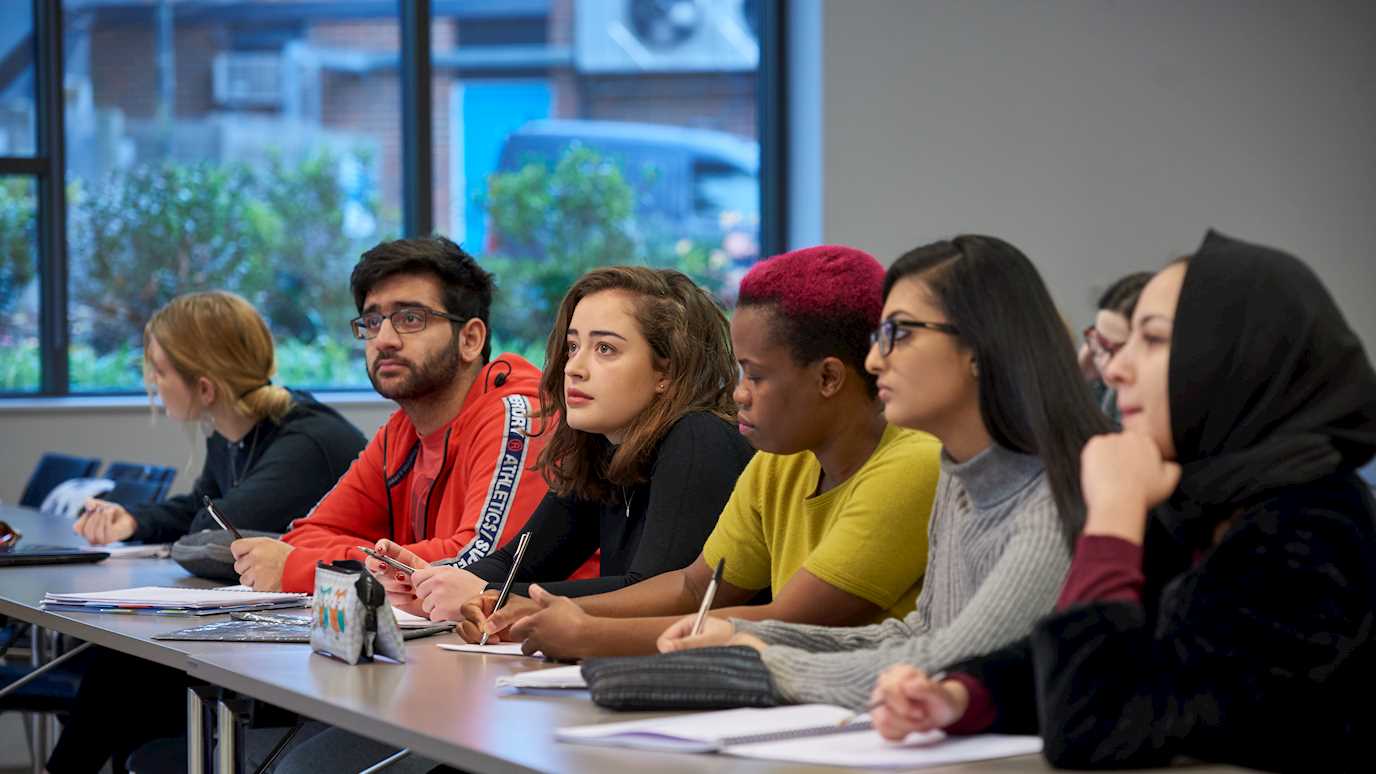
I think this is our chance as a university to be part of what's going to be a generational shift in research in the UK, so nothing seems more important now than when we create pathways for people to move through into research careers that are meaningful and purposeful. And we’re doing some interesting things to aid that.
We’ve created opportunities for undergraduate students to have paid placements working as research assistants with relatively early career members of staff across the University.
We also formed our Early Career Researcher Academy, which brings colleagues together in that crucial first seven years of their career to think about what they need as a community.
All of this is helping to support an inclusive and diverse research culture, which can only help us to find the best possible answers. A culture thrives when you encourage different points of view. That's what we're trying to create here.