History is more than just kings, queens and the elite. Discover how the Inclusive Histories project is uncovering overlooked stories and transforming the curriculum for GCSE History.
What do we mean when we talk about history?
In the school curriculum, history is usually taught as a series of significant events shaped by a small number of influential figures. It’s less 'everything that ever happened’ and more a curated narrative of the past designed to explain the present. It focuses on a narrow range of voices and experiences, which excludes many of the diverse communities and groups who shaped the society we live in today.
Making history relevant
In the UK, over 20% of the population are from a minority ethnic background, and nearly 25% of the school age population are from Black or global majority heritage. For students, there's a gap between what they learn in school and their lived experience.
Historian Dr Matthew Smith is leading a team who are addressing this gap, by rethinking how British history is taught at GCSE level. Inclusive Histories is a project that integrates those elements of history that have traditionally been marginalised — including Black British history, Queer and LGBTQ+ history, women’s history, and working-class history — not as optional add-ons, but as core parts of the story.
“Even today, the history taught at this level still focuses predominantly on the white male elite.
He goes on to explain: “Black British history, women’s history, LGBTQ+ history, and working-class history is often ‘siloed off’ into single chapters. We’re trying to integrate these historically marginalised voices in a way that doesn’t feel tokenistic. Inclusive Histories is restorative history, bringing into focus the stories of those whose voices have often been missing, but who have always been part of the story."
Uncovering forgotten stories
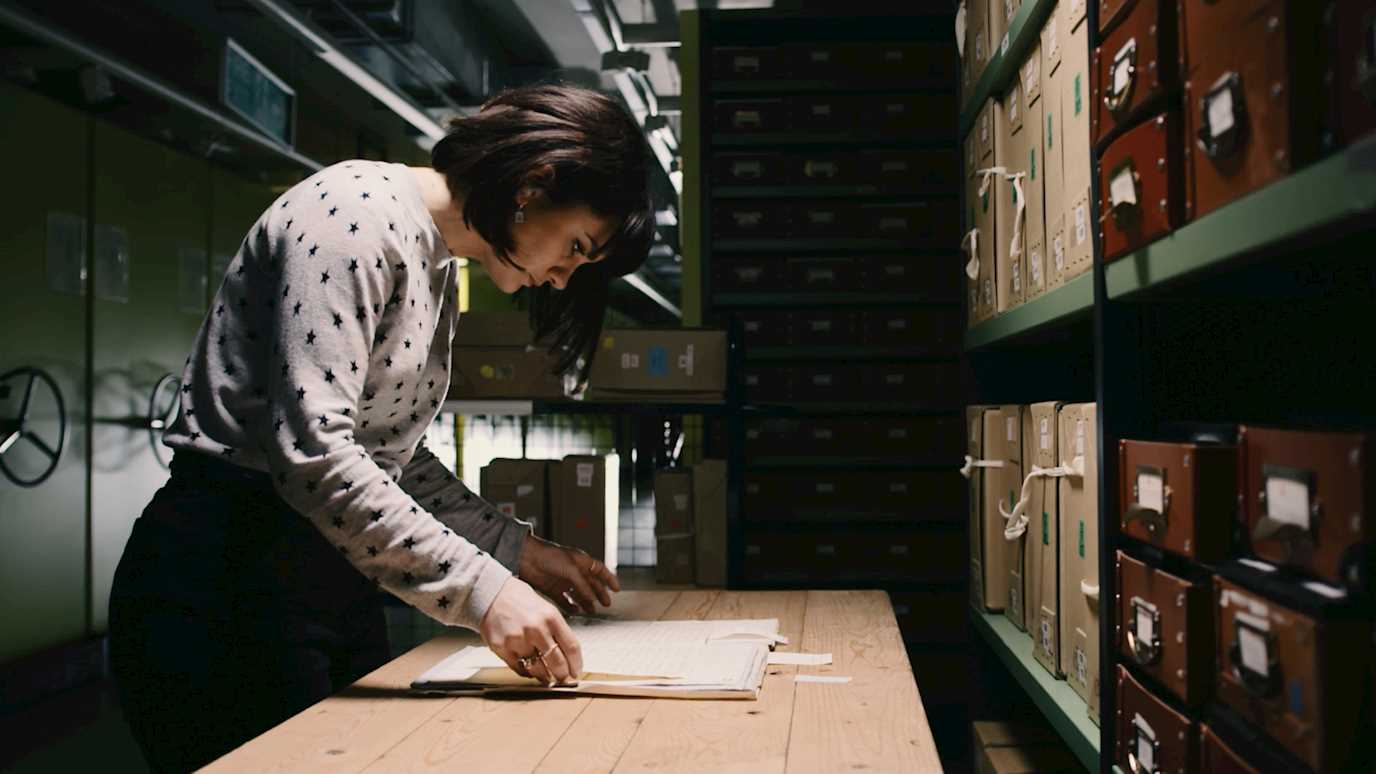
The project began in 2024 in collaboration with the exam board AQA, museums, archives, and independent researchers. They have been collecting important primary (first-hand) sources and curating them in a new online platform, ‘A People’s History.’ As well as amplifying the voices of minorities, the project involves researchers from those communities to help highlight the most important stories and perspectives.
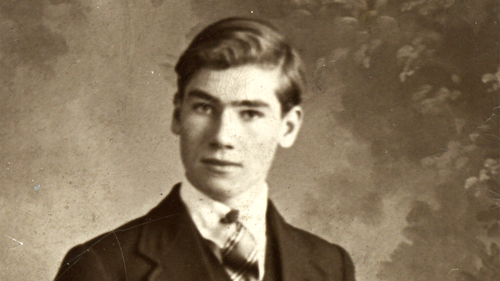
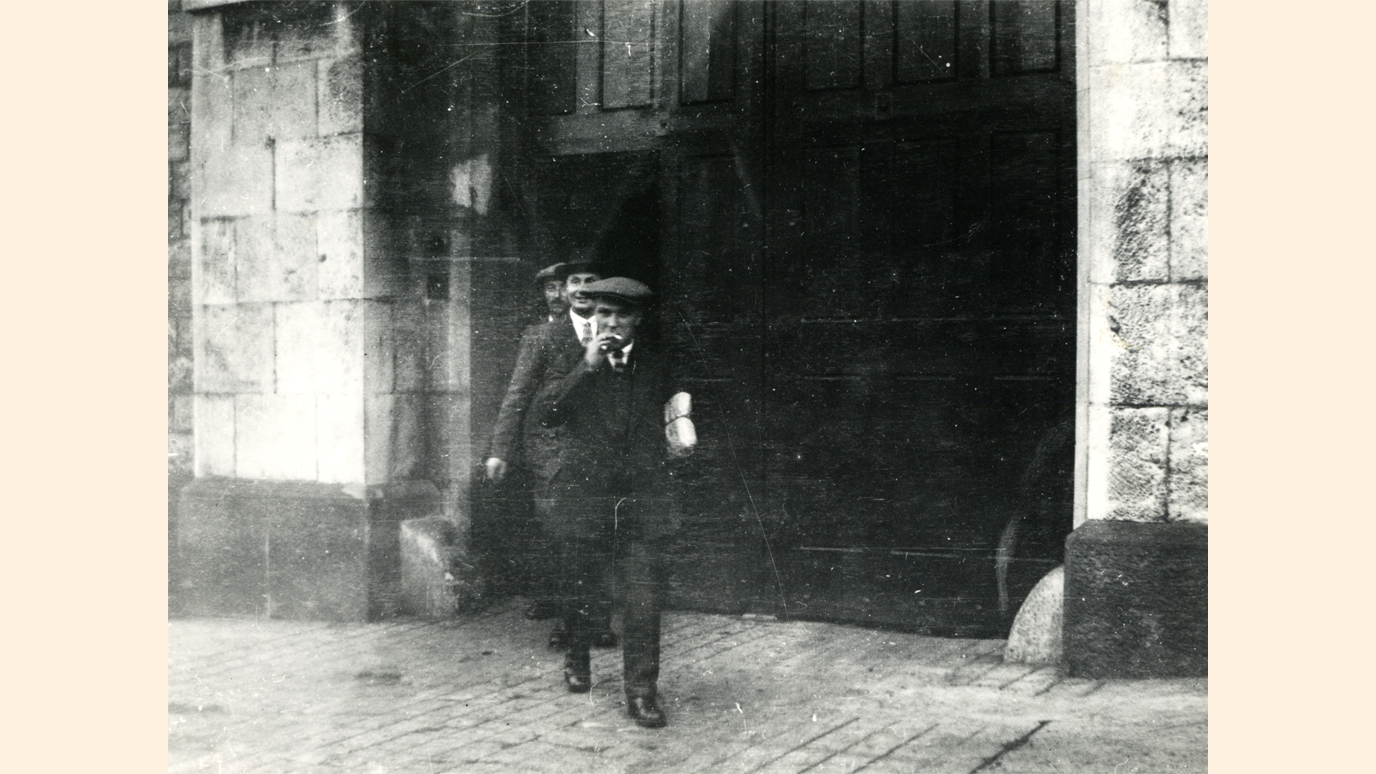
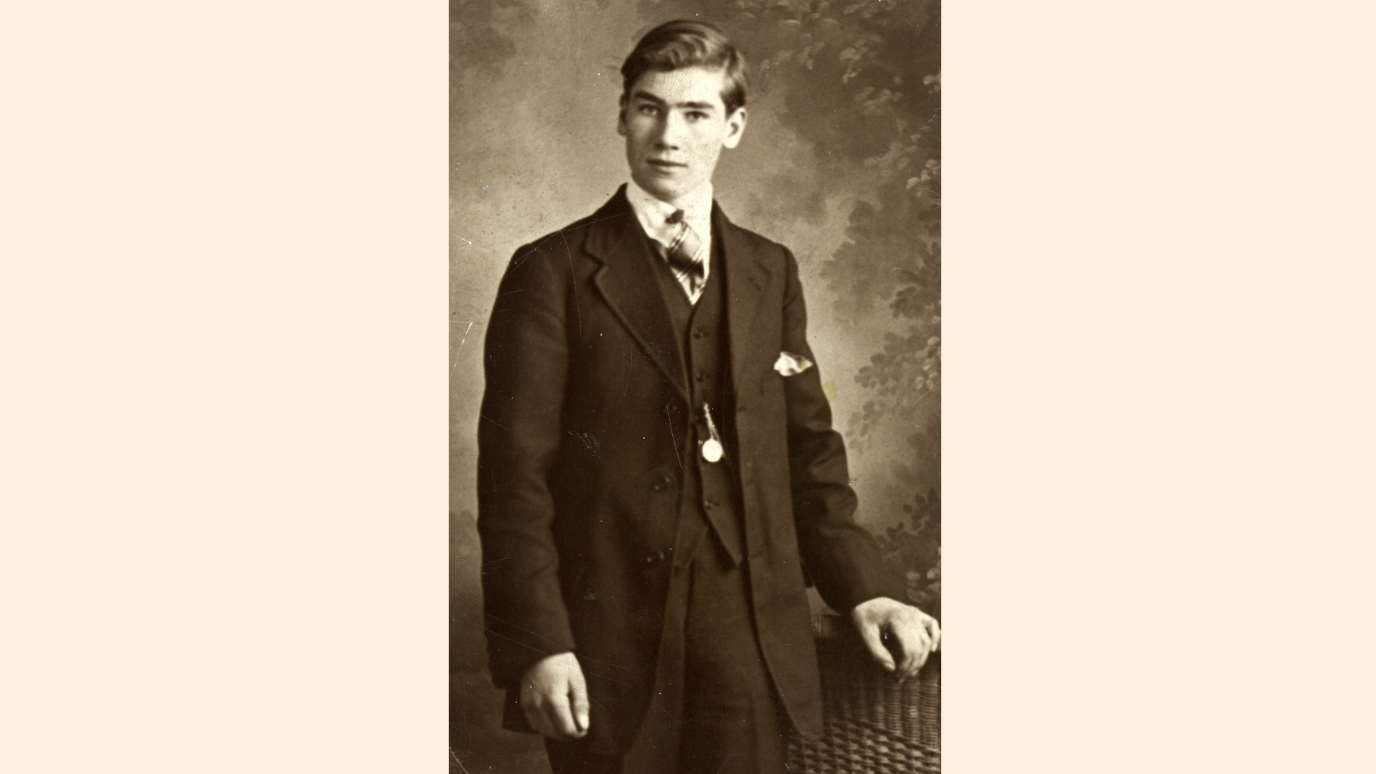
One story researched by project Postdoctoral Research Associate, Dr Daniel Edmonds, is that of William “Bill” Muckle, a miner caught up in the UK General Strike of 1926. The strike began in support of coal miners facing wage cuts and involved more than 1.5 million workers across the country.
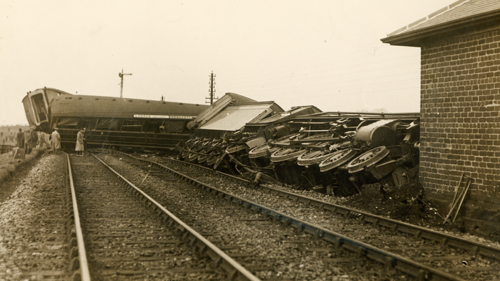
One of the most dramatic moments of the strike was the derailment of the Flying Scotsman. Photographs of the famous locomotive lying on its side filled newspaper front pages, an image and a story still taught lessons about the strike. What is rarely told is the story of the people involved, and why they acted.
Bill was 26 and had been working in the pits since he was 13. Like many miners, during the 1921 miners’ strike, he survived by begging and relying on soup kitchens. He understood intimately how difficult strikes could be on those participating. So, when a local union official urged miners to “stop everything on wheels,” Bill took it literally. He, and the other men involved, later told the court they believed the train he helped derail was carrying coal in defiance of the strike, not passengers.
Muckle wrote later in the magazine ‘Labour Monthly’, reflecting on the incident: “We were not violent men ... Our aim was to stop blackleg [strike-breaking] coal trains only, and for this we have no regrets. We were on starvation wages and fighting to preserve ourselves and our families from further degradation.”
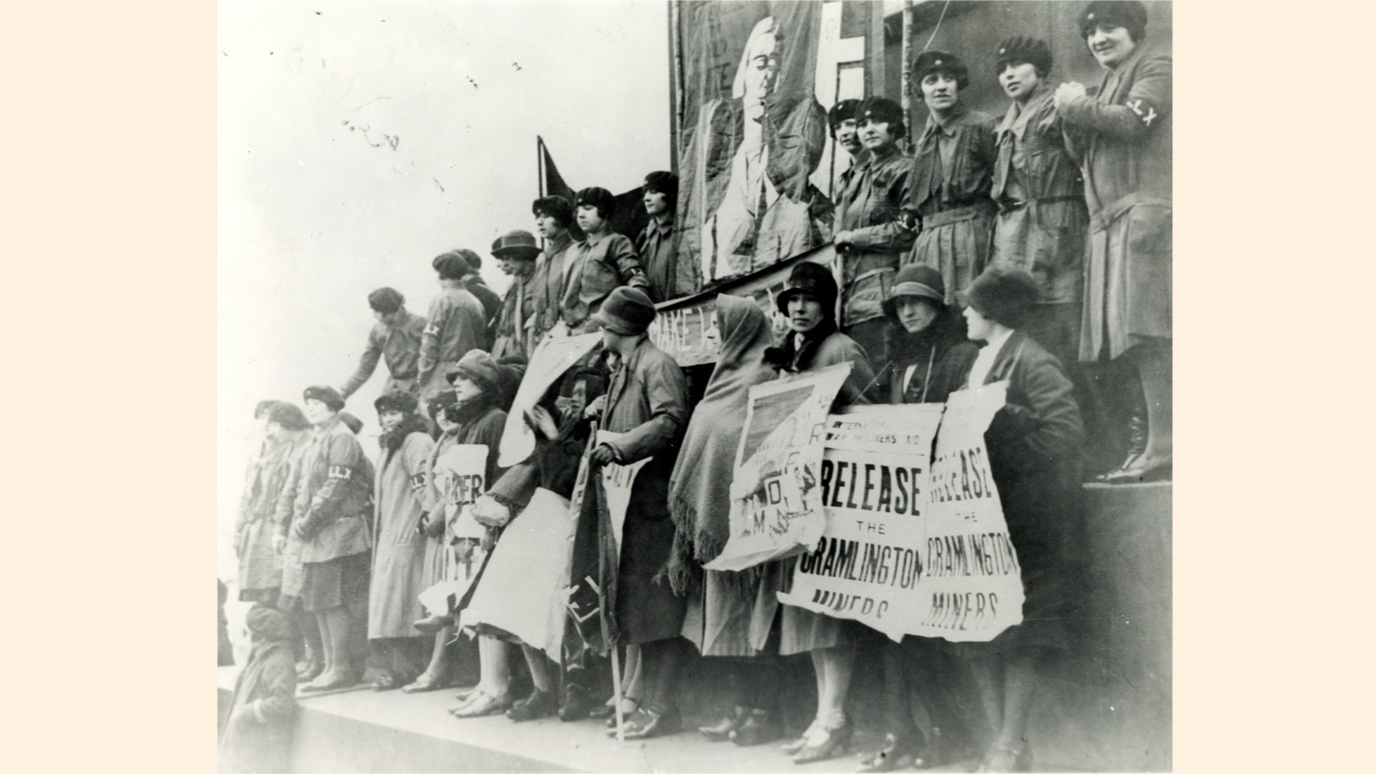
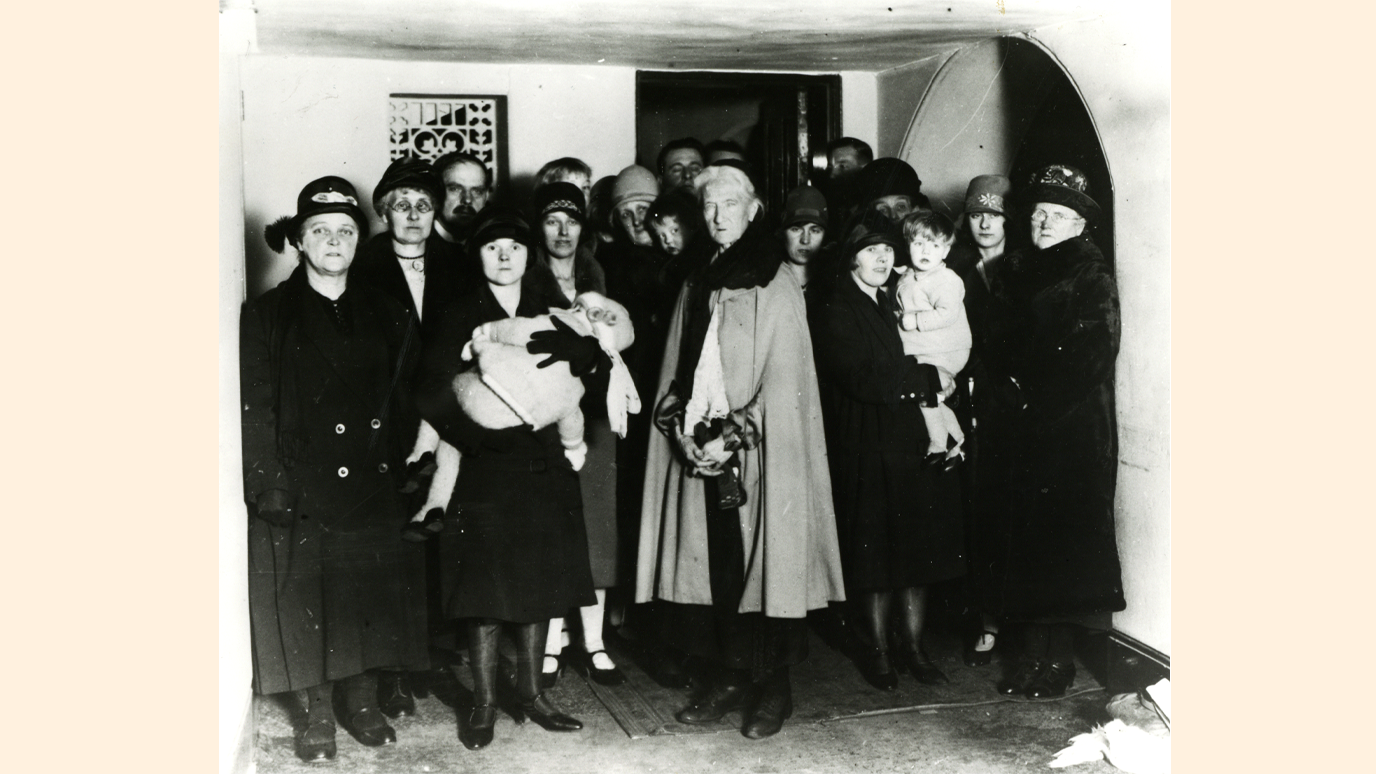
General Strike: Women demonstrating against imprisonment of Cramlington miners
(Image: Working Class Movement Library)
Why history matters
Dr Smith believes that amplifying working-class voices, particularly in matters of collective action and workers’ rights, helps students understand and relate to the history they study, as well as the world they live in.
“I think it's important, particularly with the voting age being lowered to 16, that young people can discover rich stories like these about the struggle for rights. I think we're all better citizens for knowing these struggles and the people involved in securing our rights.”
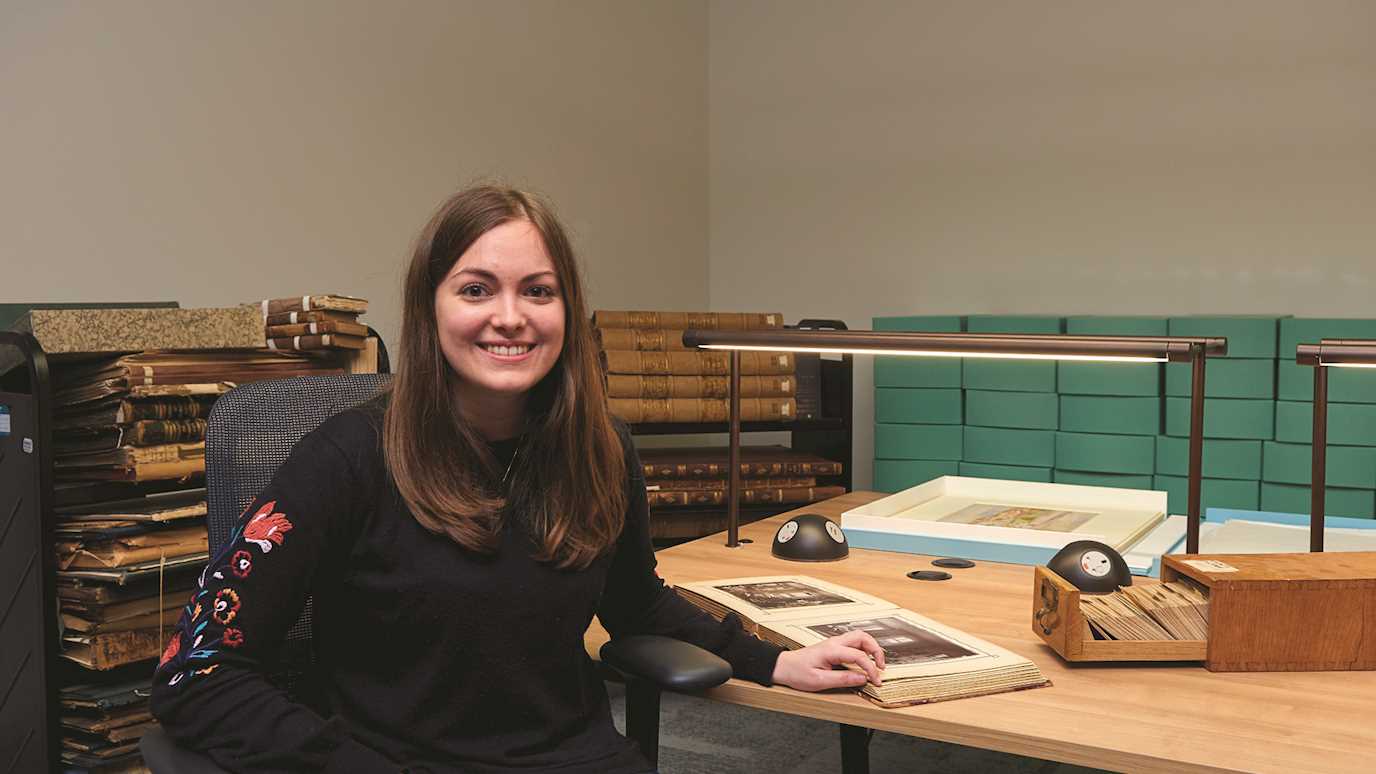
An important part of the Inclusive Histories project has been its emphasis on collaboration and embedding post-doctoral research associates within the partner museums and archives.
Oliver Lomax from board of trustees at the Working Class Movement Library, said: “Having a post-doctoral researcher embedded in our organization has helped to transform our approach to connecting our archive collection to the National Curriculum. Their work has kick-started a process which it would have been impossible for us to deliver within our small core team. Partnership working with academic institutions in this way allows us the opportunity to make our collections accessible and relevant to young people studying GCSE History.”
Next steps
As Inclusive Histories enters its third year, the focus is shifting towards classroom impact and co-producing resources with teachers.
AQA’s research team will then be working directly with schools, using surveys and focus groups to understand how GCSE students engage with the new materials. Dr Smith hopes that the insights gained will inform not only future GCSE specifications, but also wider approaches to curriculum design, encouraging other exam boards and education providers to embed inclusive stories naturally throughout the curriculum.
If you would like to read more about some of the stories uncovered by the Inclusive Histories team, please check out their Substack page.
. . . . . . . . . .
Return to our Research in Focus page to uncover more exciting research happening at Royal Holloway, University of London.
Research in Focus