


Key information
Duration: 3 years full time
UCAS code: W620
Institution code: R72
Campus: Egham
The course
Film Studies (BA)
BA Film Studies at Royal Holloway explores how cinema shapes culture. Develop the tools to write, think and create as you explore a medium that inspires, challenges and connects audiences everywhere.
You’ll study films from Hollywood to Bollywood, British TV to global arthouse, developing your critical voice and creative skills along the way.
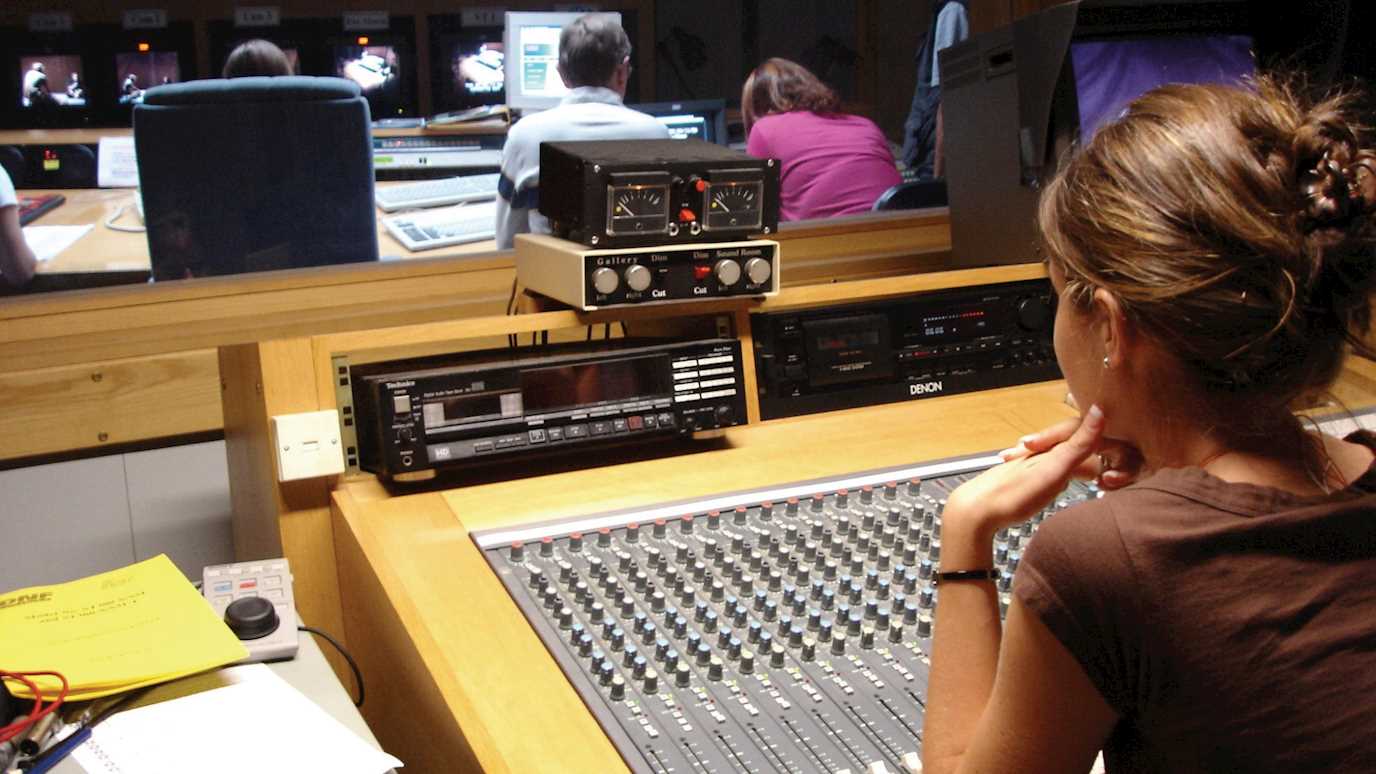
Explore how films are made, how audiences respond and how cinema has changed with new technology, platforms and cultural shifts. There are also opportunities to get hands-on with screenwriting and see how theory works in practice.
Study screen to shape your voice
- Learn the history and theory of cinema across cultures and explore genres, film movements and key directors
- Discover how film reflects society, identity and change and choose your own topic for a final-year dissertation
- Develop practical skills like screenwriting and gain the opportunity to do a placement in the industry
Your story starts here
You’ll be taught by researchers from a Media Arts Department ranked 7th in the UK for research excellence (REF2021). Our team includes BAFTA winners and authors and has strong industry links.
Opportunities for placements, study abroad and networking events. Graduates go into roles in film, media, publishing, marketing or further study.
We sometimes make changes to our courses to improve your experience. If this happens, we’ll let you know as soon as possible.
Course structure
Core Modules
Year 1
-
These companion modules (Introduction to Media Histories 1 and Introduction to Media Histories 2) introduce students to media histories encompassing complementary accounts of film, television, video games, computing, the internet, and social media.
-
In this module you will develop an understanding of the key debates in critical theory. You will look at a range of different methods in studying film, television and digital media, including artistic achievement and critical interpretation, close textual analysis, ideological analysis, national cinema, and psychoanalysis. You will examine the relationship between the intentions of individual film and programme-makers and wider processes. You will consider films and television programmes in close detail, analysing the relationship between how something is achieved and what it means.
-
This module allows students to apply their critical understanding of screen narratives. They will do this through original creative screenwriting, detailed analysis, and theory. Students have to adapt a story into a 10m screenplay. This could be a short story, an album, or a video game.
-
-
In this module you will develop an understanding of the key tenets of film theory and learn to apply these to a selection of important pre- and post-war European and international films. You will look at aspects of film style, genre and national and international contexts.You will consider canonical works from a century of cinema history by filmmakers such as Joseph von Sternberg, Alfred Hitchcock and Pedro Almodovar, and examine significant examples of technique and style.
-
The purpose of this module is to provide students with an introduction to the early phase of film history. Broadly speaking, the module will be concerned with the period between 1895 and the early 1930s, from the invention of motion pictures to the establishment of sound cinema. During this phase, film-making was largely national but the absence of the spoken word gave film a truly cosmopolitan dimension, with directors, actors and technical personnel moving freely across national boundaries. Nonetheless distinctive national film cultures emerged, with Italy specialising in dramas set in the ancient world, France making ample use of theatre and popular literature, Germany developing the new medium within broader artistic phenomena such as Expressionism, the Soviets pioneering political montage, and, of module, Hollywood, and its studio system, popularising stars and genres across the world.
-
These companion modules (Introduction to Media Histories 1 and Introduction to Media Histories 2) introduce students to media histories encompassing complementary accounts of film, television, video games, computing, the internet, and social media
-
-
This module allows students to apply their critical understanding of screen narratives. They will do this through original creative screenwriting, detailed analysis, and theory. Students have to adapt a story into a 10m screenplay. This could be a short story, an album, or a video game.
Year 2
- All modules are optional
Year 3
-
A dissertation can be a sustained piece of writing about a single subject, person, theoretical field, or group of texts The dissertation is based primarily on students’ own course of independent study so will be a product of negotiation between the student and supervisor and will depend on the topic of research.
Optional Modules
Below is a taster of some of the exciting optional modules that students on the course could choose from during this academic year. Please be aware these do change over time, and optional modules may be withdrawn or new ones added.
Year 1
-
All modules are core
Year 2
-
-
-
-
-
-
-
-
-
In this module you will develop an understanding of the core concepts of the digital age, looking at how today's computer networks, devices and infrastructure underpin nearly all forms of aesthetic, cultural social and political life. You will consider the concepts of technicity, affective turn, digital subjectivity and extended mind, creative expression and participation in the digital era, amateur production, free software, fun and politics, self-organisation, media archaeology and sonic architectures. You will examine the systematic challenges brought about by digital change and critically interpret and analyse digital phenomena.
-
In this module you will develop an understanding of how creativity is constrained and enabled by the industrial logics of the creative industries. You will focus on film, television and digital media, exploring issues such as economics and financing, pitching and commissioning, policy and regulation, copyright, formats and global trade, ratings and audience measurement, branding and marketing, digital production logics, and production cultures. You will also consider a number of important industry-oriented research skills, such as interviewing, market/demographic analysis, locating and interpreting legal documents, and archival research.
-
The module is divided into two parts, the first exploring crucial issues of filmmaking, film studies and the ‘transnational’ from the perspective of largely contemporary Latin American cinema, the second focusing on a range of European films from the 1970s to the present. The introductory two weeks of the module will introduce students to these concerns; the final two weeks of the module will bring both parts together and establish some conclusions (for example, what, if anything, constitutes a ‘European’ or ‘Latin American’ or ‘transnational’ film).
-
This year-long module examines key examples of French cinema from its beginnings to the present day, focusing on the avant-garde and surrealist films of the 1920s, social realist films of the 1930s, the New Wave which began in the late 1950s, and its ‘postmodern’ legacy in the 1980s followed by a return to realism in the new millennium. The module entails close, critical analysis of film style, though no prior knowledge of film theory is required.
-
Childhood and youth - the formative periods in our lives - are obviously crucial for individuals, society and culture. They are also contested and controversial concepts. Children and adolescents have long been the subject of social, familial and educational pressures against which they have often rebelled in an attempt to assert their individuality and develop their own identities. This module introduces you to a range of literary and cinematic responses to the lives of children and young people in the context of the German speaking countries from the late nineteenth century to the present day. Drawing on a range of classic and recent texts and films, it explores the historical contexts of the theme and considers the social, political and ethical issues involved in the representation of young people and of institutions such as the school and the military.
-
During the module attention will be devoted to analysing samples from early Twentieth century Mexican visual arts. Students will study the Mexican Mural Movement and will analyse the work of its most prominent members. Attention will be paid to the works of Diego Rivera, David Alfaro Siqueiros and José Clemente Orozco. The first part of this module will also cover the photographic works of Edward Weston, Henri Cartier-Bresson, Tina Modotti, Mariana Yampolski, Araceli Herrera and Graciela Iturbide. During the second part of this module students will be introduced to some of the most significant cinematic works from Mexico’s century of filmmaking. Students will analyse some of the most important filmic genres from a wide range of directors and periods in Mexican cinematic history. On this module students will be introduced to some areas of film theory and will learn how to apply theoretical concepts to a reading of Mexican visual arts and films.
-
In this module students will study films from the last twenty years in Spain. The films selected will in different ways express representations of identity in Spain. We will explore issues such as national and regional identities, linguistic diversity and national identity, Spanishness, cultural memory, history on screen, urban versus rural experience, cultural diversity, immigration and the portrayal of gender within new family paradigms.
-
On this module students will examine the ways in which critical historical moments in Latin America have been represented visually in a global context. We will explore how political unrest in Latin America has been memorialised by both filmmakers and photographers, with the aim of re-thinking how global imaginaries concerning the rebel and revolution have been constructed in film and photography.
-
Year 3
-
-
-
-
-
In this module you will develop an understanding of how the destruction of European Jewry by the Nazis between 1933 and 1945 has been represented and responded to across a range of both fictional and non-fictional media. You will look at the specific theoretical debates surrounding how the Holocaust can or should (or should not) be represented in art and popular culture. You will consider the role of mass media in constructing both popular and elite relationships to historical experience, and in documenting history.
-
-
-
-
-
-
-
-
Teaching & assessment
You will be taught through a combination of lectures, seminars, small-group tutorials, screenings, guided independent research and study. Private study and preparation are essential parts of every course, and you will have access to many online resources and the University’s comprehensive e-learning facility, Moodle. When you start with us, you are assigned a Personal Tutor to support you academically and personally.
Assessment is carried out by written assignments, such as essays, film reviews, blogs and dissertations, as well as examinations at the end of your first year. Students also have the opportunity to write their own screenplay and, in their final year, have the chance to see this put into production by students on the BA Film, Television & Digital Production course.
Entry requirements
A Levels: ABB-BBB
Required subjects:
- We require English Language and Mathematics GCSE at grade 4 (C)
HL 655 (without Diploma) or 32 overall (with Diploma)
EUROPEAN BACCALAUREATE 77%
If you have completed Secondary or High School in this country then you will need to take our one year International Foundation Year , or the equivalent from another institution, before beginning your undergraduate studies.
If you have completed Secondary or High School in this country then you will need to take our one year International Foundation Year , or the equivalent from another institution, before beginning your undergraduate studies.
Year 12 High School Certificates: ATAR: 88, Queensland OP: 5
Reifezeugnis/Maturazeugnis: 2
If you have completed Secondary or High School in this country then you will need to take our one year International Foundation Year , or the equivalent from another institution, before beginning your undergraduate studies.
Bachelor degree studied for 2 years or less than 3: GPA of 3.25
Certificate D Enseignement Secondaire Superieur (CESS) (score out of 10) or Diploma van Hoger Secundair Onderwijs (score out of 20): 7/10 or 16/20 or 65%
Secondary School Leaving Diploma: 4/5
Diploma za Sredno Obrazovanie 5.5
Year 12 High School Graduation Diploma: 85%
National College Entrance Examination (NCEE) (Gaokao): 73%
Svjedodzba o Maturi: Overall grade of 4
Apolytirion of Lykeion: Average of 18 in Apolytirion
Maturitni Zkouska / Maturita: 2.0
Bevis for Studentereksamen or Hojere Forberedelseseksamen (HF) or Hojere Handelseksamen (HHX) / Hojere Teknisk Eksamen (HTX): Average grade of 7
Certificate of Nile Secondary Education (CNISE) Level 3: ABB
Gumnaasium Ioputunnistus (Secondary School Certificate) with Riigieksammid (state exams): 4 in Gumnaasium Ioputunnistus and 70% in Riigieksamid
Ylioppilastutkinto / studentexamen: EMMM
Baccalaureat / International Option Baccalaureate (OIB): 13/20
Zeugnis der Allgemeinen Hochschulreife / Abitur: 1.7
If you have completed Secondary or High School in this country then you will need to take our one year International Foundation Year , or the equivalent from another institution, before beginning your undergraduate studies.
Apolytirion of Lykeion: Average of 18 in Apolytirion
Achieve grades 5,5,4 overall in your Hong Kong Diploma of Secondary Education with a grade 5 in any A-level subject specified above
Achieve a grade of 4.5 overall in your Erettsegi / Matura with a grade 5 in any A-level subject specified above
Achieve a grade of 8/10 overall in your Studentsprofwith a grade 9 in any A-level subject specified above
Achieve a grade of 80% overall in your Higher Secondary School Certificate with 80% in any A-level subject specified above
If you have completed Secondary or High School in this country then you will need to take our one year International Foundation Year , or the equivalent from another institution, before beginning your undergraduate studies.
Achieve a grade of 16/20 or 80% overall in your National Entrance Examination (Konkur) with a grade 16 or 80% in any A-level subject specified above
If you have completed Secondary or High School in this country then you will need to take our one year International Foundation Year , or the equivalent from another institution, before beginning your undergraduate studies.
Achieve a grade of 8/10 overall in your Bagrut with a grade 8 in any A-level subject specified above
Achieve a grade of 85 overall in your Esame di Stato with a grade 18/20, 14/15 or 9/10 in any subject specified above
If you have completed Secondary or High School in this country then you will need to take our one year International Foundation Year , or the equivalent from another institution, before beginning your undergraduate studies.
Nazarbayev Intellectual Schools (NIS) Grade 12 Certificate: ABB
If you have completed Secondary or High School in this country then you will need to take our one year International Foundation Year , or the equivalent from another institution, before beginning your undergraduate studies.
Achieve a grade of 4 overall in your Diplome per Kryerjen e Shkolles se Mesme te Larte with a grade 5 in any subject specified above
If you have completed Secondary or High School in this country then you will need to take our one year International Foundation Year , or the equivalent from another institution, before beginning your undergraduate studies.
Achieve a grade of 8.5 overall in your Atestats par visparejo videjo izglitibu with a grade 9.5 in any subject specified above
If you have completed Secondary or High School in this country then you will need to take our one year International Foundation Year , or the equivalent from another institution, before beginning your undergraduate studies.
Achieve a grade of 5/6 overall in your Matura with a grade 5 in any A-level subject specified above
Achieve a grade of 8.5 overall in your Brandos Atestatas Secondary School Diploma / Maturity Certificate with a grade 9/90% in any subject specified above and at least 85% in three state exams.
Achieve a grade of 40 overall in your Diplome de Fin d'Etudes Secondaires with a grade 48 in any subject specified above
Achieve a grade of ABB overall in your Sijil Tinggi Persekolahan Malaysia with a grade A in any subject specified above
Achieve a grade of ABB overall in your Advanced Matriculation with a grade A in any subject specified above
Achieve ABB in the Cambridge Overseas Higher School Certificate/General Certificate of Education Advanced Level with grade A in any subject specified above.
Achieve ABB in the Cambridge Overseas Higher School Certificate (COHSC) with grade A in any subject specified above.
Achieve a grade of 7 overall in your Voorbereidend Wetenschappelijk Onderwijs with a grade 7 in any subject specified above
Achieve a grade of Excellence overall from three subjects in your NCEA level 3 with a grade of Excellence in any subject specified above
If you have completed Secondary or High School in this country then you will need to take our one year International Foundation Year , or the equivalent from another institution, before beginning your undergraduate studies.
Achieve a grade of 4.5 overall in your Matura with a grade 5 in any subject specified above
Achieve a grade of 70% overall in the final two years in your Devlet Lise Diplomas with a grade 80% in any subject specified above
Achieve a grade of 4 overall in your Videregaende Opplæring with a grade 5 in any subject specified above
If you have completed Secondary or High School in this country then you will need to take our one year International Foundation Year , or the equivalent from another institution, before beginning your undergraduate studies.
If you have completed Secondary or High School in this country then you will need to take our one year International Foundation Year , or the equivalent from another institution, before beginning your undergraduate studies.
Achieve a grade of 75% overall including 70% in three extended level subjects in your Matura with a grade 80% in any subject specified above
Achieve a grade of 17 overall including 18, 17, 17 in 3 year 11 or 12 exams in your Certificado de fim de Estudos Secundarios with a grade 18 in any subject specified above
If you have completed Secondary or High School in this country then you will need to take our one year International Foundation Year , or the equivalent from another institution, before beginning your undergraduate studies.
Achieve a grade of 8 overall in your Diploma de Bacalaureat with a grade 9 in any subject specified above
If you have completed Secondary or High School in this country then you will need to take our one year International Foundation Year , or the equivalent from another institution, before beginning your undergraduate studies.
If you have completed Secondary or High School in this country then you will need to take our one year International Foundation Year , or the equivalent from another institution, before beginning your undergraduate studies.
Achieve a grade of 4.5 overall in your Secondary School Leaving Diploma with a grade 4 in any subject specified above
Achieve a grade of 2.9 overall in your Polytechnic Diploma with a grade 3.5 in any subject specified above
Achieve a grade of 2 overall in your Maturita with a grade 1.5 in any subject specified above
Achieve a grade of 4 overall in your Matura with a grade 5 in any subject specified above
Achieve grades 66655 in at least 6 subjects overall in your National Senior Certificate (state board) or 65555 (IEB board)
If you have completed Secondary or High School in this country then you will need to take our one year International Foundation Year , or the equivalent from another institution, before beginning your undergraduate studies.
Achieve a grade of 7.5 overall in your Titulo de Bachillerato with a grade 8 in any subject specified above
If you have completed Secondary or High School in this country then you will need to take our one year International Foundation Year , or the equivalent from another institution, before beginning your undergraduate studies.
Achieve a grade of ABB overall in the Advanced Certificate of Secondary Education (CSEE) with a grade A in any subject specified above.
If you have completed Secondary or High School in this country then you will need to take our one year International Foundation Year , or the equivalent from another institution, before beginning your undergraduate studies.
Achieve a grade of 70% overall in the final two years in your Devlet Lise Diplomas with a grade 80% in any subject specified above
Achieve ABB in the Ugandan Advanced Certificate of Education (UACE) with a grade A in any subject specified above.
If you have completed Secondary or High School in this country then you will need to take our one year International Foundation Year , or the equivalent from another institution, before beginning your undergraduate studies.
If you have completed Secondary or High School in this country then you will need to take our one year International Foundation Year , or the equivalent from another institution, before beginning your undergraduate studies.
Achieve a grade of 4 in at least two relevant AP Examinations; or a composite score of 25 in the ACT Examinations (including the ACT writing test) with an AP grade 4 or College Class B in any A-level subject specified above; or SAT 1100 with an AP grade 4 or College Class B in any A-Level subject specified above.) Please note AP Calculus BC required for Computer Science or Electronic Engineering, or relevant College class.
Achieve a grade of 18 or B overall in your Avgangsbetyg or Slutbetyg with a grade 5 in any subject specified above
If you have completed Secondary or High School in this country then you will need to take our one year International Foundation Year , or the equivalent from another institution, before beginning your undergraduate studies.
Achieve a grade of 122 overall in your Caribbean Advanced Proficency Examination with a grade 1 in any subject specified above
English language requirements
All teaching at Royal Holloway is in English. You will therefore need to have good enough written and spoken English to cope with your studies right from the start.
The scores we require
- IELTS: 6.5 overall with 6 in Writing and minimum of 5.5 in each subscore
- Pearson Test of English: 67 with 61 in writing (no other subscore lower than 54)
- Trinity College London Integrated Skills in English (ISE): ISE IV.
- Cambridge English: Advanced (CAE) grade C.
- TOEFL iBT: 88 overall, with Reading 18 Listening 17 Speaking 20 Writing 19
- Duolingo: 120 overall, 115 in Literacy, 115 in Production and no sub-score below 100.
Country-specific requirements
For more information about country-specific entry requirements for your country please visit here.
Undergraduate preparation programme
For international students who do not meet the direct entry requirements, for this undergraduate degree, the Royal Holloway International Study Centre offers an International Foundation Year programme designed to develop your academic and English language skills.
Upon successful completion, you can progress to this degree at Royal Holloway, University of London.
Your future career
You will not only learn a range of key transferable skills across the degree but also underpin these with a thorough grounding in the history and theory of film and TV, and understanding of the economic and power structures behind media production – invaluable for careers in creative companies who want to look ahead to future trends.
Our graduates have gone in to the film, television and digital production sector, a wide-range of jobs in the communications industries and careers in high-level research positions, such as for the House of Lords, Barclays Bank and more.
Fees, funding & scholarships
Home (UK) students tuition fee per year*: £9,790
EU and international students tuition fee per year**: £26,800
Other essential costs***: There are no single associated costs greater than £50 per item on this course.
How do I pay for it? Find out more about funding options, including loans, scholarships and bursaries. UK students who have already taken out a tuition fee loan for undergraduate study should check their eligibility for additional funding directly with the relevant awards body.
*The tuition fee for Home (UK) undergraduates is controlled by Government regulations. This figure is the fee for the academic year 2026/27 and is shown as a guide. The fee for the academic year 2027/28 has not yet been confirmed.
**This figure is the fee for EU and international students starting a degree in the academic year 2026/27 and is shown as a guide. The fee for the academic year 2027/28 has not yet been confirmed.
Royal Holloway reserves the right to increase tuition fees annually for all students. For further information see fees and funding.
*** These estimated costs relate to studying this particular degree at Royal Holloway during the 2026/27 academic year and are included as a guide. Refers to specific individual items of £50 or more, and excludes accommodation, commuting, food, books/other learning materials and printing costs.