Key information
Duration: 3 years full time or 4 years part time
Institution code: R72
Campus: Egham
UK fees*: £5,238
International/EU fees**: £23,200
About us
We are one of the country’s leading media departments, working across both theory and practice and with growing interest in the digital. We are particularly interested in proposals in these areas:
European cinema, national/transnational/diasporic cinema, representations of family in film
South Asian film/cultural history, global art cinema, silent cinema, modernism
Documentary, television and digital technologies, television genres, British cinema 1930-1950
Audiovisual narratives and screenwriting
Digital media art and culture, media and cultural theory, philosophy of technology
National and transnational cinema, British and Irish film and television, political cinema, film industry and policy
Documentary filmmaking
European cinema, auteur theory, film aesthetics, theories of narrative
Psychoanalytic, feminist and queer theory, Hollywood cinema, melodrama, celebrity culture
Interactive digital installations
Modernism. Avant-garde film, photography and performance,
Interactive art and installation, VR, interactive documentary
Animation, computational and interactive media arts, the essay film, Constructivism, histories of art and technology. practice-based research.
Research facilities and environment
We have a number of research interest groups in the department or which members of the department belong to including:
Centre for History of Television Culture and Production
Humanities and Arts Research Institute.
We also have a number of students studying cross-disciplinary PhDs currently including collaborations with Geography, Psychology, Modern Languages, and Information Security. We are the home of StoryFutures www.storyfutures.com a large AHRC funded Creative Cluster looking at storytelling in immersive spaces.
We also collaborate with industry and other institutions including the BFI.
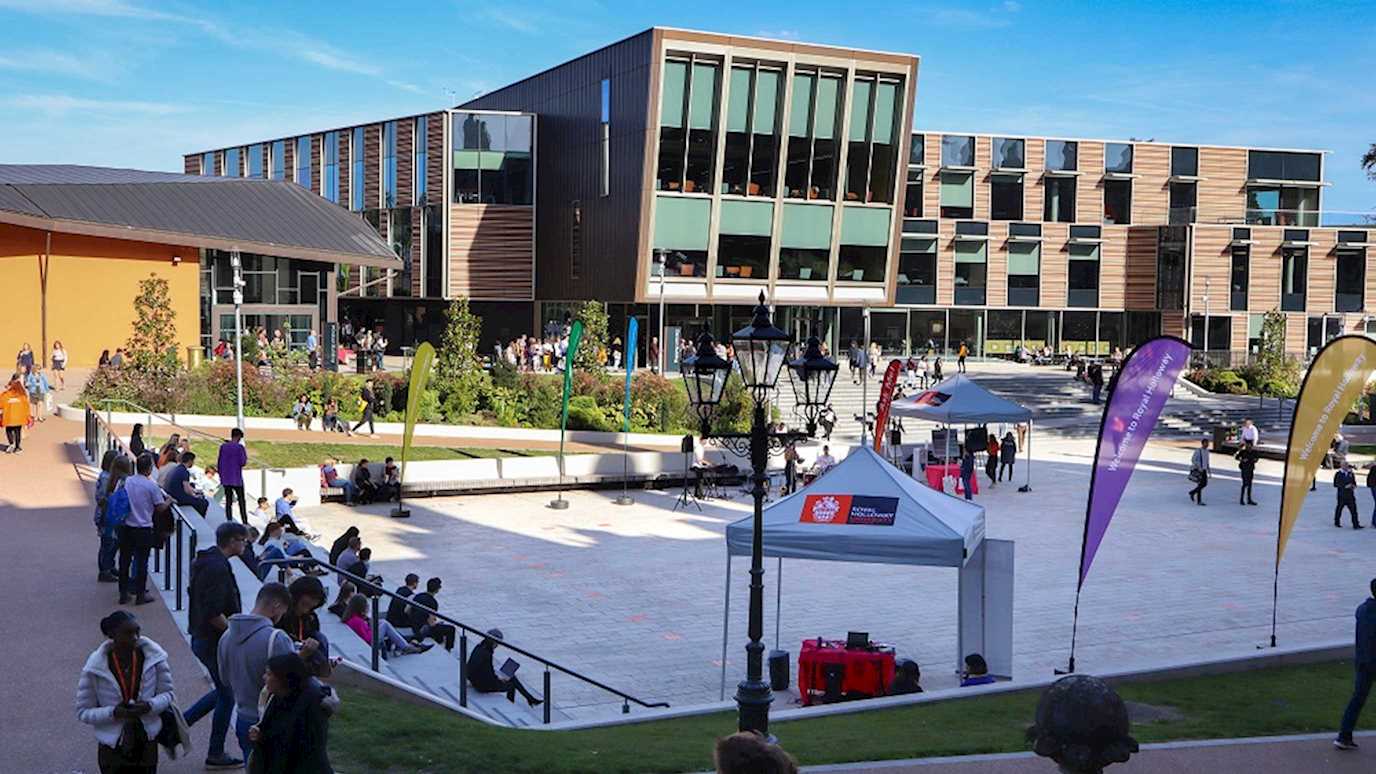
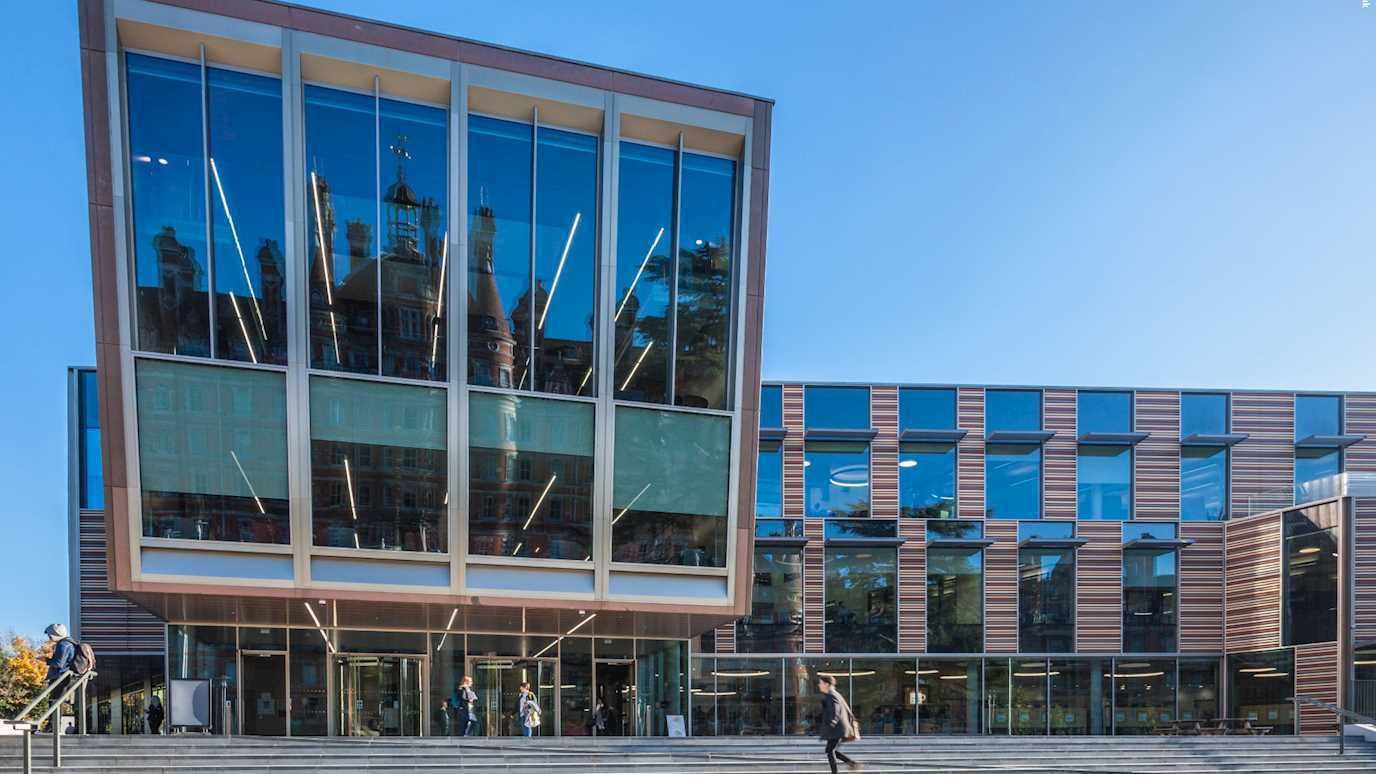
All postgraduate research students have access to our Egham, Surrey campus and our Central London Campus at Bedford Square in Bloomsbury. Media Arts students have exclusive 24-7 media labs and post-production rooms, complemented by our impressive range of professional location filming equipment, TV and sound studio facilities, supported by our dedicated and approachable technical team.
We are part of the University of London Screen Studies group and have access to their training whilst the Faculty of Arts and Social Sciences has a strong history in practice as research with research projects in radio film games and screenplays Practice work made as in the course of PhDs have recently won Grierson and AHRC Research in Film awards for best student film and have been shown at the London Film Festival.
Assessment
We particularly welcome applications from students who want to combine traditional research with creative practice. Doctoral candidates who pursue this route can submit creative work, such as a film, video game or screenplay, alongside a significantly shorter PhD thesis.
Entry requirements
Bachelor of Arts at 2:1 or equivalent and Masters of Arts degree required.
Before applying, applicants must have contacted and secured a potential supervisor before submitting the application in order to apply for your research project.
We advise getting in touch with the Director of Postgraduate Education making an informal enquiry for your chosen research degree to inquire whether there is any other additional material they require you to submit in your application.
A detailed research proposal will be expected within the application.
English language requirements
All teaching at Royal Holloway is in English. You will therefore need to have good enough written and spoken English to cope with your studies right from the start.
The scores we require
- IELTS: 6.5 overall. Writing 7.0. No other subscore lower than 5.5.
- Pearson Test of English: 67 overall. Writing 71 no other subscore lower than 59.
- Trinity College London Integrated Skills in English (ISE): ISE III.
- Cambridge English: Advanced (CAE) grade C.
- TOEFL ib: 88 overall, with Reading 18 Listening 17 Speaking 20 Writing 26.
- Duolingo: 120 overall, 135 in Literacy, 135 in Production and no sub-score below 100.
Country-specific requirements
For more information about country-specific entry requirements for your country please see here.
Your future career
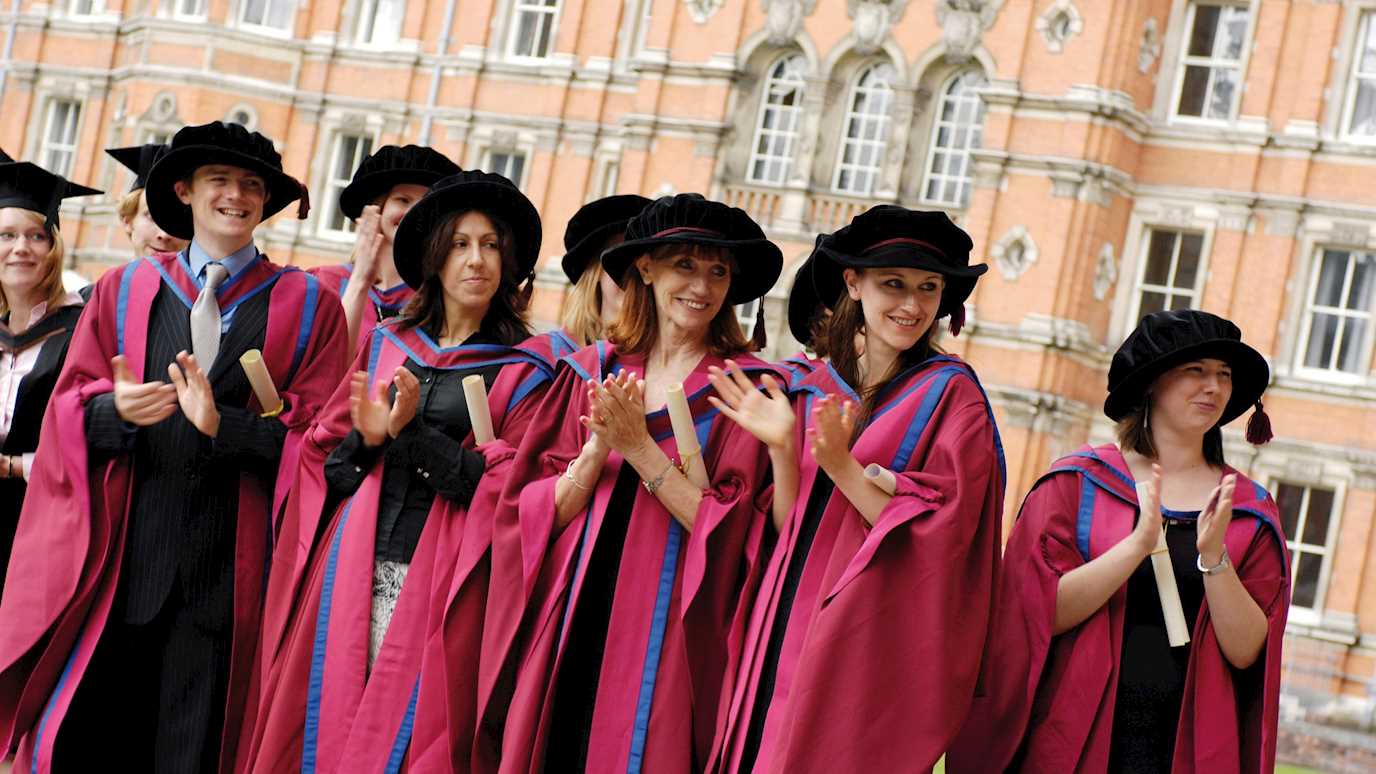
Graduates go on to many fulfilling careers and are working as academics, filmmakers, curators, actors and screenwriters.
Fees & funding
Home (UK) students tuition fee per year*: £5,238
EU and International students tuition fee per year**: £23,200
Other essential costs***: There are no single associated costs greater than £50 per item on this course.
…How do I pay for it? Find out more about funding options, including loans, grants, scholarships and bursaries.
* and ** These tuition fees apply to students enrolled on a full-time basis in the academic year 2026/27.
* This figure is the fee for the academic year 2026/27 and is shown as a guide. Please note that for research courses, we adopt the minimum fee level recommended by the UK Research Councils for the Home tuition fee. Each year, the fee level is adjusted in line with inflation (currently, the measure used is the Treasury GDP deflator). Fees displayed here are therefore subject to change and are usually confirmed in the spring of the year of entry. For more information on the Research Council Indicative Fee please see the UKRI website.
** This figure is the fee for EU and international students enrolled on a full-time basis in the academic year 2027/28.
Royal Holloway reserves the right to increase fees for all students annually. For further information see fees and funding.
*** These estimated costs relate to studying this particular degree at Royal Holloway during the 2027/28 academic year and are included as a guide. Refers to specific individual items of £50 or more, and excludes accommodation, commuting, food, books/other learning materials and printing costs.