


Key information
Duration: 1 year full time or 2 years part time
Institution code: R72
Campus: Egham
UK fees*: £12,000
International/EU fees**: £27,000
The course
English Literature: Victorian Literature, Art and Culture (MA)
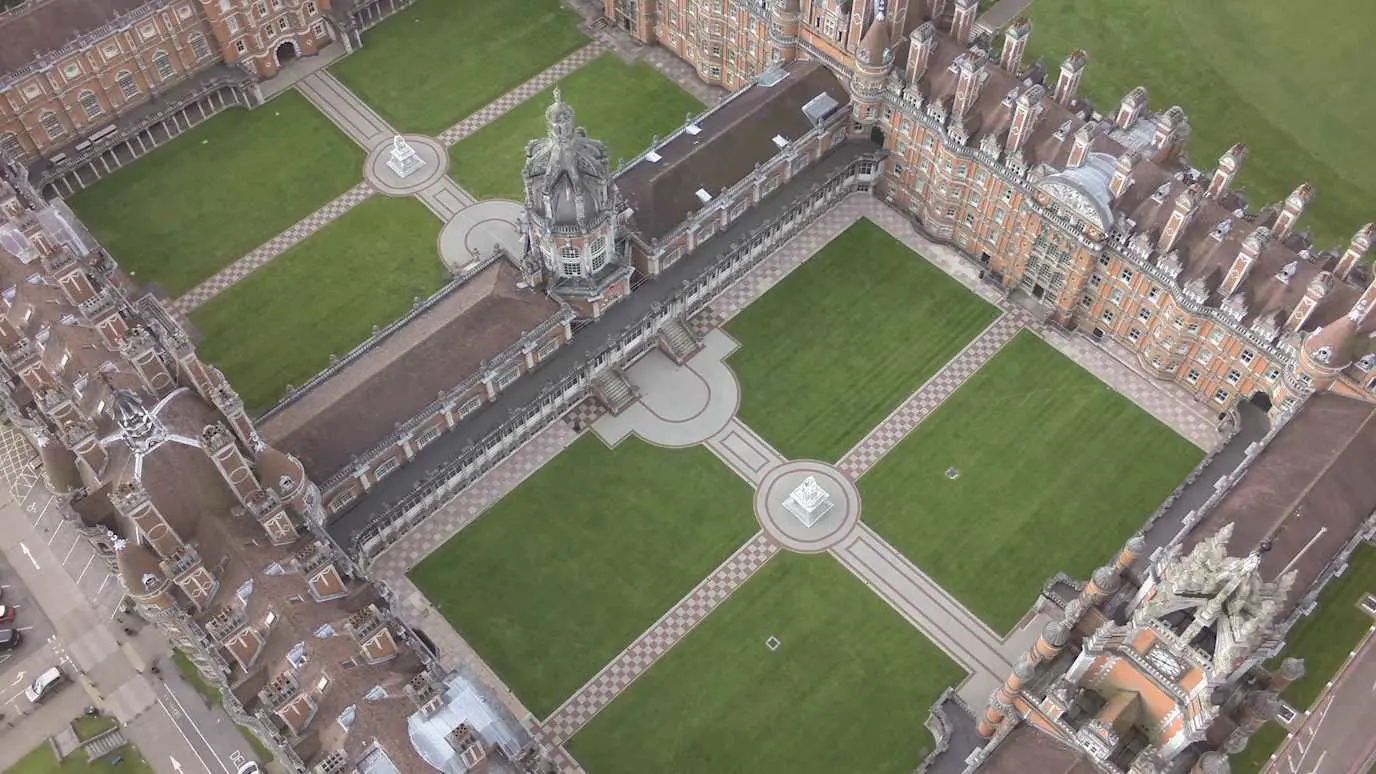
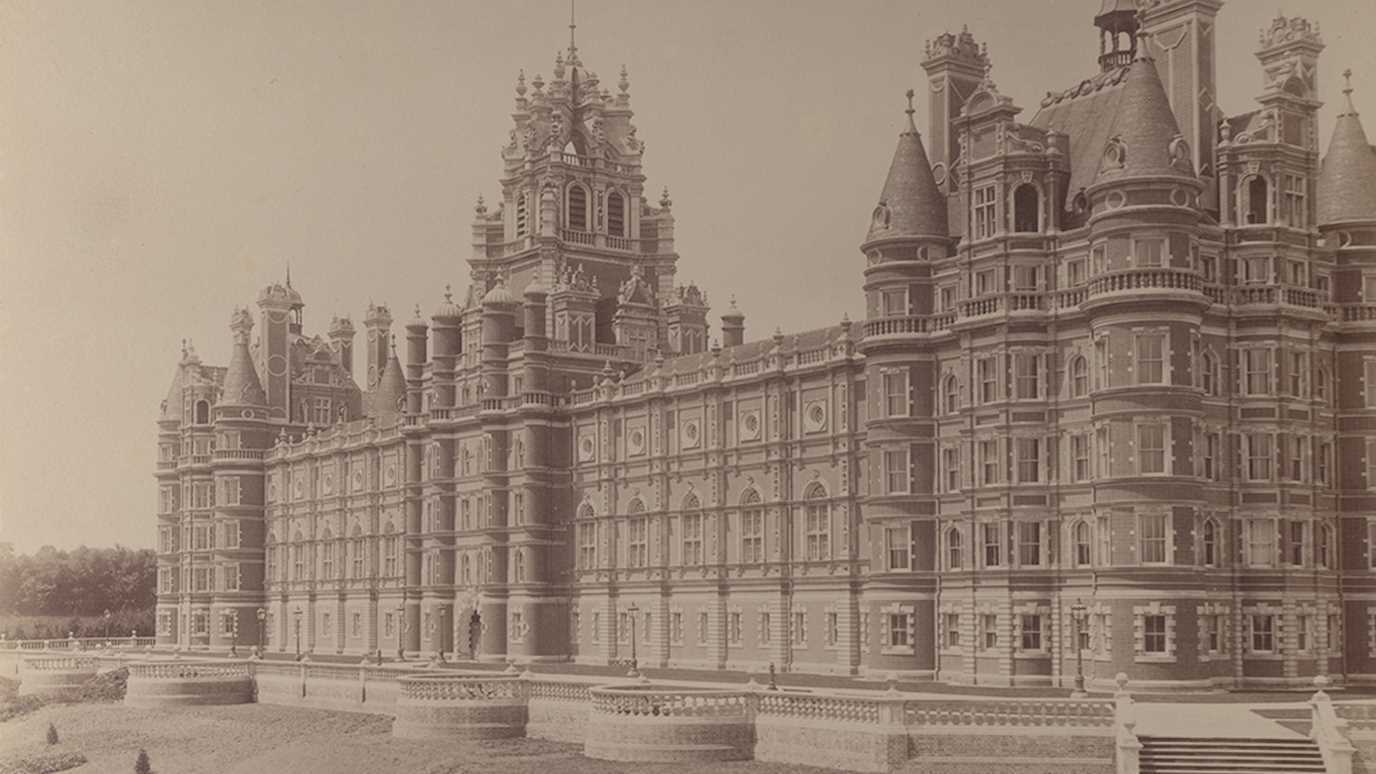
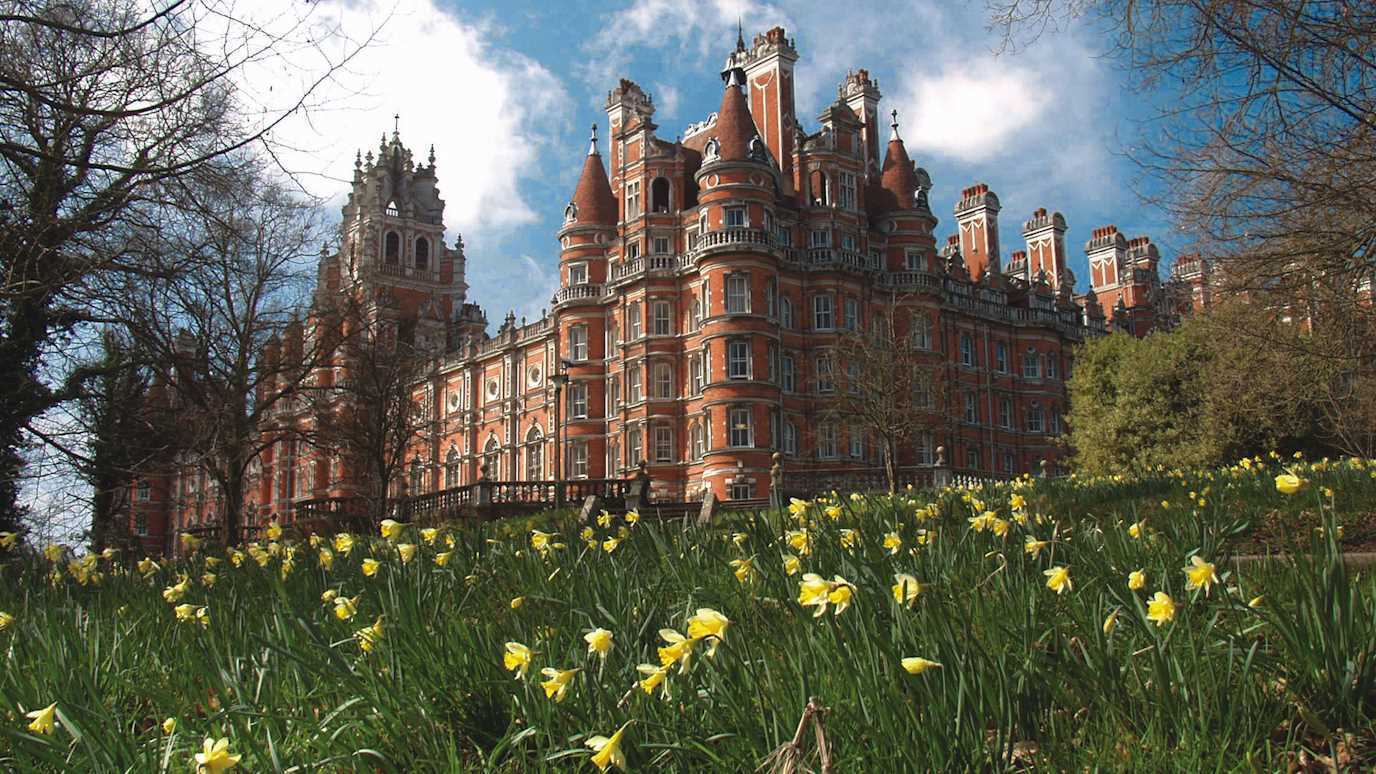
This specialised pathway within the MA in English Literature offers you the opportunity to develop your studies in nineteenth-century literature and culture in the midst of the outstanding Victorian architecture of our Egham campus. Led by experts from Royal Holloway’s field-leading Centre for Victorian Studies, the pathway introduces the key cultural forms, genres, and narratives that emerged during the Victorian period (1837-1901), an era characterised by industrialisation, globalisation, and dynamic social, political, environmental, and technological developments that continue to structure the world that we live in today.
You will explore canonical Victorian texts, including by authors such as Charles Dickens, the Brontë sisters, Arthur Conan Doyle, and George Eliot, alongside other important nineteenth-century writings and artworks that may be less familiar to you. This combination will allow you to explore significant events and ideas from diverse perspectives, from the heart of Dickensian London to colonial outposts in India, Australia, and the Arctic; from the painters of fashionable life to the panic surrounding the Whitechapel murders; from nineteenth-century periodicals to Neo-Victorian re-imaginings of the past.
Our modules examine nineteenth-century literary and artistic works – novels, poetry, short fiction, criticism, paintings, visual culture, and life-writing – that engage with Victorianism within Britain and from other perspectives beyond national and imperial boundaries.
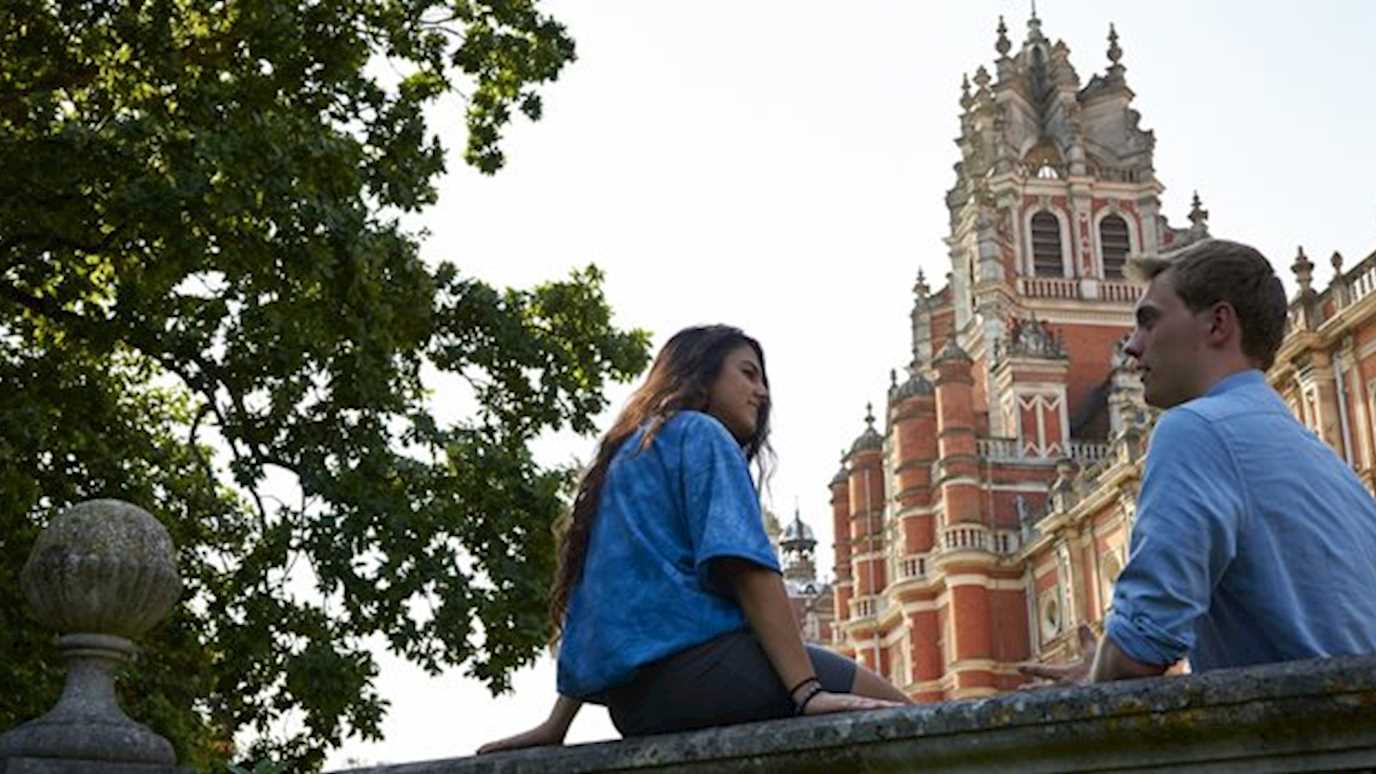
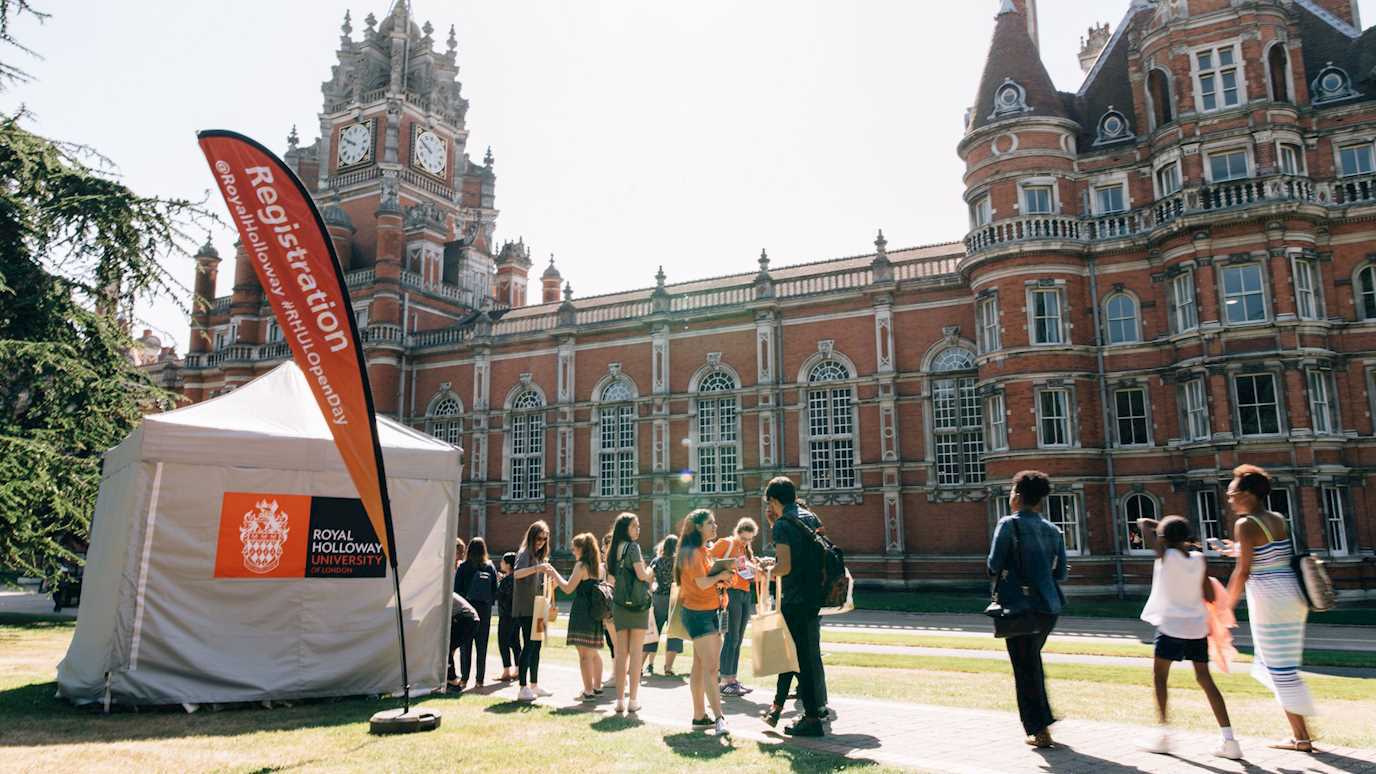
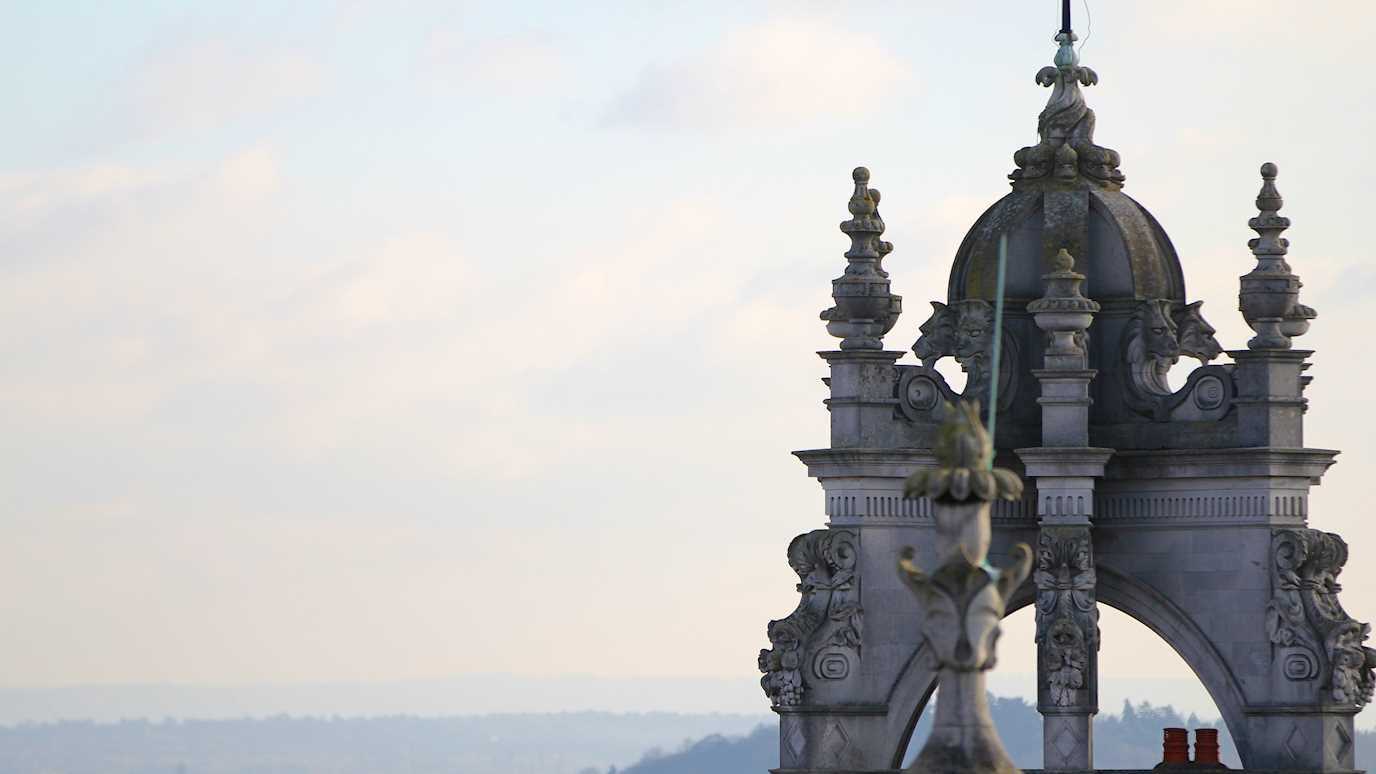
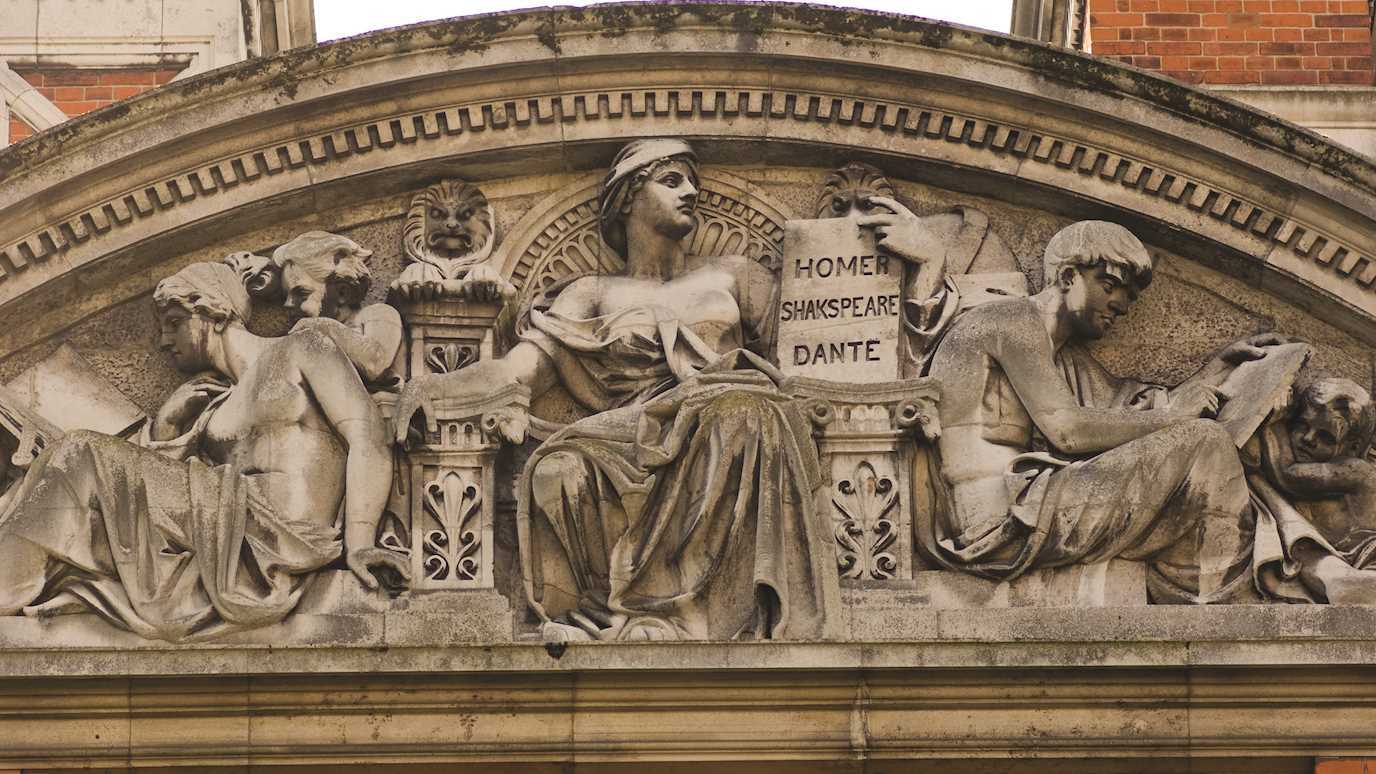
With the magnificent Victorian Founder’s Building and unique resources including the College’s own Victorian Picture Gallery and archives, you couldn’t ask for a better location in which to study the nineteenth century. With London just a short train ride away from the main College campus, you will benefit from first-hand experience of the Victorian cityscape and access to museums and archives.
The Centre for Victorian Studies holds on-campus research lectures, events, and workshops throughout the academic year. As students of University of London, you can also participate in events across the city. Your registration includes membership of the Institute of English Studies at Senate House (London WC1). Staff from the English Department convene seminars and reading groups there, such as the London Nineteenth Century Studies seminar.
We offer a wide range of postgraduate scholarships to help with funding your studies. We especially encourage eligible applicants to apply for one of the following:
Bedford Society Scholarship - £8,100 tuition fee reduction for Home or international students with, or expected to achieve, a First Class degree or equivalent.
Professor Barbara Raw Masters Scholarships for English - £10,000 scholarship for Home or international students with, or expected to achieve, at least a 2:1 or equivalent.
We sometimes make changes to our courses to improve your experience. If this happens, we’ll let you know as soon as possible.
Course structure
Core Modules
To qualify for this pathway, students must take the Cultural Keywords skills module, three optional modules, at least two of which must be on Victorian topics, and must write a dissertation on a topic in Victorian studies, to be agreed with their supervisor. Students must also complete an academic integrity course and a one-day course on research methods and materials.
-
This module investigates some of the common keywords used regularly and perhaps often unconsciously in literary and cultural studies and around which whole discourses have emerged. This module explores how the meaning of chosen keywords evolves over time, place, language, and culture, using a cultural studies approach. It aims to build students’ methodological skills by developing a reflexive and critical understanding of what words ‘do’ and how we use them. Materials used to explore the keywords will be drawn from a transnational corpus of literary, historical, philosophical and creative works and will make connections across languages, cultures, times, and geographic regions, developing skills in comparative analysis and cross-cultural awareness.
-
Using the skills learned during the taught parts of your MA, you will carry out your own independent research project. You will write a thesis of around 15,000 words on a topic of your choice which critically reflects upon established scholarship and provides original insight and independent judgements.
-
This module will describe the key principles of academic integrity, focusing on university assignments. Plagiarism, collusion and commissioning will be described as activities that undermine academic integrity, and the possible consequences of engaging in such activities will be described. Activities, with feedback, will provide you with opportunities to reflect and develop your understanding of academic integrity principles.
-
This module is designed to introduce you to a number of key topics related to the methods of postgraduate research, and to some of the resources and materials that will be useful to your studies.
Optional Modules
Below is a taster of some of the exciting optional modules that students on the course could choose from during this academic year. Please be aware these do change over time, and optional modules may be withdrawn or new ones added.
-
This module will introduce you to the theories and methods of a variety of humanities disciplines through an in-depth study of the literature, history, geography, and visual culture of nineteenth-century London. You will be asked to reflect critically on your own approach to the material studied, through engagement with both primary materials and a variety of recent secondary sources.
-
This module aims to equip you with a systematic understanding of the scope and range of the mid nineteenth-century novel in the context of Victorian publishing, reading and critical practices. We study a range of novels in depth, and discuss recent critical approaches to each text in order to provide you with a comprehensive understanding of the critical techniques and discourses that will be applicable to your own advanced scholarship in the assessed essay and final dissertation.
-
This module aims to equip you with a systematic understanding of the scope and range of the Pre-Raphaelite Movement in the context of Victorian art criticism, attitudes to gender and poetics. The first five-week block concentrates on poetry and the visual arts in the first decade of the movement; the second five-week block deals with the second generation of Pre-Raphaelites and their links with Aestheticism.
-
This module explores the relationship between Victorian literature and the ‘climates’ of the British Empire: its ecologies, social systems, aesthetics, politics, and histories of slavery, resource extraction, wealth, and violence. The module encourages students to reflect on the imbrication of Empire into a seemingly ‘domestic’ canon of Victorian literature and culture to rethink what (or where) we mean by the term ‘Victorian’, and to bring our analysis of the nineteenth century into the present day discussing how we continue to grapple with the legacies of nineteenth-century colonisation.
-
The Child in Victorian Literature forms a part of the Victorian Literature, Art, and Culture specialised pathway within the MA in English Literature at Royal Holloway.
This module will allow you to explore a range of texts written for and about children in the nineteenth century, exploring canonical literature, art works, and photographs that engage with the development of childhood in the Victorian era and also explore how childhood came to inform wider social development and critique during this time.
You will explore texts including Catherine Sinclair’s Holiday House, Charles Dickens’ The Old Curiosity Shop, and Rudyard Kipling’s The Jungle Book to consider how the Victorian child was impacted by industrialisation, colonialism, and the development of a literature specifically for children, while also engaging with visual representations of childhood from Victorian fairy paintings to illustrated nursery rhymes.
This module will encourage a close-reading approach, combined with an engagement with relevant contextual and theoretical sources, to consider how developments in what we understand as childhood impacted on Victorian life and literature.
Teaching & assessment
For full-time students the course lasts an academic year from September to September; part-time students pursue the course over two years, completing the core MA English Literature module and one other course in their first year; the remaining course(s) from the four required in total and the dissertation in their second year.
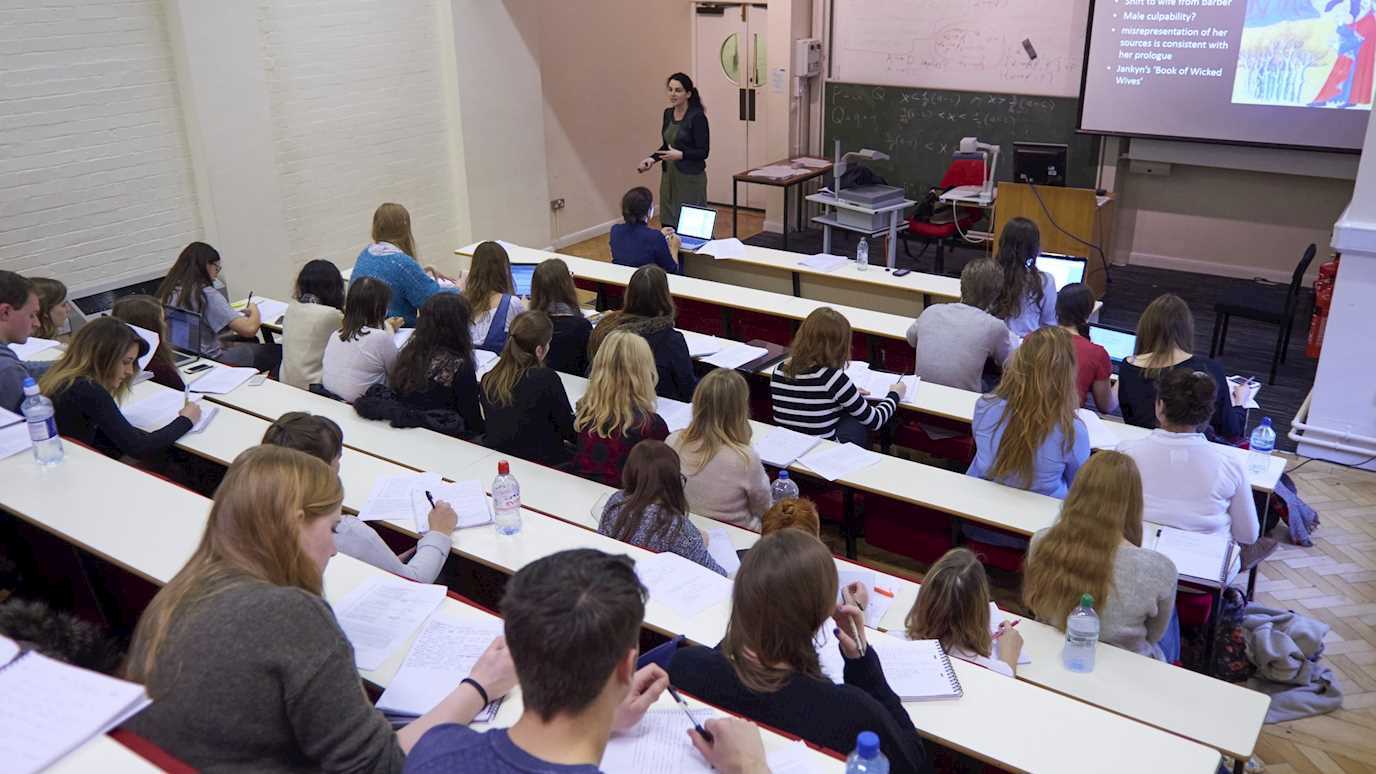
All courses are taught by means of one weekly structured two-hour seminar and each course lasts for a term of 11 weeks in total. A full-time student thus has four hours of seminars a week for two terms and then further dissertation workshops and discussion groups in the summer term, in addition to individual supervision in the process of completing dissertations. Students will receive formal written feedback on written and oral assessments throughout the two terms and can see staff individually during their office hours. In addition to scheduled seminars, all students on the programme are invited and encouraged to attend optional extracurricular activities, such as archival handling and curatorial workshops, academic walking tours of London, and research seminars organised by the Centre for Victorian Studies. All taught courses are examined by shorter mid-term assessments and one final essay of 5,000 words. Students will submit their final essays during the January and May assessment periods.
The dissertation, to be completed over the summer period, will be a piece of original written work of up to 12,000 words (excluding bibliography and appendices). The topic of the dissertation will be agreed between the student and their academic supervisor. Dissertations are submitted at the end of the programme in the first week of September. Students may also be required to complete an unassessed research proposal and bibliography during the summer term.
Entry requirements
2:2
UK Lower Class Honours degree (2:2) or equivalent in a relevant subject.
Candidates with professional qualifications or relevant professional experience in an associated area will also be considered.
Applicants come from a diverse range of backgrounds and we accept a broad range of qualifications (including first degrees in subjects other than History).
An interview may be required if we would like more information upon which to base a decision. Applicants unable to attend an interview, such as overseas students, will be interviewed by telephone.
Academic writing sample of 1,500-3,000 words will be required. This could be an extract from a dissertation or an essay, showing your ability to analyse literature. Requirements are:
• Make an argument grounded in thorough analysis of textual details of works (including carefully selected quotations).
• Show evidence of research (for example journal articles, books, other sources) which expand or support the argument, including a bibliography.
When applying for the MA English Literature course please select MA English Literature from the list of courses and then select MA English Literature: Victorian Literature, Art and Culture from the pathway menu.
International & EU requirements
Bachelors Degree/ Bachelor Honours Degree: GPA 2.6
Masters degree: GPA 3.0/ 80%
Diplomë e Integruar e Nivelit të Dytë:or Diplomë e Nivelit të Parë: 7/10, or Master i Shkencave në Mjekësi të Përgjithshme / në Mjekësi Veterinarë / ne Stomatologji: 7/10
Licence, Diplôme, Diplôme d'Études Supérieures, Diplôme de Docteur en Pharmacie: 11/20
Batxelor: 5/10
Grau de Licenciado/a: 13/10
Bachelor degree from The University of the West Indies: GPA 2.5
Título, Grado de Licenciado/A: 6/10
Specialist Diploma, (Diplom bakalavri astichan), Bachelor degree from American University of Armenia: 70%, GPA 3.0 out of 4, or 14 out of 20
Bachelor degree (Honours) with a 2:2, or a Bachelor degree (Ordinary) with a Pass with 57% overall.
Bachelor degree or Fachhochschuldiplom/Diplom (FH): Bestanden- PASS, Befriedigend - Satisfactory, or 3 out of 5
Bachelor degree (Bakalavr) or Specialist Diploma with 3.5 out of 5 or 70% overall.
Bachelor degree from The University of the West Indies: 2:2, GPA 2.5
Bachelor degree: 2.6/4 or 3.2/5 or 65%
4 year Bachelor degree from Bangladesh University of Engineering and Technology (BUET) with a First Class Division or a Masters Degree following a 3 or 4 year degree.
Specialist Diploma 6/10, or Bachelor Degree 8/10
Bachelor degree with grade 12 overall or the Licentiaat or Licence and other two cycle diplomas with grade 12 overall.
Bachelor degree from The University of the West Indies: 2:2 or GPA 2.5
Diplôme d'études Approfondies/Supérieures/Master: 13 out of 20
Bachelors degree: 60%
Licenciado/Titulo de.... :60%, or Titulo de Bachiller Universitario: 70%
Diploma Visokog Obrazovanja Diploma Visokog Obrazovanja / Diplomirani with Grade 8
Bachelors or Masters: 60%
Título de Bacharel/ Titlo de... 6.5/10
Bachelor degree from The University of the West Indies: 2:2
Bachelor (Honours) Degree: Lower Second Class, or Bachelor (Ordinary) Degree GPA 2.5/5
Bakalavar or Diploma of Completed Higher Education with a Grade 4 out 6 overall.
Diploma d’Etudes Approfondies: 13/20
Diplome d’Etudes Approfondies: 70%
Masters degree: 60%
12/20 or GPA 2.5/4
4 year Bachelor degree with 62%, a GPA 2.5 out of 4, Grade 6 out of 12 or grade C+ overall OR 3 year Bachelor degree with 73%, a GPA of 3.1 out of 4, Grade 8 out of 12 or grade B overall, depending on the grading scheme.
Grau de Licenciado/a: 13/20
The University of the West Indies, or University of College of the Cayman Islands: 65%
Diplome d’Ingenieur (non-honours): 14/20
Diplôme d'Etat de Doctorat en Médecine, Diplome d'Etudes Approfondies 13/20
Grado de Licenciado en..., or Grado de Bachiller: 4.6/7
4 year Bachelors degree with an overall 65% to 70% or GPA of 2.8 to 3.0 out of 4.0 depending on the institution.
Licenciado en, Licenciado en, or Diploma de: 3.5/5
Licenciado, Bachiller: 7.5/10
Diplôme d'études supérieures spécialisées, Diplôme d'études approfondies, Diplôme d'Etat de docteur en Pharmacie: 13/20
3 out of 5 overall in the Baccalaureus Prvostupnik or Visoko Obrazovanja/Level VII/1 (second level degree obtained on completion of 4-6 year course).
Titulo de Licenciado/ Arquitecto / Inginiero / Doctor: 3.5/5
Overall 6.5 out of 10 or a GPA of 2.5 out of 4 in a Bachelor degree from a public university, Ptychion (from University of Cyprus) or Bachelor degree awarded by a private institution (the programme must be accredited by the Ministry of Education and Culture).
Bakalar with dobre (good), score of 2 or Grade C overall.
Diplome d’Etudes Speciales, Diplome d'Etudes Approfondies, Maistrise/Diplome d'Ingenieur/Diplome d'etudes superieures:
7 from 13 points grading system or 4 from 7 points grading system in a Bachelor degree, Candidatus Philosophiae or Professionbachelor.
Diplome d'Ingenieur Bien, or Maitrise/ Master: 14
The University of the West Indies: Lower Second Class Honours, or BSc in Nursing from Dominica State College
Licenciado/Titulo: 75%
Titulo de Licenciado/a from Universidade Nacional Timor Lorosa'e
Titulo de Licenciado/ Titulo: 7/10 OR 70%
University bachelors degree with a GPA of 2.4 overall or 65% overall
Licenciado/ Titulo de: 6.5/10
Masters Degree: 2.6/4
71-80%, 3 or C overall in a Bakalaurusekraad/Diploma, Magister or Magistrikraad
2.5 out of 4
Bachelor Degree: 2.5 or overall grade Satisfactory
GPA of 1.4 where marks are in 1 - 3 system or GPA of 2.5 where marks are in 1 - 5 system in a Kandidaattii/Kandidat or Maisteri/Magister
Licence awarded from 2009 with grade 10-11.99 or Maitrise (pre-Bologna) with grade 11
Diplome D'Ingenieur, or Maitrise: Bien
Master's degree: 60%/ GPA 2.7/4.3
Bakalarvis Khariskhi: 71%
Grade 3 overall in a Bachelor, Fachhochschuldiplom or Magister Artium
Bachelor degree with a Second Class Lower Division overall.
6 out of 10 overall in a Diploma from the Faculties of Engineering and Agriculture or a Ptychion (Bachelor degree) awarded by an AEI.
Bachelor degree from The University of the West Indies: GPA 2.5
Licenciado/ Titulo: Pass mark of 51% University: 60% or Pass mark of 61% Universities: 70%
Diplôme d'Etat de docteur en médecine, or Diplome d’Etudes Superieures/Maitrise/Diplome d’Etudes Approfondies : 14/20
65%, or 3.0 out of 4
Titulo de Licenciado/a/Grado Academico de Licenciatura: 70%
Bachelors degree degree with a Second Class Honours, Lower Division.
Egyetemi Oklevel /Foiskola Oklevel/ Alapfokozat with 3 out of 5 overall.
Baccalaurreatus with grade 6.5 out of 10 overall or Kandidatsprof / Cadidatus Mag with 6 out of 10 overall.
Bachelor degree with 55% to 60% overall or a CGPA of 5.5 to 6 out of 10 overall depending on the NIRF 1-100 institution ranking
Bachelor degree or Diploma IV with overall GPA of 2.8.
Bachelor Degree/Professional Doctorate with 12 out of 20 overall.
Bachelor’s degree (four years) in Medicine/Dentistry/Veterinary Medicine/Pharmacy/Architectural Engineering with 70% overall.
Bachelors degree with at least 65% overall depending on the mark scheme.
Diploma di Laurea or Licenza di Accademia di Belle Arti with 80 out of 110 overall.
Bachelor degree (when accredited by the University Council of Jamaica, or when awarded by the Council of Community Colleges of Jaimaica): Second Class Lower Division
Bachelor degree (Gakushi) with a B overall, dependent on the mark scheme.
Bachelor degree: GPA 2.8 out of 4, Good, C, 68%
Bakalavr or Specialist Diploma with 3.5 out of 5, 75% or 2.67 out of 4.33, or 2.67 out of 4 overall.
Bachelor degree with a Second Class Honours (lower division) overall.
Bacelor/Bachelor Degree: C - Good
Bachelor degree with B or a GPA of 2.6 overall.
Specialist Diploma, Bachelor Degree, Masters Degree: 3.0 out of 4 or 4.0 out of 5
Masters degree: C or GPA 2.0
Bakalaura Diploms or Professional Bakalaura Diploms with Grade 6 overal.
Bachelor Degree/ Licence: 70%
Masters Degree: 65%
Master's degree: 70% or GPA 2.4 out of 4.0
Bachelor Degree of Medicine/Surgery/Architecture/Engineering: 65% or 2.6/4
Dipl Ing (FH) or Dipl Arch (FH) from Liechtenstein Technical College with a Grade 4.4/6 overall.
7 out of 10 overall in a Bakalauras or Specialist Diploma.
Bachelor or Diplome d'ingenieur industriel: 14/20
Licenciatura: Lower Second Class Honours or GPA 2.5
Diplome d'Ingenieur: 13/20
Masters Degree: 60%
Bachelor degree with Class 2 Division ii, B or 2.6 out of 4.0 overall.
Bachelor degree (Maldives National University): GPA 2.5
Diplôme d'Etat de docteur en Pharmacie: GPA 15 out of 20
Honours degree with a Second Class (Lower Division) overall.
Maitrise: 13/20
Bachelor Degree: Class II division II
Titulo de Licenciado/Titulo: GPA 7 out of 10 or 70%
Diplomă de Licenţă: 7/10
Bachelor degree (awarded after 2012): 80 out of 100
Masters Degree: 70%
Diploma o završenim osnovnim akademskim studijama: Grade C
Licence/Licence d'Etudes Fondamentales/Licence Profesionnelle: GPA 111 out of 20
Grau de Mestre: 12/20
Master's degree: 60%
Bachelor Honours / Professional Bachelor degree: 60%
Bachelor degree (4 years) or Master's degree (following a 3-year Bachelor degree): 65%
Bachelor degree or Doctoraal with Grade 6.0 out of 10 overall.
Bachelor degree Honours or Ordinary with an overall Grade C+ or Grade 3 out of 9 points grading system.
Licenciado/Titulo: 80%
Diplôme d'études Approfondies or Diplôme d'études Supérieures Spécialisées: 15 out of 20
Bachelor degree with a Second Class Honours, Lower Division or overall GPA of 2.4 out of 5.
Visoko Obrazovanja with 7 out of 10 overall.
Bachelor degree GPA 2.6 to 2.8 depending on your institution.
Bachelor degree, Candidatus Magisterii, Sivilingeni-r (siv. ing.) (Engineering degree ) or Sivil?konom (siv. ?k.) (Economics degree) Grade D or 3.25 where 1 is the highest.
Bachelor degree with an overall GPA of 2.6/4
4 year Bachelor degree or combined bachelors degree and Master degree for the duration of 4 years with 58% - 65% or a CGPA of 2.8 - 3.2 overall depending on your institution.
Bachelor degree: GPA 3.0 out of 4.0, 80%, B
Licenciado/ Titulo: 70%
Bachelor Honours Degree: Class II, Division B
Titulo de Licenciado/ TItulo: 3.5/5
Grado Academico de Bachiller: 13/20
Bachelor degree (awarded from 2022): 2.5/4, or Masters degree: 2.5/5
Licencjat, Inzynier or Bachelor with grade 4 out of 5
Diploma de Estudos Superiores Especializadoswith grade 14 overall or Licenciado with grade 13 overall.
Bachelor degree: 70/100 or GPA 2.0 out of 4.0
Bachelor degree with an overall GPA of 2.8 overall.
Maitrise: 13/20
Diploma de Licenta, Diploma Inginer or Diploma de Arhitect with 7.0 out of 10 overall.
Bakalavr Bachelor degree or Specialist Diploma with 3.5 out of 5 or 70% overall.
Bachelor Honours Degree: 13/20
Bachelor degree when studied at University of South Pacific, Samoa: GPA 2.5
Licenciatura: 13/20
Bachelor degree with 65%, 3.25 out of 5.0 or 2.5 out of 4.0 overall.
Diplom Visokog Obrazovanja (second-level degree obtained on completion of a four to six-year course) with 7 out of 10 overall.
Bachelor Degree: Lower Second Class
Bachelors Degree (Honours): Lower Second Class
Bachelor degree (from a public university) with a Class II (lower) overall.
Bakalar or Magister / Inzinier with vel'mi dobre (very good) or Grade 2 overall.
Diplomirani / Diplomirani Inzenir from Visoko izobrazevanje, University Diploma or Visoko Obrazovanja (until 1999) with 7 out of 10 (8 for Visoko Obrazovanja) overall.
Bachelor degree when studied at University of South Pacific, Vanuatu: GPA 2.5
Bachelor (Honours), Bachelor or Professional Bachelor degree with 60% or Second Class Lower Division.
Bachelor (Haksa) degree with 3.0 out of 4.5, 2.9 out of 4.3 or 2.8 out of 4.0.
Bachelor Honours degree: 2.5/4.0 Division Two Lower
Licenciado, Titulo de Ingeniero or Titulo de Arquitecto with 6 out of 10.
Bachelor degree from The University of the West Indies: GPA 2.5 Second Class Honours, Lower Division
Bachelor degree from The University of the West Indies: GPA 2.5 Second Class Honours, Lower Division
Bachelor degree from The University of the West Indies: GPA 2.5 Second Class Honours, Lower Division
Bachelor Honours Degree: 60%
Bachelor degreee, Masters Degree, MO-B Akte Diploma: Met Genoegen (Good)
Bachelor degree: 70%
Bachelor degree from National University or Private University with 68% to 73% or GPA 2.8 to 3.0 depending on your institution.
Specialist Diploma: 3.5/5
Bachelor degree with a 2nd Class Honours (Lower) overall.
Bachelor degree GPA 2.4 to 2.6 depending on your institution.
Diplôme d'études supérieures, Diplôme d'études approfondies: 13/20
Bachelor or Masters degree from the University of the South Pacific: 70%/ B+
Bachelor degree (when accredited by the Accreditation Council of Trinidad and Tobago (ACTT)): Lower Second Class Honours
12 out of 20 (Assez Bien)
Bachelor degree GPA 2.6 to 2.8 depending on your institution.
Ýokary bilim hakynda şahadatnama: 3.5/5
Bachelor degree (accredited by the Council of Community Colleges of Jamaica)
Bachelor degree: Class II Lower/ Honours Lower/ 3.0-3.9/ B
Bachelor degree (post 2007) or Specialist Diploma (after 1991) with a Grade 3, 9 out of 12 or 3.5 out of 5 overall.
Bachelor degree with 80%, a GPA of 2.8 out of 4, C+ or Good overall.
Bachelor degree with a GPA of 2.6 overall.
Bachelor Honours Degree: GPA 2.5 or Second Class Honours, Lower Division
Titulo de Licenciado/Titulo: GPA 7/12
Diplomi: 70%
Kandidatexamen with at least a Pass (godkand) overall.
Bachelor degree when studied at University of South Pacific, Vanuatu: GPA 2.5
Titulo de Licenciado/Titulo: 70% or 11 from high ranking institution
Bachelor degree or Bang tot nghiep dai hoc with 6.5 out of 10.
Masters Degree: 63%
Masters Degree: 55%
60%-64%, Second Class Honours, Lower Division
English language requirements
- IELTS: 6.5 overall. No subscore lower than 6.0.
- Pearson Test of English: 67 overall. No other subscore lower than 64.
- Trinity College London Integrated Skills in English (ISE): ISE III.
- Cambridge English: Advanced (CAE) grade C.
- TOEFL iBT: 88 overall with Reading 22 Listening 20 Speaking 22 Writing 24.
- Duolingo: 120 overall and no sub-score below 115.
Your future career
The Department has an impressive record for placing graduates in academic jobs and in prominent position outside academia. In the field of Shakespeare and Renaissance studies alone, our postgraduates have recently secured positions at the Universities of Edinburgh, Sussex and Leeds, Shakespeare’s Globe Theatre and the National University of Ireland. Recent postgraduates in America literature, modern and contemporary literature and theory have secured prestigious appointments in London.
The English Department also prepares postgraduates for successful careers in a variety of the other areas, such as:
- teaching
- writing and journalism
- administration
- marketing
Fees, funding & scholarships
Home (UK) students tuition fee per year*: £12,000
EU and international students tuition fee per year**: £27,000
Other essential costs***: There are no single associated costs greater than £50 per item on this course.
How do I pay for it? Find out more about funding options, including loans, grants, scholarships and bursaries.
* and ** These tuition fees apply to students starting their course on a full-time basis in the academic year 2026/27. Students studying on the standard part-time course structure over two years are charged 50% of the full-time applicable fee for each study year.
Royal Holloway reserves the right to increase all postgraduate tuition fees annually. For further information, see fees and funding.
** These estimated costs relate to studying this particular degree at Royal Holloway during the 2026/27 academic year, and are included as a guide. Costs, such as accommodation, food, books and other learning materials and printing, have not been included.