



Key information
Duration: 1 year full time
Institution code: R72
Campus: Central London
UK fees*: £16,100 (Jan 2026 entry), £16,700 (Sep 2026 entry)
International/EU fees**: £28,300 (Jan 2026 entry), £29,300 (Sep 2026 entry)
The course
Digital Marketing (MSc)
Study our dedicated digital marketing degree course at our central London campus. If you are a finalist or recent graduate (any subject) wanting to boost your employability, this degree course will provide you with the knowledge and skills needed for the digital era.
Being one of a few specialist digital marketing Masters degree courses in the UK you will gain a 360 degree perspective of digital marketing from digital branding and advertising to the consumer journey and metrics.
On graduating you will be able to create and analyse digital strategies and make well informed tactical and strategic decisions, having studied in the context of Royal Holloway Marketing’s distinctive critical ideology. You will be confident in using acquired skills to communicate strategies to stakeholders at all levels.
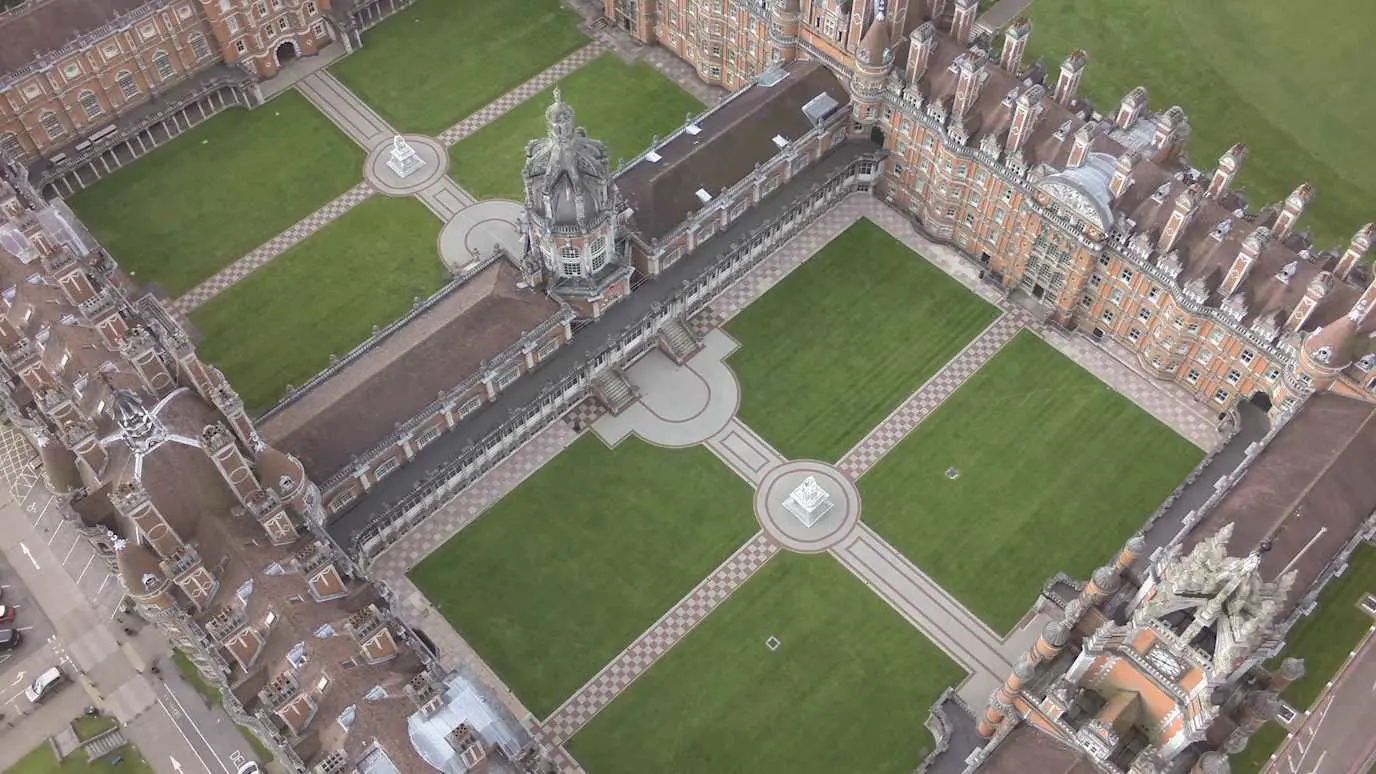
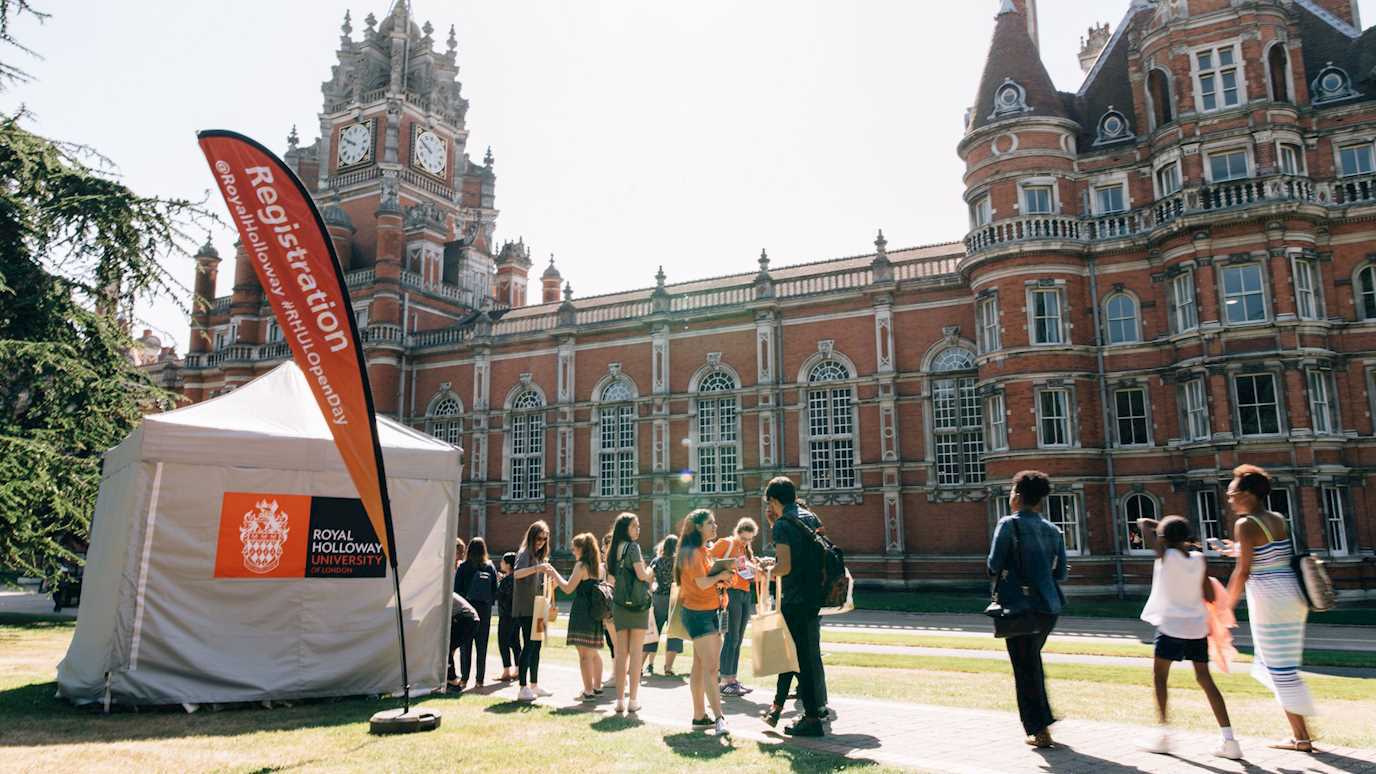
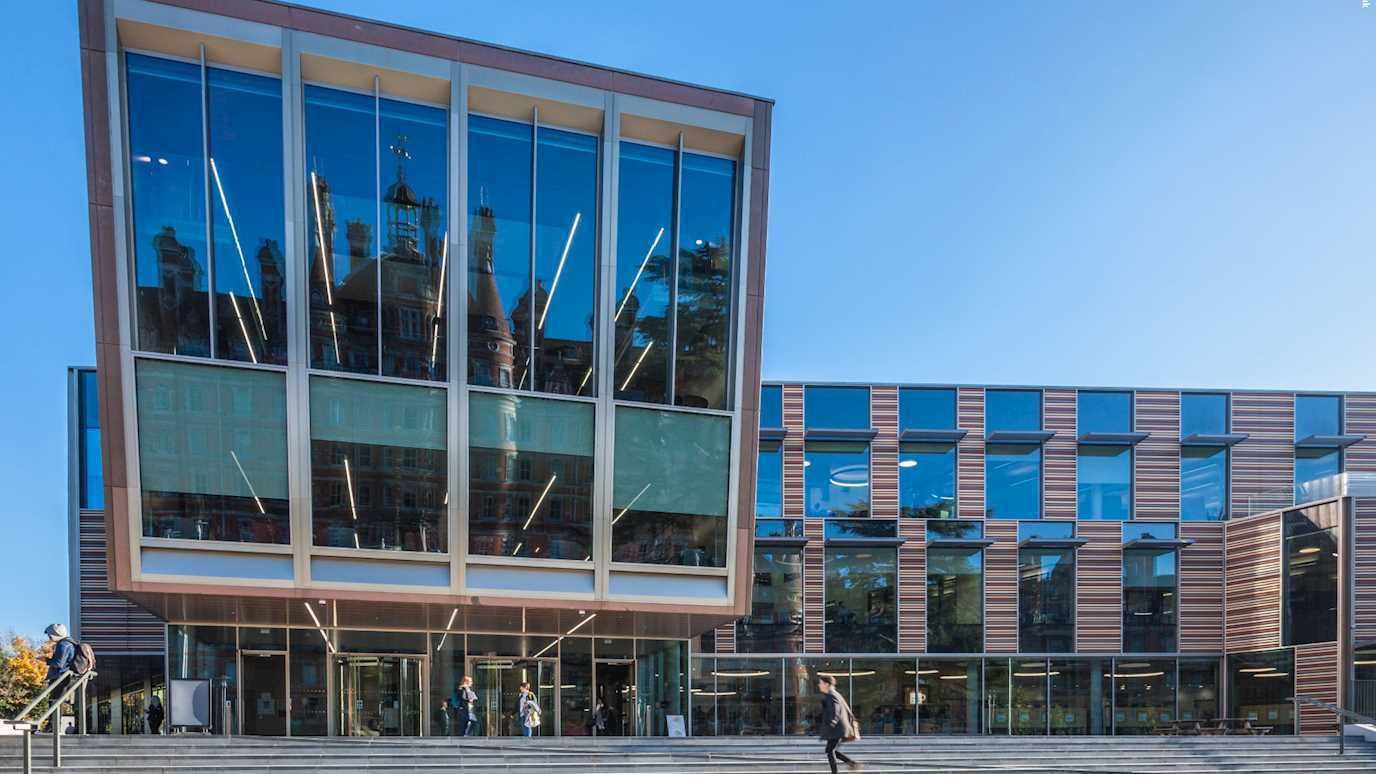
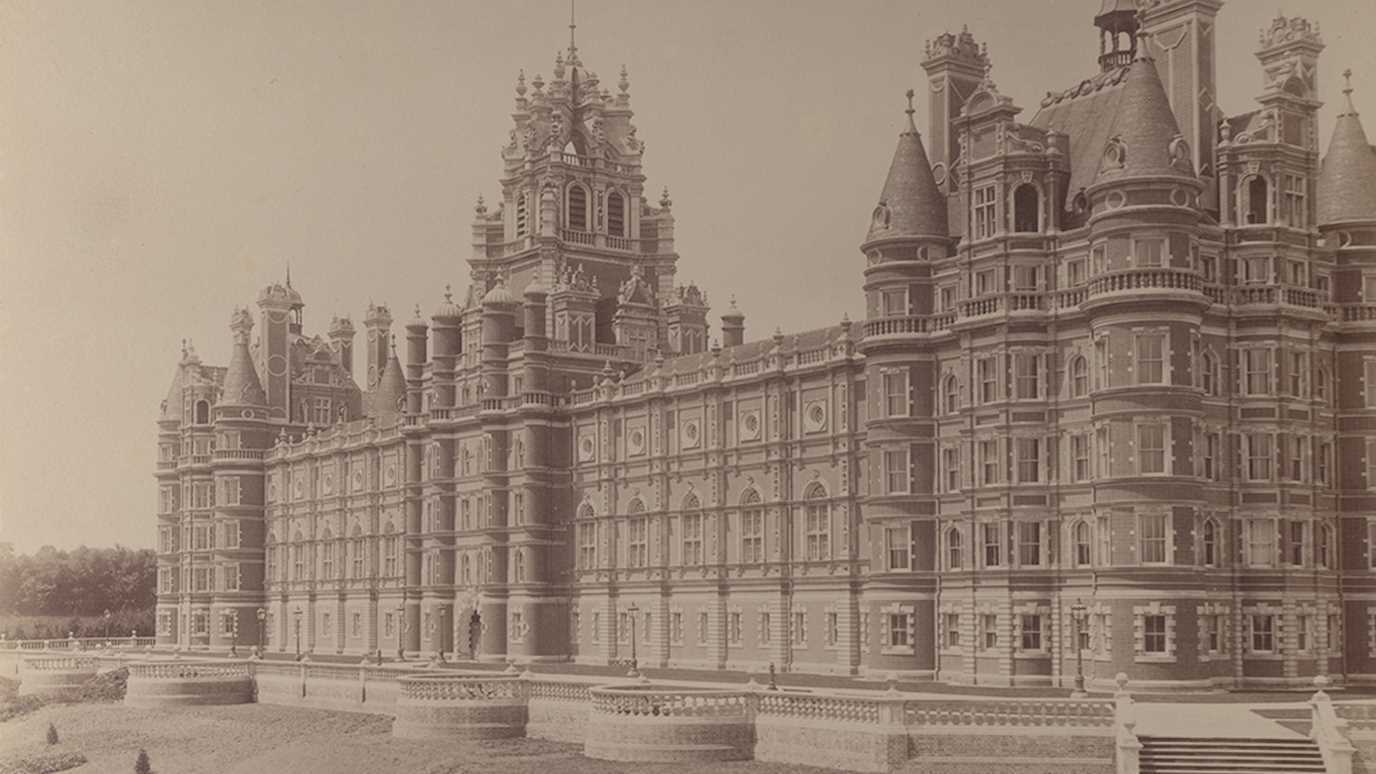
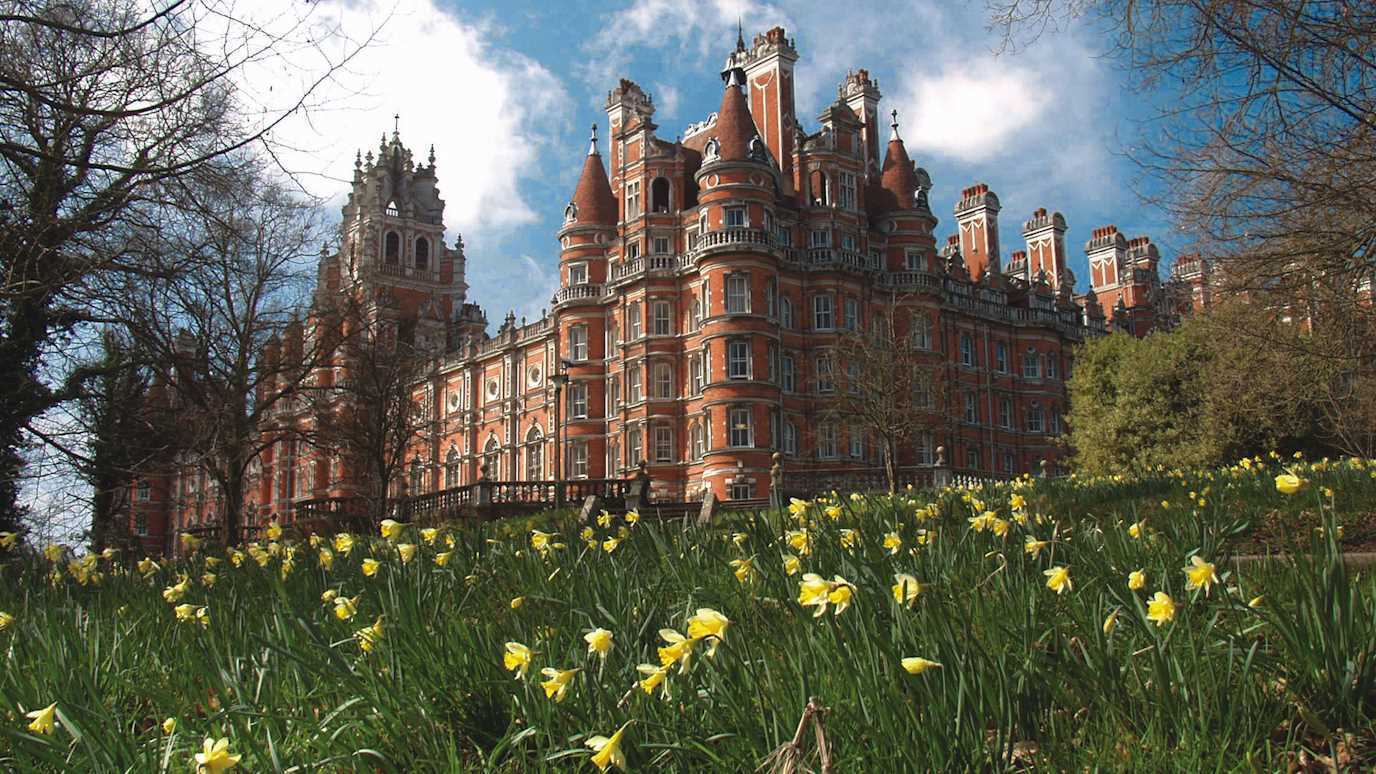
You will enjoy studying in our historic University of London buildings in central London and work with our experienced academic staff to realise your full potential.
Reasons to choose Digital Marketing MSc at Royal Holloway:
- Innovative and effective Management School, with our Marketing ranked 20th in the UK (Complete University Guide 2025).
- Accredited by CIM (The Chartered Institute of Marketing). On completing this course you'll be able to apply for exemptions.
- Great career prospects in digital marketing and any other related discipline.
- Flexible studies over two days a week, combined with extensive self-study.
We sometimes make changes to our courses to improve your experience. If this happens, we’ll let you know as soon as possible.
Course structure
Core Modules
-
In this module, you will be introduced to the core concepts of digital marketing strategies and establish the fundamentals of developing these strategies, methods, and practices. Further, the module discusses the core frameworks and tools to assess companies’ digital marketing strategies at micro and macro levels, including activities and outcomes for consumers and corporations and when there are shifts in society
-
Students will learn how marketers are rising to the opportunity of big data and attempting to deliver the promise of truly 1-2-1 marketing. They will explore attribution and its importance in effectively allocating spend as part of omnichannel marketing. Students will develop an understanding of web analytics and social media engagement by considering the usefulness of a wide range of digital metrics across the engagement funnel. Students will gain an understanding of how to evaluate a marketing campaign’s effectiveness (e.g. ROI, ROAS…) by carefully considering objectives, outcomes, KPI’s, targets, and metrics selection and how these might be used to create a management dashboard. The module will also consider the current regulatory landscape for data compliance and study a range of current ethical issues. Students will learn how digital has been causing a paradigm shift from outbound to inbound marketing. With greater focus put on content creation and curation, the module will explore how organisations seek to compete for the attention of audiences through organic means (search engine optimisation) and paid or boosted means (e.g. Adwords). The module will consider the dynamic nature of algorithms and wider ethical governance issues. Students will learn how brands can harness electronic word of mouth through affiliate marketing to amplify their messages and reach a wider audience.
-
This module will use the principles of Design Thinking to consider how digital customer journeys are designed and delivered. Students will learn how to develop salient consumer insights to be able to explain multi-touch point customer experiences. Using the principles of agile design, students will learn how to develop emotionally engaging customer personas and use them to design extraordinary experiences. The module will consider how to develop effective email and social customer relationship management engagement.
-
This course aims to provide students with an overview of the art and discipline of digital brand storytelling across social media and online platforms. Students will learn how to harness the power of storytelling to build brands across digital platforms thus forging relationships with consumers and driving revenue.
The first part of the course will introduce students to the concept of storytelling as adopted by organizations to build relationships with the brand. Taking a historical view, students will recognize how the growth of social media and digital platforms has taken the role of digital storyteller to new heights, helping organizations to drive their brand value proposition.
Students will learn how narratives and content creation as originating from consumers outweigh the impact of firm-oriented narratives. They will be introduced to brand personas and brand narratives, as strategic tools adopted by business leaders in storytelling and in so doing will also address the issue of authenticity. The course will examine the science behind stories, exploring a number of different tried and tested storytelling frameworks for digital story building, including the story (narrative) arc, and Gustav Freytag’s pyramid. Students will be expected to critically assess the pros and cons of each and to identify which frameworks are most effective in constructing stories, which maximize impact on consumer-brand relationships.
Finally, taking a case study analysis approach, the course will unpack a series of real-world digital brand stories including for e.g. Burberry, Airbnb and Naked Wines. Focus will also be on the inspiring, higher purpose, social stories which have emerged from brands such as TOMS, Dove and Lifebuoy. Students will learn how to create storyboards and to undertake a story brand audit, critically examining how real brands have utilized multiple digital platforms to tell and sell their stories.
-
This module engages with numerous fields including cultural studies, media studies, philosophy, and sociology in order to ensure that digital marketing is explored and understood not exclusively in terms of its immediate practical implementation and commercial potential, but also in terms of broader cultural impacts. Accordingly, this module seeks to survey the broader cultures of online activities as they become raised in public debates, considering phenomena like ‘fake news’, online dating, the harassment of women in online discussions, surveillance, mood management, the manipulation of debate, affective mapping etc.
-
Advertising lies at the centre of the digital marketing movement. Promotion, order reconciliation, search and service communication can all be embedded within advertising on digital platforms. Digitisation is changing the world of advertising, yet, old media remain stubbornly important and the craft skills of the traditional advertising communication disciplines that cannot be replaced by algorithms. This course critically examines the implications of digitisation for advertising from the departure point of the advertising and media agencies who are adapting to the digital era. Advertising as we know it is not being swept away by digitisation, it is changing in form, content and strategy. This course shows students how the digitisation of advertising for marketing is an evolutionary process and it attempts to show the lines of continuity between old media marketing and advertising, and new.
-
The aim of this module is to prepare you for work on your independent business project. The module introduces various elements involved when undertaking the project, namely: topic choice, report structure, formulating research questions, research design principles, primary and secondary data collection, sampling decisions, how to collect quantitative and qualitative data, and data analysis and interpretation. The module will run over two terms (Part 1: Quantitative methods will be covered in the Spring term; and Part 2: Qualitative methods will be covered in the Summer term).
-
This module explores key issues, new trends, future opportunities and challenges in digital marketing. You will be introduced to contemporary developments and consider how they impact the digital world and marketing practice, and you will get an insight into latest technologies, industry developments and practices as well as latest research in digital marketing. The module will cover a range of contemporary issues, such as, amongst other emerging technologies’ impact on digital marketing (Martech, metaverse, artificial intelligence, consumer intelligence scouting and social listening...etc) global crisis, harnessing digital marketing for a better work and how gender, diversity, and equality impact digital marketing.
-
The module will facilitate the development of key employability skills such as critical thinking, problem-solving, teamwork, communication skills and client service skills. You will develop a sound understanding of the role of the consultant and the process of consultancy in the digital marketing space and using action learning you will engage in authentic projects to understand the real world of digital marketing. The module will include a project where you will be required to carry out work required to achieve a particular outcome as prescribed by a client and you will be required to present findings back to them. The consultancy assignment itself will take one of many forms in accordance with the client’s requirements, this may be (but not limited to) providing information, providing a solution, conducting a diagnosis, providing recommendations, or assisting implementation.
-
In this capstone module you will be given a topic, drawn from current issues faced by businesses, and you will be expected to identify and select an organisational or industry context. You will expected to undertake a substantial review of secondary sources, comprising both academic journals and industry publications. Using relevant market research techniques, you will undertake a substantive and unique primary research study, providing a critical analysis with key insights. You will be asked to make justified and feasible managerial suggestions, prepare an executive summary, and deliver a presentation to communicate your findings.
-
This module will describe the key principles of academic integrity, focusing on university assignments. Plagiarism, collusion and commissioning will be described as activities that undermine academic integrity, and the possible consequences of engaging in such activities will be described. Activities, with feedback, will provide you with opportunities to reflect and develop your understanding of academic integrity principles.
Teaching & assessment
Assessment is carried out by a variety of methods including essays, group projects, workshops, case studies and a dissertation.
Entry requirements
2:2
UK Honours degree or equivalent in any subject.
Candidates with substantial and relevant professional qualifications or professional experience in an associated area will also be considered.
International & EU requirements
Bachelors Degree/ Bachelor Honours Degree: GPA 2.6
Masters degree: GPA 3.0/ 80%
Diplomë e Integruar e Nivelit të Dytë:or Diplomë e Nivelit të Parë: 7/10, or Master i Shkencave në Mjekësi të Përgjithshme / në Mjekësi Veterinarë / ne Stomatologji: 7/10
Licence, Diplôme, Diplôme d'Études Supérieures, Diplôme de Docteur en Pharmacie: 11/20
Batxelor: 5/10
Grau de Licenciado/a: 13/10
Bachelor degree from The University of the West Indies: GPA 2.5
Título, Grado de Licenciado/A: 6/10
Specialist Diploma, (Diplom bakalavri astichan), Bachelor degree from American University of Armenia: 70%, GPA 3.0 out of 4, or 14 out of 20
Bachelor degree (Honours) with a 2:2, or a Bachelor degree (Ordinary) with a Pass with 57% overall.
Bachelor degree or Fachhochschuldiplom/Diplom (FH): Bestanden- PASS, Befriedigend - Satisfactory, or 3 out of 5
Bachelor degree (Bakalavr) or Specialist Diploma with 3.5 out of 5 or 70% overall.
Bachelor degree from The University of the West Indies: 2:2, GPA 2.5
Bachelor degree: 2.6/4 or 3.2/5 or 65%
4 year Bachelor degree from Bangladesh University of Engineering and Technology (BUET) with a First Class Division or a Masters Degree following a 3 or 4 year degree.
Specialist Diploma 6/10, or Bachelor Degree 8/10
Bachelor degree with grade 12 overall or the Licentiaat or Licence and other two cycle diplomas with grade 12 overall.
Bachelor degree from The University of the West Indies: 2:2 or GPA 2.5
Diplôme d'études Approfondies/Supérieures/Master: 13 out of 20
Bachelors degree: 60%
Licenciado/Titulo de.... :60%, or Titulo de Bachiller Universitario: 70%
Diploma Visokog Obrazovanja Diploma Visokog Obrazovanja / Diplomirani with Grade 8
Bachelors or Masters: 60%
Título de Bacharel/ Titlo de... 6.5/10
Bachelor degree from The University of the West Indies: 2:2
Bachelor (Honours) Degree: Lower Second Class, or Bachelor (Ordinary) Degree GPA 2.5/5
Bakalavar or Diploma of Completed Higher Education with a Grade 4 out 6 overall.
Diploma d’Etudes Approfondies: 13/20
Diplome d’Etudes Approfondies: 70%
Masters degree: 60%
12/20 or GPA 2.5/4
4 year Bachelor degree with 62%, a GPA 2.5 out of 4, Grade 6 out of 12 or grade C+ overall OR 3 year Bachelor degree with 73%, a GPA of 3.1 out of 4, Grade 8 out of 12 or grade B overall, depending on the grading scheme.
Grau de Licenciado/a: 13/20
The University of the West Indies, or University of College of the Cayman Islands: 65%
Diplome d’Ingenieur (non-honours): 14/20
Diplôme d'Etat de Doctorat en Médecine, Diplome d'Etudes Approfondies 13/20
Grado de Licenciado en..., or Grado de Bachiller: 4.6/7
4 year Bachelors degree with an overall 65% to 70% or GPA of 2.8 to 3.0 out of 4.0 depending on the institution.
Licenciado en, Licenciado en, or Diploma de: 3.5/5
Licenciado, Bachiller: 7.5/10
Diplôme d'études supérieures spécialisées, Diplôme d'études approfondies, Diplôme d'Etat de docteur en Pharmacie: 13/20
3 out of 5 overall in the Baccalaureus Prvostupnik or Visoko Obrazovanja/Level VII/1 (second level degree obtained on completion of 4-6 year course).
Titulo de Licenciado/ Arquitecto / Inginiero / Doctor: 3.5/5
Overall 6.5 out of 10 or a GPA of 2.5 out of 4 in a Bachelor degree from a public university, Ptychion (from University of Cyprus) or Bachelor degree awarded by a private institution (the programme must be accredited by the Ministry of Education and Culture).
Bakalar with dobre (good), score of 2 or Grade C overall.
Diplome d’Etudes Speciales, Diplome d'Etudes Approfondies, Maistrise/Diplome d'Ingenieur/Diplome d'etudes superieures:
7 from 13 points grading system or 4 from 7 points grading system in a Bachelor degree, Candidatus Philosophiae or Professionbachelor.
Diplome d'Ingenieur Bien, or Maitrise/ Master: 14
The University of the West Indies: Lower Second Class Honours, or BSc in Nursing from Dominica State College
Licenciado/Titulo: 75%
Titulo de Licenciado/a from Universidade Nacional Timor Lorosa'e
Titulo de Licenciado/ Titulo: 7/10 OR 70%
University bachelors degree with a GPA of 2.4 overall or 65% overall
Licenciado/ Titulo de: 6.5/10
Masters Degree: 2.6/4
71-80%, 3 or C overall in a Bakalaurusekraad/Diploma, Magister or Magistrikraad
2.5 out of 4
Bachelor Degree: 2.5 or overall grade Satisfactory
GPA of 1.4 where marks are in 1 - 3 system or GPA of 2.5 where marks are in 1 - 5 system in a Kandidaattii/Kandidat or Maisteri/Magister
Licence awarded from 2009 with grade 10-11.99 or Maitrise (pre-Bologna) with grade 11
Diplome D'Ingenieur, or Maitrise: Bien
Master's degree: 60%/ GPA 2.7/4.3
Bakalarvis Khariskhi: 71%
Grade 3 overall in a Bachelor, Fachhochschuldiplom or Magister Artium
Bachelor degree with a Second Class Lower Division overall.
6 out of 10 overall in a Diploma from the Faculties of Engineering and Agriculture or a Ptychion (Bachelor degree) awarded by an AEI.
Bachelor degree from The University of the West Indies: GPA 2.5
Licenciado/ Titulo: Pass mark of 51% University: 60% or Pass mark of 61% Universities: 70%
Diplôme d'Etat de docteur en médecine, or Diplome d’Etudes Superieures/Maitrise/Diplome d’Etudes Approfondies : 14/20
65%, or 3.0 out of 4
Titulo de Licenciado/a/Grado Academico de Licenciatura: 70%
Bachelors degree degree with a Second Class Honours, Lower Division.
Egyetemi Oklevel /Foiskola Oklevel/ Alapfokozat with 3 out of 5 overall.
Baccalaurreatus with grade 6.5 out of 10 overall or Kandidatsprof / Cadidatus Mag with 6 out of 10 overall.
Bachelor degree with 55% to 60% overall or a CGPA of 5.5 to 6 out of 10 overall depending on the NIRF 1-100 institution ranking
Bachelor degree or Diploma IV with overall GPA of 2.8.
Bachelor Degree/Professional Doctorate with 12 out of 20 overall.
Bachelor’s degree (four years) in Medicine/Dentistry/Veterinary Medicine/Pharmacy/Architectural Engineering with 70% overall.
Bachelors degree with at least 65% overall depending on the mark scheme.
Diploma di Laurea or Licenza di Accademia di Belle Arti with 80 out of 110 overall.
Bachelor degree (when accredited by the University Council of Jamaica, or when awarded by the Council of Community Colleges of Jaimaica): Second Class Lower Division
Bachelor degree (Gakushi) with a B overall, dependent on the mark scheme.
Bachelor degree: GPA 2.8 out of 4, Good, C, 68%
Bakalavr or Specialist Diploma with 3.5 out of 5, 75% or 2.67 out of 4.33, or 2.67 out of 4 overall.
Bachelor degree with a Second Class Honours (lower division) overall.
Bacelor/Bachelor Degree: C - Good
Bachelor degree with B or a GPA of 2.6 overall.
Specialist Diploma, Bachelor Degree, Masters Degree: 3.0 out of 4 or 4.0 out of 5
Masters degree: C or GPA 2.0
Bakalaura Diploms or Professional Bakalaura Diploms with Grade 6 overal.
Bachelor Degree/ Licence: 70%
Masters Degree: 65%
Master's degree: 70% or GPA 2.4 out of 4.0
Bachelor Degree of Medicine/Surgery/Architecture/Engineering: 65% or 2.6/4
Dipl Ing (FH) or Dipl Arch (FH) from Liechtenstein Technical College with a Grade 4.4/6 overall.
7 out of 10 overall in a Bakalauras or Specialist Diploma.
Bachelor or Diplome d'ingenieur industriel: 14/20
Licenciatura: Lower Second Class Honours or GPA 2.5
Diplome d'Ingenieur: 13/20
Masters Degree: 60%
Bachelor degree with Class 2 Division ii, B or 2.6 out of 4.0 overall.
Bachelor degree (Maldives National University): GPA 2.5
Diplôme d'Etat de docteur en Pharmacie: GPA 15 out of 20
Honours degree with a Second Class (Lower Division) overall.
Maitrise: 13/20
Bachelor Degree: Class II division II
Titulo de Licenciado/Titulo: GPA 7 out of 10 or 70%
Diplomă de Licenţă: 7/10
Bachelor degree (awarded after 2012): 80 out of 100
Masters Degree: 70%
Diploma o završenim osnovnim akademskim studijama: Grade C
Licence/Licence d'Etudes Fondamentales/Licence Profesionnelle: GPA 111 out of 20
Grau de Mestre: 12/20
Master's degree: 60%
Bachelor Honours / Professional Bachelor degree: 60%
Bachelor degree (4 years) or Master's degree (following a 3-year Bachelor degree): 65%
Bachelor degree or Doctoraal with Grade 6.0 out of 10 overall.
Bachelor degree Honours or Ordinary with an overall Grade C+ or Grade 3 out of 9 points grading system.
Licenciado/Titulo: 80%
Diplôme d'études Approfondies or Diplôme d'études Supérieures Spécialisées: 15 out of 20
Bachelor degree with a Second Class Honours, Lower Division or overall GPA of 2.4 out of 5.
Visoko Obrazovanja with 7 out of 10 overall.
Bachelor degree GPA 2.6 to 2.8 depending on your institution.
Bachelor degree, Candidatus Magisterii, Sivilingeni-r (siv. ing.) (Engineering degree ) or Sivil?konom (siv. ?k.) (Economics degree) Grade D or 3.25 where 1 is the highest.
Bachelor degree with an overall GPA of 2.6/4
4 year Bachelor degree or combined bachelors degree and Master degree for the duration of 4 years with 58% - 65% or a CGPA of 2.8 - 3.2 overall depending on your institution.
Bachelor degree: GPA 3.0 out of 4.0, 80%, B
Licenciado/ Titulo: 70%
Bachelor Honours Degree: Class II, Division B
Titulo de Licenciado/ TItulo: 3.5/5
Grado Academico de Bachiller: 13/20
Bachelor degree (awarded from 2022): 2.5/4, or Masters degree: 2.5/5
Licencjat, Inzynier or Bachelor with grade 4 out of 5
Diploma de Estudos Superiores Especializadoswith grade 14 overall or Licenciado with grade 13 overall.
Bachelor degree: 70/100 or GPA 2.0 out of 4.0
Bachelor degree with an overall GPA of 2.8 overall.
Maitrise: 13/20
Diploma de Licenta, Diploma Inginer or Diploma de Arhitect with 7.0 out of 10 overall.
Bakalavr Bachelor degree or Specialist Diploma with 3.5 out of 5 or 70% overall.
Bachelor Honours Degree: 13/20
Bachelor degree when studied at University of South Pacific, Samoa: GPA 2.5
Licenciatura: 13/20
Bachelor degree with 65%, 3.25 out of 5.0 or 2.5 out of 4.0 overall.
Diplom Visokog Obrazovanja (second-level degree obtained on completion of a four to six-year course) with 7 out of 10 overall.
Bachelor Degree: Lower Second Class
Bachelors Degree (Honours): Lower Second Class
Bachelor degree (from a public university) with a Class II (lower) overall.
Bakalar or Magister / Inzinier with vel'mi dobre (very good) or Grade 2 overall.
Diplomirani / Diplomirani Inzenir from Visoko izobrazevanje, University Diploma or Visoko Obrazovanja (until 1999) with 7 out of 10 (8 for Visoko Obrazovanja) overall.
Bachelor degree when studied at University of South Pacific, Vanuatu: GPA 2.5
Bachelor (Honours), Bachelor or Professional Bachelor degree with 60% or Second Class Lower Division.
Bachelor (Haksa) degree with 3.0 out of 4.5, 2.9 out of 4.3 or 2.8 out of 4.0.
Bachelor Honours degree: 2.5/4.0 Division Two Lower
Licenciado, Titulo de Ingeniero or Titulo de Arquitecto with 6 out of 10.
Bachelor degree from The University of the West Indies: GPA 2.5 Second Class Honours, Lower Division
Bachelor degree from The University of the West Indies: GPA 2.5 Second Class Honours, Lower Division
Bachelor degree from The University of the West Indies: GPA 2.5 Second Class Honours, Lower Division
Bachelor Honours Degree: 60%
Bachelor degreee, Masters Degree, MO-B Akte Diploma: Met Genoegen (Good)
Bachelor degree: 70%
Bachelor degree from National University or Private University with 68% to 73% or GPA 2.8 to 3.0 depending on your institution.
Specialist Diploma: 3.5/5
Bachelor degree with a 2nd Class Honours (Lower) overall.
Bachelor degree GPA 2.4 to 2.6 depending on your institution.
Diplôme d'études supérieures, Diplôme d'études approfondies: 13/20
Bachelor or Masters degree from the University of the South Pacific: 70%/ B+
Bachelor degree (when accredited by the Accreditation Council of Trinidad and Tobago (ACTT)): Lower Second Class Honours
12 out of 20 (Assez Bien)
Bachelor degree GPA 2.6 to 2.8 depending on your institution.
Ýokary bilim hakynda şahadatnama: 3.5/5
Bachelor degree (accredited by the Council of Community Colleges of Jamaica)
Bachelor degree: Class II Lower/ Honours Lower/ 3.0-3.9/ B
Bachelor degree (post 2007) or Specialist Diploma (after 1991) with a Grade 3, 9 out of 12 or 3.5 out of 5 overall.
Bachelor degree with 80%, a GPA of 2.8 out of 4, C+ or Good overall.
Bachelor degree with a GPA of 2.6 overall.
Bachelor Honours Degree: GPA 2.5 or Second Class Honours, Lower Division
Titulo de Licenciado/Titulo: GPA 7/12
Diplomi: 70%
Kandidatexamen with at least a Pass (godkand) overall.
Bachelor degree when studied at University of South Pacific, Vanuatu: GPA 2.5
Titulo de Licenciado/Titulo: 70% or 11 from high ranking institution
Bachelor degree or Bang tot nghiep dai hoc with 6.5 out of 10.
Masters Degree: 63%
Masters Degree: 55%
60%-64%, Second Class Honours, Lower Division
English language requirements
- IELTS: 6.5 overall. No subscore lower than 6.0.
- Pearson Test of English: 67 overall. No other subscore lower than 64.
- Trinity College London Integrated Skills in English (ISE): ISE III.
- Cambridge English: Advanced (CAE) grade C.
- TOEFL iBT: 88 overall with Reading 22 Listening 20 Speaking 22 Writing 24.
- Duolingo: 120 overall and no sub-score below 115.
Your future career
On graduating with a MSc in digital marketing you will be able to create and analyse digital strategies and make well informed tactical and strategic decisions, having studied in the context of Royal Holloway Marketing’s distinctive critical ideology. You will be confident in using acquired skills to communicate strategies to stakeholders at all levels, have a theoretical and empirical knowledge of digital marketing and employed a variety of academically based marketing techniques and practices as well as a critical awareness of current issues at the forefront of digital marketing.
Postgraduate students from Royal Holloway Business School have gone on to roles in a variety of companies including Amazon, Tesco, Accenture, Ogilvy, KPMG, Boehringer Ingelheim, Bloomberg LP, Ocado Group, HSBC, Fuji film, Huawei, Deutsche Bahn and Qatar Airways.
Fees, funding & scholarships
Home (UK) students tuition fee per year*: £16,100 (Jan 2026 entry), £16,700 (Sep 2026 entry)
EU and international students tuition fee per year**: £28,300 (Jan 2026 entry), £29,300 (Sep 2026 entry)
Other essential costs***: There are no single associated costs greater than £50 per item on this course.
How do I pay for it? Find out more about funding options, including loans, grants, scholarships and bursaries.
* and ** These tuition fees apply to students starting their course on a full-time basis in the academic year 2025/26 (January 2026 entry) or 2026/27 (September 2026 entry). Students studying on the standard part-time course structure over two years are charged 50% of the full-time applicable fee for each study year.
Royal Holloway reserves the right to increase all postgraduate tuition fees annually. For further information, see fees and funding ,and terms and conditions.
*** These estimated costs relate to studying this particular degree at Royal Holloway during the academic year in which you start: 2025/26 (January 2026 entry) and 2026/27 (September 2026 entry). They are included as a guide only. Costs such as accommodation, food, books, other learning materials and printing have not been included.