Professor Stephen Rose explores the extraordinary musical treasures buried in local archives.
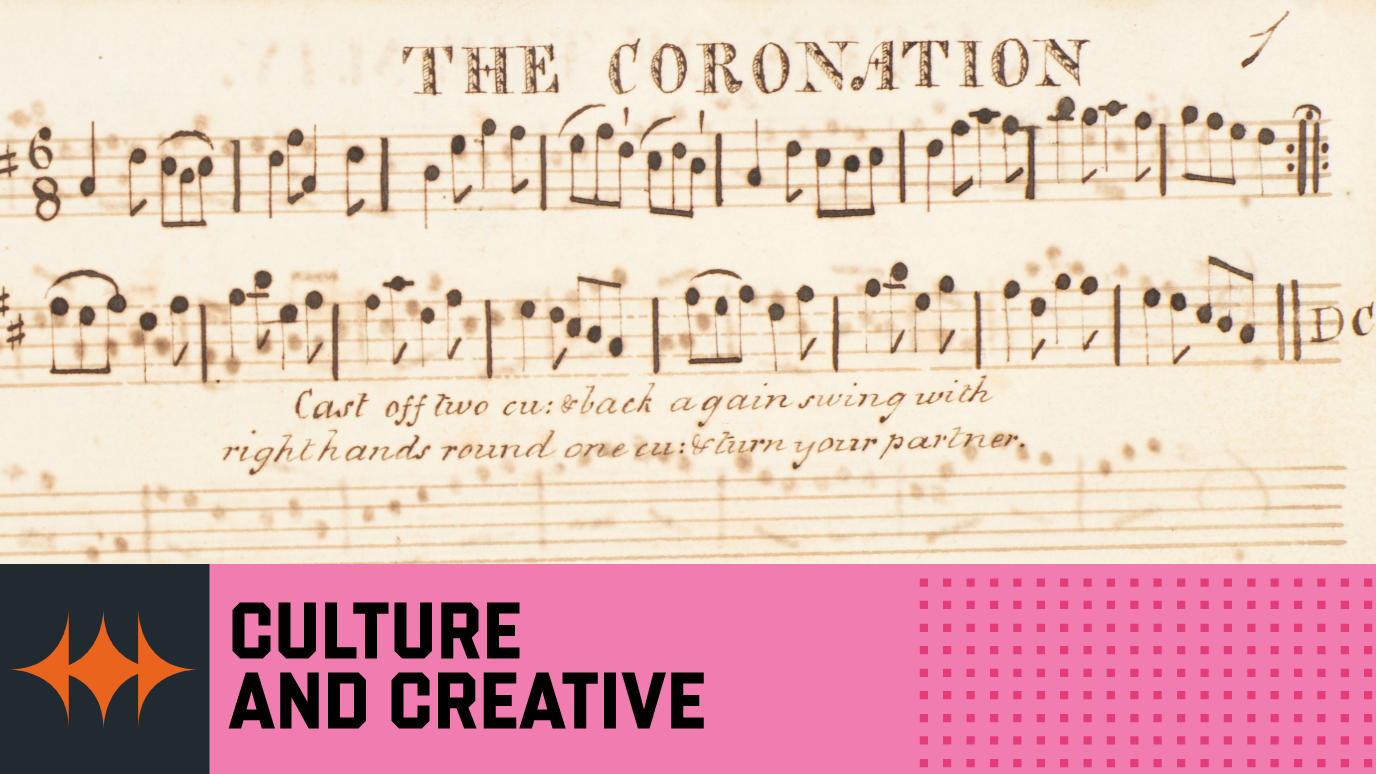
What if the soundtrack to England’s past had been quietly waiting in dusty boxes, forgotten margins, and centuries-old diaries? A groundbreaking project is doing just that — uncovering the music that once echoed through village greens, parish churches, and local taverns, and bringing it back to life for modern audiences.
Led by Professor Stephen Rose of Royal Holloway University, Music, Heritage and Place: Unlocking the Musical Collections of England’s County Record Offices is revealing extraordinary musical treasures buried in local archives. These aren’t just notes on a page — they’re glimpses into the everyday lives, celebrations, and sorrows of people from the 17th and 18th centuries. And some of the discoveries are nothing short of spectacular.
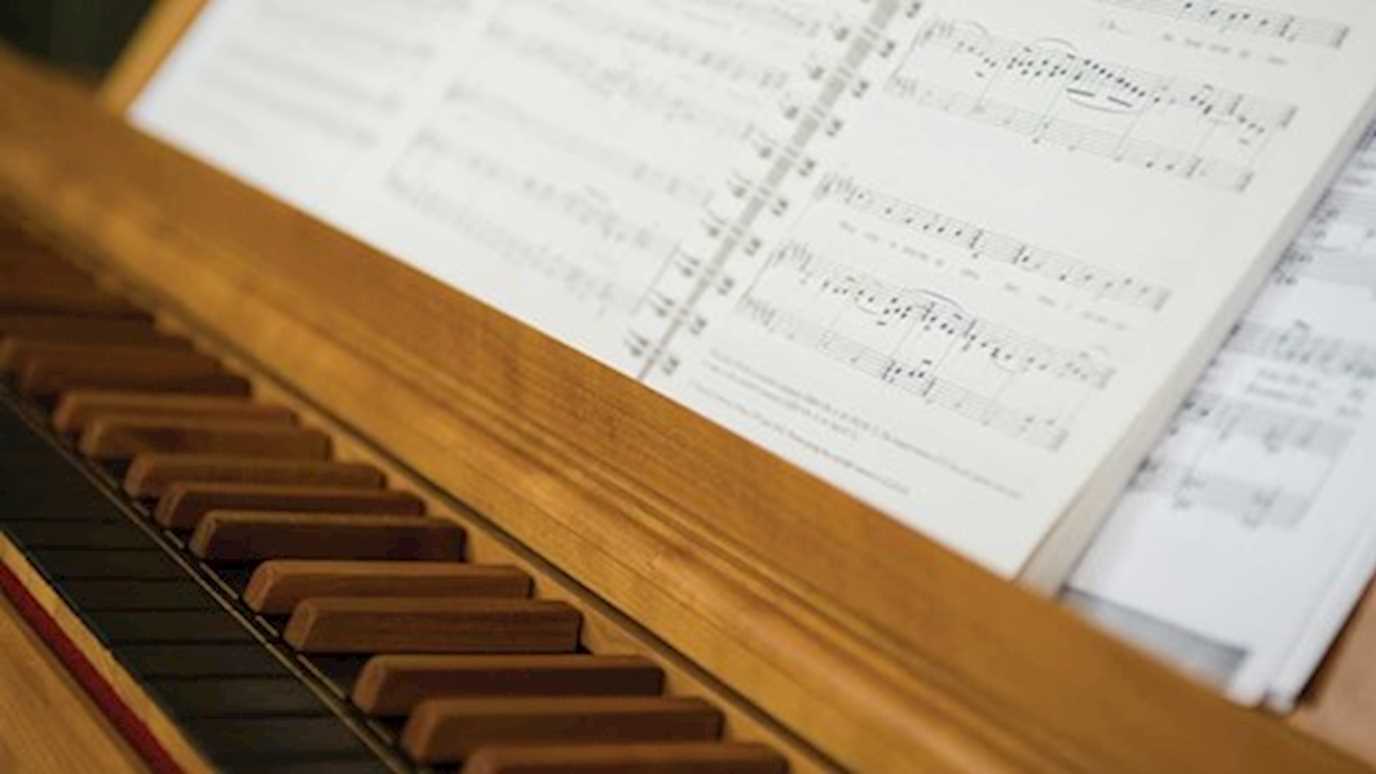
Among the most thrilling finds are manuscripts linked to the celebrated composer Henry Purcell, including a fragment of a previously unknown song and a rare autograph of keyboard music — the first to be uncovered in over 30 years. Astonishingly, one manuscript had been repurposed as an index to town council records in Thetford, Norfolk, while another was tucked away in Worcestershire Archives. The song fragment has been reconstructed and performed thanks to Purcell scholar Alan Howard. These revelations have made headlines in The Guardian and on BBC Radio 4.
But the project isn’t just about discovery — it’s about revival. Folk musician and academic Nancy Kerr, a member of the Melrose Quartet, has been breathing new life into these forgotten tunes. Her performances, at festivals such as Folk By the Oak, the Shrewsbury Folk Festival and the Warwick Folk Festival, reimagine the music for today’s audiences, blending historical authenticity with creative interpretation. Nancy’s performances, combined with the work of the researchers in the archive, feature in the BBC Radio 3 series The Song Detectorists. The series likens the researchers to metal detectorists, sifting through England’s county archives in search of musical gold.
The first series aired in May 2025, exploring Cornwall, Hampshire, Norfolk, Northumberland and West Yorkshire. Its success has led to a second series, launching on 20th October, which will journey through Bedfordshire, Lincolnshire, Northamptonshire, Shropshire and Wiltshire.
The project began with a pilot in Hampshire, digitising parish church music from the late 18th century. One standout example is Richard Pyle’s manuscript, compiled in the small Hampshire village of Nether Wallop from 1822 onwards. It’s a vivid snapshot of village life, blending dance tunes for the pub, psalm settings for Sunday mornings, and even melodies from London theatre and Italian opera — proof that even small communities had access to a surprisingly wide musical world.
As the project continues, more discoveries are expected, along with public performances and educational workshops planned for 2026. It’s a rare chance to hear the music that once shaped local identities — and to feel the pulse of history through sound.
To explore more, visit the project website: Music, Heritage and Place: Unlocking the Musical Collections of England’s County Record Offices, funded by the Arts and Humanities Research Council.
Return to our Research in Focus page to uncover more exciting research happening at Royal Holloway, University of London.
Research in focus