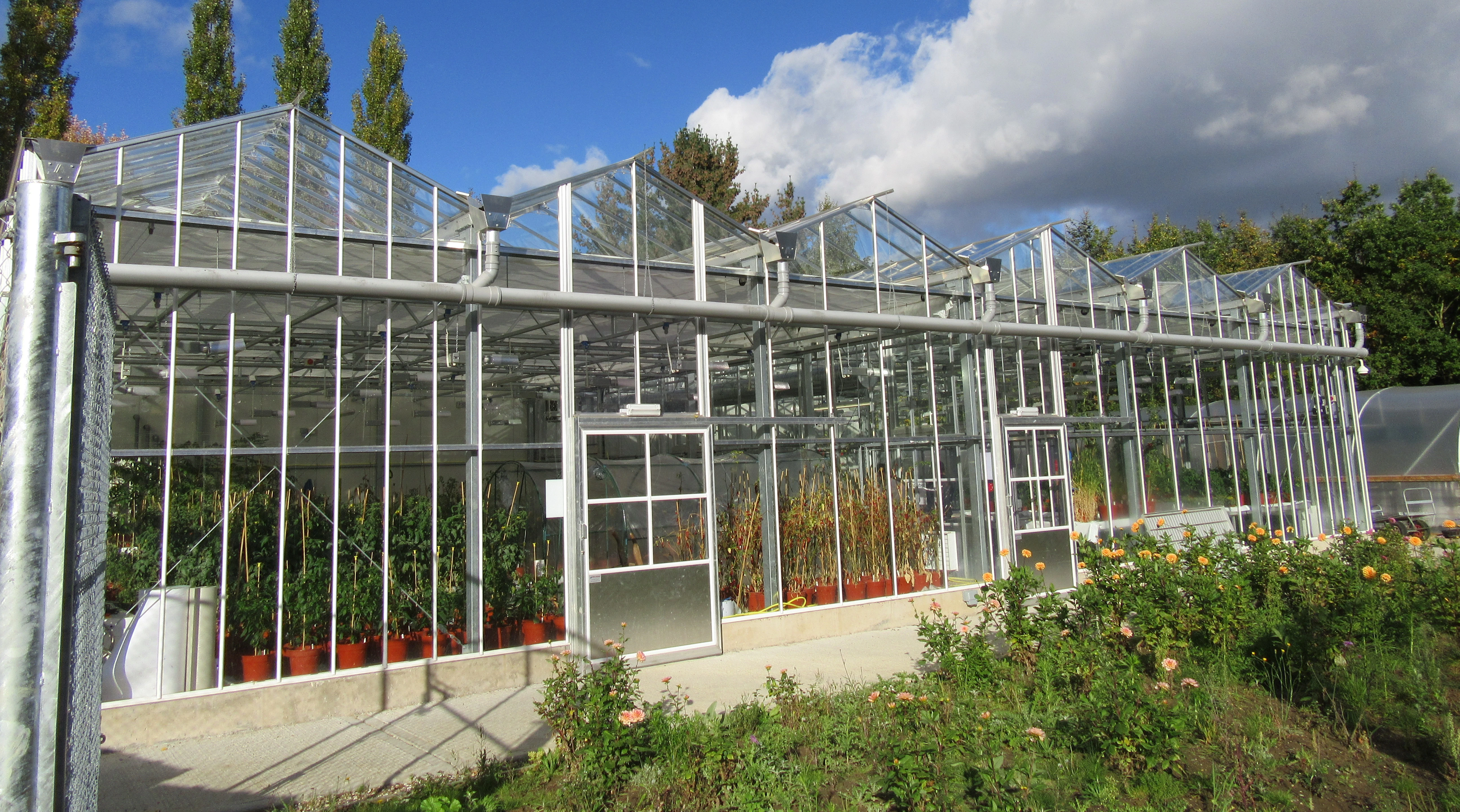
A new Knowledge Transfer Partnership is seeing Royal Holloway scientists collaborate with Eden Research to unlock the secrets of seed biology and create natural, microplastic-free treatments that boost crop resilience and for a greener farming future.
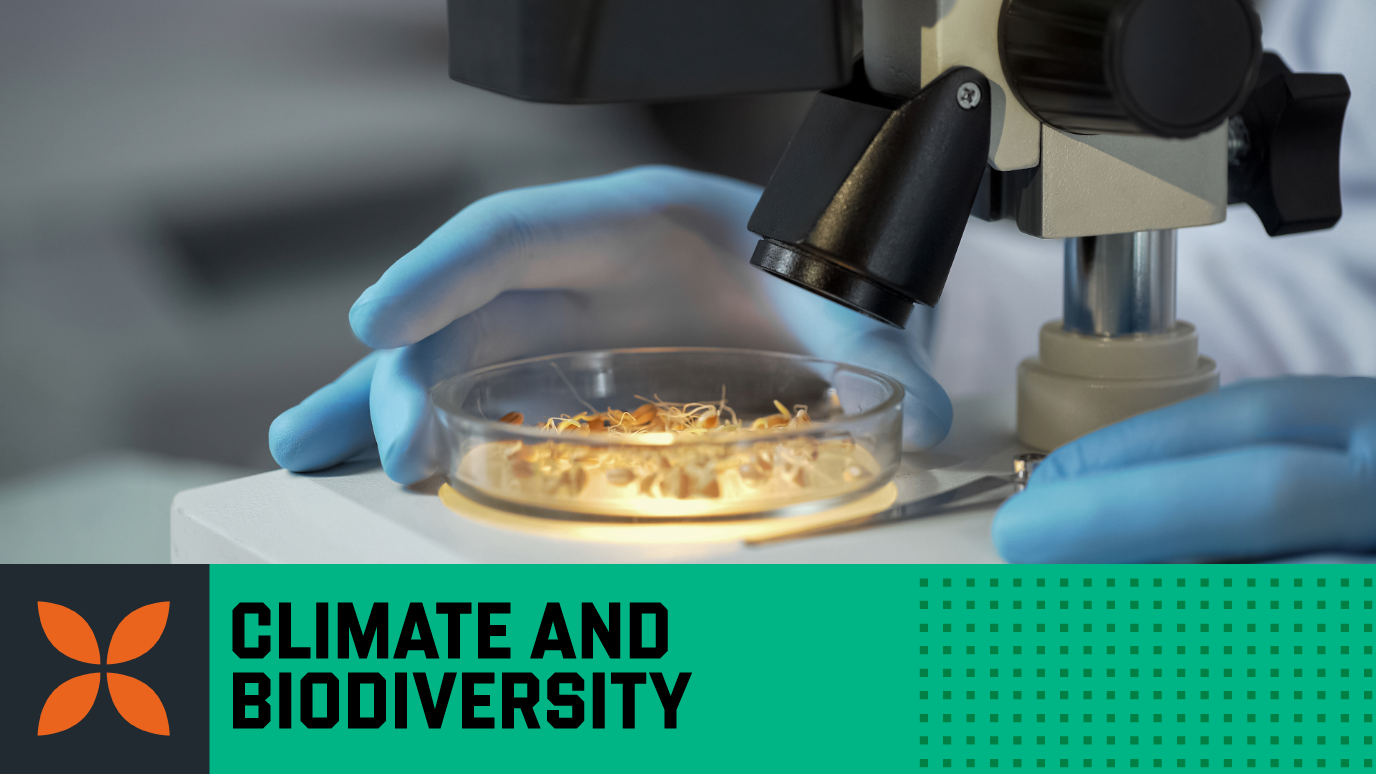
Ask anyone how plants grow, and they’ll probably say: plant a seed, give it light and water and wait for a plant to emerge. But for farmers and seed producers, it's more complex. They need seeds that will grow a reliable crop and survive until they can be harvested, sold and enter the food chain. Scientists at Royal Holloway are part of world-leading laboratory investigating the inner workings of seeds and developing new ways to help them to thrive. Their research is contributing to feeding the world and providing food security for us all.
“Most of our research focuses on how we can treat seeds, how we can make them work better, and what we can learn from looking at different types of seeds,” explains Dr Tina Steinbrecher.
“The demand for food will continue to grow alongside the population and added to that, we have the problems caused by climate change that affect our ability to grow and farm.” - Tina
The team in Royal Holloway’s Seed Biology and Technology Laboratory are looking into how and why seeds grow, investigating ways to help the process and improve the outcome. Co-led by Professor Gerhard Leubner, they investigate the biochemistry of seeds – studying how they operate and why they behave the way they do. They also examine the mechanical properties of seeds, uncovering their inner workings and digging into how they’re formed, how they are structured and organised.
Helping crops grow
So how can you help a seed grow? And what do agricultural companies do to seeds before they are supplied to a farmer?
That’s where seed pelleting comes in – a process that turns a seed into an evenly shaped pellet, making it much easier for farmers to plant using automated machines. The first step is to clean and polish the seed or fruit, removing outer husks and sharp edges. Next, compounds are applied which coat the seed and provide anything from extra nutrients to help it grow, to compounds that fight disease, to pesticides which deter animals and insects from eating it. This forms the pellet and is most often finished off with one more layer in the brand colour of the seed company.
“Seeds are quite complicated.” - Tina
Treating seeds in this way requires a deep understanding of how they work and how they’ll react with the compounds added to them. “Seeds come in all shapes and sizes,” says Tina. “Some are inside fruits and require extraction; some are a bit sleepy - they only come out next year, so they need a cold treatment that mimics winter. They also react to chemicals - even natural ones - in different ways. So, there’s a lot of scientific challenges depending on the type of seed”.


Tina at work in the Seed Biology and Technology Lab


Partnering with Eden Research
Tina and Gerhard recently teamed up with Oxfordshire-based biopesticide firm Eden Research in a new, strategic partnership. Eden wants to tap into their expertise to help build a new range of products inspired by Ecovelex, Eden’s new treatment for seeds that uses only natural products and is micro-plastic free, tying into Eden’s mission to provide a more sustainable farming future.
Ecovelex works by creating an unpleasant taste or odour that deters birds from eating the seeds but does not harm them, as is the case for some current pesticides.
“There’s a big need across the world to come up with a better solution, a more environmentally friendly solution” says Gerhard.
The project is part of a UK-wide initiative which brings academic expertise and industry together and has received funding from Innovate UK. The collaboration, part of a Knowledge Transfer Partnership (KTP), will take place over the next three years, allowing time for the development and testing of the product over several seasons of field tests and lab work. A post-doctoral researcher will also be employed as the KTP Associate to embed expertise and long-term capability at Eden beyond the life of the project.
Discover Gerhard & Tina’s research
Discover more from our academics:
Return to our Research in Focus page to uncover more exciting research happening at Royal Holloway, University of London.
Research in focus