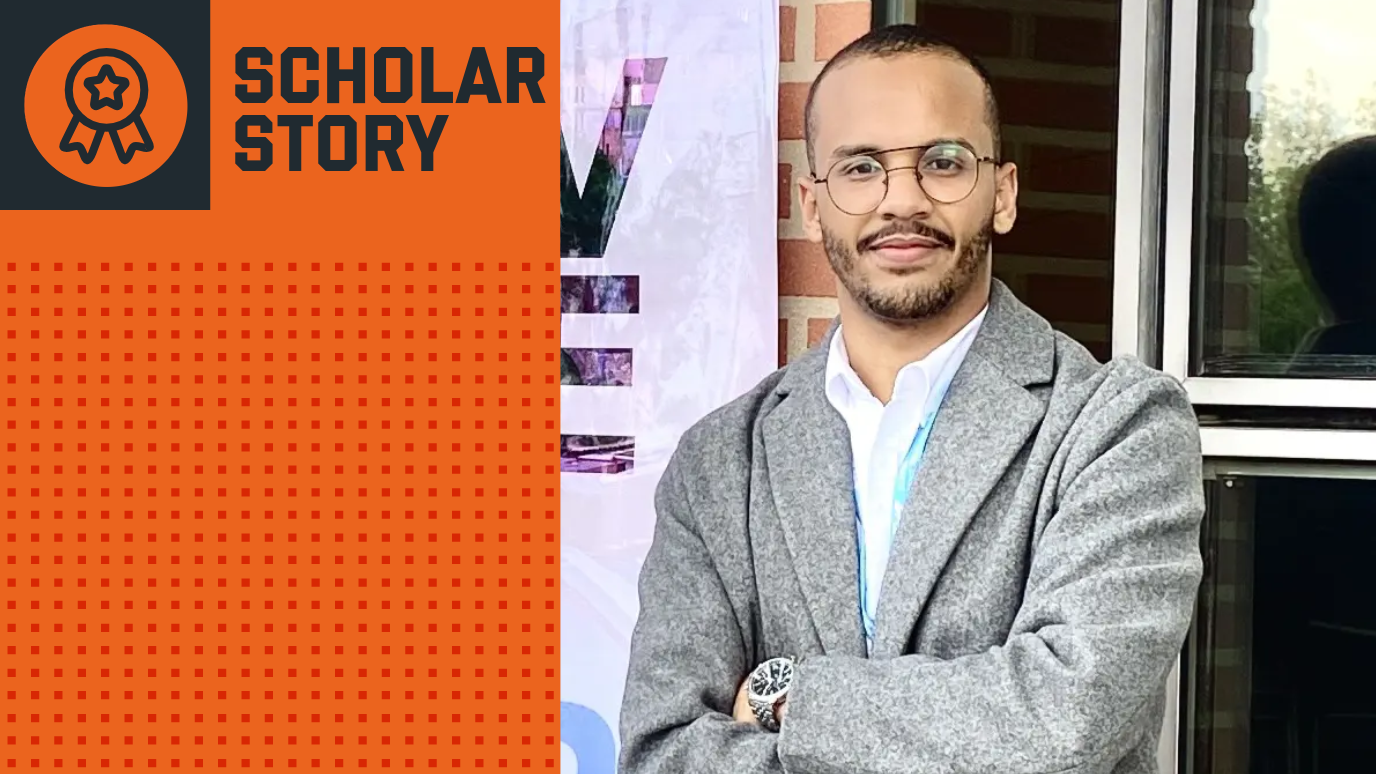
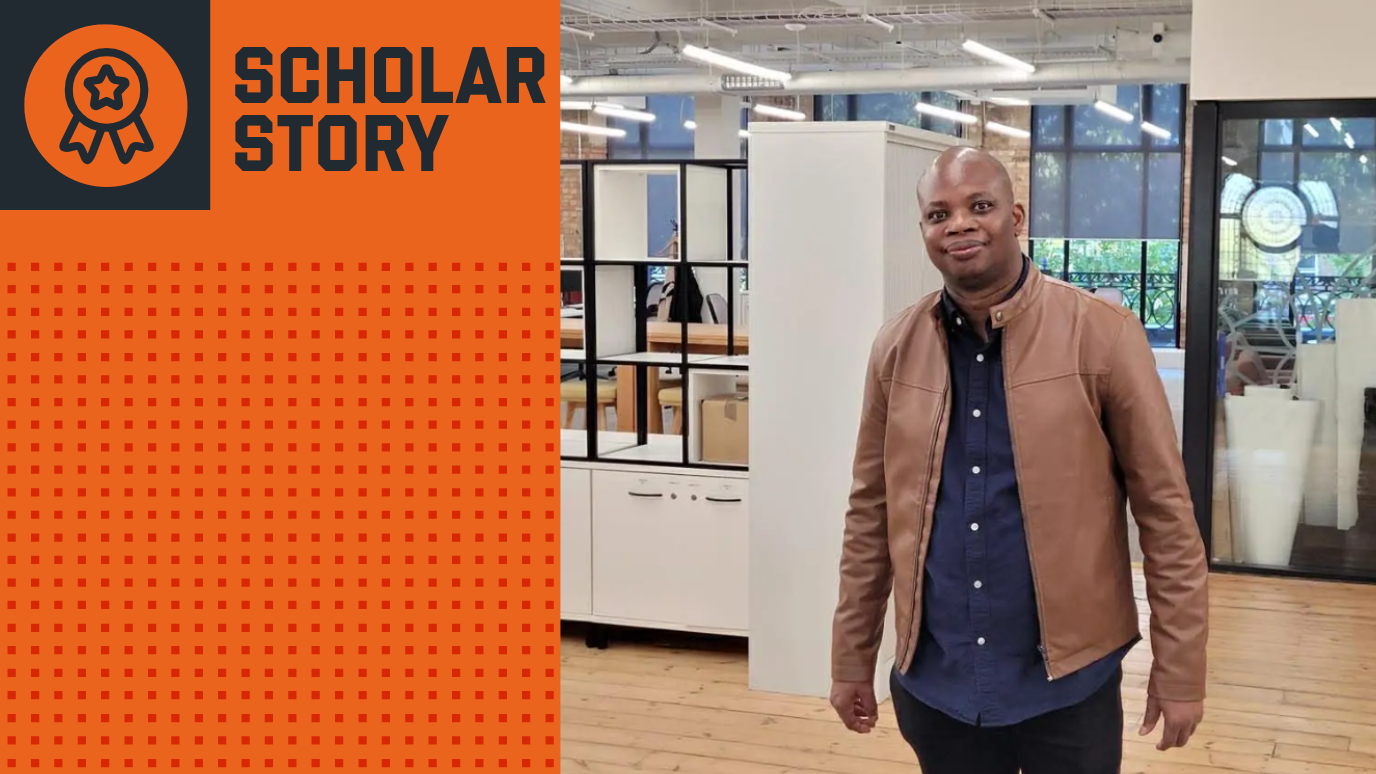
Chevening Scholar Dr Innocent Batsani-Ncube completed his MSc in Elections, Campaigns and Democracy in 2018. Originally from Zimbabwe, his experience at Royal Holloway sparked his journey into academia and today he’s a Senior Lecturer in African Politics at Queen Mary University of London.
What were you doing before starting your masters degree, and what made you decide to pursue postgraduate study at this point in your career?
I was managing civil society projects focused on political participation and civic engagement. This included serving as project manager for the United Nations Democracy Fund (UNDEF) initiatives and serving as the Founding Executive Director of the Contemporary Affairs Foundation (CA-F) - a social enterprise focused on strategic communication skills development.
Postgraduate study at Royal Holloway was part of my long-term career plan I had put in motion years earlier.
Why did you choose Royal Holloway and this course?
The MSc in Elections, Campaigns and Democracy stood out immediately. It was a newly launched, highly relevant course tackling contemporary political issues, such as populism, far-right politics, and the rise of figures like Donald Trump. Having been involved in politics for two decades, I saw this as an opportunity to strengthen my practical experience with academic theory.
The course was led by two outstanding academics, Professors Oliver Heath and Chris Hanretty, both who proved to be significant influences on my subsequent career path.
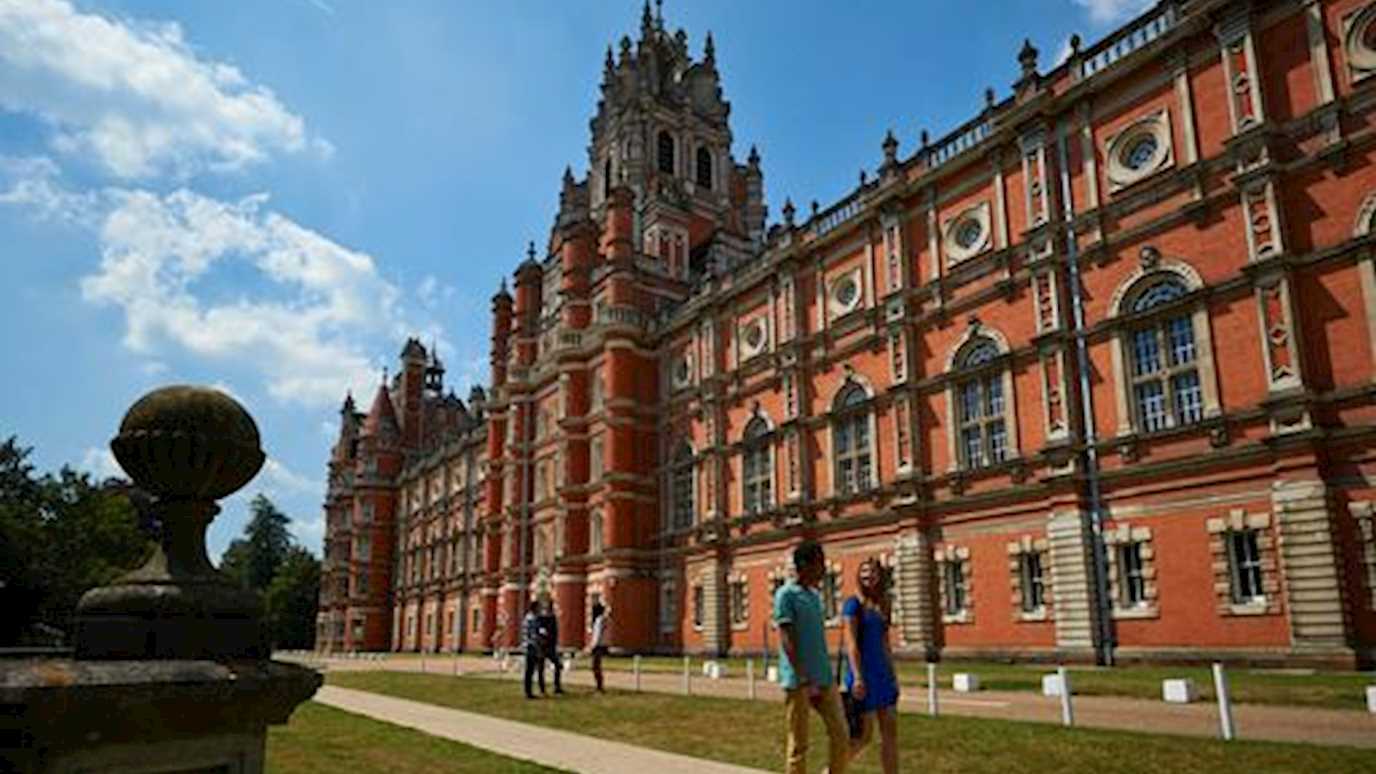
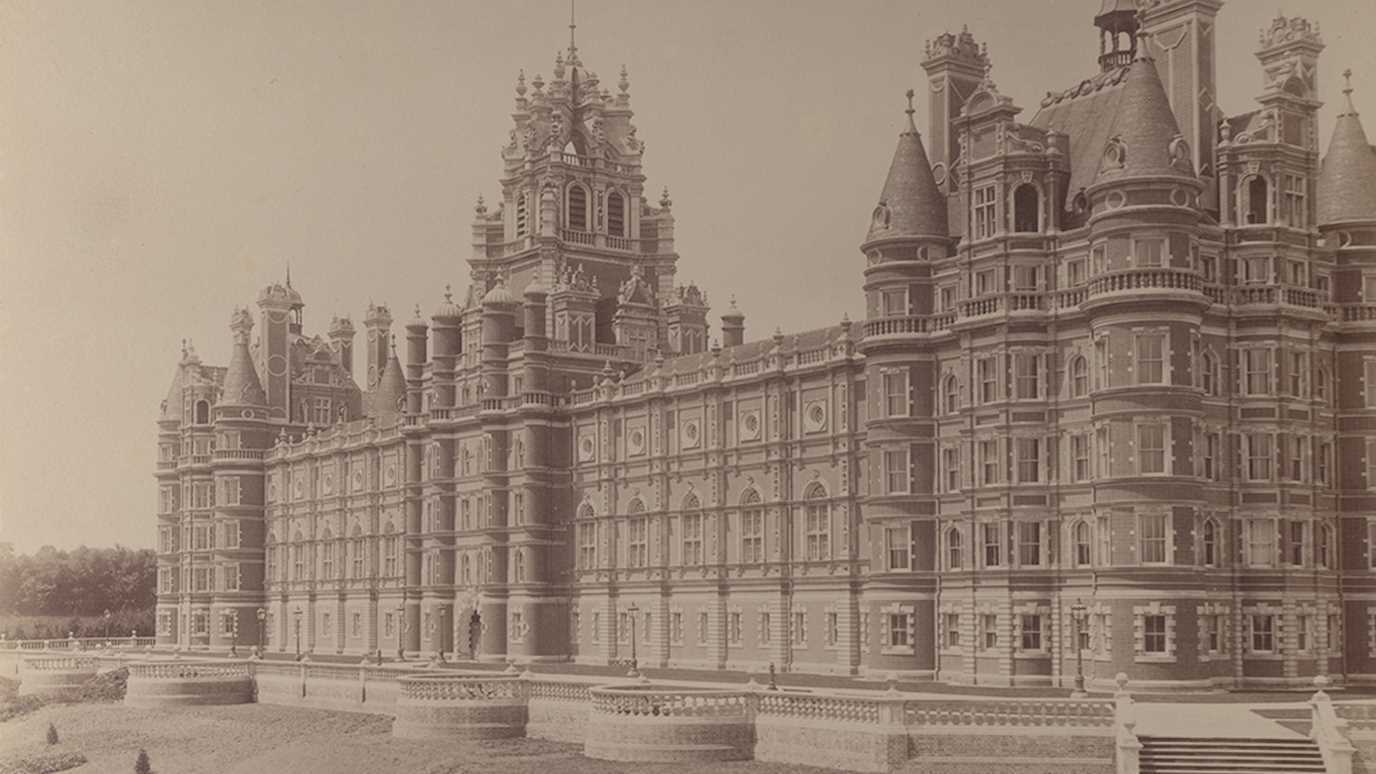
Royal Holloway itself was another major draw. The campus is beautiful and set in calm green surroundings – an environment that suited me well. I spent a lot of time in the new library and really valued that space to read and reflect.
What are you doing now, and how has your masters degree shaped your next steps?
I’m now a Senior Lecturer in African Politics at Queen Mary University of London (QMUL). My research and teaching focus on areas such as China’s role in the Global South, political dynamics in African megacities, regional organisations, and the politics of nuclear energy.
My masters was a pivotal element in shaping my career. During the course, I secured funding for my PhD through a European Research Council scholarship. My dissertation, supervised by Dr Will Jones, became my first published research article and a key step in establishing my academic identity.
An internship at Survation introduced me to election forecasting, supported by the course’s modules and the quantitative skills training using British Election Study data. This foundation continues to shape my work today, including leading a major research project funded by the Leverhulme Trust and founding an African Elections Study programme at QMUL.
What aspect of the course had the biggest impact on you — personally?
The academics. Professors Oliver Heath and Chris Hanretty were outstanding teachers and mentors, and their classes were engaging and intellectually stimulating.
Professor Heath’s support as my pastoral advisor was invaluable. He helped me overcome my initial apprehension towards quantitative methods, which led to me achieving a distinction in that module.
They also showed me how academic excellence can go hand in hand with empathy and kindness – something I carry into my own teaching today.
What aspect of the course had the biggest impact on you — professionally?
My dissertation. Publishing it as a research article set me on the path of becoming an academic.
Why did you apply for the Chevening Scholarship?
I wanted a challenge that would push me intellectually and professionally and enable me to fulfil my long-term ambitions.
Chevening is a highly prestigious and competitive award that not only provides access to world-class postgraduate education but also equips scholars with advanced skills and an extensive global network. It gave me the platform I needed to transition from practitioner to scholar and contribute meaningful to the study and practice of elections and democracy, particularly in the African context.
How has your experience as a Chevening scholar impacted your life and your future?
Chevening has had a profound and lasting impact on my journey. It gave me the opportunity to study at Royal Holloway, strengthen my analytical and research skills and grow in confidence.
It also opened doors – from funding my PhD to publishing my work and building my academic profile. The insights I gained into election analysis continue to shape my research today, which has led me to establish the African Elections Study programme at QMUL. Just as importantly, it connected me to a vibrant international network of scholars and future leaders.
Above all, it reinforced my commitment to combining academic rigour with empathy and strengthened my platform as a leader. I hope to continue using that platform to contribute to global conversations on democracy and elections, particularly in the African context. I remain deeply grateful for the opportunities Chevening has given me and am committed to paying this forward by advancing knowledge and supporting emerging leaders.
What does being part of the prestigious Chevening community mean to you?
It is both a privilege and a source of deep personal pride. It connects me to a global network of outstanding leaders and scholars committed to excellence, public service, and positive impact.
What advice would you give to anyone considering applying for Chevening?
Be strategic, authentic and ambitious.
Clearly show how the scholarship aligns with your long-term career goals and how the specific course and UK study experience will enable you to make a tangible contribution to your field and society. Ensure you can demonstrate a strong understanding of the Chevening values of leadership, networking, and public service.
Reflect honestly on your achievements and challenges. Highlight your professional experience, leadership potential, and the impact you have already made, while showing genuine self-awareness and a commitment to growth.
And take time with your application, crafting compelling short essays that are coherent, well-structured and free of errors. Seek feedback from mentors or previous scholars and ensure every element of your application tells a consistent story of purpose and potential.
Chevening is highly competitive, but a thoughtful and genuine application can open life-changing opportunities, as it did for me.