


Course options
Key information
Duration: 3 years full time
UCAS code: Q200
Institution code: R72
Campus: Egham
The course
Comparative Literature and Culture (BA)
A degree in Comparative Literature and Culture gives you the opportunity to explore the similarities and differences between the literatures and cultures produced in different languages, places, and historical periods. CLC may appeal if you have already enjoyed studying English, Drama, Languages, or History of Art at A Level but wish to develop your understanding of these subjects by taking a more global, comparative perspective.
Comparative Literature and Culture is taught by academics from the Department of Languages, Literatures and Cultures who are experts in European and world literatures and cultures and whose research is multilingual, transnational, and interdisciplinary. The course takes a cross-cultural perspective that compares materials from the Americas, Africa, the Middle East, Asia and Europe from the ancient world to the twenty-first century. Alongside the core modules which introduce key critical concepts and develop comparative analytical skills, you can choose from a wide range of fascinating options: you can read, watch, and compare materials from Ancient Greece to contemporary New York, from medieval Arabia to contemporary Korea, from world cinema to crime fiction, and from tragedy to the avant-garde. Far more than a journey around the world through literary and cultural ‘masterpieces’, Comparative Literature and Culture at Royal Holloway encourages students to think critically about how and why literatures and cultures develop, evolve, and travel. As a result, students of Comparative Literature and Culture develop the important analytical skills, creative thinking, cross-cultural understanding and global outlook that are valued by employers.
One of the strengths of Comparative Literature and Culture at Royal Holloway is the supportive environment we create. Our student community is close-knit and international, with students coming from a variety backgrounds and parts of the world, enhancing the programme’s global perspective. Throughout your studies you will also be able to get involved with an array of cultural initiatives that take place on campus and make the most of being within easy reach of London and its many events and attractions.
Studying Comparative Literature and Culture will broaden your horizons, interests and passions, and give you a critical edge in a competitive global marketplace.
From time to time, we make changes to our courses to improve the student and learning experience. If we make a significant change to your chosen course, we’ll let you know as soon as possible.
Course structure
Core Modules
Year 1
-
This module introduces students to the theories and practices of textual analysis and comparative textual analysis as well as to the major debates about theories and practices of comparative literature in a transnational context. Students will read a small number of core literary texts - influential within comparatism and diverse in cultural, temporal and linguistic origin - alongside a range of historically, geographically, culturally, generically and stylistically varied textual extracts. The core literary texts will be read in their entirety, with particular attention to: the construction and interpretation of genre; transnationalism and translation; cultural and historical context; and questions of authorship, influence and canonicity.
Year 2
-
Comparing short stories from different periods and geographical areas is a great way of exploring how literature evolves structurally and thematically in response to different ideas and contexts. In this module we read short stories – and look at examples of visual art - from the eighteenth century to the present day to discover what structural and symbolic elements characterize major movements of Western art including the Enlightenment, Romanticism, Realism, Modernism and Postmodernism. All non-English-language texts are in English translation. These are explored both individually and in comparison, developing skills in close reading and comparative critical analysis and the ability to recognize and contrast different features of fiction and to situate evolving literary aesthetics in their historical context.
-
This module provides an account of some of the major theoretical trends and currents which inform our thinking and practice of Comparative Literature and Culture. Reading canonical and contemporary texts alongside each other, students will ask questions such as: How should we understand and respond to art in the twenty-first century? Who counts as a subject and how should we understand racial, sexual and species difference? And, how should we conceptualise culture in a globalised world?
Year 3
Optional Modules
Below is a taster of some of the exciting optional modules that students on the course could choose from during this academic year. Please be aware these do change over time, and optional modules may be withdrawn or new ones added.
Year 1
-
This module examines images of French society through a selection of key literary texts and concentrates on how questions of social change, social mobility, success and failure, ambition and honour, oppression and alienation have been portrayed. Delivered by the appropriate specialist in the School of Modern Languages, the classes will offer a taste of the literature of the relevant periods, along with a discussion of its distinguishing stylistic features, and an overview of its intellectual, social, and historical background. Terms that often confuse or put off students new to literature (such as Romanticism, Realism, or Existentialism) will be explained and briefly contextualised. By the end of the module, students will have acquired an insight into a range of representative texts from a variety of periods and an understanding of the ideas and social structures they portray.
-
The visual image has always played an important role in society, as a source of enjoyment and pleasure, and also as a means of communicating values, celebrating beauty, shaping thought and challenging assumptions. This module aims to develop understanding of the ways the visual image functions and the concepts and techniques needed to analyse it.
-
This module will introduce students to key areas of interest in contemporary German Studies, including literature, film, and history.
-
In this module you will develop an understanding of the key tenets of film theory and learn to apply these to a selection of important pre- and post-war European and international films. You will look at aspects of film style, genre and national and international contexts.You will consider canonical works from a century of cinema history by filmmakers such as Joseph von Sternberg, Alfred Hitchcock and Pedro Almodovar, and examine significant examples of technique and style.
-
This module introduces students to the theories and practices of textual analysis and comparative textual analysis as well as to the major debates about theories and practices of comparative literature in a transnational context. Students will read a small number of core literary texts - influential within comparatism and diverse in cultural, temporal and linguistic origin - alongside a range of historically, geographically, culturally, generically and stylistically varied textual extracts. The core literary texts will be read in their entirety, with particular attention to: the construction and interpretation of genre; transnationalism and translation; cultural and historical context; and questions of authorship, influence and canonicity.
-
This module introduces students to a range of literary and filmic texts depicting different aspects of the city. The focus on a common thematic ground allows students to develop skills of comparison and analysis, while also exposing them to, and encouraging them to reflect on, wider questions of urban space, public and private spheres, and alterity. The works to be studied on the city explicitly engage with three periods and aspects of the modern city: early twentieth-century modernity, urban development and planning, modernist architecture; post-war industrialisation and urbanisation; and the contemporary transnational metropolis and multiculturalism. In all the periods, the focus will be on how the films articulate the following themes: money/poverty, technology, migration, crime, gender and sexuality.
-
The purpose of this module is to provide students with an introduction to the early phase of film history. Broadly speaking, the module will be concerned with the period between 1895 and the early 1930s, from the invention of motion pictures to the establishment of sound cinema. During this phase, film-making was largely national but the absence of the spoken word gave film a truly cosmopolitan dimension, with directors, actors and technical personnel moving freely across national boundaries. Nonetheless distinctive national film cultures emerged, with Italy specialising in dramas set in the ancient world, France making ample use of theatre and popular literature, Germany developing the new medium within broader artistic phenomena such as Expressionism, the Soviets pioneering political montage, and, of module, Hollywood, and its studio system, popularising stars and genres across the world.
-
-
-
-
Year 2
-
Comparing short stories from different periods and geographical areas is a great way of exploring how literature evolves structurally and thematically in response to different ideas and contexts. In this module we read short stories – and look at examples of visual art - from the eighteenth century to the present day to discover what structural and symbolic elements characterize major movements of Western art including the Enlightenment, Romanticism, Realism, Modernism and Postmodernism. All non-English-language texts are in English translation. These are explored both individually and in comparison, developing skills in close reading and comparative critical analysis and the ability to recognize and contrast different features of fiction and to situate evolving literary aesthetics in their historical context.
-
This module provides an account of some of the major theoretical trends and currents which inform our thinking and practice of Comparative Literature and Culture. Reading canonical and contemporary texts alongside each other, students will ask questions such as: How should we understand and respond to art in the twenty-first century? Who counts as a subject and how should we understand racial, sexual and species difference? And, how should we conceptualise culture in a globalised world?
-
The module is divided into two parts, the first exploring crucial issues of filmmaking, film studies and the ‘transnational’ from the perspective of largely contemporary Latin American cinema, the second focusing on a range of European films from the 1970s to the present. The introductory two weeks of the module will introduce students to these concerns; the final two weeks of the module will bring both parts together and establish some conclusions (for example, what, if anything, constitutes a ‘European’ or ‘Latin American’ or ‘transnational’ film).
-
-
This module will focus on four texts dealing with love and desire taken from French literature; these will be studied in the light of their common themes and will be used to explore issues around the representation and understanding of passion and romance in the literary text.
-
This year-long module examines key examples of French cinema from its beginnings to the present day, focusing on the avant-garde and surrealist films of the 1920s, social realist films of the 1930s, the New Wave which began in the late 1950s, and its ‘postmodern’ legacy in the 1980s followed by a return to realism in the new millennium. The module entails close, critical analysis of film style, though no prior knowledge of film theory is required.
-
This module introduces students of German and CLC to two key figures in twentieth-century German literature, Thomas Mann and Franz Kafka. Through an examination of the work of these writers, it explores such issues as the individual vs society, the role of the artist, and the nature of desire. Mann’s work evinces a fascination with disorder and decadence even as it remains bound to bourgeois ideals of respectability and sobriety. In Kafka’s work, the everyday world of bureaucracy and officialdom is invaded by fantastical and bizarre elements. The module focuses on the unsettling and disruptive elements of these writers’ works, asking what they tell us about life in the twentieth century.
-
-
Florence in the 15th century was one of the most vibrant and innovative artistic and cultural centres in Italy and Europe. The cultural, philosophical and artistic life of Renaissance Florence is the focus of this module which combines the analysis of Renaissance painting, mural decoration and sculpture with that of writings on art from the time. We look in detail at a number of works of world famous Italian Renaissance artists such a Masaccio, Sandro Botticelli, Leonardo da Vinci, Raphael and Michelangelo. We also take a close look at texts discussing the role of the arts and artists, and the comparison between the arts by theorists such as Leon Battista Alberti, Leonardo da Vinci, Michelangelo Buonarroti and Giorgio Vasari.
-
-
-
This module introduces students to a range of important texts and authors, both canonical and non-canonical, from early modern Spain and France. Yet it does so through a selection of outsider figures – characters whose aberrant or idiosyncratic identity, outlook, or behaviour sets them at odds with their society. The characters on this module thus challenge some of society’s most deeply entrenched but often unwritten codes – of reason, gender, decorum, sexuality, class, and religion – and can thus offer important insights into the workings and values of the society whose norms they transgress. As we shall see, though, the treatment of such figures can vary widely. Whereas the outsider’s departure from the norm is often apparently ridiculed or censured, it can sometimes be celebrated or rehabilitated – whether by other characters within the fiction or by the literary work itself. Indeed, the period’s fascination with marginal or transgressive characters and behaviour betrays throughout a deep unease about the validity of its own norms and standards.
-
-
This module explores, compares and contrasts representations of social and political conflict in a range of 20th-century Latin American literary texts. It considers conflict in literature critically with regards to and in the context of some of the following: revolution, racial difference, social inequality, economic exploitation, exile, urban violence and historical memory. It provides students with a basic understanding of the historical background and trajectory of some of the most relevant socio-political movements and events in the continent in the module of the century.
-
-
Year 3
-
Literature has a long history of multilingualism. Self-translated, bilingual texts were widespread in medieval and early modern Europe, where they connected Latin and the vernaculars. But the historic construction of nation-states imposed borders that were linguistic as well as geopolitical. Writing multilingually is never more important or more dangerous than when national borders are threatened by wars – or defended by walls. This module focuses on a range of writers and writing practices in a comparative manner: some were born into a bilingual culture and acquired two languages simultaneously; some, but not all, translate their own work. Others acquired their definitive literary language as adults, often as a result of migration or exile. You will look at how, in their literary endeavours, the featured authors used languages – English, French, German and Italian – other than their mother tongues, which they sometimes combined with their native ones and/or with other languages.
-
-
The module examines in depth, and in relation to each other, artistic and literary movements prevalent in late-nineteenth and early-twentieth-century Italy and France. On this module you will analyse the contribution of the Decadentists and Symbolists, Futurists and Cubists to a variety of artistic disciplines in France, Italy and Europe.
-
This module explores cinematic representations of the transnational encounter between people, cultures and institutions interconnected by the forces of globalization. The topics covered range from (anti-)colonialism and revolution to neo-colonialism, postcoloniality and migration. Attention is paid to the ways in which the films deal with the themes of emancipation, hybridity, displacement, global capitalism and politics, and cosmopolitanism. The module covers the development of transnational cinema from its origins with Third Cinema and then goes on to explore postcolonial and migration cinema covering areas ranging from South America and Africa to Europe.
-
-
-
-
In theory at least, early modern French theatre had little time for villains. Genuine wickedness, vice and evil were regarded as too serious a subject matter for comedy, while theorists of tragedy insisted that a wicked character – whether ultimately defeated or triumphant – could not produce pity, one of the key tragic emotions. And yet, as this module demonstrates, wicked and villainous characters recur throughout ‘classical’ French theatre. Indeed, by refusing to present villainous characters who are simply outright monsters – a straightforward ‘other’ to the social and moral norm – playwrights sometimes suggest that the most troubling characters are those in whom we might recognise elements of ourselves.
-
-
This module will explore the idea of the self as it is defined and expressed in literary works in German. From Goethe's canonical Werther via Schnitzler, Hesse, Bachmann and Handke, right up to contemporary writings by Karen Duve and Birgit Vanderbeke, German literature is always bound up with notions of identity.
-
This module will introduce you to one of the most crucial and controversial subjects in modern German history, society and culture. You will study a broad range of examples of the visual representation of National Socialism as an ideology, a political movement and a 'national' phenomenon, from the 1930s to the present day. You will think about the changing ways in which Germany has sought to deal with the legacy and memory of Hitler's regime.
-
Florence in the 15th century was one of the most vibrant and innovative artistic and cultural centres in Italy and Europe. The cultural, philosophical and artistic life of Renaissance Florence is the focus of this module which combines the analysis of Renaissance painting, mural decoration and sculpture with that of writings on art from the time. We look in detail at a number of works of world famous Italian Renaissance artists such a Masaccio, Sandro Botticelli, Leonardo da Vinci, Raphael and Michelangelo. We also take a close look at texts discussing the role of the arts and artists, and the comparison between the arts by theorists such as Leon Battista Alberti, Leonardo da Vinci, Michelangelo Buonarroti and Giorgio Vasari.
-
-
This module introduces students to a range of important texts and authors, both canonical and non-canonical, from early modern Spain and France. Yet it does so through a selection of outsider figures – characters whose aberrant or idiosyncratic identity, outlook, or behaviour sets them at odds with their society. The characters on this module thus challenge some of society’s most deeply entrenched but often unwritten codes – of reason, gender, decorum, sexuality, class, and religion – and can thus offer important insights into the workings and values of the society whose norms they transgress. As we shall see, though, the treatment of such figures can vary widely. Whereas the outsider’s departure from the norm is often apparently ridiculed or censured, it can sometimes be celebrated or rehabilitated – whether by other characters within the fiction or by the literary work itself. Indeed, the period’s fascination with marginal or transgressive characters and behaviour betrays throughout a deep unease about the validity of its own norms and standards.
-
This module explores, compares and contrasts representations of social and political conflict in a range of 20th-century Latin American literary texts. It considers conflict in literature critically with regards to and in the context of some of the following: revolution, racial difference, social inequality, economic exploitation, exile, urban violence and historical memory. It provides students with a basic understanding of the historical background and trajectory of some of the most relevant socio-political movements and events in the continent in the module of the century.
-
Teaching & assessment
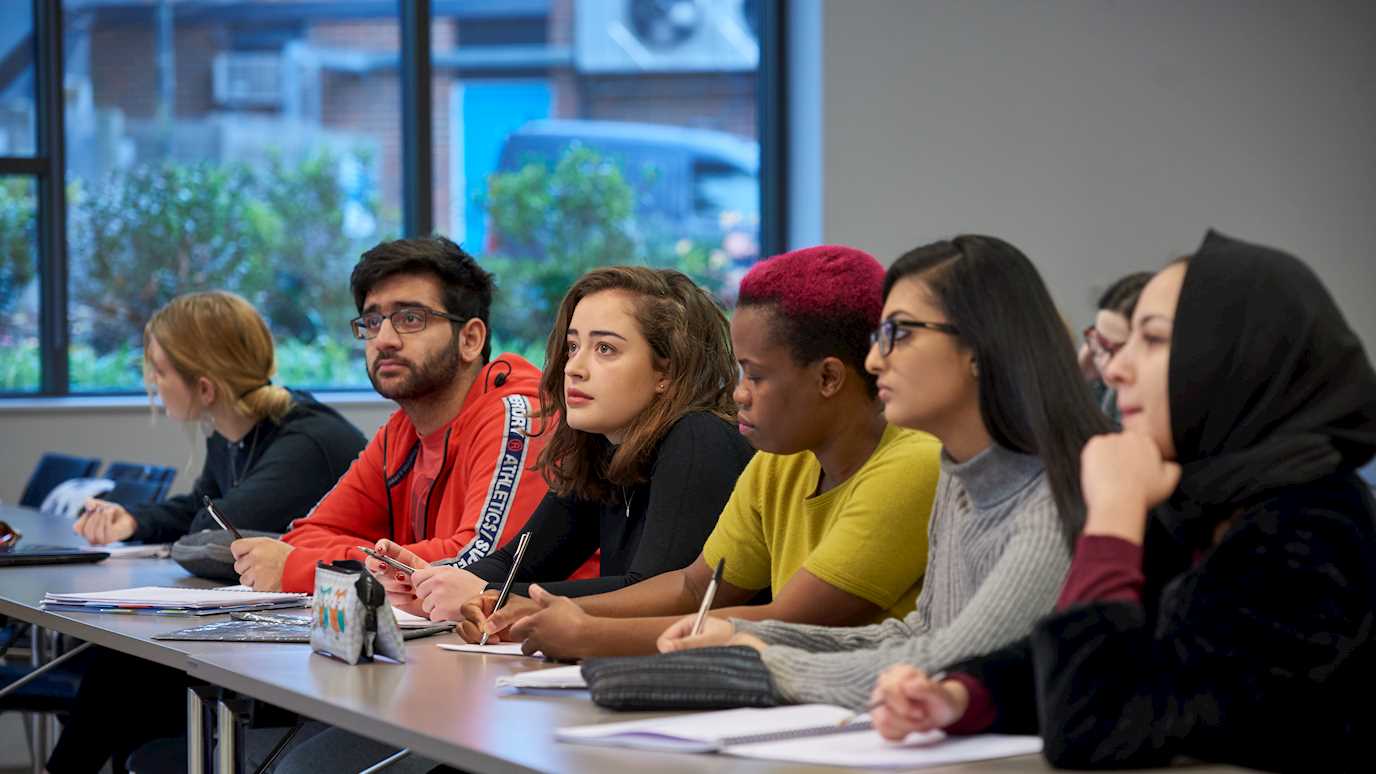
You will be taught through a combination of lectures, seminar groups, and tutorials, in which you will be able to try out new ideas by giving presentations and participating in lively discussions in a supportive environment. Independent study and preparation are essential parts of every course, and you will have access to many online resources and the University’s comprehensive e-learning facility, Moodle, which provides a variety of supporting materials.
We use a range of assessment models to suit different learning styles, from online comprehension tests and individual and group presentations to coursework-based assignments such as essays, critical commentaries, blogposts and reviews.
When you begin you will be allocated your own Personal Advisor, a member of academic staff who will support you academically. In your first year you also take a study skills course designed to equip you with and enhance the skills you will need to be successful in your degree. This course does not count towards your final degree award, but you are required to pass it to progress to your second year.
Entry requirements
A Levels: ABB-BBB
Required subjects:
- An essay based subject at A Level
- We require English Language and Mathematics GCSE at grade 4 (C)
HL 655 (without Diploma) or 32 overall (with Diploma)
EUROPEAN BACCALAUREATE 77%
If you have completed Secondary or High School in this country then you will need to take our one year International Foundation Year , or the equivalent from another institution, before beginning your undergraduate studies.
If you have completed Secondary or High School in this country then you will need to take our one year International Foundation Year , or the equivalent from another institution, before beginning your undergraduate studies.
Year 12 High School Certificates: ATAR: 88, Queensland OP: 5
Reifezeugnis/Maturazeugnis: 2
If you have completed Secondary or High School in this country then you will need to take our one year International Foundation Year , or the equivalent from another institution, before beginning your undergraduate studies.
Bachelor degree studied for 2 years or less than 3: GPA of 3.25
Certificate D Enseignement Secondaire Superieur (CESS) (score out of 10) or Diploma van Hoger Secundair Onderwijs (score out of 20): 7/10 or 16/20 or 65%
Secondary School Leaving Diploma: 4/5
Diploma za Sredno Obrazovanie 5.5
Year 12 High School Graduation Diploma: 85%
National College Entrance Examination (NCEE) (Gaokao): 73%
Svjedodzba o Maturi: Overall grade of 4
Apolytirion of Lykeion: Average of 18 in Apolytirion
Maturitni Zkouska / Maturita: 2.0
Bevis for Studentereksamen or Hojere Forberedelseseksamen (HF) or Hojere Handelseksamen (HHX) / Hojere Teknisk Eksamen (HTX): Average grade of 7
Certificate of Nile Secondary Education (CNISE) Level 3: ABB
Gumnaasium Ioputunnistus (Secondary School Certificate) with Riigieksammid (state exams): 4 in Gumnaasium Ioputunnistus and 70% in Riigieksamid
Ylioppilastutkinto / studentexamen: EMMM
Baccalaureat / International Option Baccalaureate (OIB): 13/20
Zeugnis der Allgemeinen Hochschulreife / Abitur: 1.7
If you have completed Secondary or High School in this country then you will need to take our one year International Foundation Year , or the equivalent from another institution, before beginning your undergraduate studies.
Apolytirion of Lykeion: Average of 18 in Apolytirion
Achieve grades 5,5,4 overall in your Hong Kong Diploma of Secondary Education with a grade 5 in any A-level subject specified above
Achieve a grade of 4.5 overall in your Erettsegi / Matura with a grade 5 in any A-level subject specified above
Achieve a grade of 8/10 overall in your Studentsprofwith a grade 9 in any A-level subject specified above
Achieve a grade of 80% overall in your Higher Secondary School Certificate with 80% in any A-level subject specified above
If you have completed Secondary or High School in this country then you will need to take our one year International Foundation Year , or the equivalent from another institution, before beginning your undergraduate studies.
Achieve a grade of 16/20 or 80% overall in your National Entrance Examination (Konkur) with a grade 16 or 80% in any A-level subject specified above
If you have completed Secondary or High School in this country then you will need to take our one year International Foundation Year , or the equivalent from another institution, before beginning your undergraduate studies.
Achieve a grade of 8/10 overall in your Bagrut with a grade 8 in any A-level subject specified above
Achieve a grade of 85 overall in your Esame di Stato with a grade 18/20, 14/15 or 9/10 in any subject specified above
If you have completed Secondary or High School in this country then you will need to take our one year International Foundation Year , or the equivalent from another institution, before beginning your undergraduate studies.
Nazarbayev Intellectual Schools (NIS) Grade 12 Certificate: ABB
If you have completed Secondary or High School in this country then you will need to take our one year International Foundation Year , or the equivalent from another institution, before beginning your undergraduate studies.
Achieve a grade of 4 overall in your Diplome per Kryerjen e Shkolles se Mesme te Larte with a grade 5 in any subject specified above
If you have completed Secondary or High School in this country then you will need to take our one year International Foundation Year , or the equivalent from another institution, before beginning your undergraduate studies.
Achieve a grade of 8.5 overall in your Atestats par visparejo videjo izglitibu with a grade 9.5 in any subject specified above
If you have completed Secondary or High School in this country then you will need to take our one year International Foundation Year , or the equivalent from another institution, before beginning your undergraduate studies.
Achieve a grade of 5/6 overall in your Matura with a grade 5 in any A-level subject specified above
Achieve a grade of 8.5 overall in your Brandos Atestatas Secondary School Diploma / Maturity Certificate with a grade 9/90% in any subject specified above and at least 85% in three state exams.
Achieve a grade of 40 overall in your Diplome de Fin d'Etudes Secondaires with a grade 48 in any subject specified above
Achieve a grade of ABB overall in your Sijil Tinggi Persekolahan Malaysia with a grade A in any subject specified above
Achieve a grade of ABB overall in your Advanced Matriculation with a grade A in any subject specified above
Achieve ABB in the Cambridge Overseas Higher School Certificate/General Certificate of Education Advanced Level with grade A in any subject specified above.
Achieve ABB in the Cambridge Overseas Higher School Certificate (COHSC) with grade A in any subject specified above.
Achieve a grade of 7 overall in your Voorbereidend Wetenschappelijk Onderwijs with a grade 7 in any subject specified above
Achieve a grade of Excellence overall from three subjects in your NCEA level 3 with a grade of Excellence in any subject specified above
If you have completed Secondary or High School in this country then you will need to take our one year International Foundation Year , or the equivalent from another institution, before beginning your undergraduate studies.
Achieve a grade of 4.5 overall in your Matura with a grade 5 in any subject specified above
Achieve a grade of 70% overall in the final two years in your Devlet Lise Diplomas with a grade 80% in any subject specified above
Achieve a grade of 4 overall in your Videregaende Opplæring with a grade 5 in any subject specified above
If you have completed Secondary or High School in this country then you will need to take our one year International Foundation Year , or the equivalent from another institution, before beginning your undergraduate studies.
If you have completed Secondary or High School in this country then you will need to take our one year International Foundation Year , or the equivalent from another institution, before beginning your undergraduate studies.
Achieve a grade of 75% overall including 70% in three extended level subjects in your Matura with a grade 80% in any subject specified above
Achieve a grade of 17 overall including 18, 17, 17 in 3 year 11 or 12 exams in your Certificado de fim de Estudos Secundarios with a grade 18 in any subject specified above
If you have completed Secondary or High School in this country then you will need to take our one year International Foundation Year , or the equivalent from another institution, before beginning your undergraduate studies.
Achieve a grade of 8 overall in your Diploma de Bacalaureat with a grade 9 in any subject specified above
If you have completed Secondary or High School in this country then you will need to take our one year International Foundation Year , or the equivalent from another institution, before beginning your undergraduate studies.
If you have completed Secondary or High School in this country then you will need to take our one year International Foundation Year , or the equivalent from another institution, before beginning your undergraduate studies.
Achieve a grade of 4.5 overall in your Secondary School Leaving Diploma with a grade 4 in any subject specified above
Achieve a grade of 2.9 overall in your Polytechnic Diploma with a grade 3.5 in any subject specified above
Achieve a grade of 2 overall in your Maturita with a grade 1.5 in any subject specified above
Achieve a grade of 4 overall in your Matura with a grade 5 in any subject specified above
Achieve grades 66655 in at least 6 subjects overall in your National Senior Certificate (state board) or 65555 (IEB board)
If you have completed Secondary or High School in this country then you will need to take our one year International Foundation Year , or the equivalent from another institution, before beginning your undergraduate studies.
Achieve a grade of 7.5 overall in your Titulo de Bachillerato with a grade 8 in any subject specified above
If you have completed Secondary or High School in this country then you will need to take our one year International Foundation Year , or the equivalent from another institution, before beginning your undergraduate studies.
Achieve a grade of ABB overall in the Advanced Certificate of Secondary Education (CSEE) with a grade A in any subject specified above.
If you have completed Secondary or High School in this country then you will need to take our one year International Foundation Year , or the equivalent from another institution, before beginning your undergraduate studies.
Achieve a grade of 70% overall in the final two years in your Devlet Lise Diplomas with a grade 80% in any subject specified above
Achieve ABB in the Ugandan Advanced Certificate of Education (UACE) with a grade A in any subject specified above.
If you have completed Secondary or High School in this country then you will need to take our one year International Foundation Year , or the equivalent from another institution, before beginning your undergraduate studies.
If you have completed Secondary or High School in this country then you will need to take our one year International Foundation Year , or the equivalent from another institution, before beginning your undergraduate studies.
Achieve a grade of 4 in at least two relevant AP Examinations; or a composite score of 25 in the ACT Examinations (including the ACT writing test) with an AP grade 4 or College Class B in any A-level subject specified above; or SAT 1100 with an AP grade 4 or College Class B in any A-Level subject specified above.) Please note AP Calculus BC required for Computer Science or Electronic Engineering, or relevant College class.
Achieve a grade of 18 or B overall in your Avgangsbetyg or Slutbetyg with a grade 5 in any subject specified above
If you have completed Secondary or High School in this country then you will need to take our one year International Foundation Year , or the equivalent from another institution, before beginning your undergraduate studies.
Achieve a grade of 122 overall in your Caribbean Advanced Proficency Examination with a grade 1 in any subject specified above
English language requirements
All teaching at Royal Holloway (apart from some language courses) is in English. You will therefore need to have good enough written and spoken English to cope with your studies right from the start.
The scores we require
- IELTS: 6.5 overall with 6 in Writing and minimum of 5.5 in each subscore
- Pearson Test of English: 67 with 61 in writing (no other subscore lower than 54)
- Trinity College London Integrated Skills in English (ISE): ISE IV.
- Cambridge English: Advanced (CAE) grade C.
- TOEFL iBT: 88 overall, with Reading 18 Listening 17 Speaking 20 Writing 19
- Duolingo: 120 overall, 115 in Literacy, 115 in Production and no sub-score below 100.
For more information about country-specific entry requirements for your country please visit here.
Undergraduate preparation programme
For international students who do not meet the direct entry requirements, for this undergraduate degree, the Royal Holloway International Study Centre offers an International Foundation Year programme designed to develop your academic and English language skills.
Upon successful completion, you can progress to this degree at Royal Holloway, University of London.
Your future career
Graduating with a degree in Comparative Literature and Culture from Royal Holloway will help you stand out in a crowded global marketplace. Students of Comparative Literature and Culture are attractive to employers because they think quickly and flexibly, communicate effectively, have a rich cultural and transnational awareness and the ability to analyse closely and range broadly.
Our recent graduates have successfully entered a wide range of careers including publishing, marketing and PR, the media, film, content writing, photographic editorial, journalism, arts administration, fashion, finance, international management, retail buying, the civil service, law, accountancy and teaching; or gone on to pursue postgraduate study in a variety of fields.
“Comparative Literature and Culture has helped me develop several key skills, including my analytical skills and my ability to work in a team. I’ve also developed as a person” - Hope
“I’d recommend Comparative Literature and Culture to anyone who is interested in broadening their horizons and being open to all kinds of literatures, media and cultures – in fact, I’d recommend it to anyone, full stop! The lecturers are truly passionate about their subjects and so knowledgeable, but they’re also approachable and engaging; it’s a pleasure to be taught by them.” - Natalie
Fees, funding & scholarships
Home (UK) students tuition fee per year*: £9,790
EU and international students tuition fee per year**: £26,800
Other essential costs***: There are no single associated costs greater than £50 per item on this course.
How do I pay for it? Find out more about funding options, including loans, scholarships and bursaries. UK students who have already taken out a tuition fee loan for undergraduate study should check their eligibility for additional funding directly with the relevant awards body.
*The tuition fee for Home (UK) undergraduates is controlled by Government regulations. This figure is the fee for the academic year 2026/27 and is shown as a guide. The fee for the academic year 2027/28 has not yet been confirmed.
**This figure is the fee for EU and international students starting a degree in the academic year 2026/27 and is shown as a guide. The fee for the academic year 2027/28 has not yet been confirmed.
Royal Holloway reserves the right to increase tuition fees annually for all students. For further information see fees and funding.
*** These estimated costs relate to studying this particular degree at Royal Holloway during the 2026/27 academic year and are included as a guide. Refers to specific individual items of £50 or more, and excludes accommodation, commuting, food, books/other learning materials and printing costs.