‘The Revolution will not be Televised’: Revaluing the Heritage of Jamaican Music in Britain
This talk examines the integration and assimilation of Jamaican music into British culture over the last half century. My title is taken from the poem and song by Gil Scott Herron, first recorded in 1970, which highlights the shared mediums where the voice of the people meets that of the state. I will view the history of Jamaican music in Britain from the standpoint of the events of 2018, including the 70th anniversary of the arrival of Caribbeans on SS Windrush, the 50th anniversary of reggae, and UNESCO’s nomination of reggae music of Jamaica for inscription on the Representative List of the Intangible Cultural Heritage of Humanity. The combined impact of these events triggered a range of public emotions, political fallout, and creative and cultural debate about what it meant to be economically undervalued or creatively and culturally marginalised. My talk interrogates these issues through the mixed media of music, photography, oral testimony and film. The revolution may not be televised, but it is being viewed by billions.
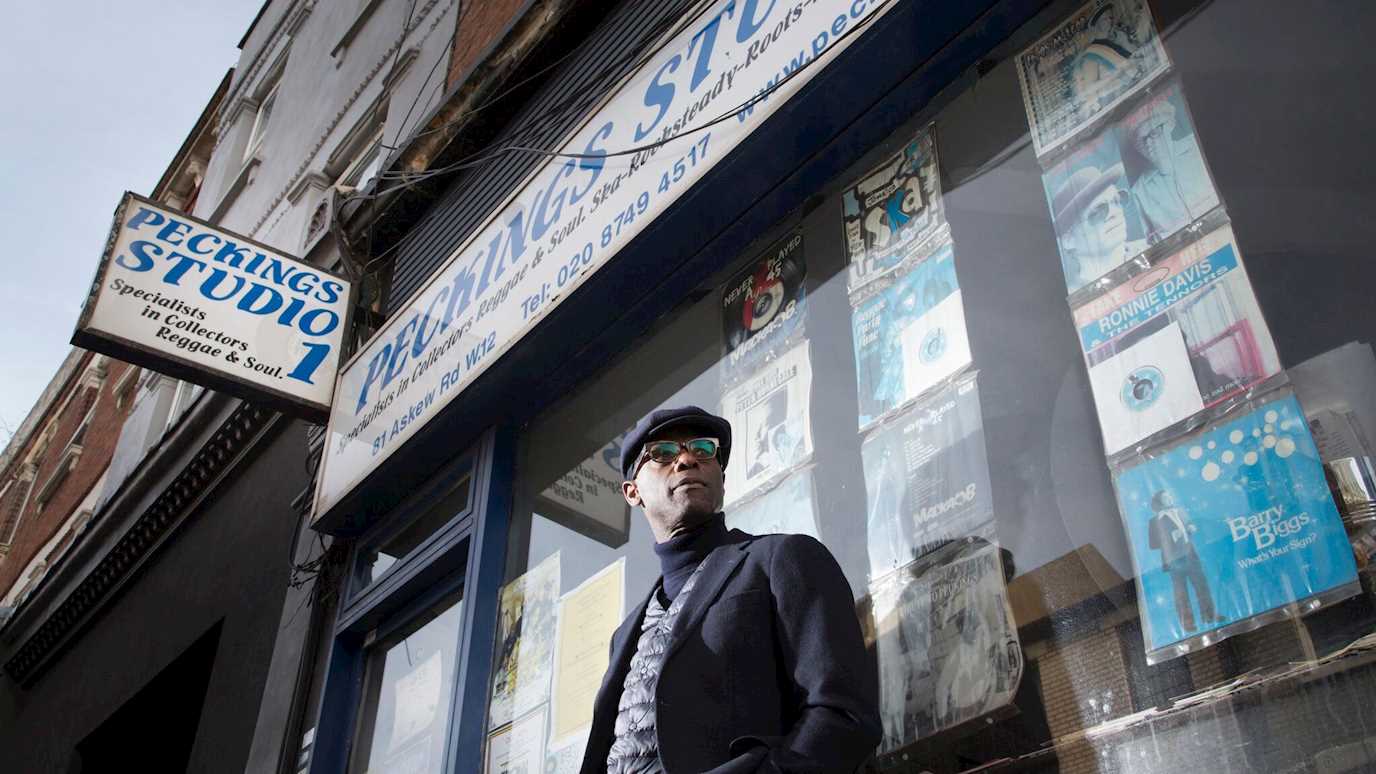
Mykaell S. Riley began his career in the late seventies as a performer with pioneering Reggae outfit 'Steel Pulse', who went on to achieve a Grammy. In the nineties he founded the Reggae Philharmonic Orchestra, who represent the most visibly black/multicultural collection of classically trained musicians in the UK. He has been a professional writer/producer and performer for over 25 years. Over this period he has achieved Silver, Gold and Platinum awards and contributed to four number-one singles and seven number-one albums via his production and writing work. His research focuses on British Black music, for instance via the AHRC-funded project Bass Culture, exploring the impact of Jamaican and Jamaican-influenced music on British culture from the 1960s to the present day.
Further information
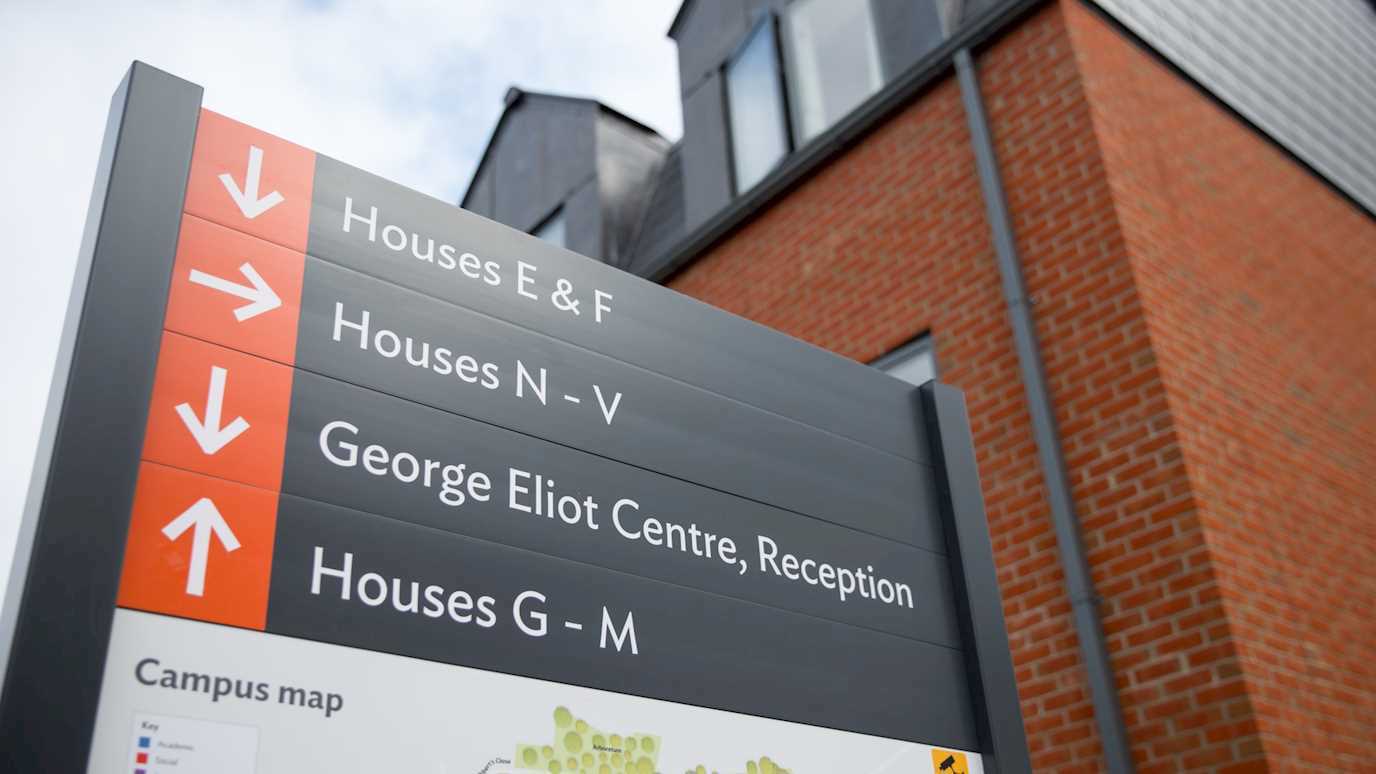
Location: Wettons Terrace, room 001