Prof. Sara Bernardini has been awarded a grant by Fondazione Compagnia di San Paolo. The SMaILE project (Simple Methods for Artificial Intelligence Learning and Education) aims to make AI accessible to young learners.
Artificial Intelligence (AI) has increasingly become part of our
everyday life. We use personal assistants such as Alexa in our homes,
pose questions to Siri, consult Google Maps to get directions, ask
Netflix and Spotify for recommendations on movies and music, to name a
few examples. In future years, we expect to rely on AI even more with
self-driving cars, robotic companions and personalised medicine.
Despite the omnipresence of AI tools, they are generally used as black
boxes, without a clear understanding of how they work and how they can
be used effectively and responsibly. Teaching AI remains confined to
specialised courses at the undergraduate and graduate levels. Few
attempts have been made so far to bring AI to secondary and primary
schools, and such efforts have primarily focused on using AI as a
powerful tool, instead of fully grasping AI concepts.
To close this gap, the overarching goal of our project is to make AI concepts
accessible to a wide spectrum of young adults and children and empower
them to understand AI in-depth as well as to create AI technology.
Starting early in AI education is believed to have numerous beneficial
effects, such as sparking interest in this discipline in a broader and
more diverse audience, fostering the adoption of advanced AI tools that
can assist in several tasks, and supporting responsible use of this
technology based on a clear discernment of the limits and risks of it.
Following the constructionist pedagogical approach, we will base
teaching on hand-on activities and problem-to-project tasks. We will
start from (simplified) real-world problems that would benefit from an
AI solution, and we will gradually construct the required building
blocks to design and implement such a solution. This approach will not
only make learning more exciting but will also convey the fundamental
idea that AI is a multi-disciplinary field in which many competencies
are needed to succeed. This perspective is in contrast with the
fragmented way in which AI is currently taught in universities. We plan
to introduce in a simple way a wide range of concepts, from intelligent
agents to adversarial search, supervised and unsupervised learning,
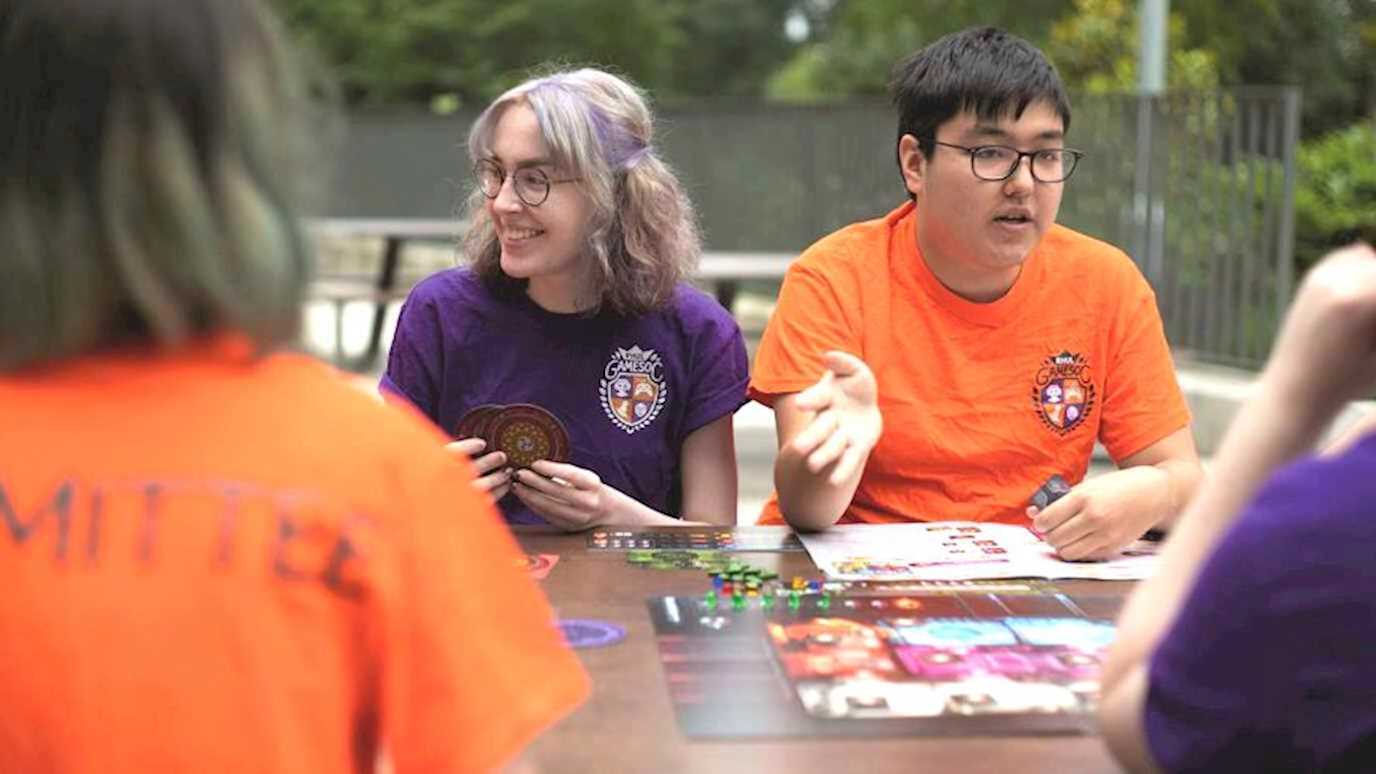
recommender systems and generative music. Many AI concepts can be
explained in a game-theoretic setting and can be implemented within
interactive games that the students can develop in teams. This approach
is likely to generate interest as it encompasses an element of
playfulness as well as meaningful interaction with the machine and the
other students. All activities will include considerations about ethics
and transparency of the solutions and will promote creative
exploration.
Finally, we plan to leverage AI in teaching AI, offering
personalised pathways for each individual student. As most probably
students will differ in their technological literacy, we intend to
assist each one of them in acquiring the necessary prerequisite
concepts to build AI solutions. We will follow best practices when
testing and validating the proposed games and activities as well as
when collecting data concerning the students.
For more information: https://www.compagniadisanpaolo.it/it/news/bando-intelligenza-artificiale-i-tre-vincitori/