Dr Nichola Raihani, University College London
Location: Bourne Lecture Theatre 2
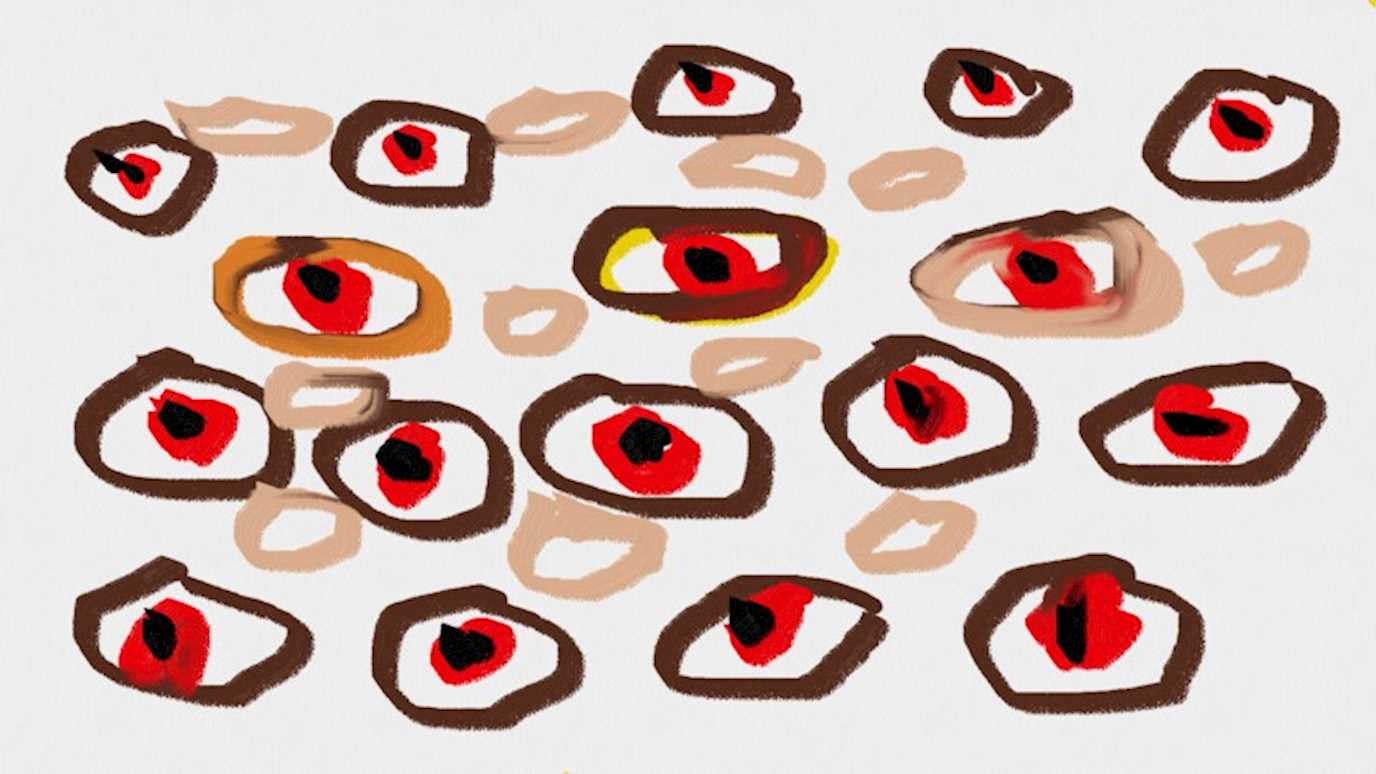
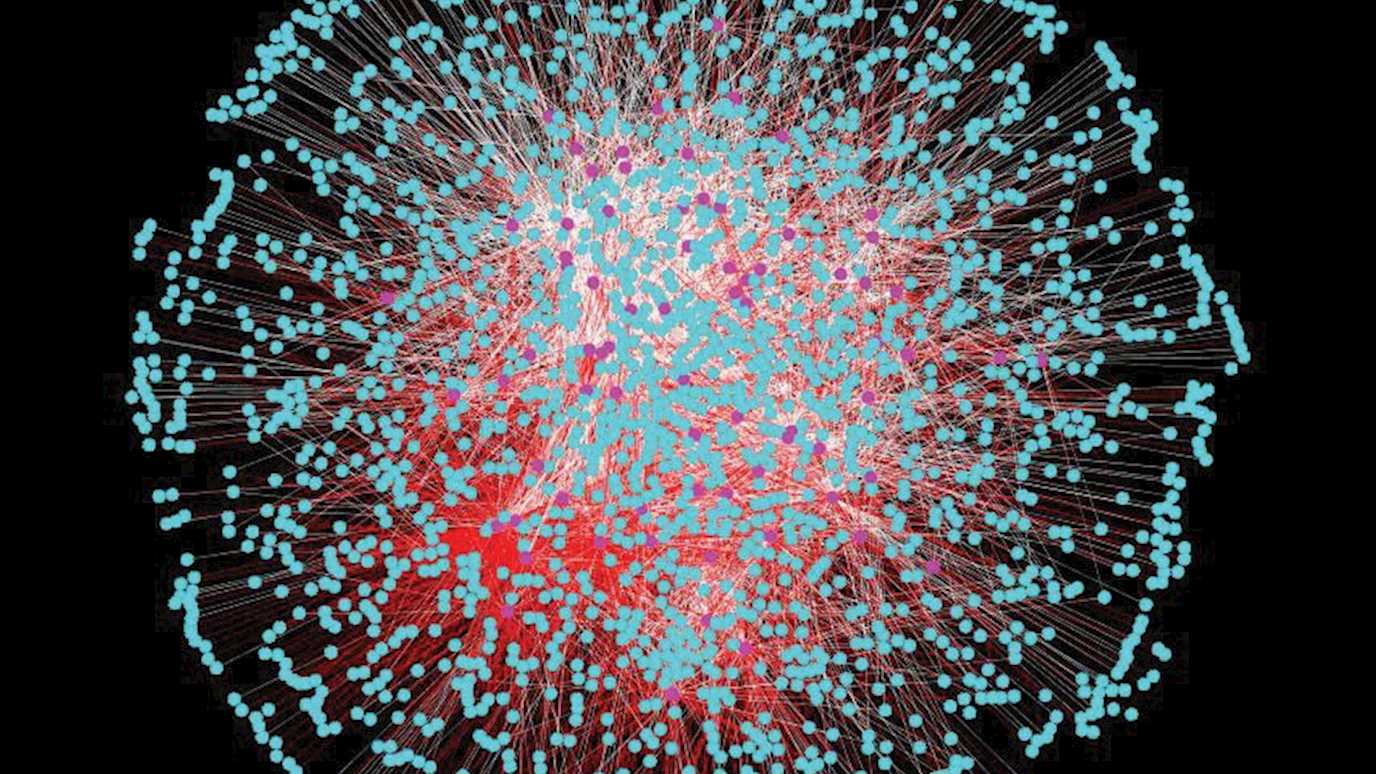
Humans are arguably unique in the animal kingdom in being able to understand that other individuals have intentions and also to some extent, to predict what these might be. Nevertheless, because inferences about the beliefs and goals of others are often made in highly ambiguous scenarios, there is much scope for variation and error in intention attribution. One way in which variation in intention attribution might manifest is as paranoid thinking. Paranoia is the most common presenting symptom of psychosis but is also distributed throughout the general population to varying degrees of intensity, including among people without any clear psychiatric or neurological difficulties. Paranoia can be defined as an exaggerated tendency to believe that others intend to cause the person harm. I will suggest that paranoid thinking might be understood as the adaptive output of a psychological system geared towards detecting coalitional threat. I outline our conceptual framework for thinking about paranoia in evolutionary terms, as well as selected experiments that show that paranoid attributions about the intentions of others are labile and increase in response to experimentally-induced social threat. As well as affecting how we perceive others, I will show that paranoia also affects social behaviour, biasing people towards reduced cooperation and increased punishment in social interactions.
We host a number of guest seminars throughout the academic year to which all students and staff are invited. This is a great way to learn about current research going on at other universities and research institutions, and to meet and network with other scientists.
Find out more about Dr Nichola Raihani