Professor Jessie Ricketts’ research on teenage reading is helping to tackle a major challenge for society.
As many as 20% of young people in the UK leave school unable to read well enough to navigate adult life.
“What do you do if you struggle to read well enough to negotiate the health system, use public transport, apply for jobs or even read warning notices aimed at keeping you safe?” asks developmental psychologist Professor Jessie Ricketts. “It’s a problem and it’s not acceptable.”
Jessie has spent her career working with young people, teachers, schools, charities, and the government. Her research studies how reading and language develop. She examines how reading and language interact and how they influence learning as young people move through their childhood and teenage years.
Universal literacy and numeracy for all young people, and a significant portion of adults, is one of the UN’s Sustainable Development Goals for Education, focusing on reading ability.
In the UK reading skills are taught in primary school, with the emphasis shifting to using reading as a learning tool when pupils enter secondary school. This means pupils who have not learnt the essential reading skills by this stage will struggle to keep up across the curriculum and may need access to further reading support to help them develop these vital skills.
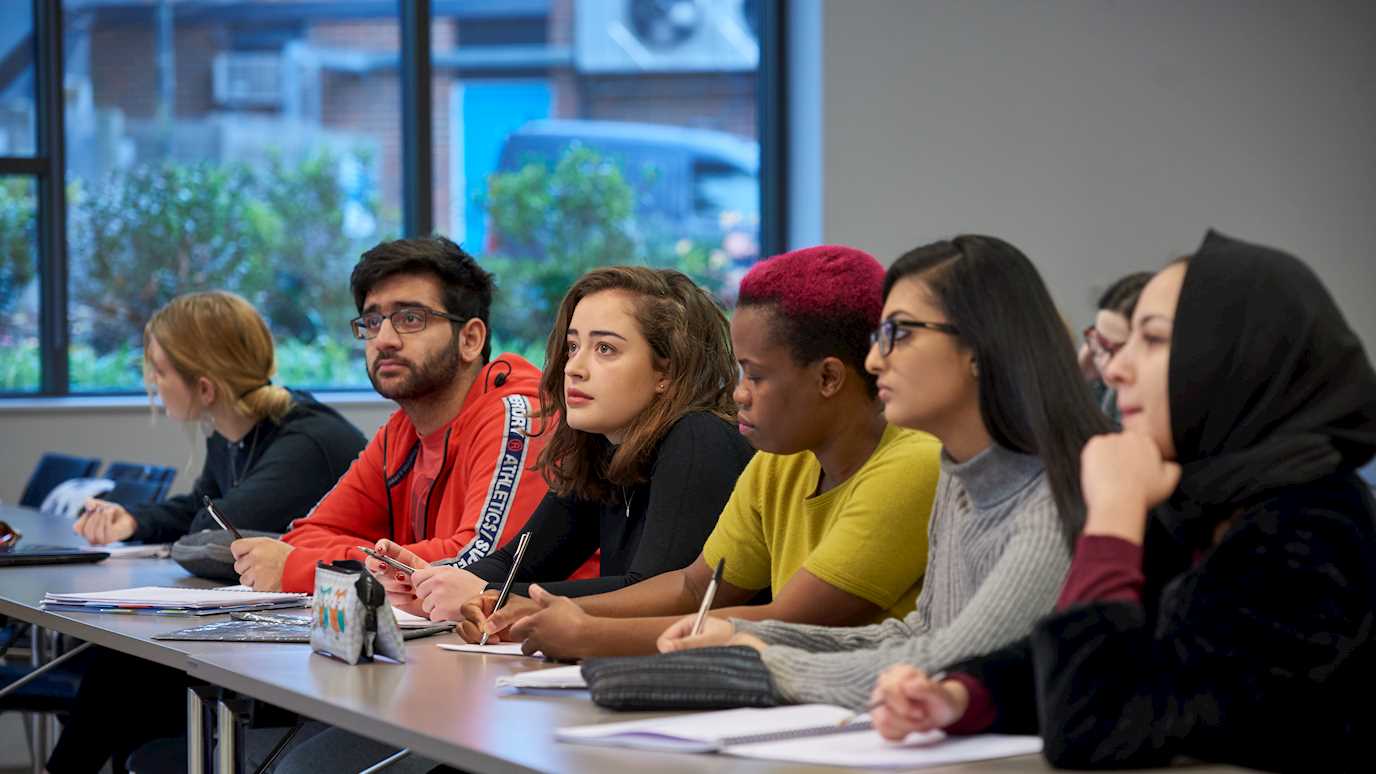
A little over a decade ago Jessie noticed there was a gap in research on teenage reading, despite much research on reading in childhood and adulthood. “Previous research had typically assumed that the interesting development in reading and language happens in childhood.” Rejecting this assumption, Jessie set about investigating exactly how reading changes and develops over adolescence, a period generally accepted to cover the ages 10 to 24.
Jessie has worked with Dr Laura Shapiro (Aston University) and other colleagues on two large long-term studies tracking how teenagers read and how their reading habits and skills change over years as they develop, these are known as ‘longitudinal’ studies. The first study followed students between the ages 11 to 14, covering the first three years in secondary school. The second study began with children in primary school, following them as they transitioned into secondary school, and is currently tracking them through the all-important teenage years. This longitudinal work is complemented by experimental work where Jessie manipulates variables to understand the causes and consequences of reading.
The combination of longitudinal and experimental research methods provides the gold standard approach for understanding cause and effect between reading and other factors. For example, she has examined how vocabulary knowledge supports reading success and, in turn, how reading contributes to the development of vocabulary. Another line of research shows that reading proficiency strongly influences reading engagement. In other words, if we want young people to read more, we must first ensure that they have the skills they need to read confidently.
When Jessie embarked on this research in 2013, secondary school teachers told her they did not have the knowledge they needed to support the reading needs of their students. At the time, government policy on reading was firmly focused on promoting universal phonics teaching in primary schools. Since then, things have come a long way and Jessie’s research has supported and enabled these changes. Key landmarks include the publication of Education Endowment Secondary Reading Guidance in 2018, Ofsted research on secondary reading in 2022, and the development of a new Reading Framework by the Department for Education (DfE) in 2023. (see links below)
“In publishing this second Reading Framework, the UK government signaled for the first time that reading is an issue for secondary as well as primary schools – that was a landmark moment which demonstrated the effect this kind of research can have.”
Jessie doesn't believe everyone needs to be an avid reader just because she is, but she does believe that lacking everyday language and literacy skills puts people at a serious disadvantage all their lives.
“That’s why this research matters. I feel passionately that this is a big societal challenge, and I want to know I’m doing what I can to help tackle it.”
Explore Jessie’s work further via the links and find out how schools can support teenage readers:
Language and Reading Acquisition (LARA) research lab
TransformED Literacy Symposium - December 2025 - Professor Jessie Ricketts
Teenage reading: 5 things schools need to know - TES article
Reading in secondary students (secondary reading CPD) - DfE training video
'Reading and Vocabulary: Exploring how Skilled Independent Reading Supports Vocabulary Learning in Primary and Secondary School' - report link
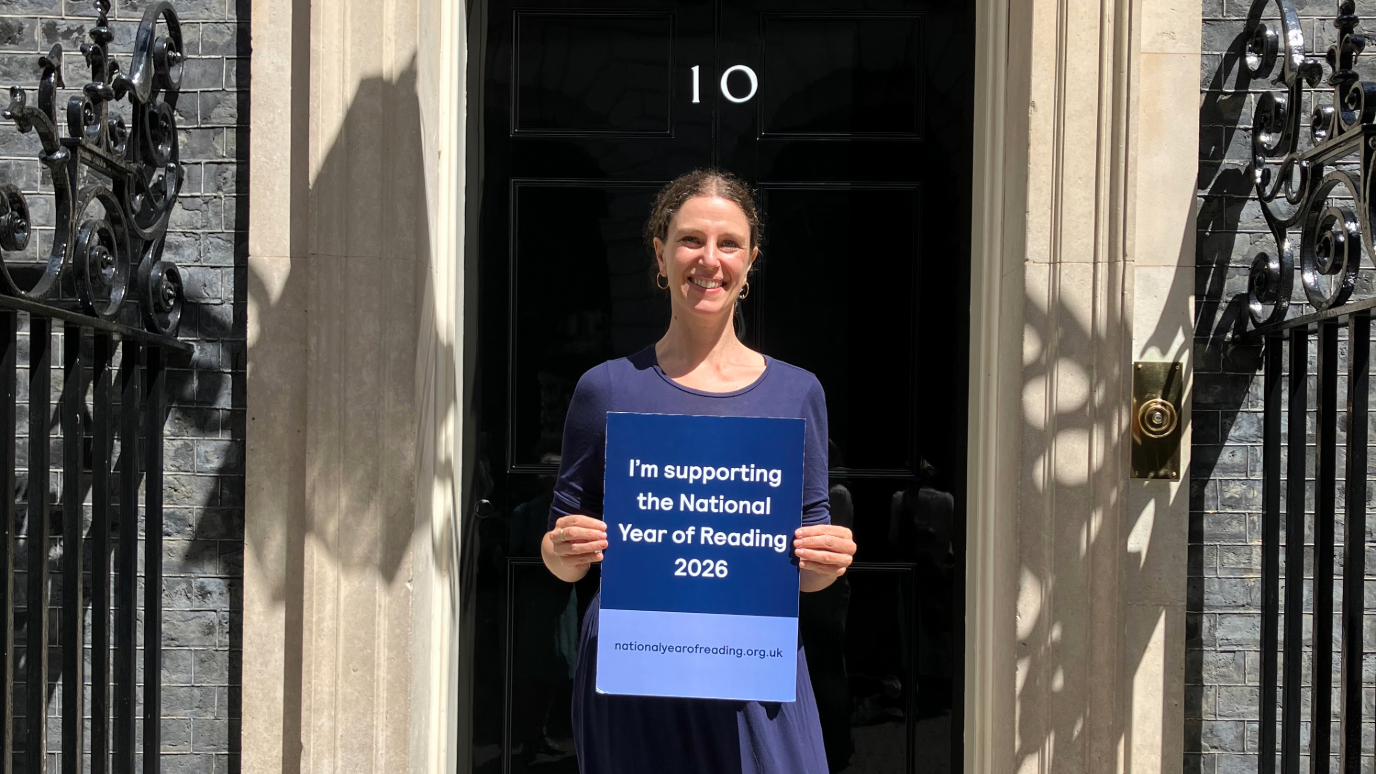
UK Parliament: Reading for pleasure Inquiry - Professor Jessie Ricketts contributed to 'Reading for Pleasure - Oral evidence' session, 3rd February 2026
Watch Professor Jessie Ricketts Inaugural Lecture on YouTube