


We are very much looking forward to welcoming you to the Department of Languages, Literatures and Cultures at Royal Holloway very soon. This page is designed to whet your appetite for your studies with us, and to give you some ideas about how to prepare in a fun and inspiring way.
Below you will find a range of different suggestions for reading, viewing and thinking. We've pointed you towards resources and activities that will help get you thinking before you start with us. None if it is obligatory and nor is it a formal part of your studies - it's simply a way to get you thinking like one of our students and to offer you some inspiration during the summer!
Also, if you're joining us via an integrated foundation year, you might be interested to take a look here at some activities and information specifically to do with that year, as well as the activities on this page.
Our degree programmes:
Modern Languages - French, German, Italian, Spanish
Language-Learning
- Whatever your level, Language-learning will be at the heart of your Modern Languages studies with us. For some of you this will be at advanced level, for others beginners'. Why learn languages? This British Academy report offers some ideas. What challenges do you anticipate? What opportunities? How can you start to prepare?
- The Guardian has a great collection of stories on the The Case for Language Learning, relating to the challenges, pleasures and practicalities of learning languages. Have a look at the stories to get some inspiration. Have you ever thought of using your other interests and passions - such as food or music - to help with your languages?
Nationhood and imagined borders
- Many of your courses will ask you reflect on complex questions of 'national' identities, historically and in the present day, and how they relate to personal, regional, political and other affiliations.
- Watch this TED talk by writer Taiye Selasi: ‘Don’t ask where I’m from, ask where I’m local’. Think about what a 'nation' means to you and how we navigate multiple national and local identities in contemporary society.
- Watch the TED talk by writer Chimamanda Ngozi Adichie: ‘The danger of a single story’. How relevant are the issues raised by Adichie to the way we approach the study of cultures other than the ones we are more familiar with? Can you think of literary or other media representations that challenge the lens of the ‘Single Story’?
French
Develop your French listening and comprehension skills with these French-language podcasts:
- 'Poire et Cahuètes' from Slate.Fr. In this latest episode of the current affairs podcast, the focus is on 'white privilege' and racism in contemporary France. Check out the further reading/viewing recommendations on this vital topic.
- 'Les Pieds sur Terre' is a long running series of 30 min documentaries from France Culture. It usually has no comment and features a range of accents and sociolects - it is just people talking about some kind of experience. Listen carefully and you will learn a lot of vocabulary, idioms, and encounter a variety of pronunciations. It also teaches you about French society, the words people put on their experiences, and how they think about life in general. In this episode you will meet various people who visit tombs in the famous Père Lachaise cemetery in Paris.
German
- Film tip: Among the key themes you will encounter in your German Studies courses are history, memory and guilt. These have loomed large in German society and culture since the Second World War. An excellent, gripping German film that deals with them is Lore, directed by Cate Shortland (2012). The film tells the tale of a group of young siblings, led by the oldest sister Lore, who must fend for themselves in the ruins of Germany at the end of the Second World War. They undertake a perilous journey across the country and have to face up to their own family's and their personal guilt in the process. The film is available to rent from Amazon Prime or YouTube.
- Why not prepare by watching this short study guide to Lore made by our colleague from German Dr Jon Hughes
- Podcast tip: If you're interested in true crime, but want more than just sensationalism, then try the excellent Zeit Verbrechen podcast from Die Zeit newspaper. In this episode we learn about the concept of 'transgenerational trauma', and a young woman who has investigated a crime that has haunted her family for many decades.
Spanish
-
Dip into this series of podcasts for a taster of Spanish literature, history, art and society.
-
One of the most impressive recent films dealing with recent Spanish history was Guillermo del Toro's Pan's Labyrinth. Watch the director discuss his film in this film.
-
To learn more about justice for the victims of Francoism in contemporary Spain, watch this documentary, 'The Silence of Others', which is available on BBC4 via the iPlayer.
-
Practice your Spanish listening and have a dip into Spanish art through these audiodescriptions of art works from one of the world’s greatest museums, The Prado in Madrid.
-
You can listen to a handful of episodes on the arrival of Hernán Cortés to Mexico and the fall of the Aztec Empire here.
-
Or listen to this fascinating conversation between Maria Delgado and the famous Spanish film director Pedro Almodóvar about his film Volver.
Italian
- Italian medieval literature still speaks to some of our most urgent questions - about love and loss, social justice and politics, storytelling and survival. Our approach invites you to explore works like Dante’s Divine Comedy, Boccaccio’s Decameron, and Petrarca’s Songbook not only through reading, but through digital platforms, visual tools, and pop culture. Resources like DivineComedy.digital, interactive maps, and digital archives offer new ways to engage with these texts. We also draw connections to contemporary films and series, like Pasolini’s Decameron, and games such as Assassin’s Creed II, and Dante’s Inferno to show how medieval ideas continue to shape the world we live in. Curious where you might belong in Dante’s universe? Start your journey with this fun quiz: Who Are You in Dante’s Divine Comedy?
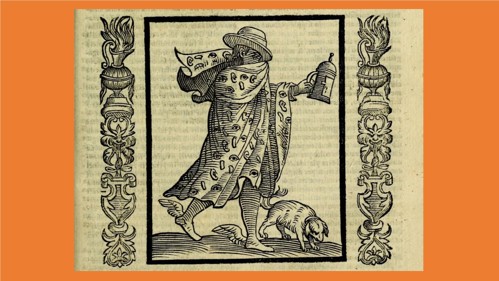
What Does This Renaissance Spy Tell Us?
Take a close look at the image above of a Renaissance spy. What is the spy doing? What tools or objects are shown? What might these details tell you about how spying and information gathering worked back then? How do you think people in the Renaissance viewed spies and the information they collected? How might this image of the spy help us understand the importance, and risks, of controlling information in early journalism? As we explore in the module Fake News, Gossip, and the Pursuit of Truth, the history of journalism begins in the Renaissance, where copyists spent hours gathering and carefully selecting information from all over the world. These early manuscript newsletters laid the groundwork for Italy’s first printed newspapers and magazines, ancestors of today’s journalism. This era also saw the rise of fake news, gossip, and information manipulation that shaped European history.
Who Is Elena Ferrante? And Does It Even Matter?
Step into the mystery behind one of Italy’s most famous - and anonymous - writers. Elena Ferrante, author of the Neapolitan Novels, has captivated millions without ever revealing her true identity. Read this article for clues… then decide for yourself: should we try to unmask the author, or is the mystery part of the message?
What do you know (or think you know) about Italian art, design and fashion?
Watch this short film by Royal Holloway's Professor Giuliana Pieri about ‘The Making of Modern Italy: Art and Design in the Early 1960s’, an exhibition she curated for the Estorick Gallery, London in 2019.
Why not prepare for your Italian studies by watching one of the most important Italian films of the 20th century: Ladri di biciclette / Bicycle Thieves, directed Vittorio de Sica (1948)? You will have the chance to study this film, and Italian Neo-Realism. To whet your appetite here's a video review by the popular film critic Mark Kermode:
Comparative Literature and Culture
Welcome to an exciting degree that enables you to expand your literary and cultural horizons, ranging across times, places, genres, and media, and to address some of the key critical questions facing the world today!
We’ve come up with some suggestions to get you thinking about how you can engage comparatively and critically whenever you read, whilst developing your global cultural awareness, and explore film and art too, if you choose. Dip into the suggestions for reading and viewing below and begin to think about some of the critical and cultural issues that will be central to your studies.
Get a taste of a world of literature
In your degree you will read comparatively across the world, from Ancient Greek epics to twenty-first-century fiction. Everything is available in English, so there’s a whole world of books in English and in translation to discover.
- Words Without Borders is an excellent starting point to explore literatures from across the world. It publishes a range of fiction and non-fictional works, including short stories, drama, poetry, and graphic novels. It also publishes monthly ‘to watch’ lists of works you really don’t want to miss!
- Ann Morgan has some brilliant tips for how to start the exciting journey of reading out of your comfort zone. We’ll be guiding you when you arrive at Royal Holloway of course, but it’s worth familiarising yourself with these ideas now.
- Explore must-read books by women in translation and European Women Writers in translation
- As you read explore the books suggested here, consider whether the list is inclusive and diverse. Which authors/what texts would you add to it and why?
- Explore ‘Classics’ in translation
- As you explore the books suggested here, consider why they are viewed as ‘classics’: what makes them ‘great’ literature? Is the list inclusive and diverse? Which authors/what texts would you add to it and why?
- Discover books by Black authors in English translation in this selection from award-winning translator (and Comparative Literary Studies PhD) Jenny Croft.
Critical contexts
Over the summer, start thinking about the contexts that influence the ways people tell stories across the world; about how texts reflect similarities, differences and changes in passions, power structures, ideas and beliefs; and about how texts reflect and circulate ideas and perspectives that open our minds as we travel transnationally.
- What does literature ‘do’? Why does it matter?
- What are the benefits of reading comparatively?
- The Nigerian novelist Chimamanda Ngozi Adichie’s TED talk, ‘The Danger of a Single Story’ provides some great inspiration for thinking about why it is vital to read and think broadly and diversely.
- As you listen to her think about how we use stories to construct narratives of identity (gender, sexual, racial, class, family). How relevant are the issues raised by Adichie to the way we approach the study of different cultures? Can you think of literary or other media representations that challenge the lens of the ‘Single Story’?
- Can you think of books (or films or artworks) that engage with pressing issues, e.g. the environment and climate change; civil rights, sex, gender, and race; artificial intelligence, politics, capitalism...? How did they do so? Are they successful?
- What book (or film or artwork) has influenced the way in which you see the world. How and why did it do so?
Your chance to get thinking about visual arts
- Explore the role of socially-engaged art and photography by looking at the work of American photographers from the 1930s exhibited here.
- How do these photographs tell stories about the United States at a critical moment in its history? What different techniques are employed by the photographers and how do they engage with the different subjects represented? Can you think of ways in which documentary photographs are still used today as potent catalysts for social change?
- Sculpture is a medium that can get you thinking about why artists use different materials. Look at the techniques examined and sculptures displayed here.
- Does knowing about the creative process help our understanding of art works? Can you draw a clear line between art and craft? What is the relationship between art and space?
- If you want to start thinking comparatively and critically about film, try analyzing the audiovisual techniques employed in the introduction to the 1995 French film La Haine (Hate).
- Why do you think the film starts so abruptly with documentary footage? Can you explain the extreme contrast with the highly stylised voice-over scene about a man falling to his death? Why use Bob Marley's 'Burnin' and Lootin' in a film set in the Paris region? Why choose to film in black and white? Can you think of another film that addresses these issues - does it do so in a similar or different way?
- When you arrive on campus, visit our own Picture Gallery to explore the paintings in this fine Victorian collection. Think about how tastes, styles, subjects and artistic media change as the conditions in which art its produced and consumed change.
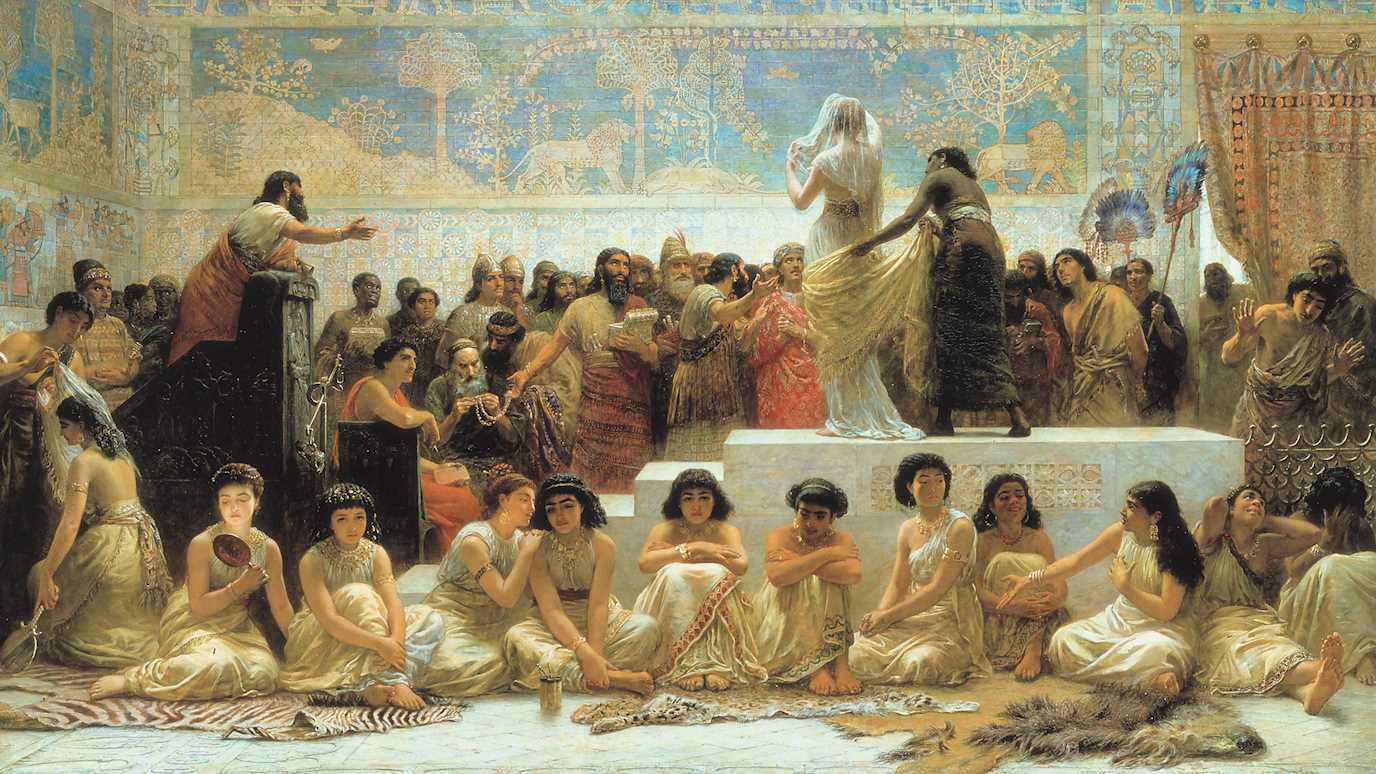
- One painting that takes us far from home is Edwin Long’s ‘The Babylonian Marriage Market’, which was acquired by our founder Thomas Holloway as a contribution to debates about women’s new roles in society.
- Do we view the painting's exotic ‘orientalist’ setting differently now from our contemporary perspective? How does it make us feel about painters and viewers as consumers of women and of other cultures? What does this painting suggest about how the domination of colonised people and of women was normalised in Victorian Britain's empire? How do images – in galleries or in the media – position women and people from other cultures today in the global marketplace?
Liberal Arts
An interdisciplinary degree for curious thinkers
- Liberal Arts at Royal Holloway offers space to think across boundaries, pursue ideas that matter to you and build a programme shaped by your own academic interests. This is a degree for students who want to ask complex questions, make unexpected connections, and stay open to where their curiosity leads. You’ll explore connections across the Arts, Humanities and Social Sciences, with options across disciplines such as Comparative Literature and Culture, Classics, English, History, International Relations, Law, Psychology and more!
- Activity: Think of a big question you care about, then imagine how three different subjects might help you explore it.
Shape your own academic path
- You won’t be restricted to a single subject. This degree supports both breadth and depth—some students explore widely throughout their studies, while others gradually specialise in one or two areas. You’ll be encouraged to make connections across disciplines and develop your own academic direction.
- Activity: Sketch out your dream degree: what subjects would you combine and why?
Think across boundaries
- At the core of our programme is a commitment to interdisciplinary thinking. You’ll compare approaches to knowledge, analyse how methods vary between disciplines and build the confidence to work across ideas and frameworks. You’ll sharpen your skills in critical analysis, communication and independent thought. Alongside your subject choices, you’ll explore ideas such as creativity, identity and public engagement through core modules taken with other Liberal Arts students. These shared courses foster a sense of intellectual community and provide tools for interdisciplinary analysis. The final-year project allows you to bring together the threads of your learning in a form that suits your academic strengths—whether written, creative or practice-based.
- Activity: Pick a topic like “identity” or “creativity” and try to explain it using tools from two different disciplines.
Join a global community
- You’ll be part of an international cohort of students, with the option to spend a year abroad—either in a country where your chosen language is spoken or at one of our partner universities where teaching is in English. There are also opportunities to engage with volunteering and civic participation as part of your studies.
- Activity: Choose a country you’re curious about: how could you explore it through history, politics, language or culture?
Prepare for a complex world
- Liberal Arts prepares you for a world that doesn’t stay within disciplinary boundaries. Our graduates described their experience as “a mindset shift—constant learning, intellectual risk-taking, and learning to ask better questions” and highlight how it helped “connect the dots, academically and personally.” Skills such as adaptability are increasingly valued. A recent Forbes article discusses Liberal Arts teaching us “how to think”—a skill that remains critical as industries adapt to rapid technological change. The Harvard Gazette describes the degree as preparing students for “the next problem over the horizon”—while Times Higher Education stresses the need for agile thinkers with broad-based knowledge.
- Activity: Take a global issue and ask one question about it from the perspective of four different subjects.
What this degree offers is not just flexibility—but direction
- This is a degree that offers you range, depth and independence—and asks for the same in return. It will challenge you to define your own academic path and prepare you to engage critically and creatively with the world beyond university.
- Activity: Write down four skills or values that matter to you, then think about which subjects will help you develop each one.
History of Art and Visual Culture
Welcome to a unique programme that gives you the skills to read, interpret and analyse images and artefacts across cultures, times, genres and media!
We’ve come up with some the suggestions so you can start engaging critically and creatively with various aspects of visual culture and the history of art whilst developing your global cultural awareness. Dip into the suggestions below and begin to think about some of the critical and cultural issues you will explore in depth when you join us at Royal Holloway.
- In recent years, museums and galleries have increased their digital resources; a digital national collection connecting cultural objects across the UK has also been proposed. The Southbank Centre in London gathers literature, art, music, performance and political debates – perfect for a student of the History of Arts and Visual Culture. Listening to podcasts can be a good way not only to broaden your horizons but also to practise listening skills for lectures.
- Pick a podcast to listen to and make a few notes. What are the key points? Can you summarise it in a paragraph? What would be your own critical review of it?
- Royal Holloway has its own Picture Gallery – a fine collection of Victorian paintings that you can explore when you arrive on campus. In the meantime, you can explore online.
- Which painting(s) are you drawn to and why? Think about how tastes, styles, subjects and artistic media change as the conditions in which art its produced and consumed change. Do we need extra information to read images? To what extent are they still relevant to today's students? How can they be made accessible? An audio described tour of our Picture Gallery is available.
- Check out The Sensational Museum, a project led by our own Professor Hannah Thompson which is working with partner museums to design and create sensory interventions that are accessible to all – using what we know about disability to change how museums work for everyone.
- The question of statues and monuments has been in the news recently. Royal Holloway has a statue of Queen Victoria.
- What can we learn from it? Is it controversial in any way? How can we use History, Art History, Politics or Sociology to understand this sort of big issue?
- Explore the role of socially-engaged art and photography by looking at the work of American photographers from the 1930s exhibited here.
- How do these photographs tell stories about the United States at a critical moment in its history? What different techniques are employed by the photographers and how do they engage with the different subjects represented? Can you think of ways in which documentary photographs are still used today as potent catalysts for social change?
- Sculpture is a medium that can get you thinking about why artists use different materials. Look at the techniques examined and sculptures displayed here.
- Does knowing about the creative process help our understanding of art works? Can you draw a clear line between art and craft? What is the relationship between art and space?
- If you want to start thinking critically about film, try analysing the audiovisual techniques employed in the introduction to the 1995 French film La Haine (Hate).
- Why do you think the film starts so abruptly with documentary footage? Can you explain the extreme contrast with the highly stylised voice-over scene about a man falling to his death? Why use Bob Marley's 'Burnin' and Lootin' in a film set in the Paris region? Why choose to film in black and white? Can you think of another film that addresses these issues - does it do so in a similar or different way?
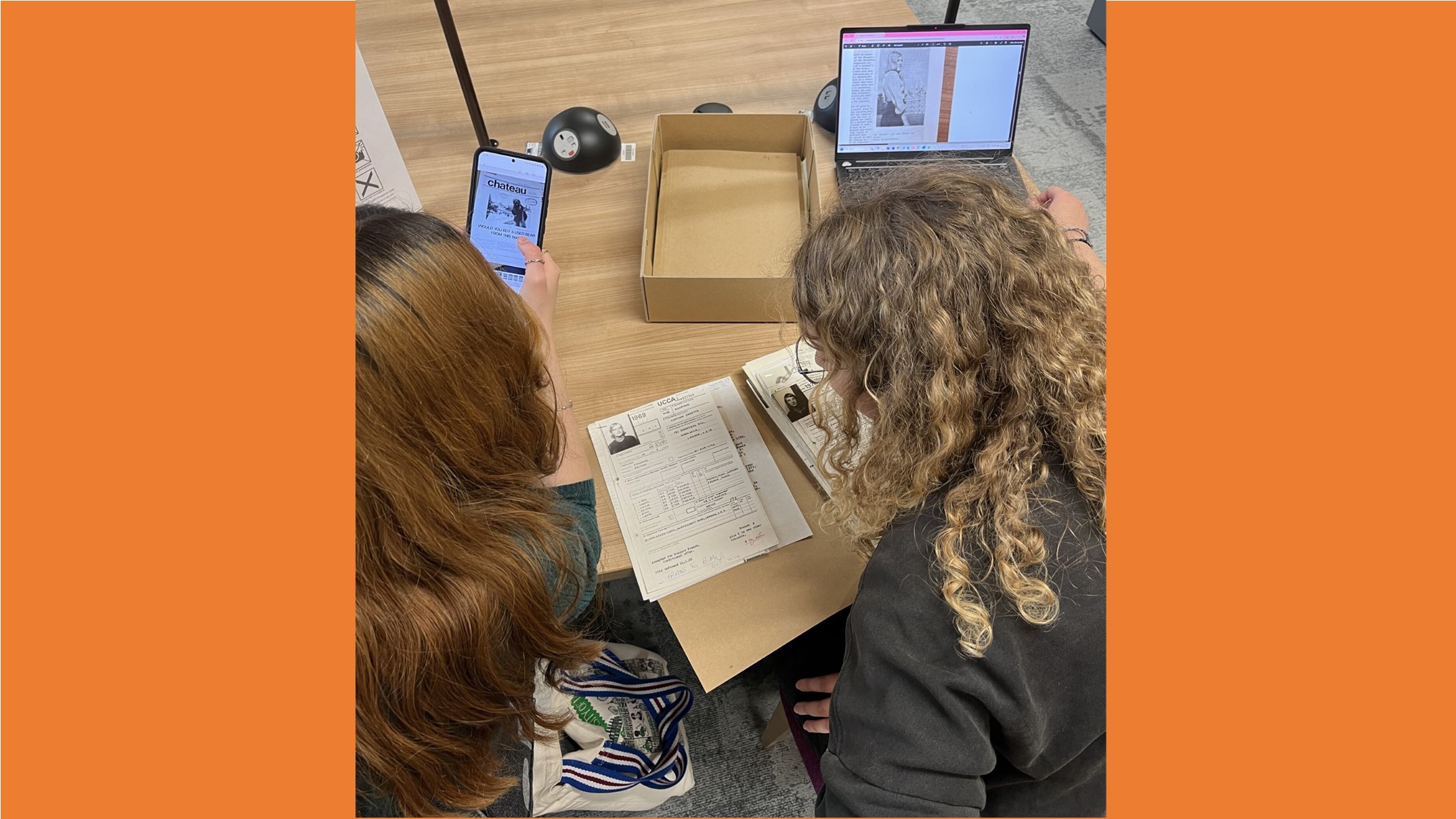
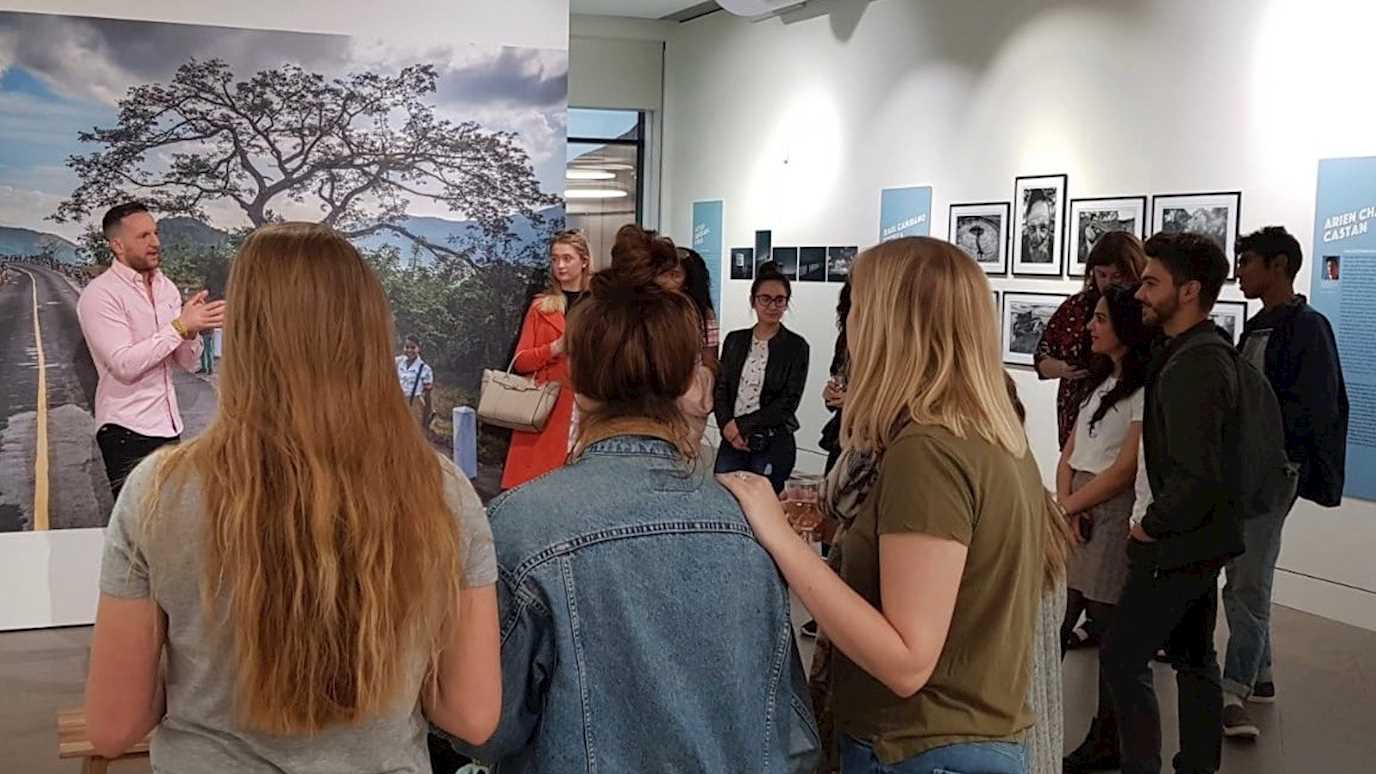
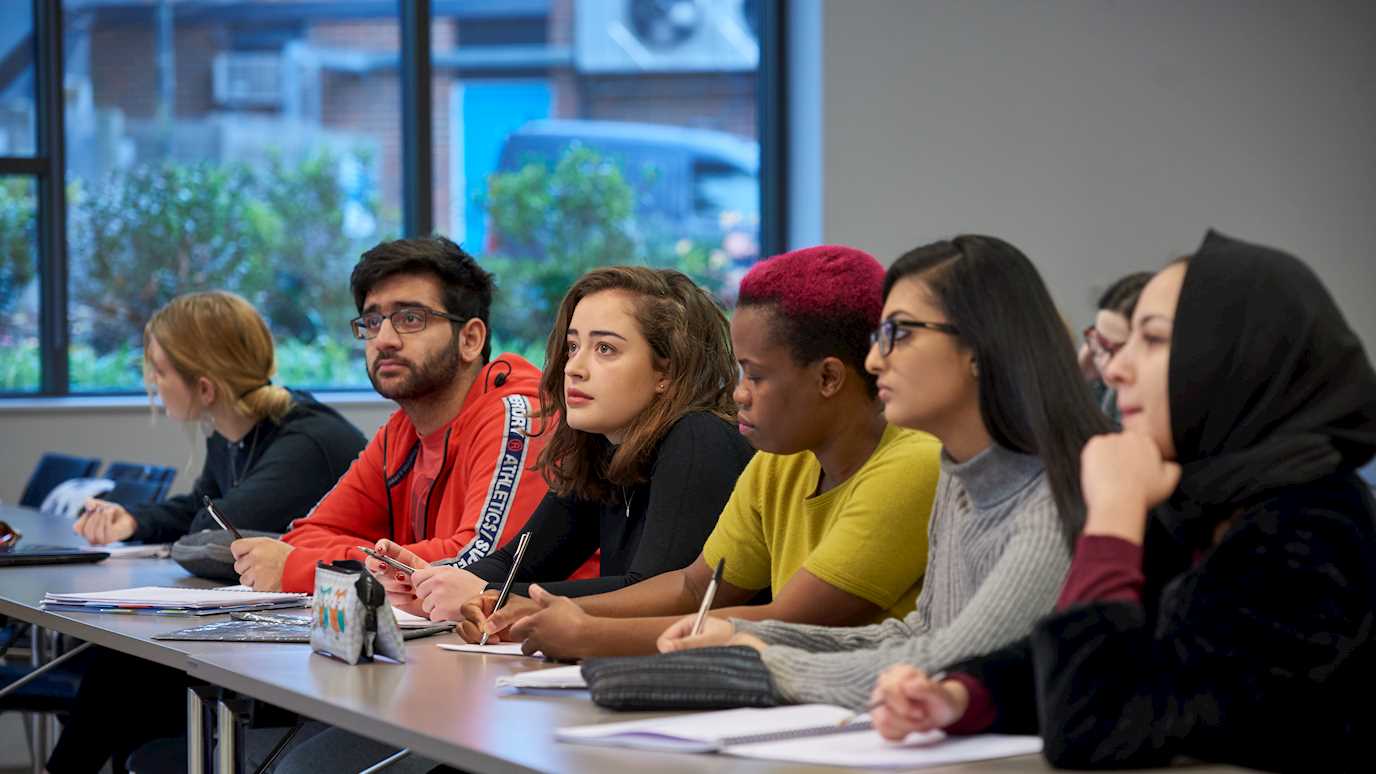
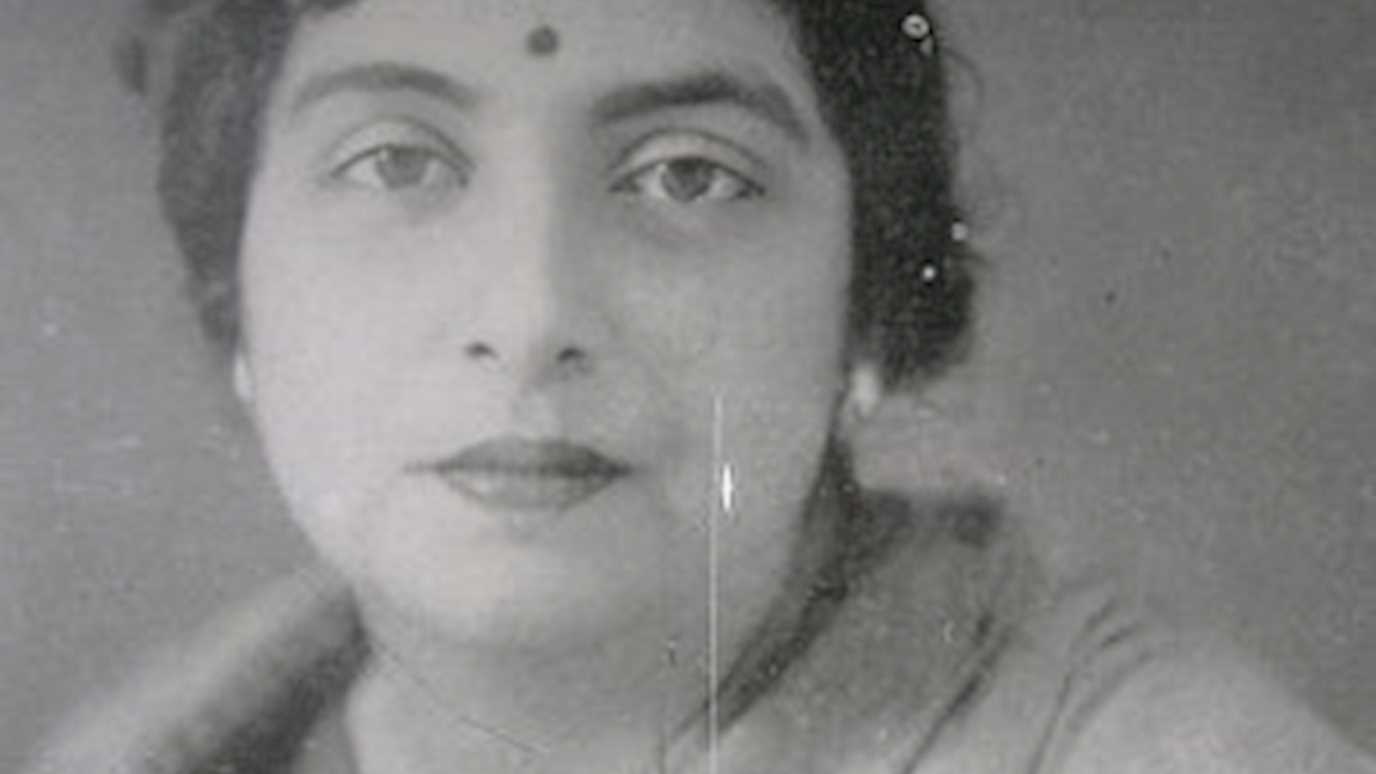
Students from the Department of Languages, Literatures and Cultures working on the project Royal Holloway’s Global Archive: A Student-Centred Project to Uncover our Multicultural Past