How do you turn an inherently unsustainable global industry with a reputation for less than ethical practices into a more sustainable and responsible enterprise? The answer could be to start from the bottom up.
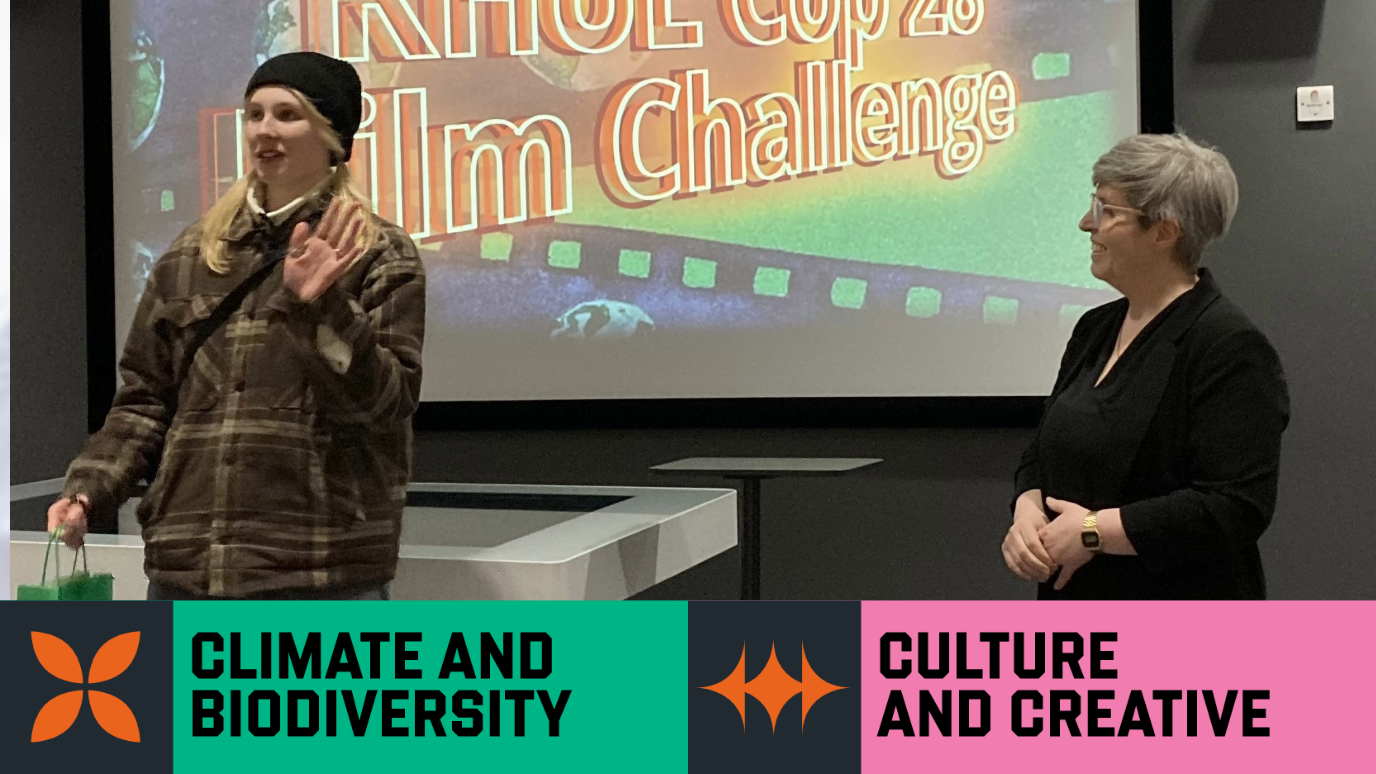
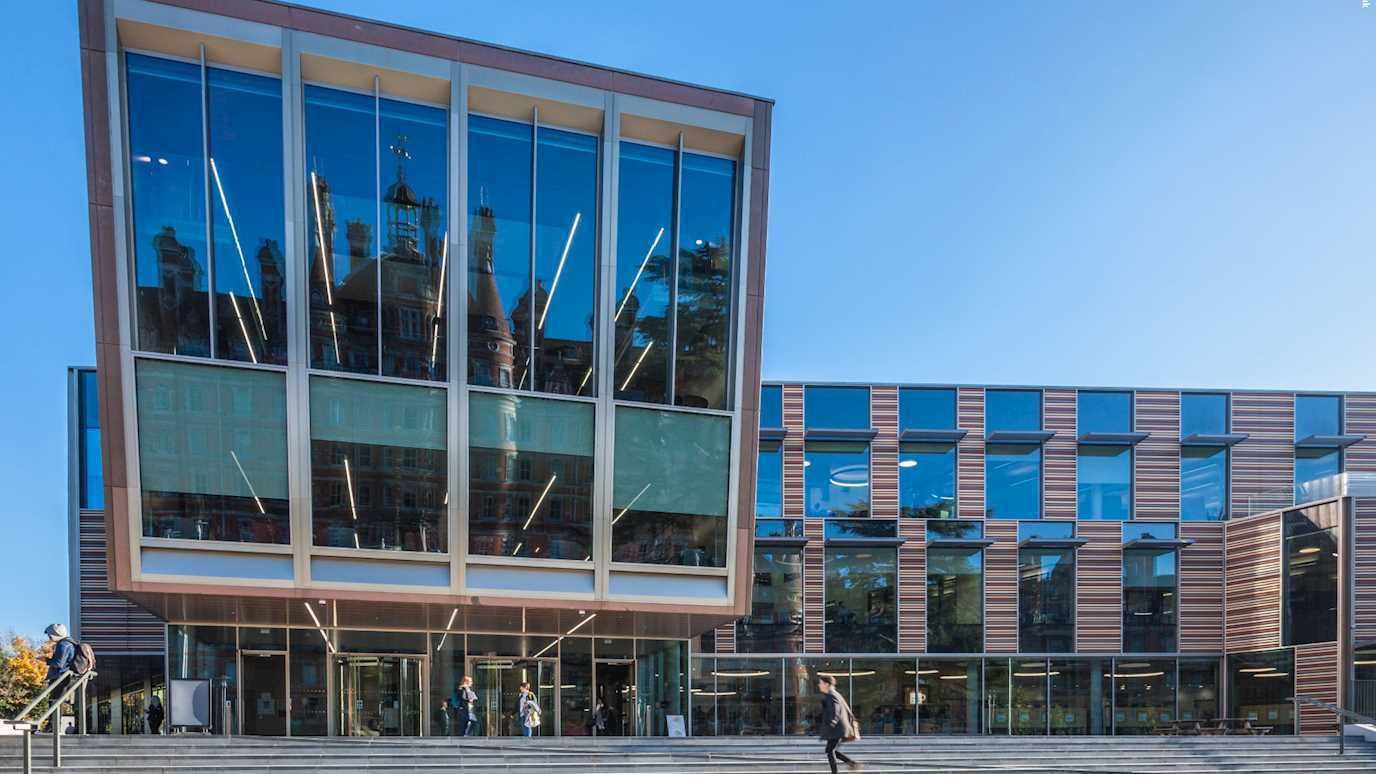
Image of stuent filmmaker and Maeve O'Connell, with Climate and Biodiversity and Culture and Creative headers beneath.
How do you turn an inherently unsustainable global industry with a reputation for less than ethical practices into a more sustainable and responsible enterprise? The answer could be to start from the bottom up.
Historically, filmmaking has been an inherently unsustainable industry due to the scale, complexity, and resource intensity of the production process. The average big budget film produces 2,840 tonnes of carbon emissions, mainly from the fuel used in journeys to set and the transportation of film equipment, as well as from generators powering equipment and facilities on set.
Every year, student filmmakers create hundreds of films as part of their courses, so starting fledgling filmmakers on the right path could help turn the industry around. Lecturer Maeve O’Connell from the Department of Media Arts is teaching them to practice their craft responsibly, without creating large carbon footprints.
Over the last 2 years, she has developed a set of guidelines for student filmmakers at Royal Holloway. They include an agreement that every member of the production crew must sign, promising to follow sustainability guidelines, to be respectful and inclusive and to ‘treat people equally without prejudice or favour.’ They also include a list of recycling areas and places to fill up water bottles on the Royal Holloway campus, and local charities that accept donations of leftover food. Much of the advice, however, is universal. This is especially true for the values around inclusivity and representation, which Maeve considers to be intertwined with eco-friendly values.
"Are you writing from a place of truth? Do you understand and respect the characters? By embedding these ideas within projects from the start, we hope that students will become better filmmakers, and will carry these values forward into their professional work, becoming a force for positive change in the film industry.”
Guidelines for sustainable filmmaking were created in 2011 by the British Film and Television Academy (BAFTA), but these were designed for large-scale studio film productions, where entire job roles exist to ensure they are met. A student film project doesn’t have the budget or time to achieve these things, so how can student filmmakers learn to be environmentally conscious and ethical?
Maeve drew on her experiences as a cinematographer and her connections in the film industry to reach out to organisations that focus on similar goals, such as Climate Spring, an organisation that looks at how films convey sustainable messaging in their stories. She also involved Sustainable Film, a company who have worked on many Hollywood projects, including Barbie. Sustainable Film hosted a session on campus in May where they educated students about how they support film productions, and how they are planning to expand into supporting television and short-form productions. Green Kit, London's foremost film lighting rental company specialising in energy efficient equipment rental, research, and development, has also hosted similar on campus events. On top of that, they also donate prizes for the yearly COP Film Challenge, which asks students to create films about the current climate emergency.
Maeve is now broadening the scope of her research to other types of media, such as the video game industry, particularly big-budget game development, whose carbon footprint is under-researched. She will use the on-campus Futures Studio to research the environmental impact of digital productions – productions that use large LED screens to render computer generated images in real time.
Maeve wants to continue developing industry connections and inspiring positive change. If you would like to learn more or collaborate with her, she can be reached via maeve.oconnell@rhul.ac.uk.
Return to our Research in Focus page to uncover more exciting research happening at Royal Holloway, University of London.
Research in focus