In a world buzzing with notifications, streaming content, and endless distractions, staying focused feels harder than ever. So, what makes something capture our attention – whilst other things slip by unnoticed?
Unlocking the secrets of human awareness
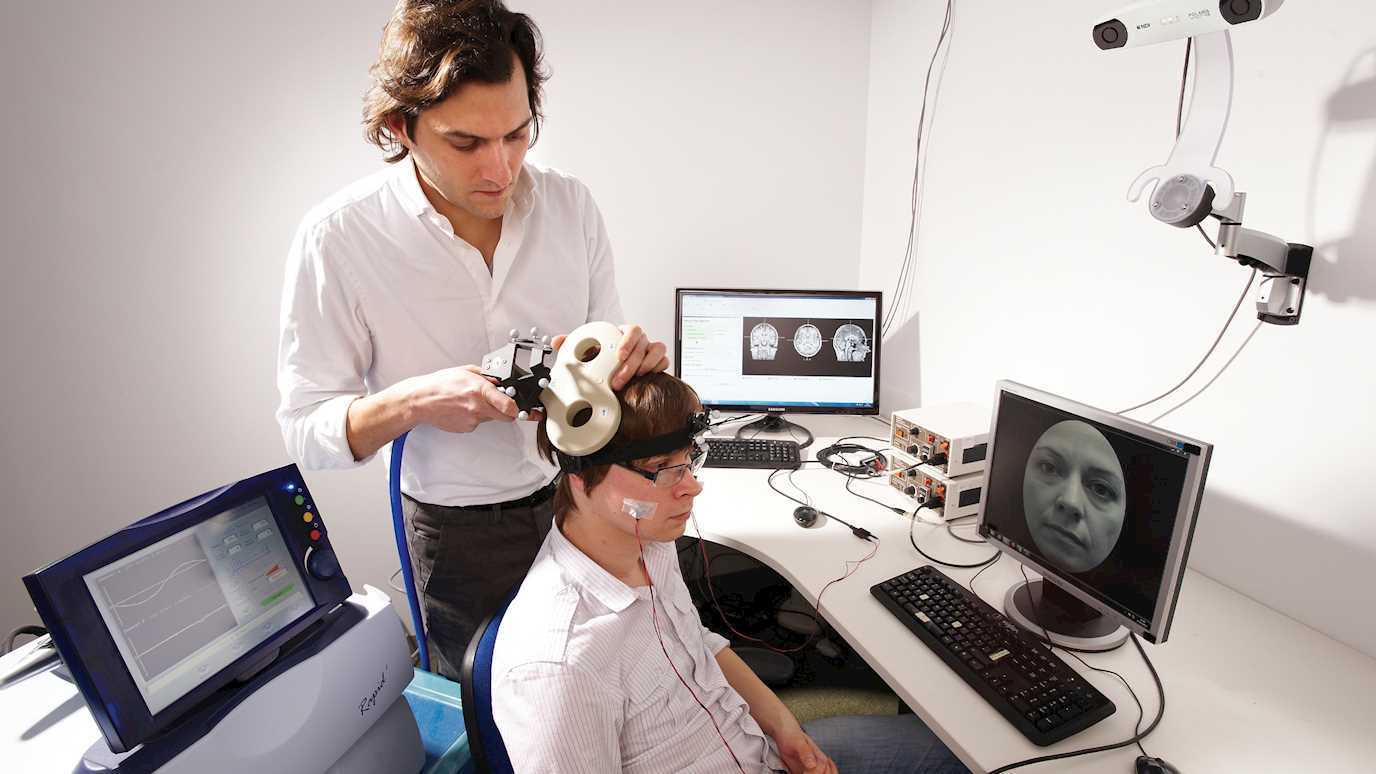
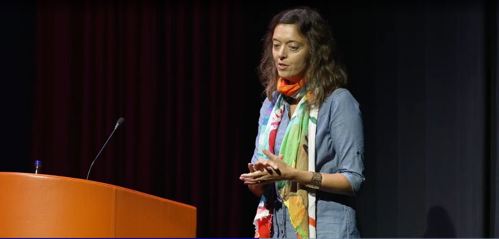
Cognitive psychologist Professor Polly Dalton, leads the Attention Lab at Royal Holloway, and has dedicated her career to uncovering the secrets of human awareness. Her research reveals surprising insights into how attention shapes our awareness, with implications that stretch from road safety to immersive storytelling.
Attention isn't just about vision - it operates across hearing, touch and beyond.
- Professor Polly Dalton
The auditory gorilla: why we miss the obvious
You may have seen the famous ‘invisible gorilla’ experiment, where viewers concentrating on a basketball game fail to notice a gorilla strolling through the scene. Professor Dalton wondered: does the same happen with sound? The answer was a resounding yes.
In her auditory version of the experiment, participants listened to a lively conversation about party preparations while a voice repeated “I’m a gorilla” for 19 seconds. Surely no one could miss that?
|
“We thought it would never work,” Professor Dalton recalls. “But it soon became clear that hardly any of the participants were noticing it. It took us by surprise how profound people's lack of awareness was because they were focusing their attention on something else.” |
This phenomenon, known as inattentional deafness, shows how focusing on one task can make us oblivious to other sounds - even those that seem obvious. The implications are serious: from missing alarms in aviation to overlooking hazards on the road, attention failures can have real-world consequences.
Beyond vision: the power of multisensory experiences
Professor Dalton’s curiosity doesn’t end with our hearing. Her research explores how our senses combine to shape attention - a perspective that’s increasingly vital as technology evolves. “People often study attention visually,” she explains. “In our lab, we look at how it operates across all our senses.” One standout project was a hyper-reality opera, which went beyond VR headsets to include vibrating floors and blowing wind. “It was really impactful,” Professor Dalton says. “We’re now researching how these sensory layers enhance people’s sense of being present within virtual worlds.”
Professor Dalton brings this multisensory approach to her role as Head of Audience Futures for the CoSTAR National Lab, led by StoryFutures at Royal Holloway. The lab combines state-of-the-art facilities, technology research and an exciting series of industry and academic partnerships to fuel creative industries growth across the UK.
Professor Dalton’s mission is clear: keep humans at the centre.
“We want these technologies to be accessible, inclusive and designed with the user in mind.”
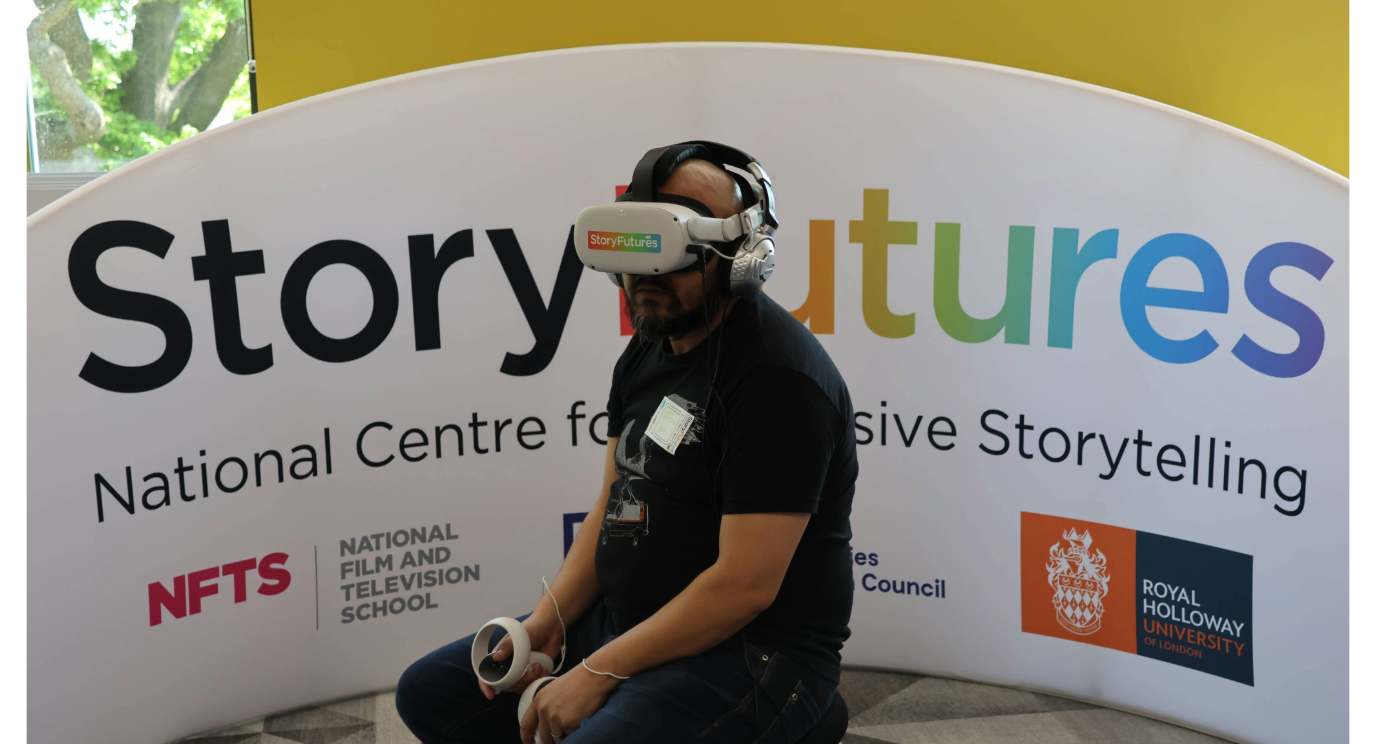
Showcasing VR headsets used at StoryFutures National Centre for Immersive Storytelling

Attention on the road: remote driving and safety
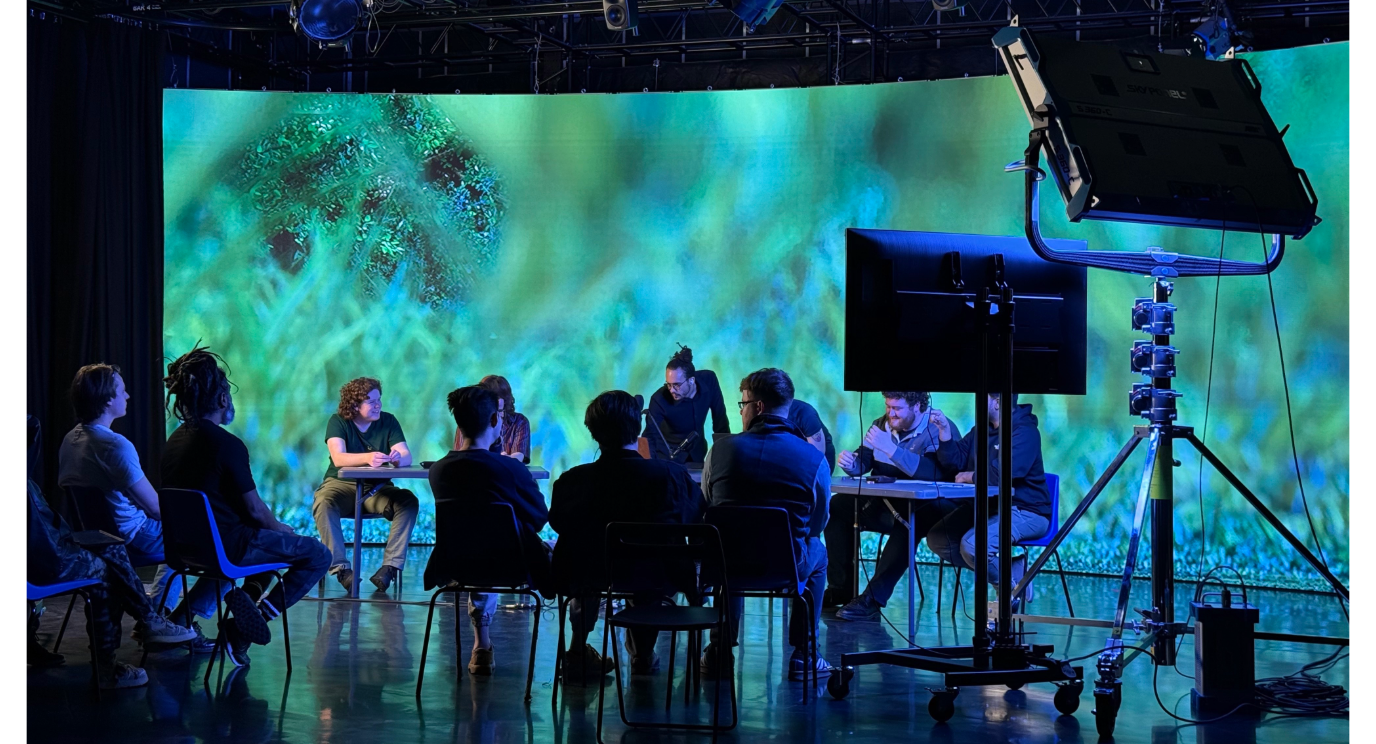
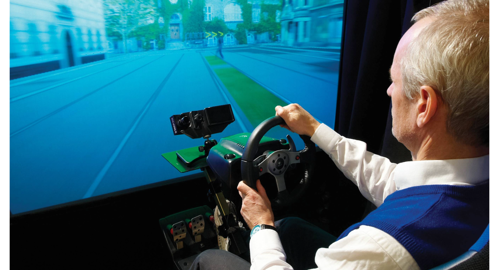
Professor Dalton’s research also tackles safety-critical systems. In partnership with Transport Research Laboratory, her team uses the Omnidrome Research and Innovation Centre to investigate how remote operators control automated vehicles - a scenario where drivers control cars remotely using screens and cameras.
“We are trying to understand what they call ‘situation awareness’. When you’re in a car, you maintain an understanding of your current environment which allows you to predict what might happen next, and this is a very important part of driving” Professor Dalton explains. “Remote drivers are not fully immersed in the driving environment, so they might not have that multi-sensory context.”
Early findings are raising questions about interface design and training.
The goal: make remote driving safer and more efficient as autonomous technologies advance.
Why it matters
For Professor Dalton, the beauty of discovery lies in its impact.
“Adding to human knowledge is exciting,” she says. “And if it can improve safety, enhance experiences, or make technology more inclusive, that’s even better.”
Find out more about Professor Dalton's research projects below:
Multisensory elements and their impact on presence in VR at the Royal Opera House
Gorillas we have missed: sustained inattentional deafness
Auditory Gorilla Podcast: The Curious Case of Adam Rutherford and Fry
Return to our Research in Focus page to uncover more exciting research happening at Royal Holloway, University of London.
Research in focus