What do bats, handmade books, and wooden libraries have in common? They all highlight the powerful role that literature and the humanities can play in environmental thinking
What do bats, handmade books, and wooden libraries have in common? They’re all part of a trio of imaginative projects from the Department of English highlighting the powerful role that literature and the humanities can play in environmental thinking and exploring fresh ways to engage with the natural world.
Listening to bats, writing with echoes
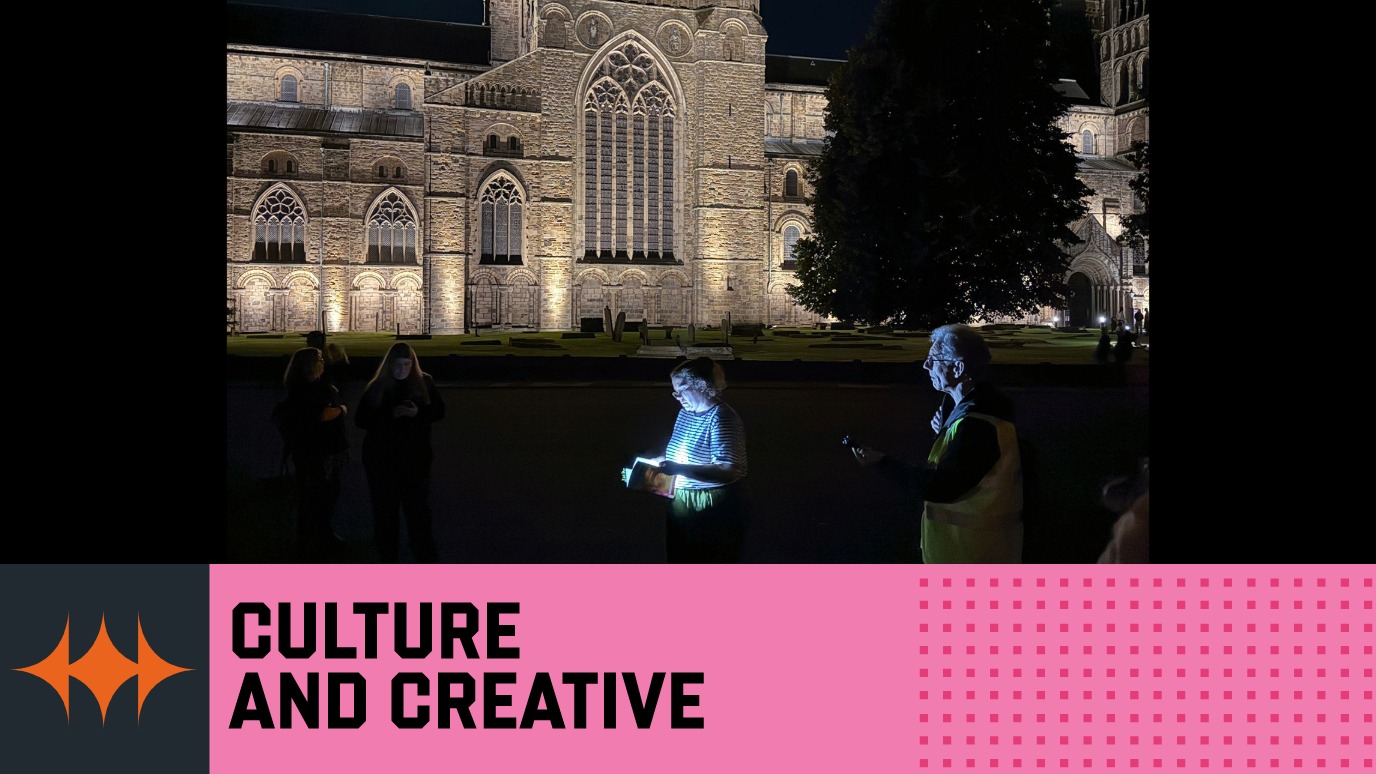
Dr Briony Hughes, a lecturer in creative writing, has been venturing into the Surrey Hills with an echolocation detector — not to study bats in the traditional sense, but to ask a more poetic question: what would it mean to write from the perspective of a bat?
Often misunderstood or feared, bats are typically cast as eerie creatures in popular culture. But Hughes invites us to reconsider them — not as symbols of darkness, but as fellow communicators navigating the world through sound. Her research blends ecology with poetry, and she’s been collaborating with environmental and arts organisations, including the Bat Conservation Trust, to host bat-watching and poetry walks.
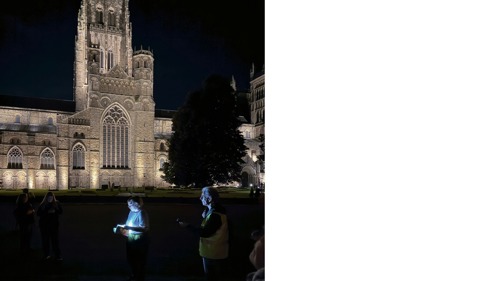
Her work was showcased at the 2025 National Bat Conference in Durham, where she led an eco-poetry workshop and one of her night-time bat walks for conservation experts. The poems emerging from this project are featured in her 2025 book, Speculative Frequencies, published in June. The project is also being used to support sustainability education in Richmond schools.
Fossil fuels and medieval meditation
Professor Redell Olsen takes a different approach to environmental reflection — through the pages of a handmade book. Fossil Oil: A Book of Hours draws inspiration from medieval prayer books, which marked times for contemplation throughout the day. Olsen’s version reimagines this tradition for the petroleum age, with seven poetic meditations on fossil fuels and their impact on the planet.
The book was created using 'deadstock fabrics' including PVC leatherette, a product made from chemicals sourced from fossil fuels.
Earlier this year, the book was brought to life in performance at Senate House, University of London. Participants listened to readings from the book and reflections on the building itself through headphones as they walked through the library entrance hall and atrium, creating a layered experience of place, history and environmental awareness.
Imagining wooden books and indigenous knowledge
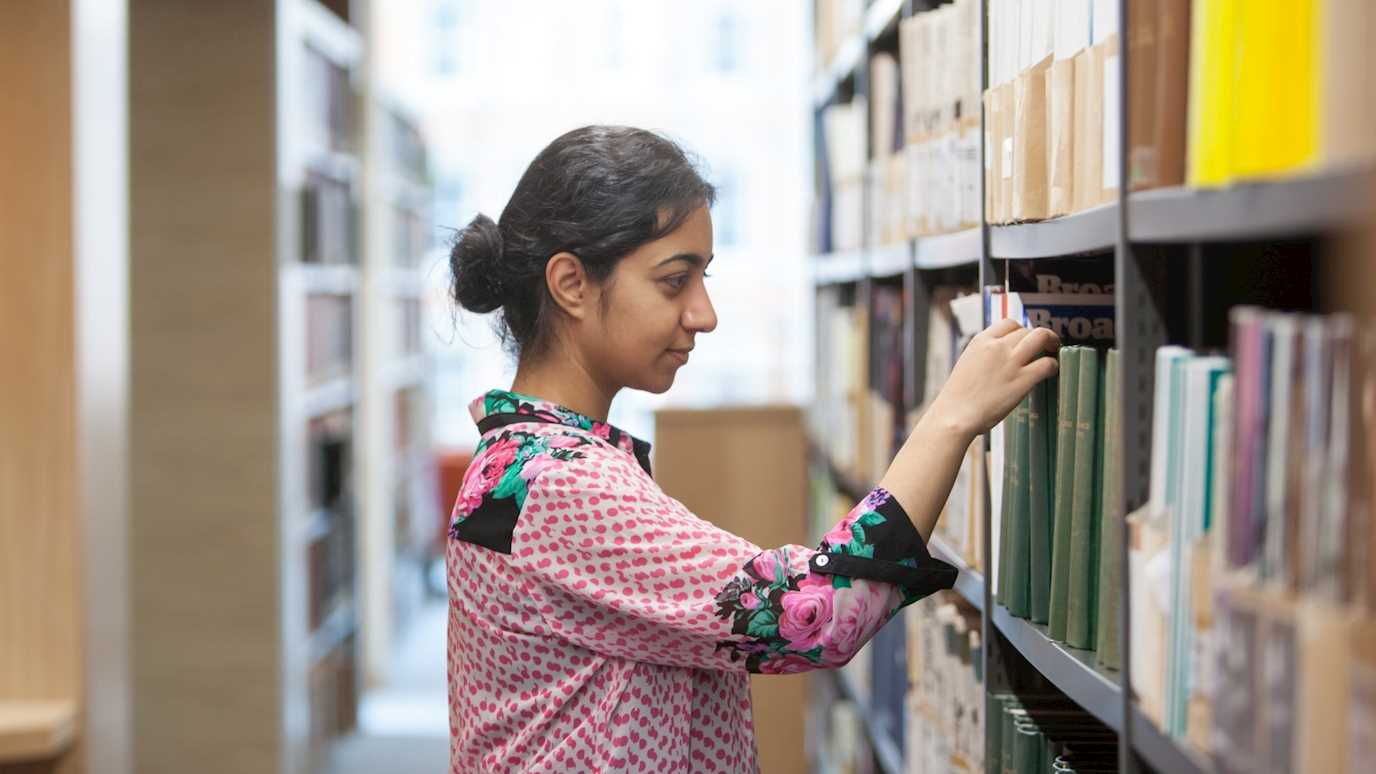
Dr Katie McGettigan, a specialist in American literature, is exploring how books themselves — both real and imagined — reflect our relationship with nature. Her current research looks at wooden books created or envisioned by writers of European descent and Indigenous American authors, and how these materials shape the way we read and understand texts. Though still in its early stages, McGettigan’s project has already sparked international interest, with presentations at conferences in the UK and the US.
On 9 November Dr McGettigan, Dr Hughes and Dr Caroline Harris, Honorary Research Associate, are co-organising The Living Library, a pop-up exhibition of eco-poetry at the Landmark Arts Centre as part of the 2025 Being Human Festival — the UK’s national celebration of the humanities.
Return to our Research in Focus page to uncover more exciting research happening at Royal Holloway, University of London.
Research in focus