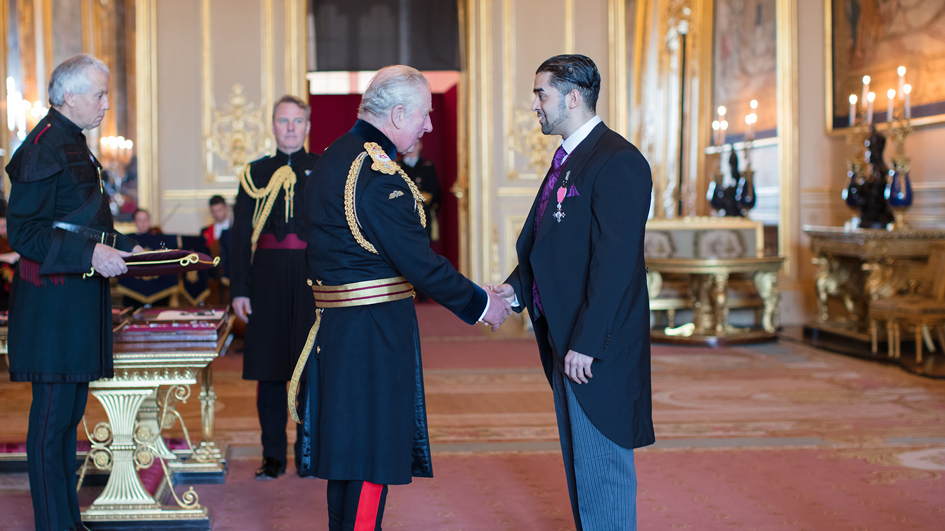
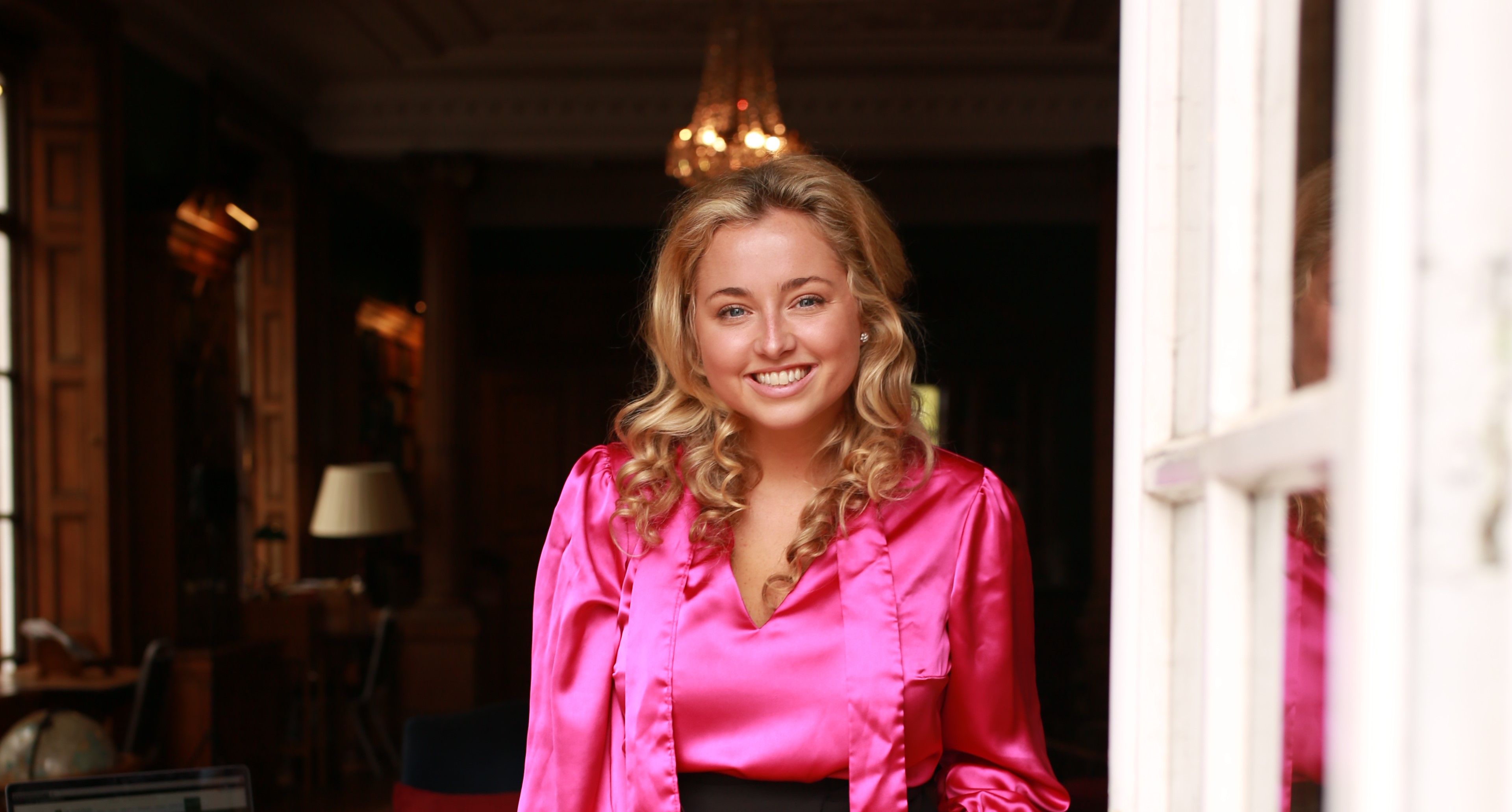
Alumna Gabriella Howell (History 2016) received an MBE for philanthropic service to Antigua and Barbuda and the wider Commonwealth in the 2026 King’s New Year’s Honours. Her work spans cultural heritage, education, healthcare, environmental causes and heritage-led regeneration, supporting communities and preserving historic sites for future generations. We spoke with Gabriella about her work and her journey so far.
Please tell us about your career path since graduation. How did you end up where you are?
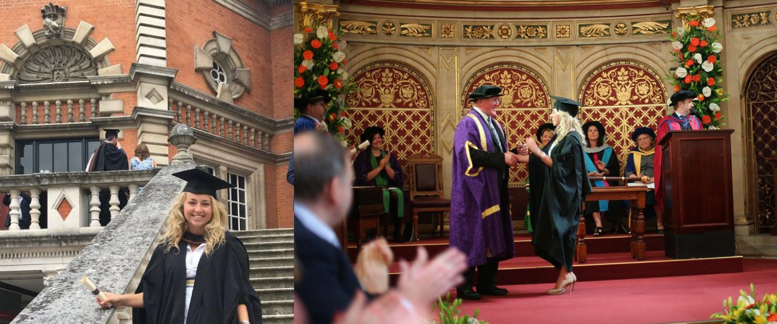
After graduating in History from Royal Holloway, University of London, I went on to complete a Master’s degree in War Studies at King’s College London. While my studies were firmly rooted in the past, they also shaped a growing interest in how history continues to influence the world today - from politics and international relations to culture and identity.
After my postgraduate studies, I joined the UK Civil Service, working in the Department for Business, Energy and Industrial Strategy (BEIS). My role focused on the UK’s EURATOM agreements with non-EU countries following Brexit. It was a fast-paced and demanding environment, involving international negotiations and complex policy decisions, and it gave me valuable insight into how governments work behind the scenes during periods of major change.
Alongside my work in government, I began a very different project: restoring a 350-year-old estate house in Antigua. What started as a conservation project soon grew into the redevelopment of a 35-acre historic estate into a boutique heritage hotel. The work combined practical restoration, historical research, and business development, all with the aim of preserving the site’s character while giving it a sustainable future. The hotel was later invited to join Historic Hotels of the World and received industry recognition, including the Historic Hotelier of the Year.
The history of the estate became central to its identity. Researching the house, those who lived on the estate, and the wider landscape over more than three centuries allowed visitors to engage with the past tangibly. This process reignited my passion for research, moving beyond the building itself to explore the lives, networks, and histories connected to the estate and its place in the wider world.
This research eventually led me back into academia, and I was invited to begin a PhD at the University of Buckingham. My doctoral thesis, entitled The Farley Family of Mercers Creek and the Development of the Colonies of Antigua, North Carolina, and Virginia (1740–1790). Rather than treating the Caribbean as a distant backdrop to North American history, my work highlights the ways in which Antigua and Barbuda actively shaped economic, political, and social developments.
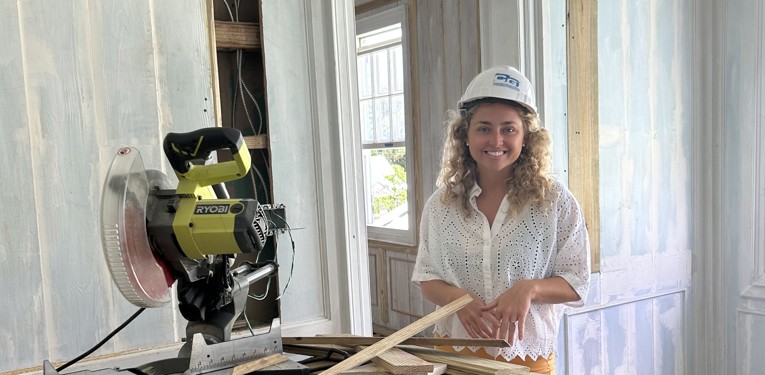
My work in heritage restoration and research led to an invitation from the Governor-General of Antigua and Barbuda to join the board of the Heritage Trust (Antigua and Barbuda) Inc. The Trust aims to restore some of the country’s most important historic sites, including the restoration of Government House and the creation of a new museum and education space. I have been closely involved in this project for the past three years, helping to guide the restoration and develop the museum, which is due to open in April 2026.
In addition to this role, I sit on the boards of the Museum of Cardiff and the Royal Engineers Museum in Chatham. Across these roles, my work has focused on making history accessible, relevant, and engaging for a wide audience, whether through research, restoration, or public storytelling. Overall, my career has followed a consistent thread: using history not only to understand the past, but to inform the present and shape meaningful public experiences.
What did your recognition in the King’s New Year Honours mean to you?
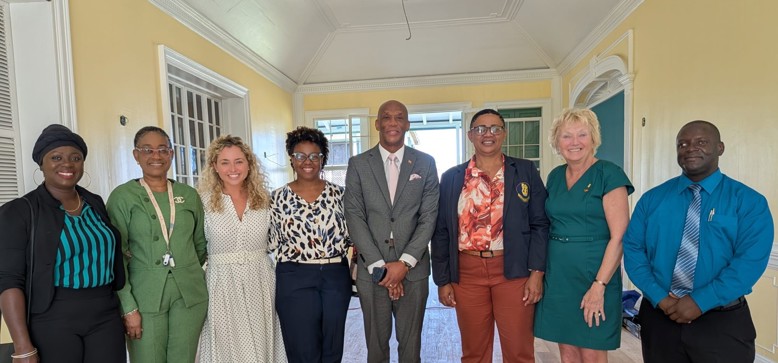
Being able to work on such a significant project and to share my passion for history, heritage, and restoration with others has been incredibly rewarding in itself. The opportunity to help bring an important historic site back to life, while making it meaningful and accessible to a wider audience, has been a real privilege.
To then have this work recognised through the King’s New Year Honours meant a great deal to me personally. The recognition felt not just like an acknowledgement of the restoration work, but of the wider impact it has had in creating opportunities for heritage training and employment in Antigua and Barbuda, and across the wider Commonwealth. It was both humbling and deeply affirming to see this work valued at that level.
Your honour recognises leadership in cultural heritage and education. What first sparked your interest in this area, and how has it shaped your career?
My interest in cultural heritage and education really began at home, rooted in a love of history that runs through my family. My grandparents were wonderful storytellers, and as children my sisters and I were always keen to listen, learn, and absorb as many of their stories as possible. My mother was keen to instil in all of us that history should never be presented as something distant or dry - it was personal, lived, and full of meaning.
That early influence has shaped my career in very natural ways. I was always encouraged, particularly by my father, to keep learning and to follow opportunities wherever they led. As my career path shows, learning does not stop at graduation, and history offers endless ways to understand the world we live in today.
Throughout my work, I have been motivated by the belief that history does not have to be dull or disconnected from modern life, as it is sometimes perceived to be. When real stories are told well and brought to life, people become genuinely engaged. That engagement leads not only to a desire to learn more, but also to a sense of responsibility to protect heritage, create opportunities around it, and learn from it. Sharing that understanding with as many people as possible has been a consistent driving force behind my career.
You have been closely involved in the restoration of The Great House Antigua and the redevelopment of the Government House Museum. What do these projects mean to you, and why is preserving heritage so important?
At their core, the restoration of The Great House Antigua and the redevelopment of the Government House Museum have been about bringing places of immense historical importance back to life and ensuring they remain relevant for future generations.
The restoration of Government House has focused on reviving a site that holds unique national and international significance for Antigua and Barbuda. As the historic link between the island and the British monarchy, and as part of the wider Commonwealth story, Government House represents Antigua and Barbuda on a global stage. One of the initial challenges was helping people see why restoring the building mattered, and demonstrating the wider opportunities the project could create - particularly in terms of skills development, heritage training, and long-term employment.
A central part of the project has been the creation of a new museum within Government House. This museum offers an aspect of the island’s history that is not currently represented elsewhere. At present, there are only a small number of heritage sites open to the public in Antigua and Barbuda, with two focused on naval history in English Harbour, one at Betty’s Hope (a restored sugar mill with a small museum), and the national Museum of Antigua and Barbuda housed in the former courthouse, a building facing significant structural challenges. The Government House Museum, therefore, fills an important gap.
The museum explores themes that are unique to this site, including Antigua and Barbuda’s relationship with the British monarchy, the shifting nature of power on the island, and the journey towards independence and the development of the Constitution. By adding this missing chapter to the island’s heritage landscape, the museum helps broaden understanding and supports education at all levels.
Preserving heritage matters because it allows people to connect with their own history in a meaningful way. When history can be experienced - through places, stories, and shared spaces - it encourages curiosity, learning, and a sense of ownership. Projects like these are not just about protecting buildings; they are about creating opportunities for people to engage with the past, learn from it, and carry those lessons forward.
Alongside heritage work, you are also deeply involved in philanthropic activity across healthcare, education and environmental causes. What motivates your commitment to giving back?
I believe that everyone has the capacity to give back in some way, whether big or small - it simply depends on how we choose to prioritise it. For me, that sense of responsibility has grown naturally through my work, particularly in Antigua and Barbuda, where I have met countless individuals and organisations who are deeply committed to supporting their communities and building better futures.
Being closely involved at a community level has given me the opportunity to listen, learn, and understand where the needs are greatest. Those connections have shaped how I engage philanthropically, allowing me to respond in practical and meaningful ways across healthcare, education, and environmental causes.
During the COVID-19 pandemic, this became especially important. Through my networks, I helped arrange the donation and distribution of vital PPE supplies to communities in need across several countries. In Antigua and Barbuda, for example, access to basic supplies such as sanitiser was extremely limited, with people resorting to using rum to sterilise their hands. Seeing those realities first-hand reinforced the importance of acting quickly and collaboratively to support local responses.
Ultimately, what motivates my commitment to giving back is the belief that positive change happens when people use their skills, resources, and networks in service of others. Whether through heritage projects, community support, or emergency response, I see giving back as an extension of my wider work - listening to communities, responding to real needs, and helping to create lasting opportunities for the future.
What impact do you hope your work has had – both locally and more widely?
I have tried to ensure that as many people and organisations as possible are involved in the process. Whether through restoration projects, museum development, business planning, or education and training, my aim has always been to work collaboratively and to create opportunities for shared learning and participation.
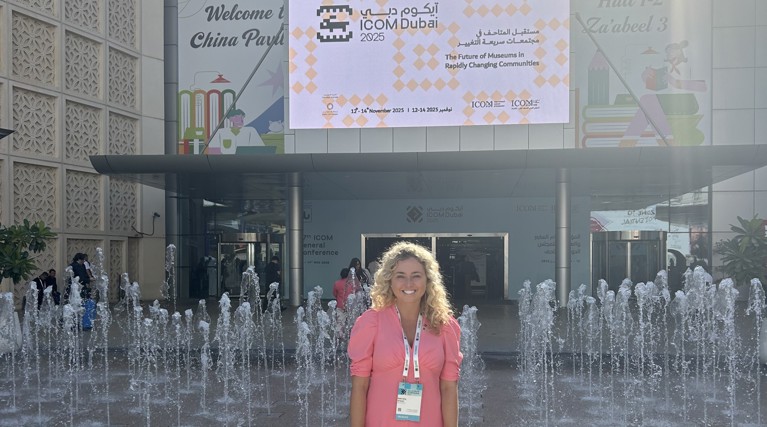
More widely, I have had the opportunity to speak about this work in places such as Mexico City, Dubai, and North Carolina, sharing experiences and lessons learned with international audiences. I have also spent time visiting other CARICOM islands to understand how we can better align our approaches and learn from one another, particularly through close engagement with colleagues in Barbados. These exchanges have helped build stronger regional and international connections around heritage, education, and sustainable development.
At a local level, I have been fortunate to see some of the impact directly. One of the most rewarding aspects has been working with students and staff from the University of the West Indies on the Government House Museum project, particularly in relation to research, interpretation, and technical development. Supporting students to engage with heritage in practical ways has been a key part of ensuring that knowledge and skills are passed on.
There has also been a strong focus on heritage skills and training. This includes conservation training that has led to the qualification of two new stone masons, as well as the development of training programmes in carpentry and the production and use of traditional limestone masonry. Seeing these skills being learned, applied, and carried forward locally has been one of the most meaningful outcomes of the work, and reflects the longer-term impact I hope these projects will continue to have.
Finally, what’s next for you – are there any projects or ambitions you’re excited about for the future?
Absolutely, the Government House Museum is set to open in April 2026, which will bring the bulk of that long-term project to completion. I’ll continue to be involved as a board member, supporting the museum’s charitable operations, training programmes, and educational initiatives. I’ve also been invited to give further talks about the heritage work, building connections with institutions globally to expand training and learning opportunities.
Alongside heritage and education, I’m exploring new ways to make a social impact through technology, particularly in the AI sphere. Over the next five years, AI will transform almost every platform and business model, and there’s a real need to help small and medium-sized enterprises integrate these tools effectively. I’m excited to apply my experience in project leadership, social impact, and training to help businesses navigate this change, ensuring they can maximise the benefits of this rapidly advancing technology.
There’s a lot happening right now, and it’s a thrilling time to combine my passions for heritage, education, and innovation in ways that create meaningful, lasting impact.