Scientists discover evidence of salty water similar to the Earth’s oceans and organic matter essential for the building blocks of life in a meteorite that crashed through a house in New Jersey, USA.
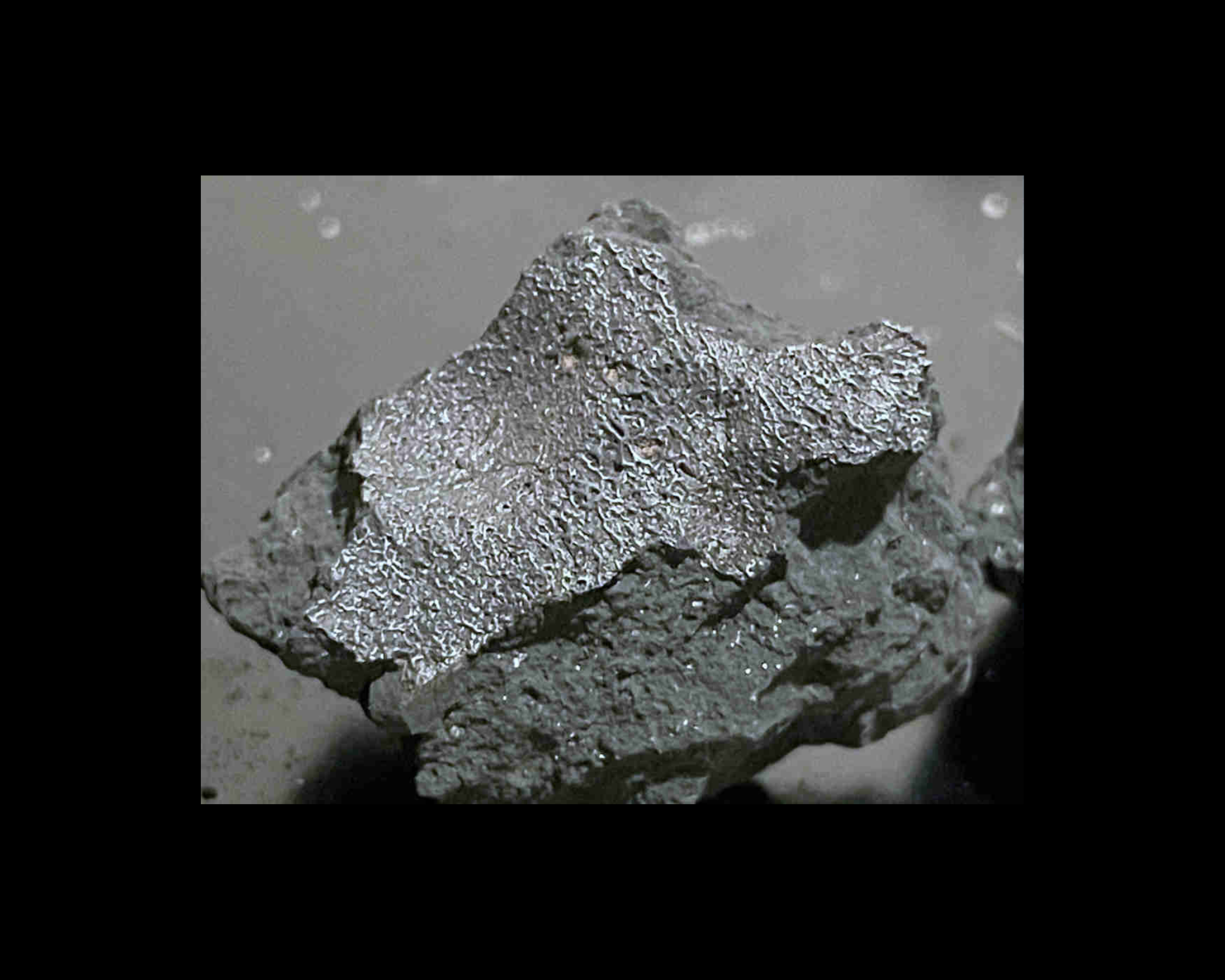
The rare meteorite contains evidence of highly concentrated briny fluids which can potentially create molecules, similar to those crucial to life on Earth.
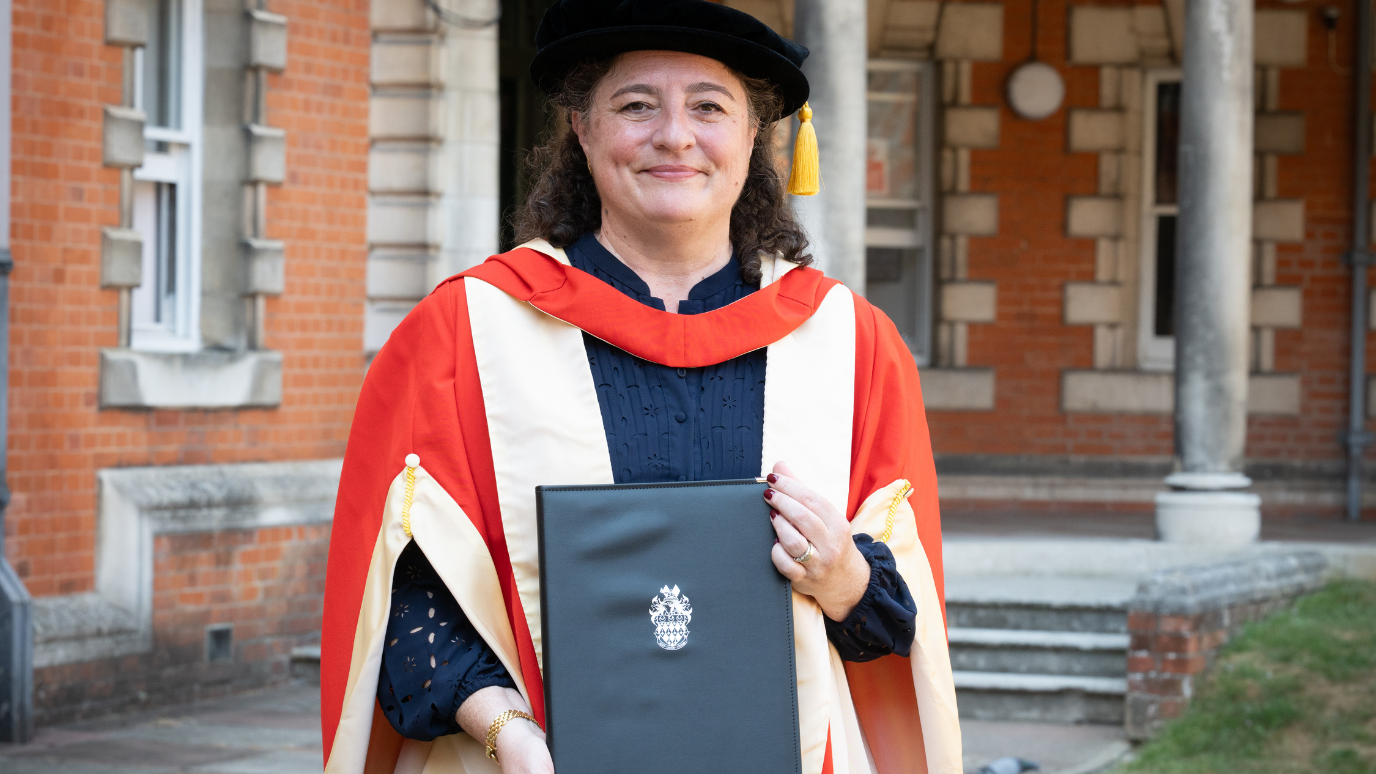
Co-author Dr Queenie Chan, from the Department of Earth Sciences at Royal Holloway, University of London is leading the UK side of the research, along with researchers from the University and Imperial College London.
The Hillsborough meteorite is thought to have started out as a rock the size of a heavy airline suitcase and entered the Earth’s atmosphere at a speed of 32,000 miles per hour.
Sixty observers from New York, New Jersey, Connecticut, Rhode Island and Pennsylvania reported seeing the meteor to the American Meteor Society, while sixteen in New York and New Jersey felt the shockwave.
The rock was fragile and quickly broke into pieces, with the meteor ceasing to be visible at an altitude of 22 miles.
Dr Queenie Chan said of the research: “We have been really excited about this discovery.
“Normally, by the time we find a meteorite, it has lain on the Earth for many years. With this sample, which is a ‘fall’ meteorite, we knew exactly when it fell to Earth and where to retrieve it after it crashed through the ceiling of the empty master bedroom of a house.
“It was collected so quickly, it did not have time to be contaminated by our Earth’s environment as much as most meteorite ‘finds’, meaning it was one of the cleanest primitive meteorite samples we could analyse.
“After receiving the sample sent to us by NASA, we crushed the rock into powder and analysed for its elemental composition, which told us which type of meteorite it was.
“That’s when we discovered it was a rare carbon rich primitive meteorite called CM-type carbonaceous chondrites. However, atypical of other CM chondrites, Hillsborough was more extensively processed by briny water on the asteroid than most other CM chondrites.
“The interaction of the rock with the briny water has created many soluble organic compounds including those found on Earth, like amino acids and carboxylic acids, that terrestrial biology requires to exist.
“This is truly a unique salty space rock and we look forward to finding out more about the origin of the variety of organic matter it contains.”
The international team of researchers have published their findings in a report in the journal ‘Science Advances’.
Lead author of the main research and meteor astronomer, Peter Jenniskens of the SETI Institute and NASA’s Ames Research Center in California’s Silicon Valley, added: “A forensic study of the fragments revealed they contained preserved bits from near the surface of a primitive asteroid where it experienced concentrated salty fluids - a process not previously known from this type of protoplanetary world.”
Mike Zolensky and colleague JangMi Han found small salt-rich CM1 fragments within the Hillsborough meteorite, suggesting they originated from a near-surface region of the parent asteroid where liquid water evaporated and concentrated salts.
They are now working to identify the salt minerals for comparison with similar phases found among samples returned to Earth from asteroids Ryugu and Bennu.
Brines allow phosphate to remain in solution and can catalyse chemical reactions between organics and precipitate minerals.
The meteorite contained a wide variety of soluble organic compounds, and its composition range confirms that the Hillsborough meteorite was more altered by water than most other CM-type meteorites.
In living organisms, organo-metallic compounds are found in blood and used in photosynthesis. Among the soluble organic compounds were also many amino acids, similar to those found in more moderately altered CM2 chondrites.
Some of the meteorite fragments will be curated at the American Museum of Natural History in New York City.