Royal Holloway has been awarded a £5million Leverhulme Centenary Doctoral Scholarship grant from the Leverhulme Trust to establish its 'Next Generation Democracy: A Leverhulme Doctoral Programme on Adolescent Citizenship.'
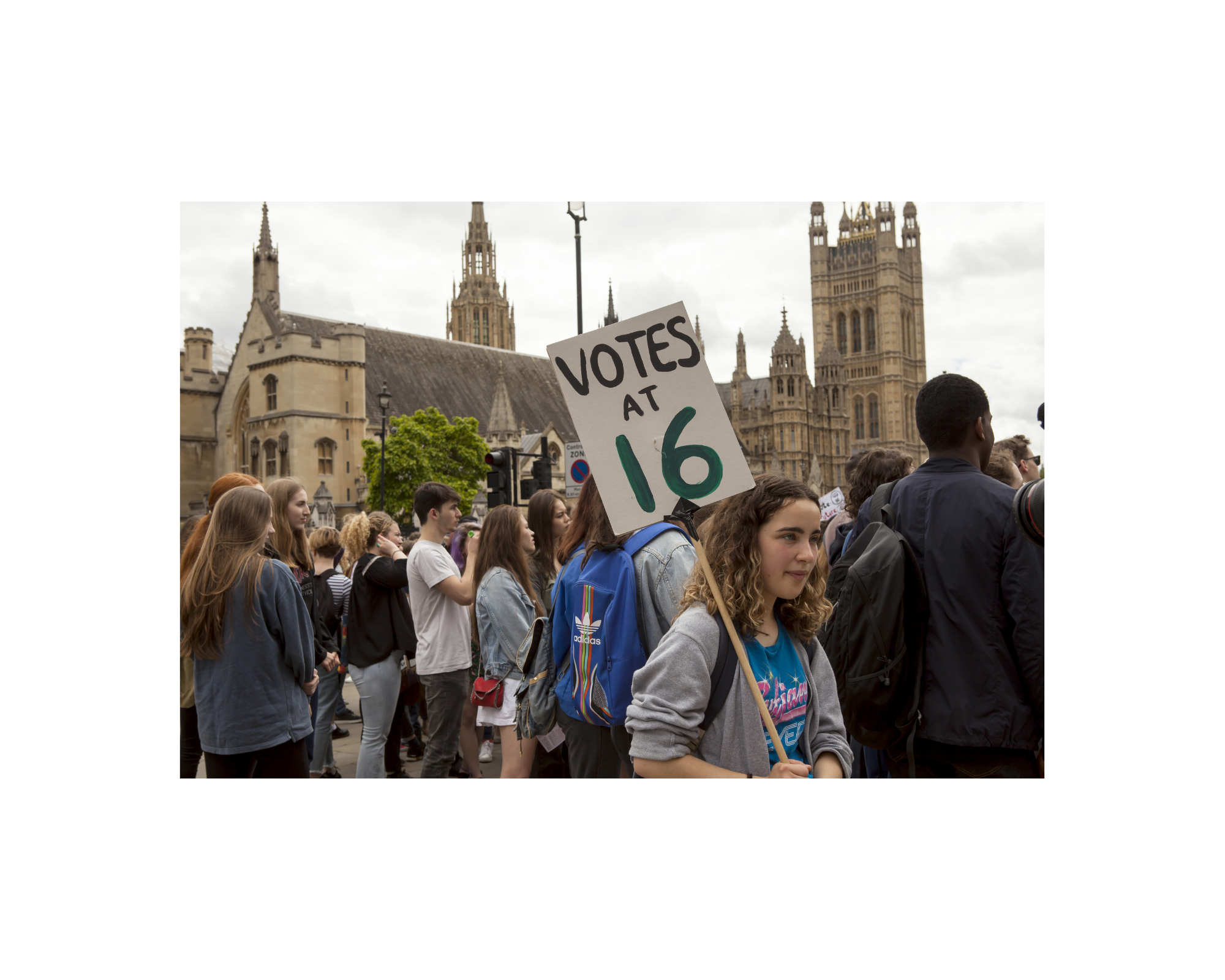
The programme will fund the training of up to 30 PhD scholars to investigate how 16 and 17 year-olds will shape, and be shaped, by UK democracy. It is expected 1.6 million young people will, for the first time, gain the right to vote in UK General Elections by 2029 should government pass the bill.
The last time a change was made to the voting age in the UK was in 1969 when it was lowered to 18 years old. Next Generation Democracy will enable Royal Holloway’s Leverhulme Doctoral Scholars to study this transformation before, during and after the reform.
It will generate new evidence on how young people develop political identities, acquire information, navigate inequality and uncertainty, and interact with democratic institutions.
Led by Professor Manos Tsakiris, Professor of Psychology at Royal Holloway, the programme will bring together doctoral scholars from across the social sciences, humanities, data sciences, media, education, psychology, political science and AI.
The research will address how adolescents become active engaged citizens and voters, and how democracies change as younger generations enter political life.
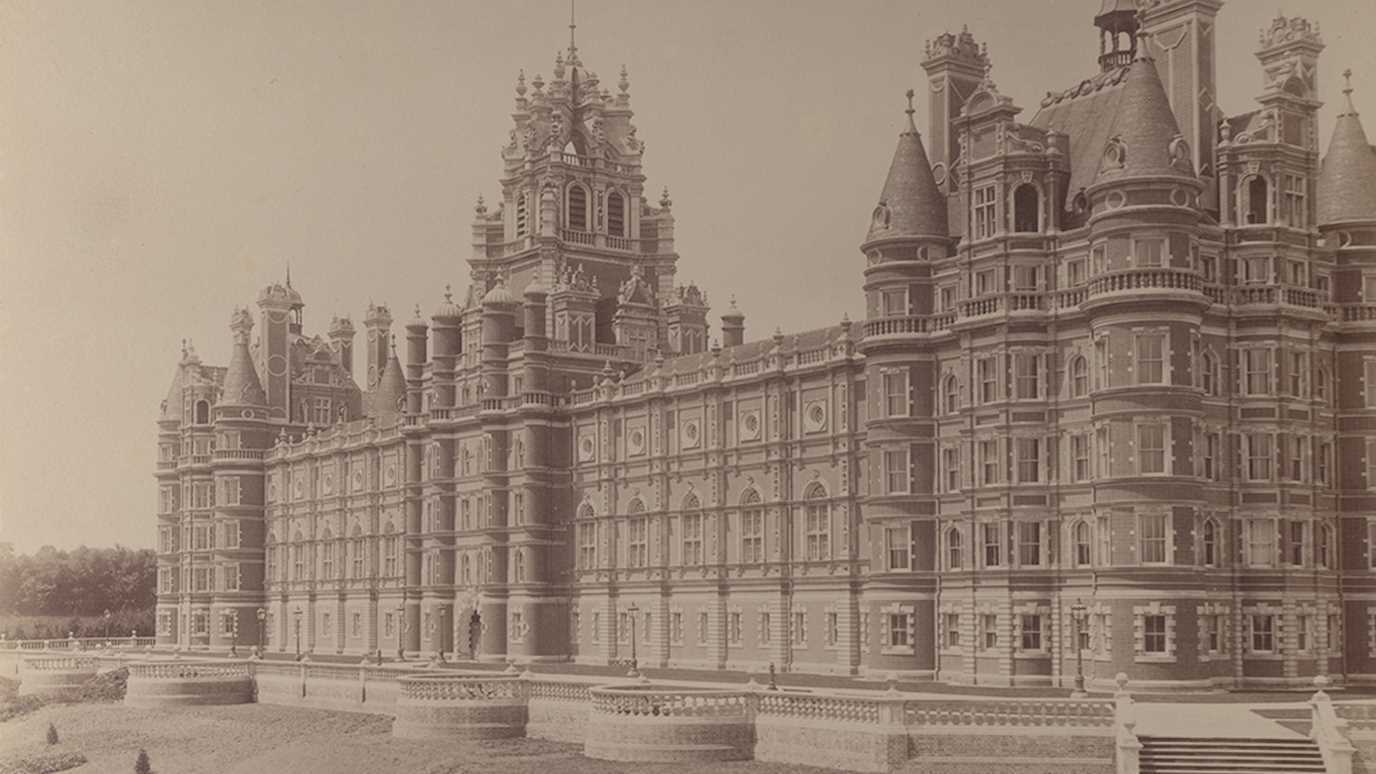
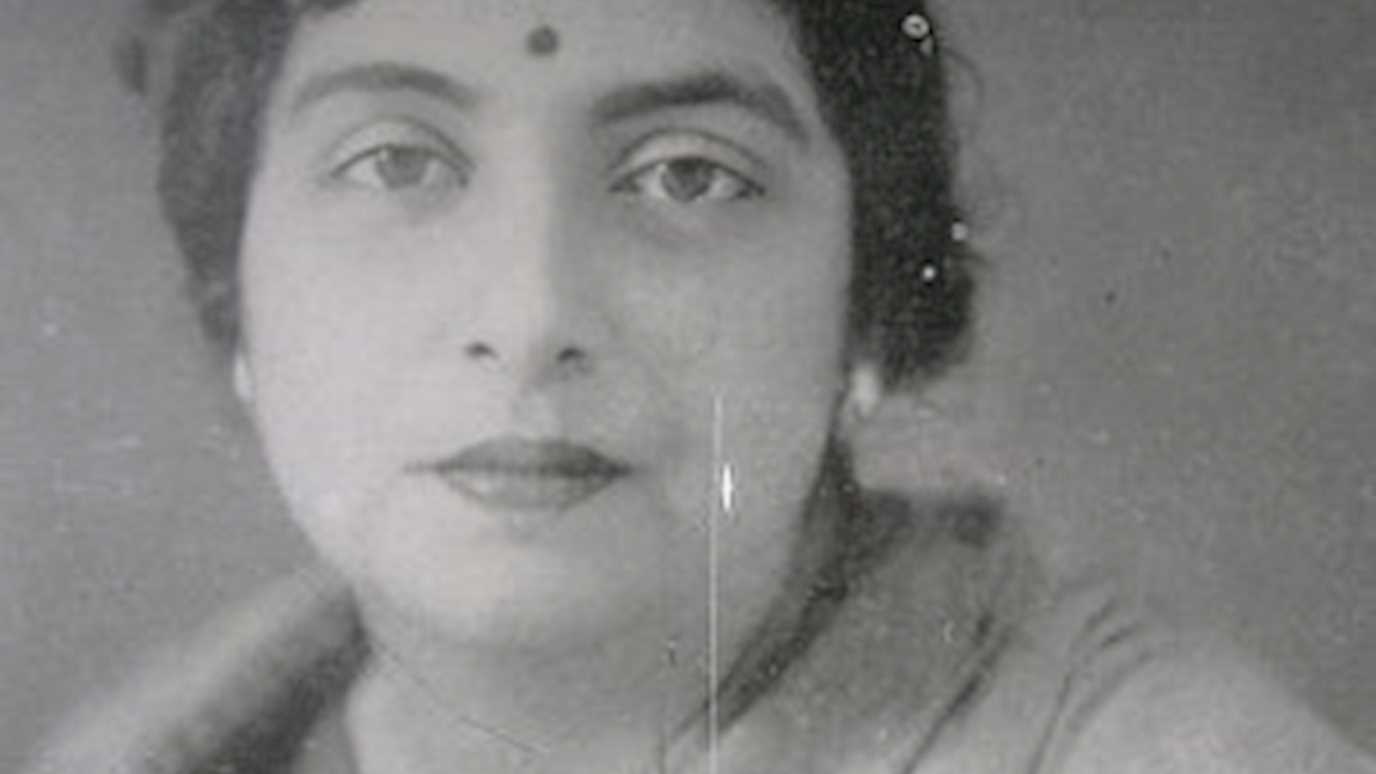
The programme has a distinctive connection to Royal Holloway’s past, present and future, as its history is closely tied to women’s higher education, the suffrage movement and wider concept of social justice.
Today, as a University of Social Purpose, Royal Holloway is committed to using research and education to respond to pressing social challenges and drive positive social change.
Looking ahead, Next Generation Democracy will create a lasting research and training legacy, laying the foundations for a future Centre for Youth and Democracy and establishing Royal Holloway as a national and international hub for research on young people and democratic life.
Professor Manos Tsakiris, Director of Next Generation Democracy, said: “This award is a remarkable opportunity to connect Royal Holloway’s history of social transformation with one of the most important democratic changes of our time.
“When 16 and 17 year-olds enter the electorate, the question is not simply whether they will vote. We need to understand how they come to see themselves as citizens, how they make sense of political information in a rapidly changing media and AI environment, and how institutions respond when young people become electorally visible.
"Next Generation Democracy will train a new generation of researchers to study this moment as it unfolds, and to produce evidence that can strengthen democratic life for decades to come.”
The Leverhulme Doctoral Scholars will work across three interconnected research themes; the first will examine how adolescent citizenship develops through identity, emotion, wellbeing, social relationships and inequality.
The second will explore informational citizenship in a world shaped by social media, artificial intelligence, persuasion, misinformation and cultural representation.
The third will study how 'Vote at 16' may affect institutions, social cohesion, representation and democratic renewal.
Dr Kaat Smets, Deputy Director for Research, added: “We know surprisingly little about how adolescents move into democratic life, especially in the very different political and information environment young people face today.
“Next Generation Democracy is designed to change that. By bringing together successive doctoral cohorts, shared data infrastructure and expertise across disciplines, the programme will move beyond snapshots of youth opinion to build a cumulative understanding of adolescent citizenship.
“Our scholars will ask how young people form political identities, how they encounter information and misinformation, and how democratic institutions can become more responsive to them.”
The programme will also strengthen Royal Holloway’s long-standing leadership in training doctoral and early career researchers.
It builds on the University’s experience in interdisciplinary doctoral initiatives, including the Leverhulme Magna Carta Doctoral Centre, UKRI-funded Doctoral Training Partnerships and Centres (DTPs and CDTs), and Royal Holloway’s own CDT of Social Purpose.
Students will be supported through interdisciplinary supervision, cohort-based training, weekly hub activities, summer schools, student-led symposia and a public-facing platform to communicate research insights.
Professor Dawn Watling, Associate Pro-Vice-Chancellor for Postgraduate Research, said: “This award reflects Royal Holloway’s commitment to outstanding doctoral training with real social purpose.
"Next Generation Democracy will give doctoral researchers the skills, networks and intellectual confidence to work across disciplines and beyond academia, while addressing a challenge of national and international significance.
“It draws together our institutional history, our current strategy and our future ambition: to create research environments where postgraduate researchers can generate knowledge that matters for society.”
The programme is expected to begin in September 2027.