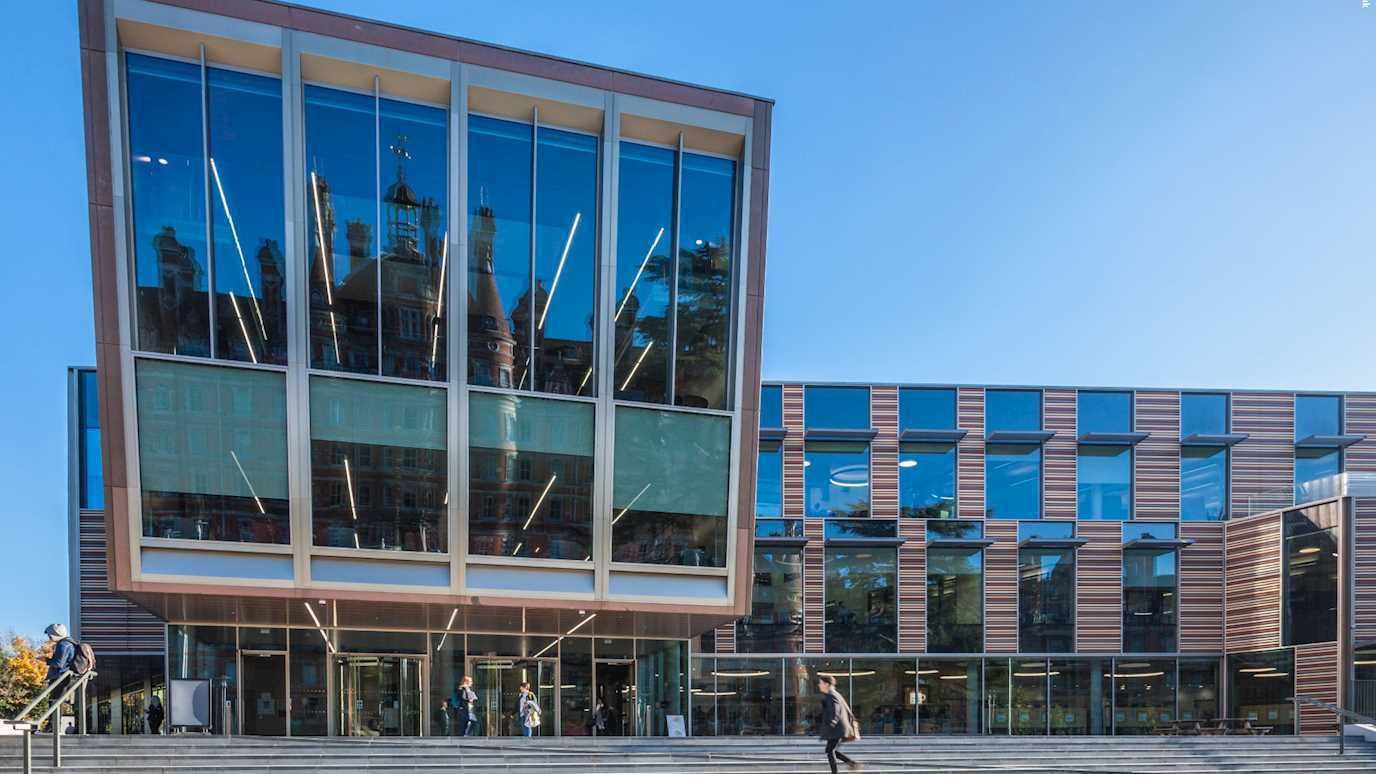
Royal Holloway, University of London has hosted an employer roundtable as part of Universities UK’s Future Jobs initiative
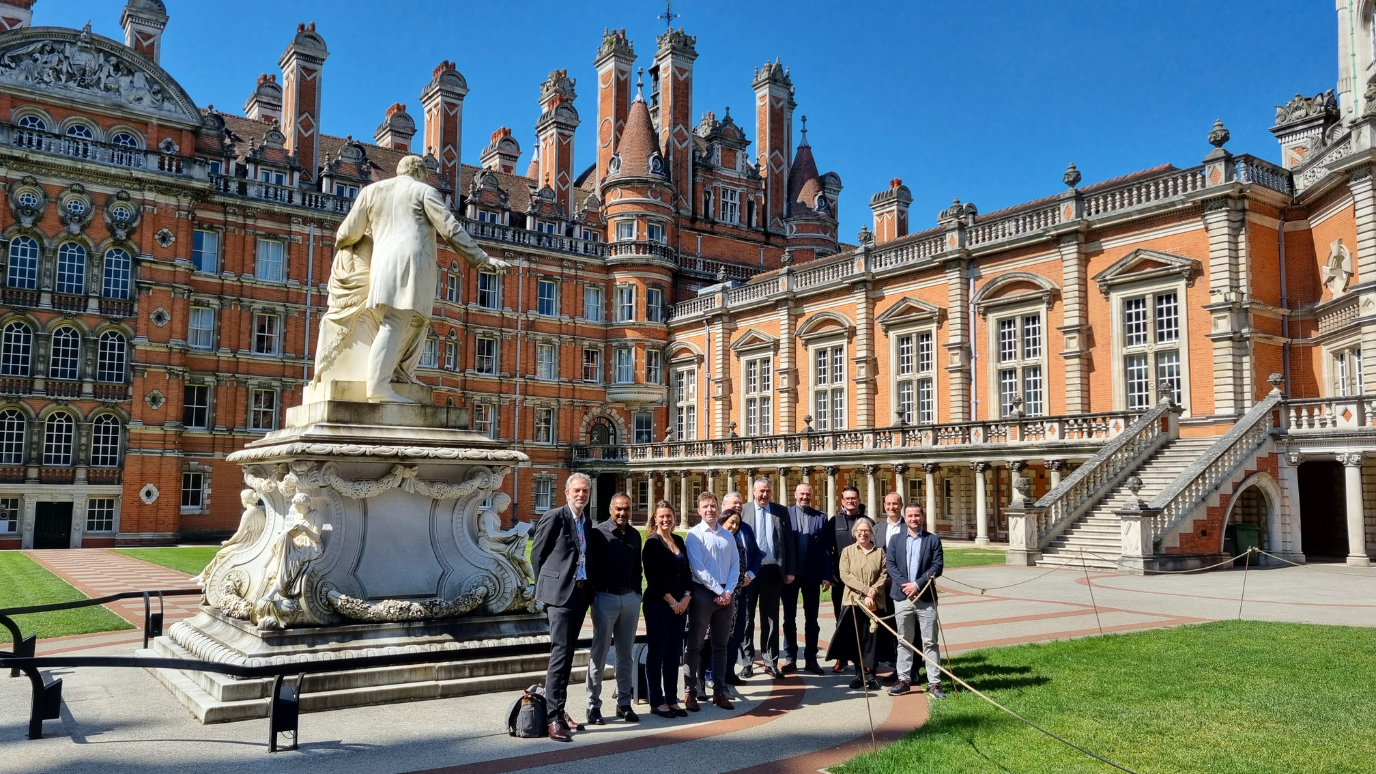
Pictured: Professor Christos Tsinopoulos, Royal Holloway; Dinesh Mangaru, C.I.Know; Jennie O’Hara, IFS; Harry Harris, Universities UK; Raj Dohil, Enterprise Mobility; Ralph Perkins, Davies Turner; Professor Geoff Rodgers, Brunel University; Dr Jamie Farnell-Smith, C-Learning; Sol Rogers, Magnopus; Professor Julie Sanders, Royal Holloway; Dr Nick Barratt, Royal Holloway; William Fillias, GE Healthcare. Also attending: Professor Annika Bautz, University of Surrey and Fran Rutter, Surrey Chambers of Commerce.
Universities UK will use insights from these discussions to create a Future Jobs roadmap; practical actions designed to better match graduate skills to employer demand and support businesses to create high quality jobs in every part of the UK.
Led by Royal Holloway’s Vice-Chancellor and Principal Professor Julie Sanders and Chief Student Officer Dr Nick Barratt, colleagues from Universities UK, Brunel University and the University of Surrey heard directly from leaders within a range of businesses from regional SMEs and consultancies to global organisations.
The group raised challenges and opportunities around recruiting and developing talent; explored the impact of Artificial Intelligence (AI) on work; and reflected on the different ways in which universities offer unique opportunities for growth and development, with critical thinking and curiosity seen as valuable complements to skills development.
Running throughout was a clear emphasis on how important individual people are in all areas of their work: that technological change enables great work in many cases, but cannot replace the value of human thinking, relational and communication skills in the workplace.
Employers were keenly aware of the pace of change in the workplace, and saw a significant role for universities – in collaboration with other educational pathways, and the government – in providing opportunities for students to learn vital skills and confidence to challenge existing ways of working and contribute to positive change. They suggested:
- Critical and interpersonal skills are central in recruitment: while technical and digital skills are important, employers deeply value critical thinking, creativity, motivation and communication.
- Supporting students, graduates, and job-seekers to understand and articulate their skills separate from any particular industry sector will bring benefits to all.
- Demystifying AI – what it really is and what it can do – will enable more of its benefits to be realised, and may help to reduce anxieties around negative impacts on the job market.
- Long-term partnerships with universities can help employers to derisk graduate recruitment, which enables them to be more innovative and future-facing.
Professor Julie Sanders, Vice‑Chancellor and Principal of Royal Holloway, said: “It’s so important that we make these opportunities to hear directly from employers about the challenges they face, and the opportunities they see ahead, so my sincere thanks go to all for giving their time and insights to this national piece of work.
"It was also incredibly heartening to hear their praise for the brilliant graduates coming out of universities across the UK and into their businesses.
“This was a hugely thought-provoking and constructive discussion, filled with enthusiasm and drawing out tangible ways to work together on shared solutions which we will be moving forwards at pace. We look forward to seeing the national insights through the UUK roadmap later this year.”