A major new UK study of 12 to 17 year-olds finds that, while most adolescents say they would vote and are interested in politics, their willingness to engage is linked to their anxiety about the future, low trust in political parties, and limited confidence that political institutions will listen to them.
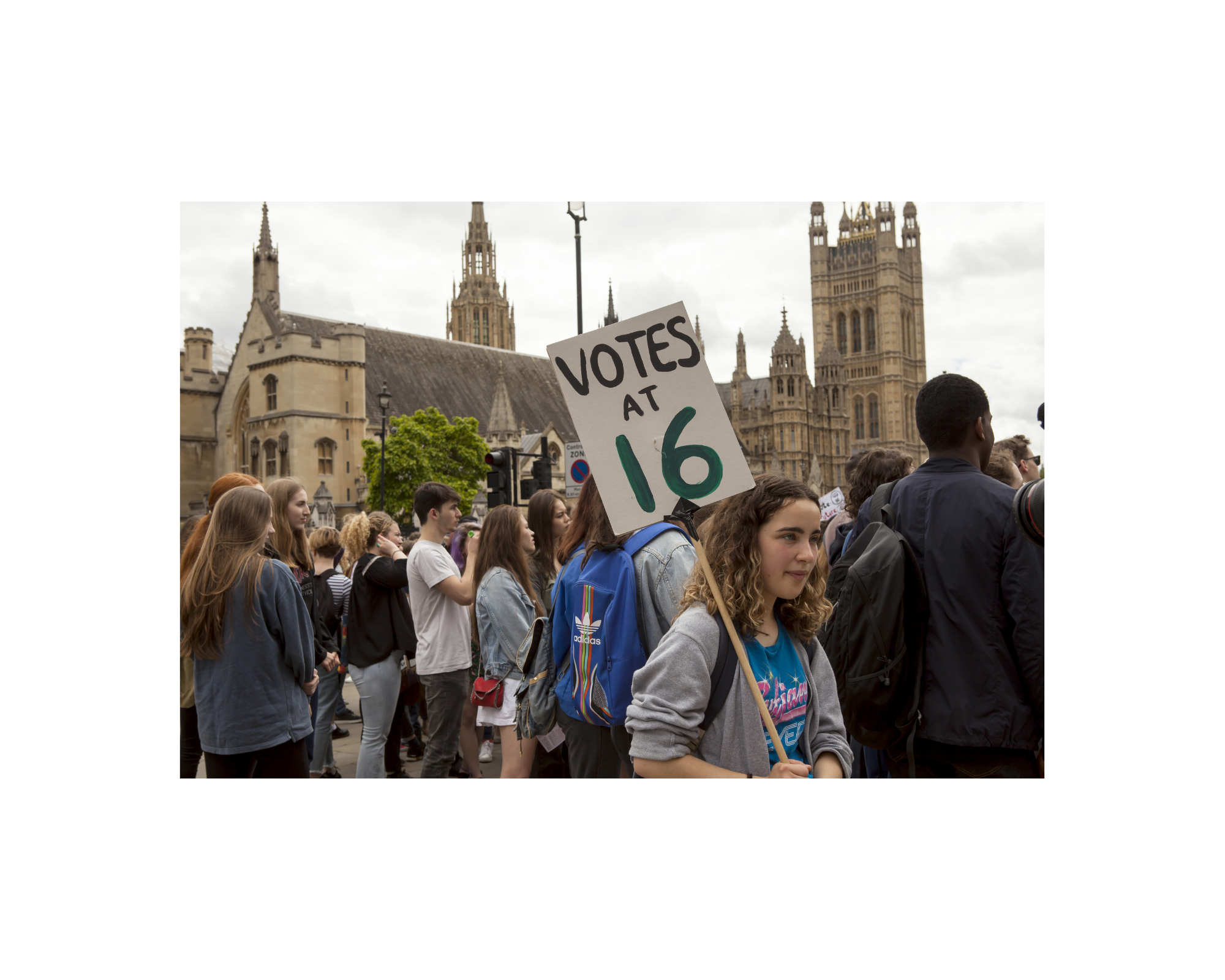
As the UK prepares to lower the voting age to 16, new research led by Royal Holloway, University of London highlights both the promise and challenge of bringing younger citizens into democratic life.
The report, based on survey data from 993 young people aged 12 to 17 across the UK, and a parallel survey of 801 adults, finds adolescents are far from apathetic about politics. Nearly three quarters of young people surveyed said they would vote if given the chance, while a majority reported interest in politics and willingness to participate in political life.
But the findings also paint a more cautious picture.
Many adolescents reported significant anxiety about the future, low political agency, and low trust in political parties. The study suggests that, while young people are open to democratic participation, many are less convinced that politics will listen to them, represent them fairly, or improve their future.
The report argues that the challenge facing UK democracy is not simply how to increase turnout among younger voters, but how to ensure that democratic institutions appear credible, responsive and worth engaging with in the first place.
Future anxiety is closely tied to political attitudes, the research finds. Young people who were more worried about their future were less likely to say they would vote, less willing to participate politically, less trusting of political parties, and overall, less satisfied with democracy.
The study also identified important inequalities within the adolescent population.
Young people living in urban areas tended to report higher engagement, lower anxiety, greater trust, and higher satisfaction with democracy than those living in rural areas and smaller towns. Greater financial discomfort at home was also associated with lower engagement, lower trust, higher anxiety, and lower democratic satisfaction.
Alongside the adolescent survey, researchers asked UK adults what they thought the democratic effects of extending the vote to 16 and 17-year-olds would be.
Adults were divided. Many saw potential benefits, including improved representation, broader participation, and a wider range of perspectives in political life. But a majority believed the reform would ultimately worsen democracy, often citing concerns about polarisation, instability, populism, or extremism.
The findings from the adult respondents also suggests the public case for reform will need to address misconceptions. Many adults approach lowering the voting age with caution, worried that younger voters could introduce instability or deepen political polarisation.
The researchers argue that reducing harmful stereotypes about young people’s ability to participate in politics, with clear evidence-based communication about adolescents’ political attitudes, can help counter these concerns and build wider confidence in the reform.
Lowering the voting age could be an important democratic reform, but enfranchisement alone will not be enough. Building trust, political confidence, and meaningful opportunities for participation will be essential if younger voters are to feel that democracy includes them in more than a formal sense.
Professor Manos Tsakiris, from the Department of Psychology at Royal Holloway, said: “Too often, young people are described as apathetic or disconnected from politics. Our findings suggest something much more complex. Adolescents in the UK are willing to engage in democracy, but they are doing so from a position of uncertainty and distrust. The future of democracy is also about how democracy feels to those who are about to enter it. The opportunity now is to turn young people’s openness into trust.”
Irene Arahal, doctoral researcher at Royal Holloway’s Department of Politics, International Relations and Philosophy, said: “Many adult voters are concerned about the potential negative consequences of lowering the voting age. However, these concerns may originate in negative stereotypes about young people rather than real evidence about their political needs and abilities. Young people in the UK want their voices and concerns heard just as much as older citizens.”
Olaf Borghi, a doctoral researcher at the Department of Psychology at Royal Holloway, added: “One of the most striking findings is the role of future anxiety.
“If young people feel that democracy does not deliver a viable future for them, extending formal rights alone will not be enough to increase their participation. What also matters is that they feel their economic and political concerns are taken seriously and that they are able to influence what happens next.”
Dr Kaat Smets, from the Department of Politics at Royal Holloway, said: “The report shows that lowering the voting age should not be seen as a standalone fix.
“Extending the franchise matters, but it needs to be accompanied by stronger civic support, better democratic education, and institutions that are visibly responsive to young people’s concerns. Otherwise, formal inclusion may not translate into meaningful democratic belonging.”