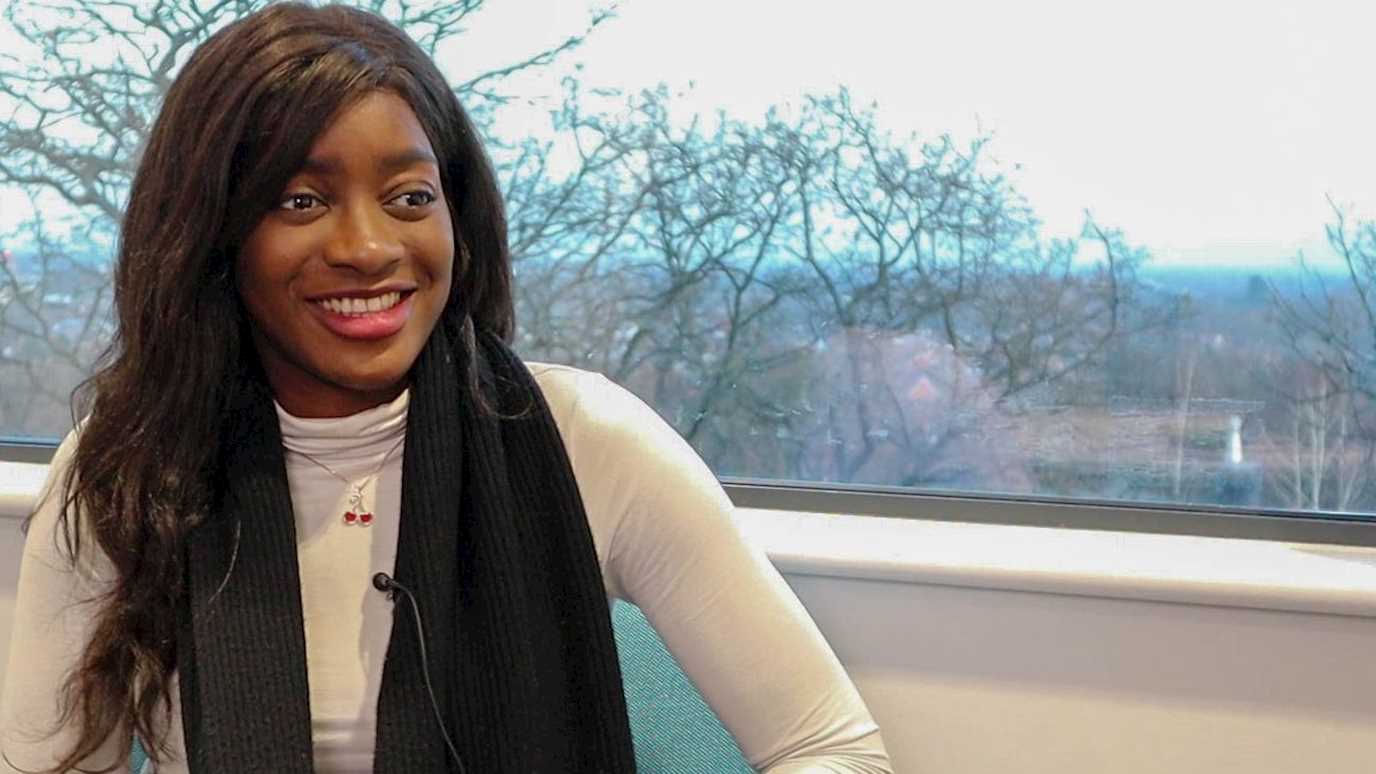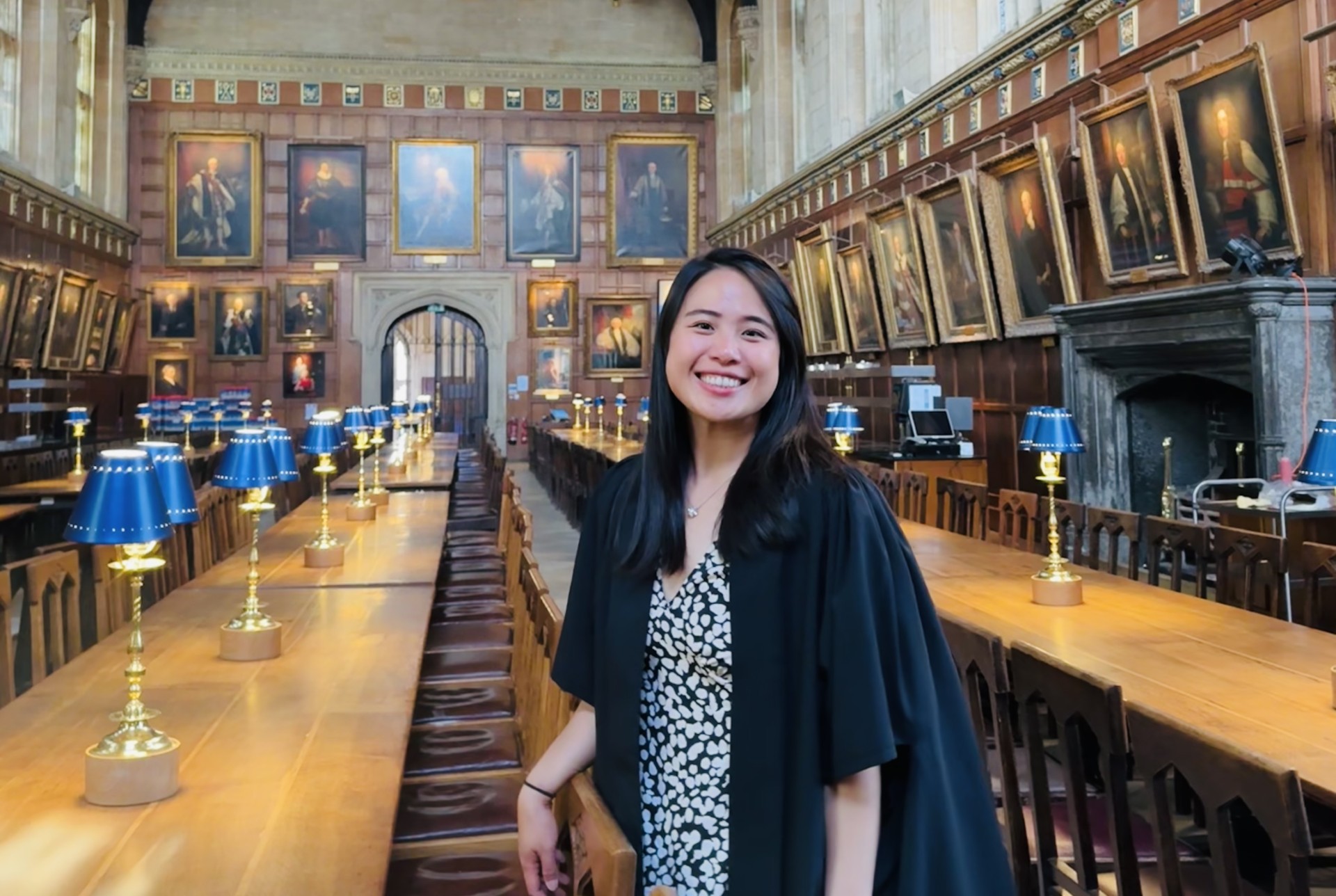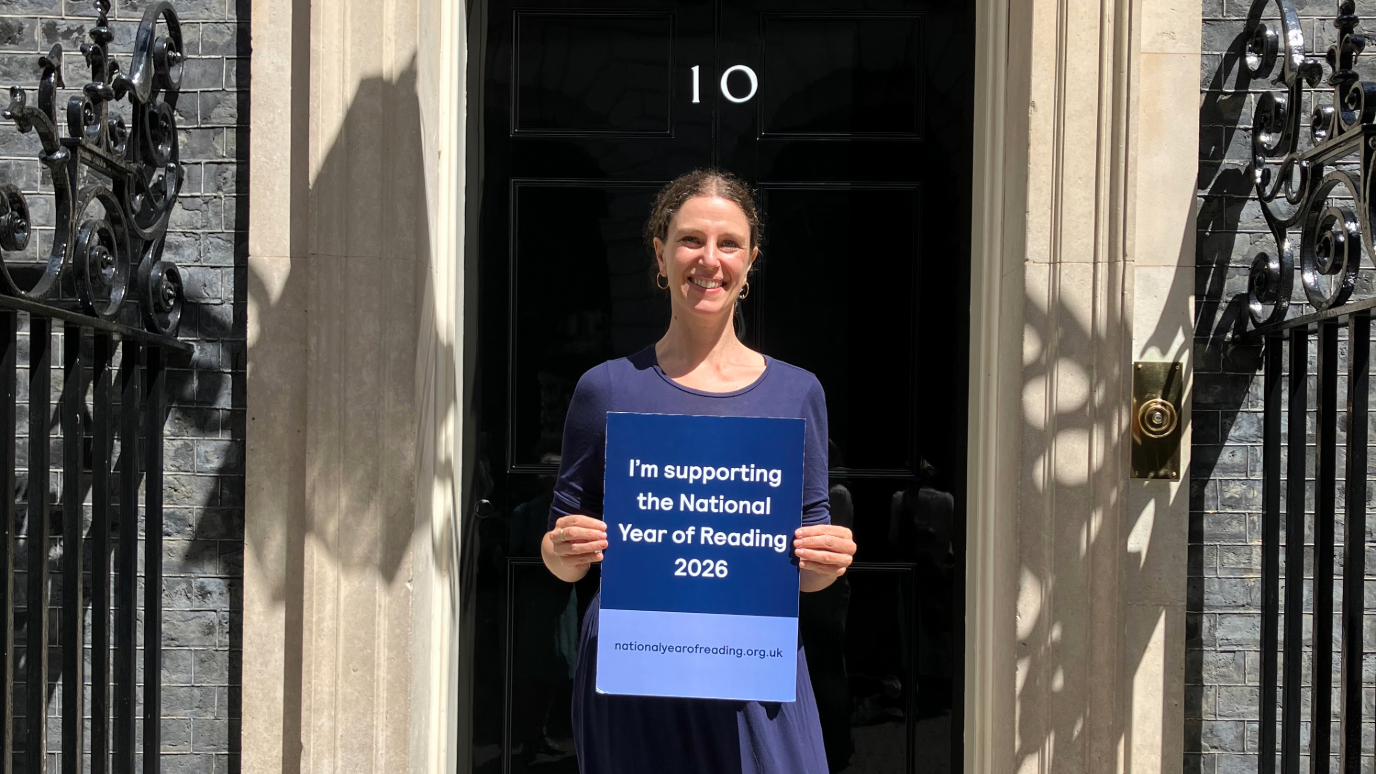
Áine started as a lecturer in the department in July. We caught up with Áine to get to know more about them better.
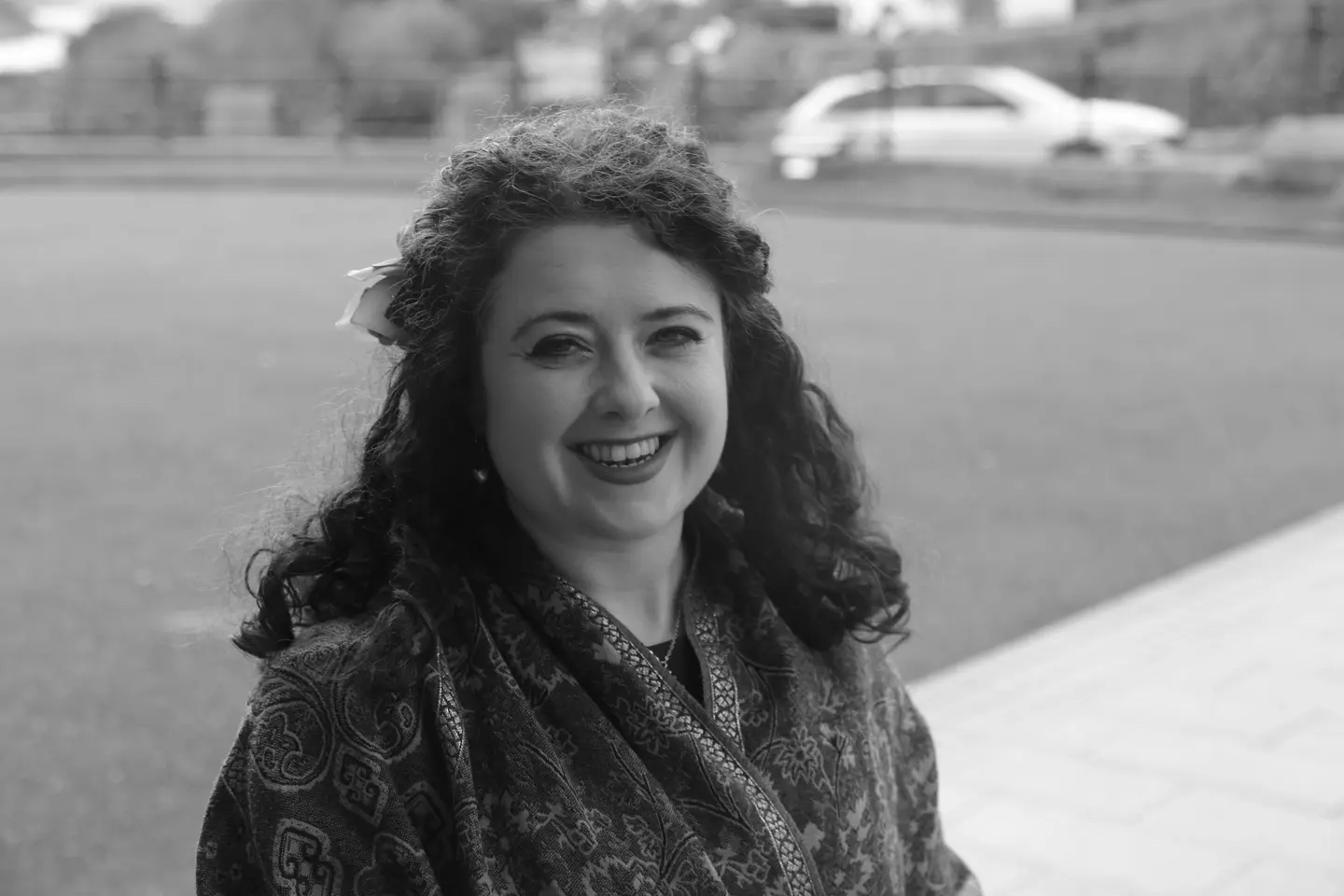
Could you tell us a bit about yourself?
I’m Áine and I’m a developmental cognitive neuroscientist. I’ve explored a lot in my academic career. I’ve lived in Dublin, Lancaster, Cambridge, and Seattle with a stint in the Netherlands too. I’ve gone from a minor in English literature to a masters in Neuroscience; from a postdoctoral role in behavioural economics to one in educational neuroscience; from a MSCA-funded PhD in infant motor development and action perception to a MSCA-funded Fellowship... also in infant motor development and action perception. My main interest is in how we use our bodies to navigate our physical, spatial, and social worlds, with a particular emphasis on how learning motor skills in early life supports development in multiple domains.
What drew you to the Psychology Department at Royal Holloway?
Before applying for the job at Royal Holloway I knew about the department’s exceptional reputation for driving impactful research. On top of this, friends and colleagues who had studied at RHUL or visited the department remarked on how friendly and welcoming it was. The Psychology Department at RHUL shows that a strongly collegial and collaborative internal culture enables success in winning funding and conducting excellent research. I love working in academia firstly because of the positive impact we can have on the world through making discoveries, and secondly because of direct impact we can have on students and on each other through being helpful and kind. RHUL feels like an excellent fit for me and I look forward to contributing to its positive culture, whether through doing rigorous research or taking on a role in the panto.
What motivated you to initiate your research projects?
I have always been fascinated by how much of our psychological experience is affected by the body beyond the brain. I think this is particularly interesting when we think about babies. Their bodies are growing and changing at the same time as their perception, cognition, language, motor skills and sense of self are developing. At a time when our lives are increasingly mediated through screens, and the zeitgeist around Large Language Models makes learning seem disembodied, it’s crucial to understand the opportunities for development infants gain through physical interaction with the world and the people around them.
What do you enjoy doing outside of work?
For over 15 years I’ve played roller derby. It’s a full contact team sport on rollerskates. I have had the opportunity to travel all over Europe, the UK and the Pacific Northwest with the teams I have been part of. I’ve helped with running roller derby clubs (or “leagues” as we call them) as a director, coaching manager, and HR manager. I go surfing a few times a year, and I was working towards my motorbike license before I moved to the UK (which I hope to resume). When I’ve had enough adrenaline, I like to read fiction and watch birds.
What would be your top 3 tips for a psychology grad thinking about a career in academia?
(i) Don’t think that your path to an academic job has to look the same as anyone else’s. Ask around and you might be surprised how different everyone’s route to their current role has been.
(ii) Find sources of resilience. Academia is tough and rejection – from journals, from jobs, from funding – is frequent. Resilience doesn’t have to just come from within. Find friends and allies who will big you up or at least allow you to vent your frustrations.
(iii) From career development plans to PhD topics to grant proposals, academia involves a lot of forward planning that can be thrown askew by circumstance. Whether that’s building works, broken equipment, funding not coming through, or a global pandemic interrupting your data collection, expectations and reality don’t always line up. Be adaptable, take the opportunity to learn new skills, and make the changes work for you.