By Caroline Cornish
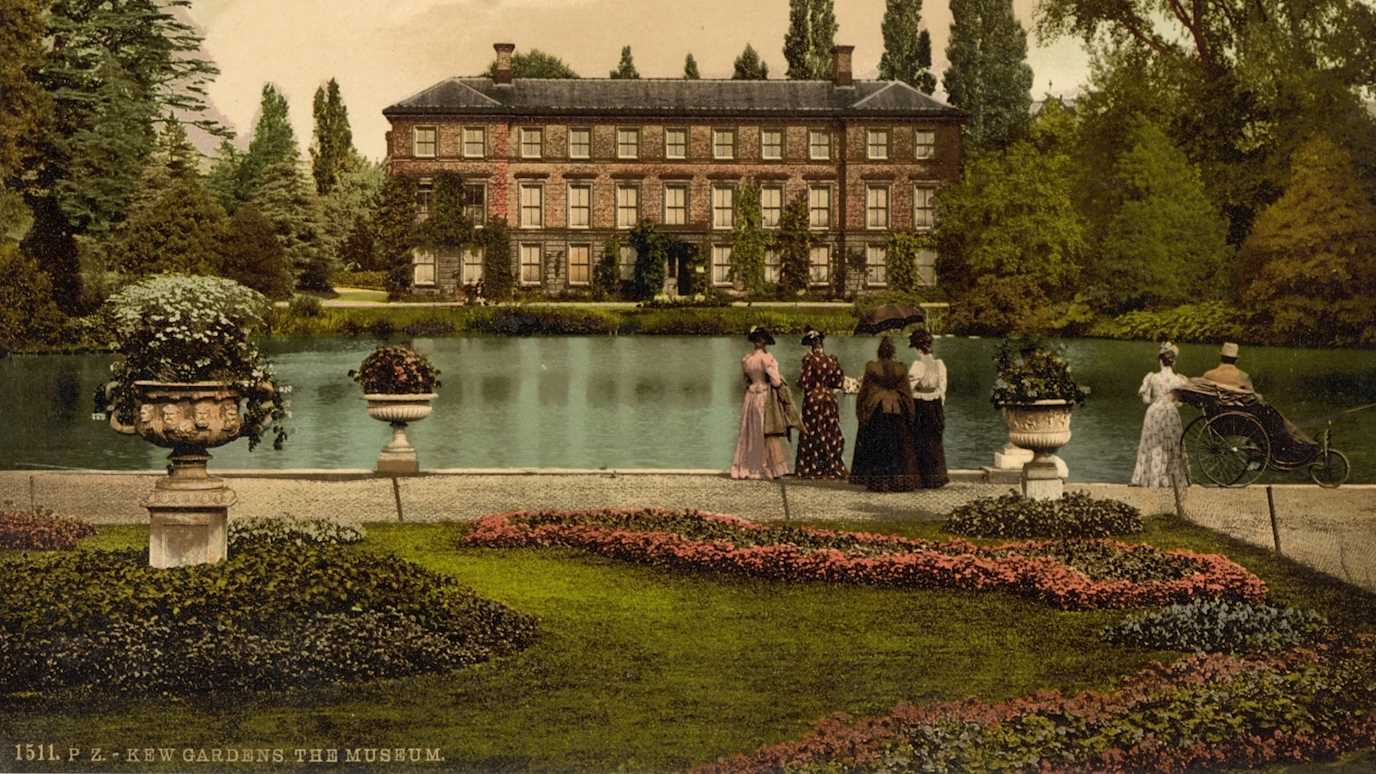
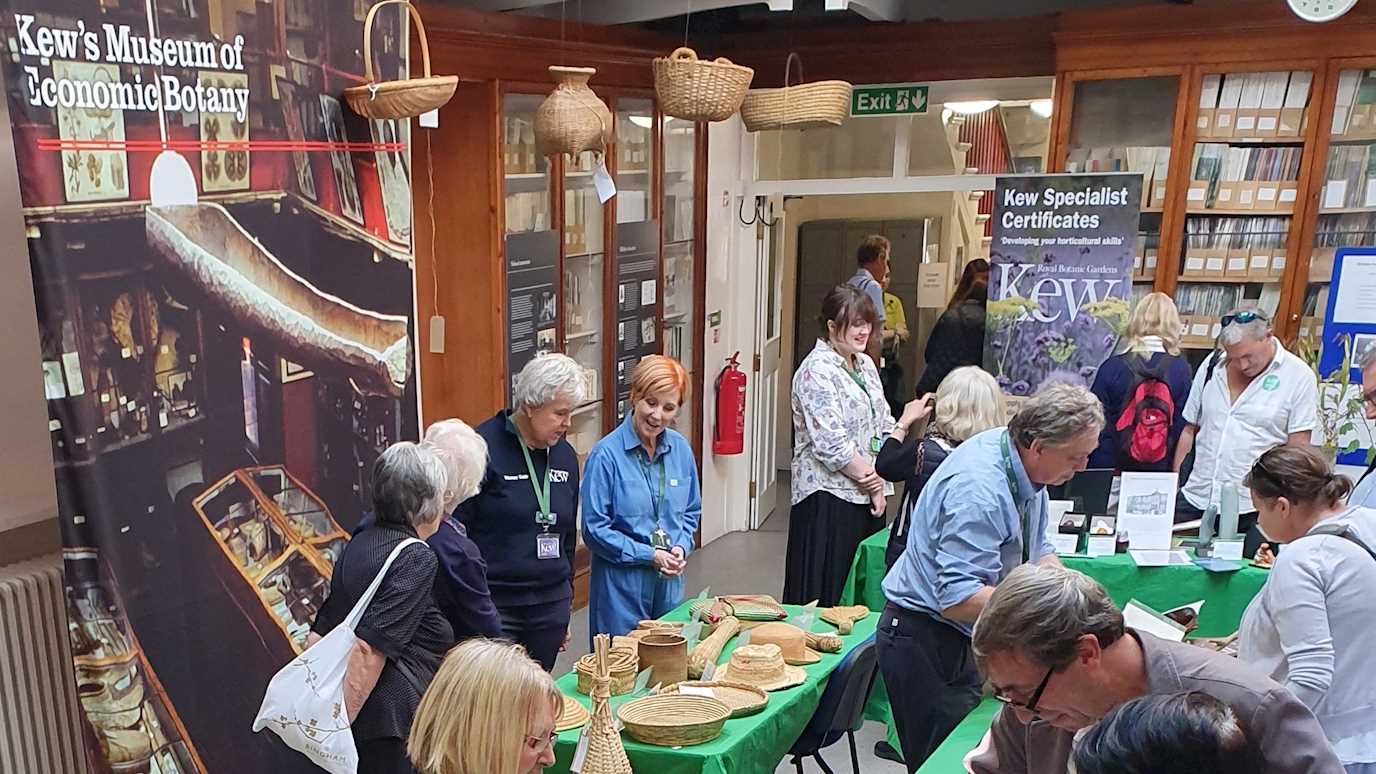
Today botany is rarely on display in British museums of natural history. However, nineteenth-century museums were rather more committed to the public exhibition of plants. As readers of this blog will know, William Hooker opened the Museum of Economic Botany at Kew in 1847, with the aim of showing the many plants useful to humans. The museum was to contain ‘all kinds of useful and curious Vegetable Products, which neither the living plants of the Garden nor the specimens in the Herbarium could exhibit.’ Herbarium sheets, understandably, were not what he envisaged for the Museum; pressed specimens, usually devoid of colour, give little impression of the living plant.
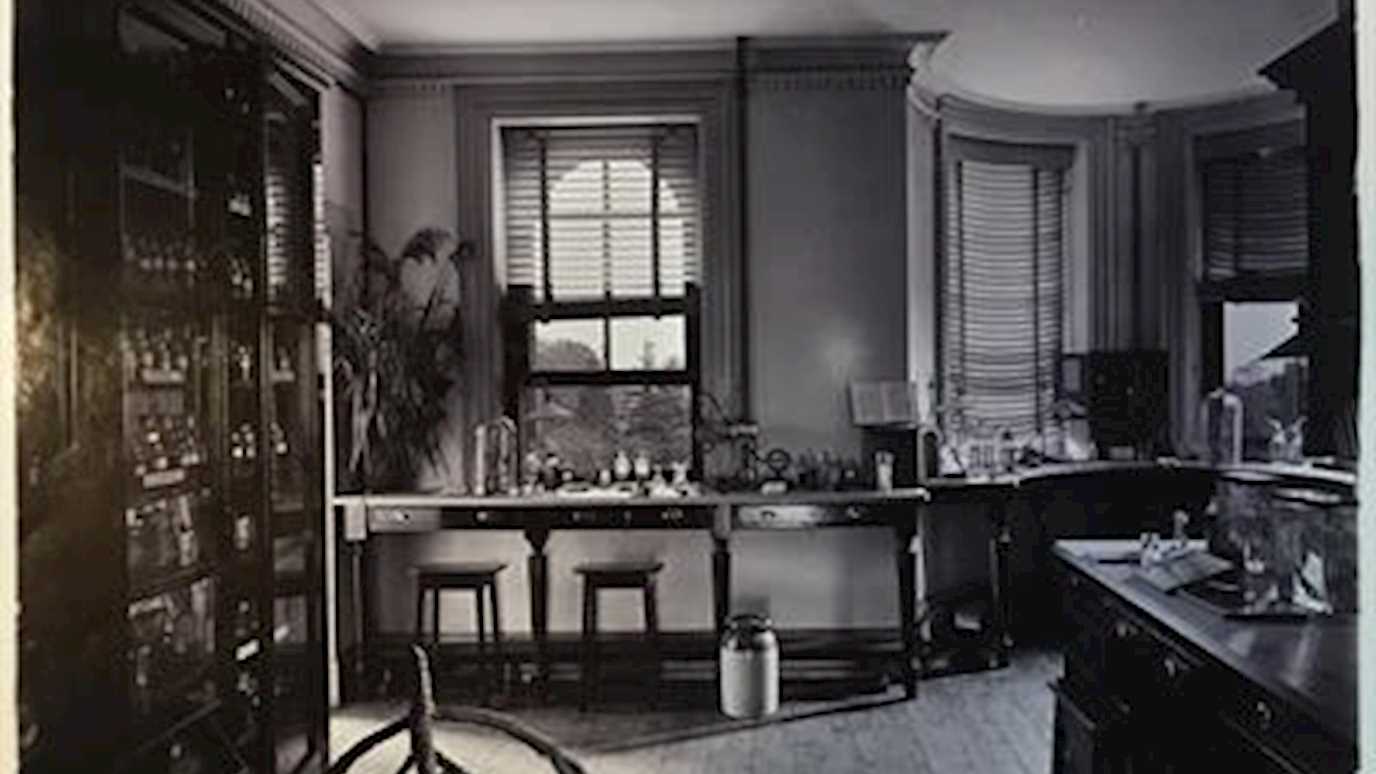
Models were one option: in wax, plaster or wood, these could be tantalisingly realistic. The Mintorn models in the Kew collection are fine examples of the mimetic properties of wax. Such models were popular in Victorian homes, and in the museum, they acted as cognitive bridges between the scientific and domestic spheres. Another medium loved by museums was botanical illustration, particularly large wall-charts of the sort that can be seen in photographs of the old Kew Museum. These added a welcome injection of colour into the museum space.
The Natural History Museum also had botany displays in the 19th century, arranged by plant family, as at Kew, but here the emphasis was on ‘pure’ rather than applied science. Models and illustrations were again relied on, whilst tables and maps explained the geological history and geographical distribution of plant orders. This gallery came to an end with the bombing raids of World War II but new galleries dedicated to botany opened in the 1960s and were in place until 1982.
In some instances, botany never left the museum: the botany gallery at Warrington dates from the early twentieth century and is dedicated in part to plant science and in part to plant uses. Many specimens and artefacts sent from the Kew Museum can still be seen there. The gallery has been skilfully updated whilst retaining its original charm and it is a splendid example of botany behind glass. It stands as a counter-argument to all who argue that botany displays are of no interest to museum visitors. Moreover, recently there have been encouraging signs of a small but significant return to botany displays which emphasize the links between plants and people. In the twenty-first century economic botany has been superseded by ethnobotany – the study of traditional human knowledge and customs concerning plants. Here Cornwall’s Eden Project acts as a model of how this might be done.