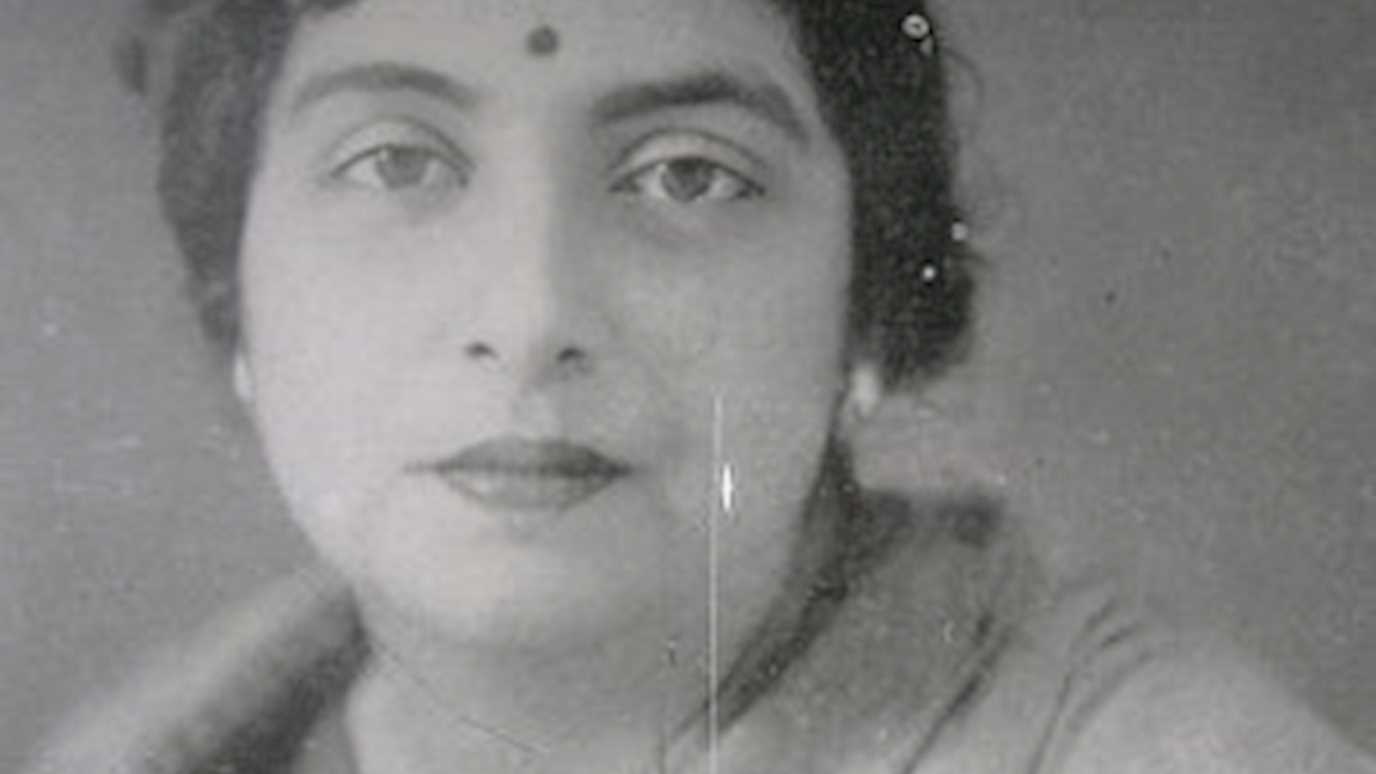
We were greatly saddened to learn at the weekend of the death of the world-renowned, universally loved soprano Dame Felicity Lott (‘Flott’, as so often known to friends and admirers alike). Here, Professor Mark Berry, reflects on her life and connection to Royal Holloway.

Dame Felicity Lott
Felicity was a Royal Holloway alumna and Honorary Fellow, but above all a mentor and friend to and cherished member of our various communities. Her loss is felt deeply by the Department of Music, and more widely across the wider Royal Holloway community and the musical world.
A remarkable part of her sustained and active engagement with Royal Holloway, her ongoing support of the Dame Felicity Lott scholarship, which has honoured and assisted young artists for over twenty years now. It is open to all final year undergraduate vocal students across the University, and has offered vital support to those intending to progress to a professional career as a performer of music.
"An inspiration to us all. She will be greatly missed. She already is."
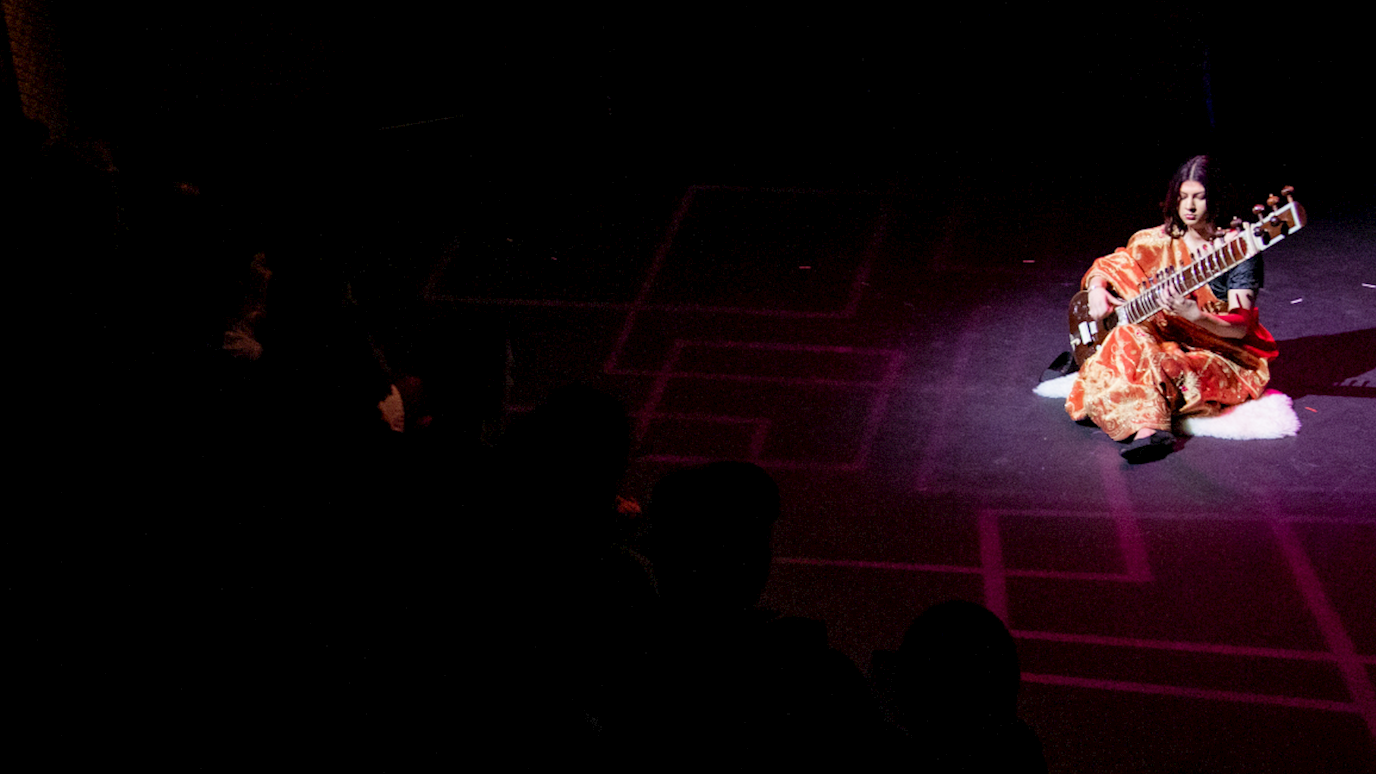
In January 2025, Felicity joined us to host a celebratory concert showcasing many of those winners, some now following in her footsteps across the concert halls and opera houses of the world. One of those artists, the tenor Thomas Elwin, said: ‘It was such a privilege to be one of the first Dame Felicity Lott bursary award winners, back in 2007 at the very start of my career. It was a joy to see Flott at various points over the following 19 years, and enjoy her charm, warmth and kindness. Anyone who was lucky enough to see her live will have been touched by her remarkable gifts as a singer and communicator. An inspiration to us all, she will be greatly missed. She already is.’
At that concert, Felicity treated us to an unadvertised, unforgettable treat, returning to the stage herself in the celebrated ‘Cat Duet’, once attributed to Rossini, which she had sung to the world at large with her lifelong friend and colleague Ann Murray at the Last Night of the Proms in 1996. In this concert as at the Proms, her fabled modesty and collegiality, as well as wit, humour, and irresistible stage presence were undeniable; the latter had been only the second time in its history that a duet partnership rather than a soloist were featured artists for the Last Night.
A lifetime on stage, and in the stalls
My own recollections include seeing her as my very first Marschallin in Richard Strauss’s Der Rosenkavalier. Her stage presence, generosity of spirit, and rare alchemic gifts in bringing together words, music, and gesture combined in a portrayal that will remain with me for life - as will her Figaro Countess, seen, also at the Royal Opera House, for Bernard Haitink’s farewell gala as Music Director.
Those performances I savoured as a student, saving up the pennies for the train fare and ticket. Shortly before moving to London to work at Royal Holloway, I made another such visit – this time, as a critic – to hear two favourite artists: Felicity, and Sir Colin Davis, performing Berlioz’s song cycle Les nuits d’été, accompanied by the English Chamber Orchestra. I wrote at the time: 'Dame Felicity … truly came into her own in … Le spectre de la rose, incalculable wealth of meaning subtly invested in a single word such as “virginal”, even if the transformation, such as it was, were only apparent in retrospect; for one could certainly hear a twinkle in her voice on the final line of each stanza in Villanelle. … Lott imparted a grave beauty to Théophile Gautier’s words – and Berlioz’s setting – though never at the expense of style. … It should be said that, here as elsewhere, her every word was crystal clear. Au cimetière was properly unsettling, a true child of the strange phenomenon that is French Romanticism. … And the Romantic expectation that could be conjured from a single word such as ‘éveillée’ (awakened) once again provided an object lesson in vocal artistry.’
Little did I know that I should later, as Head of Music, receive lessons from her in both artistry and generosity of spirit.
Although our department may claim Felicity as one of our own, we share her not only with musical institutions and listeners across the world, but also with our colleagues in the Department of Languages, Literatures and Cultures. She read not Music but French and Latin at Royal Holloway, intending originally to make a career as an interpreter. Visiting France, she took singing lessons at the Conservatoire of Grenoble, and returned to London in 1969 to study singing at the Royal Academy of Music.
Noting the Department of Languages, Literatures and Cultures’ sadness, Professor Ruth Hemus, Head of the Department of Languages, Literatures and Cultures, commented: ‘The fact that her passion for singing was cemented by time spent in Grenoble, while a student of French at Royal Holloway, has long been a source of inspiration and pride for colleagues and students of languages.'
"Such Gallic élan! – stood at the heart of her career."
Of course, she found incredible success on her return to London, gaining her Licentiate of the Royal Academy of Music (LRAM) and winning the Principal’s Prize. Her perfect French diction and style – such Gallic élan! – stood at the heart of her career and appeal. Watch and listen, for instance, to her Offenbach: ‘Ah que j’aimes les militaires’.
We send our deepest condolences from across Royal Holloway to Felicity’s family, to her friends, and to all who were touched – and will long continue to be – by her musical artistry and personal warmth.
In memoriam
As part of our 2025 alumni showcase featuring recipients of the Dame Felicity Lott Scholarship at Royal Holloway, many of the students past and present shared their thoughts on 'Flott' and the impact she had on their musical lives.
You can view this Memory Book, presented to Dame Felicity on 13 February 2025, by clicking here.