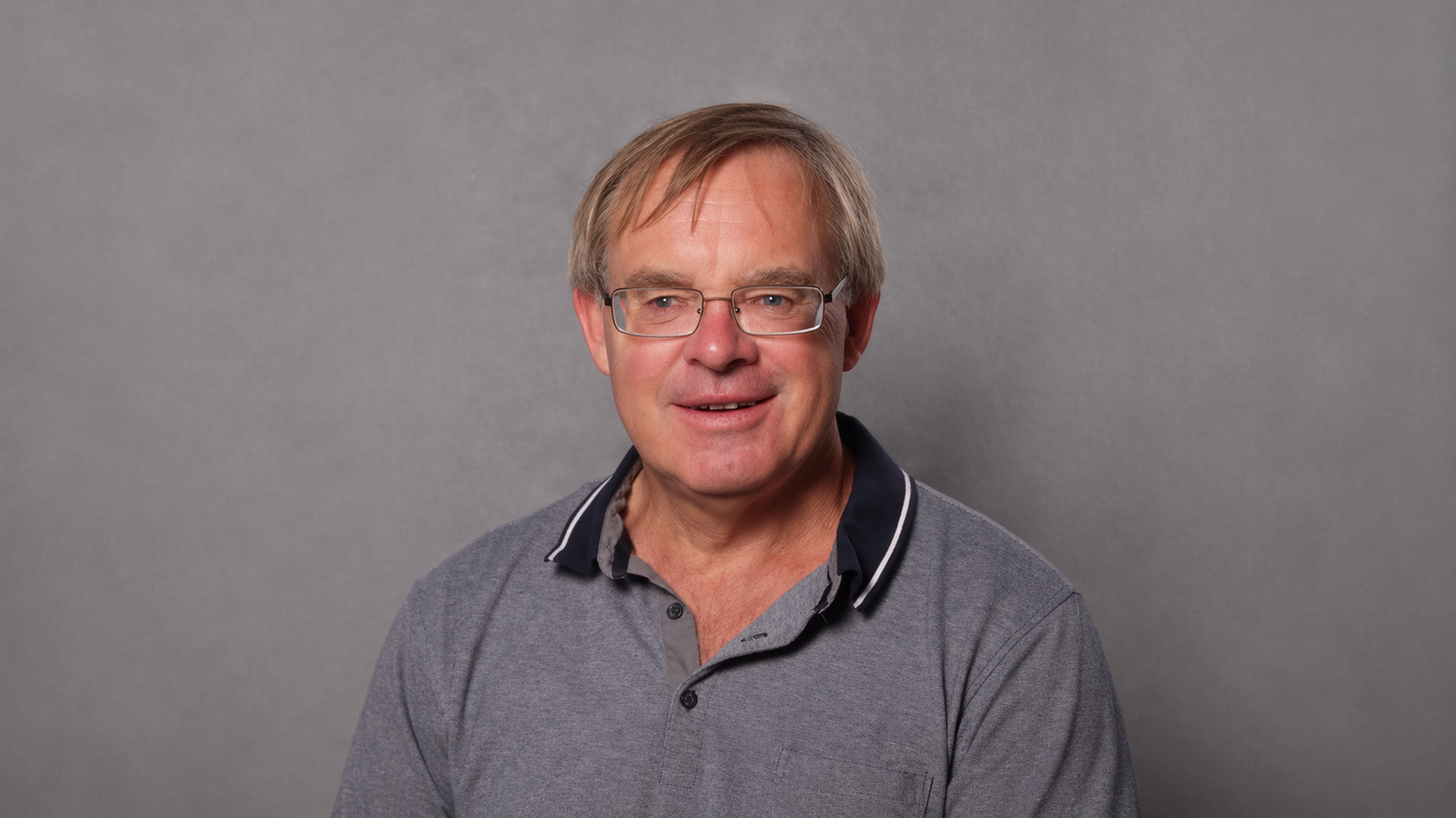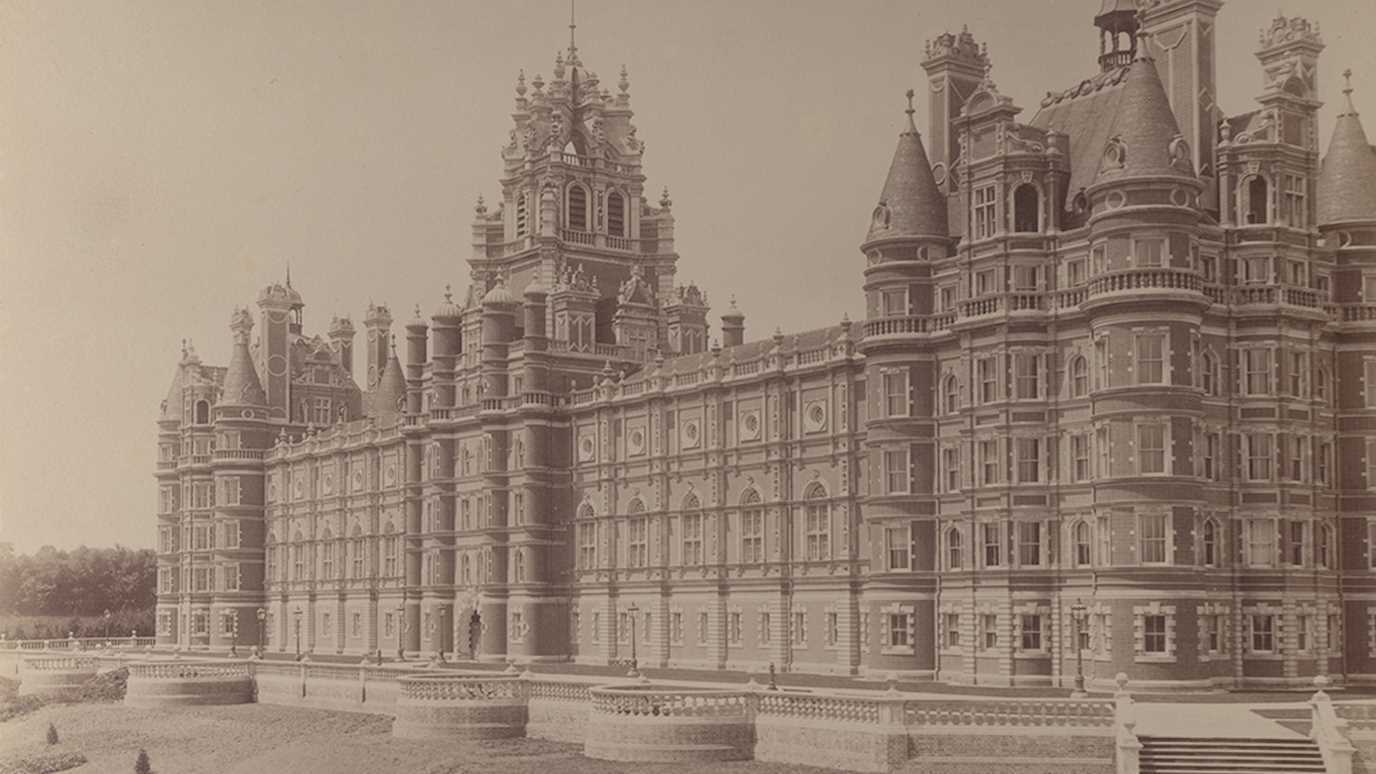
We’re proud to highlight the work of Professor Jürgen Adam, Professor of Earth Sciences and Director of the Omnidrome Research & Innovation Centre at Royal Holloway, University of London.
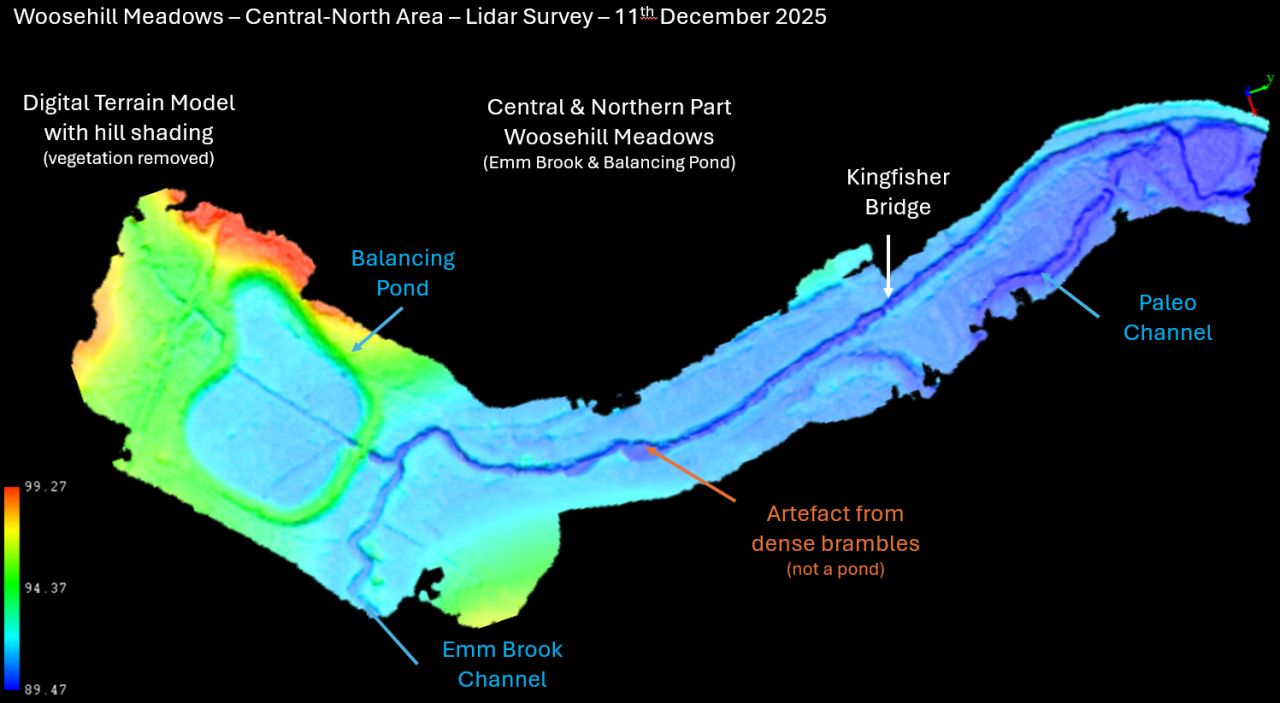
Drone survey results
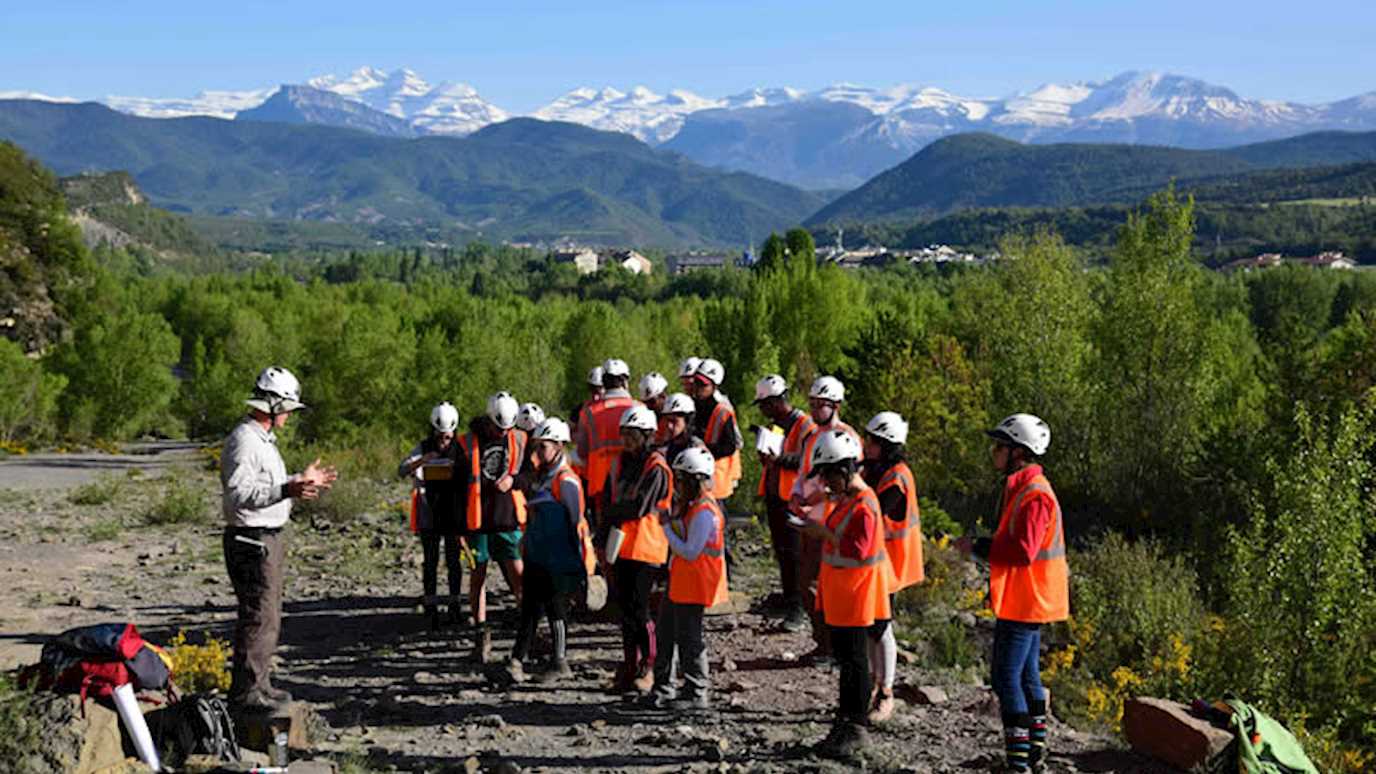
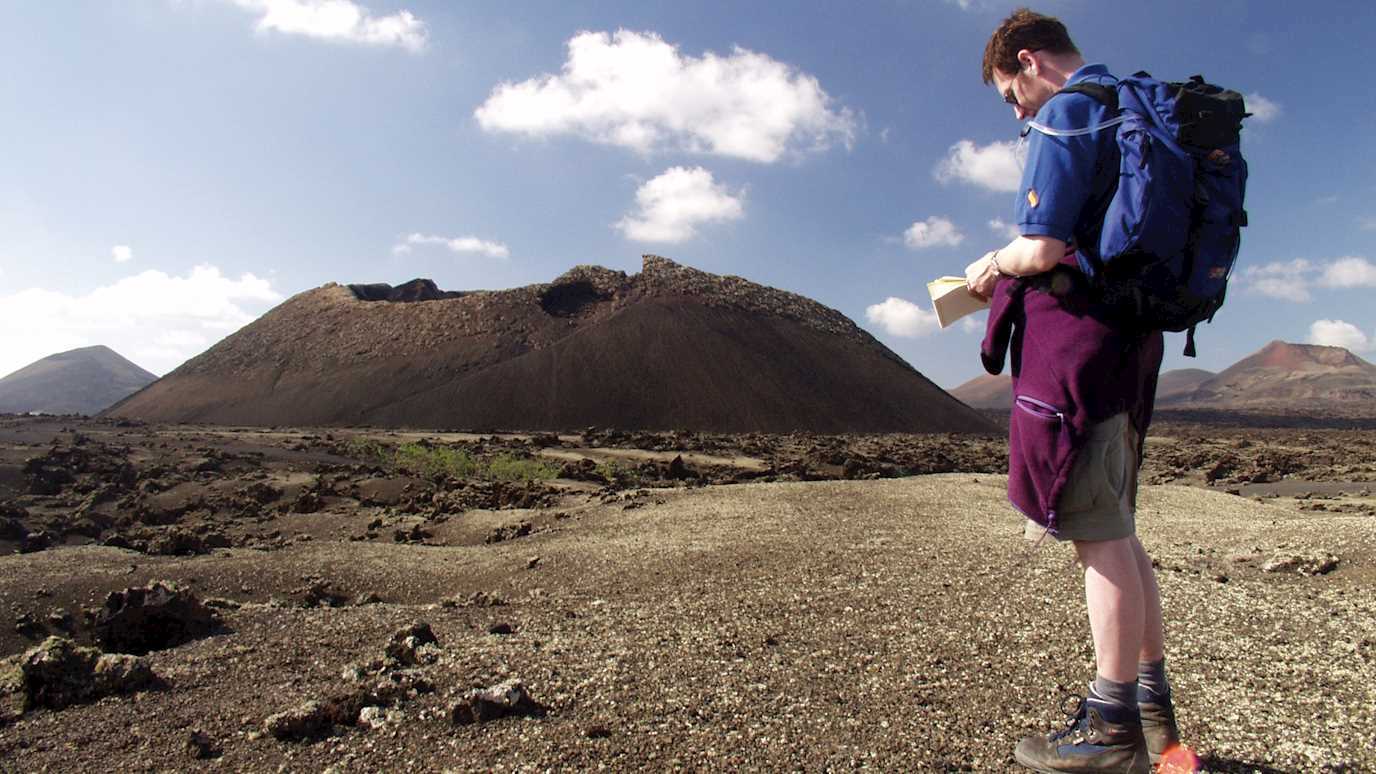
With over 36 years of expertise in structural geology, salt tectonics, geomechanics, and energy geoscience, Professor Jürgen Adam’s research tackles one of the most fundamental questions in Earth Science: How does the Earth’s crust deform and evolve through time?
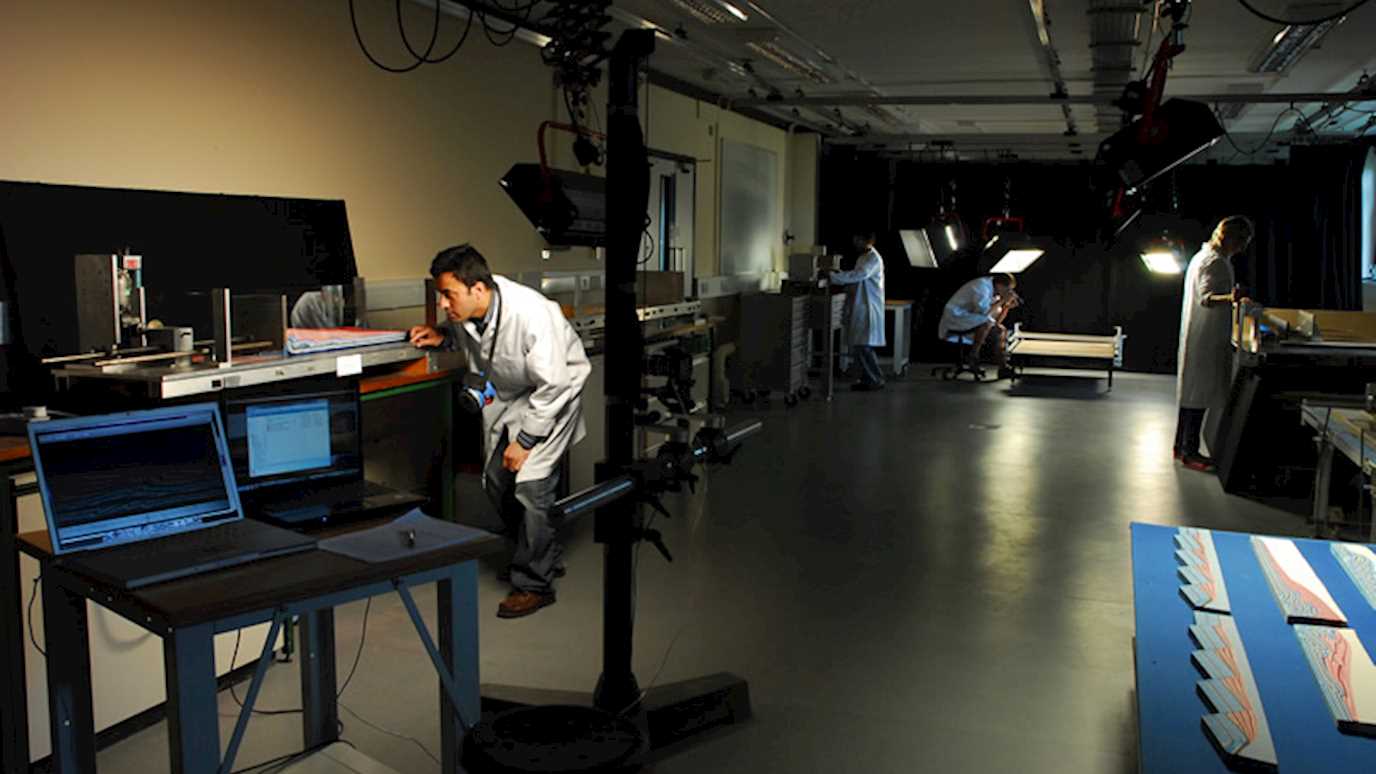
What makes his work especially powerful today is the way he connects traditional geological research with cutting‑edge drone, robotics, and AI technologies. Through the Omnidrome Centre and the Analogue Tectonic Modelling Laboratories, Jürgen leads pioneering projects that integrate high‑resolution UAV mapping, LiDAR, digital modelling, and geomechanical analysis to better understand landscapes, basins, and subsurface systems.
These innovations aren’t just academic, they have real‑world impact. From improving flood modelling and river restoration to advancing hydrogen and compressed‑air energy storage in the North Sea, Jürgen’s research directly supports the global energy transition and environmental resilience.
A great example is the recent student‑led project at Woosehill Meadows and the Emm Brook, where drone‑mounted LiDAR revealed the hidden structure of floodplains and even uncovered a palaeo‑channel beneath the vegetation canopy. Projects like this show how Jürgen’s approach empowers students and communities while driving forward new scientific insight.
Professor Adam continues to champion innovation at the intersection of geoscience, engineering, and autonomous systems—ensuring that the next generation of scientists is equipped with both deep geological understanding and state‑of‑the‑art digital tools.
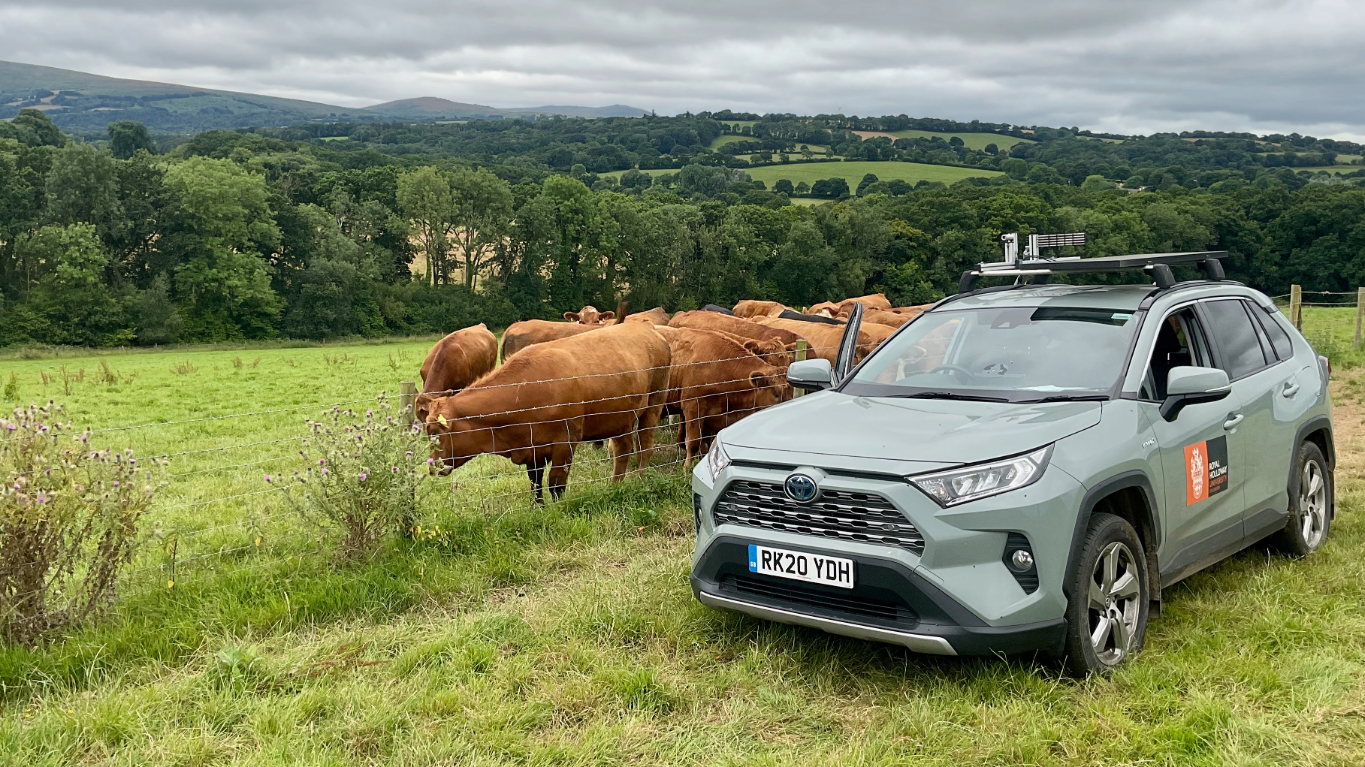
Omnidrome is Royal Holloway’s Drone Research & Innovation Centre at Egham campus. A cutting‑edge hub for drone research and innovation, Omnidrome has a versatile inventory of aerial drones, tracked and wheeled platforms as well as floating and submersible systems. The robotic fleet supports a wide range of work, from environmental monitoring to research and inspection, enabling us to operate both above and below the waterline.