
Understanding how environmental stressors affect male bee fertility
Summary:
There is consensus that the ongoing loss of biodiversity is a defining feature of the Anthropocene. Of particular concern are global insect declines as their role in sustaining ecosystem functioning and food security is indispensable. The drivers underlying these declines are most likely the result of complex interactions among a range of simultaneously acting stressors including habitat loss and fragmentation, anthropogenic pollution, pathogens, and invasive species as well as climate change. While understanding the specific mechanisms underlying how these factors affect entire populations remains challenging, negative effects on fertility will most certainly have fundamental consequences. However, to date limited data exist on how environmental stressors may affect male insect reproduction. In this talk I will discuss some of my previous research investigating how environmental pollutants can negatively affect reproductive capacities in male bees. In addition, this talk will also provide an overview of the experimental work I am currently conducting at Royal Holloway together with Prof. Mark Brown, where we aim to shed light on the role of parasites and pathogens on male bumble bee fertility.
Bio:
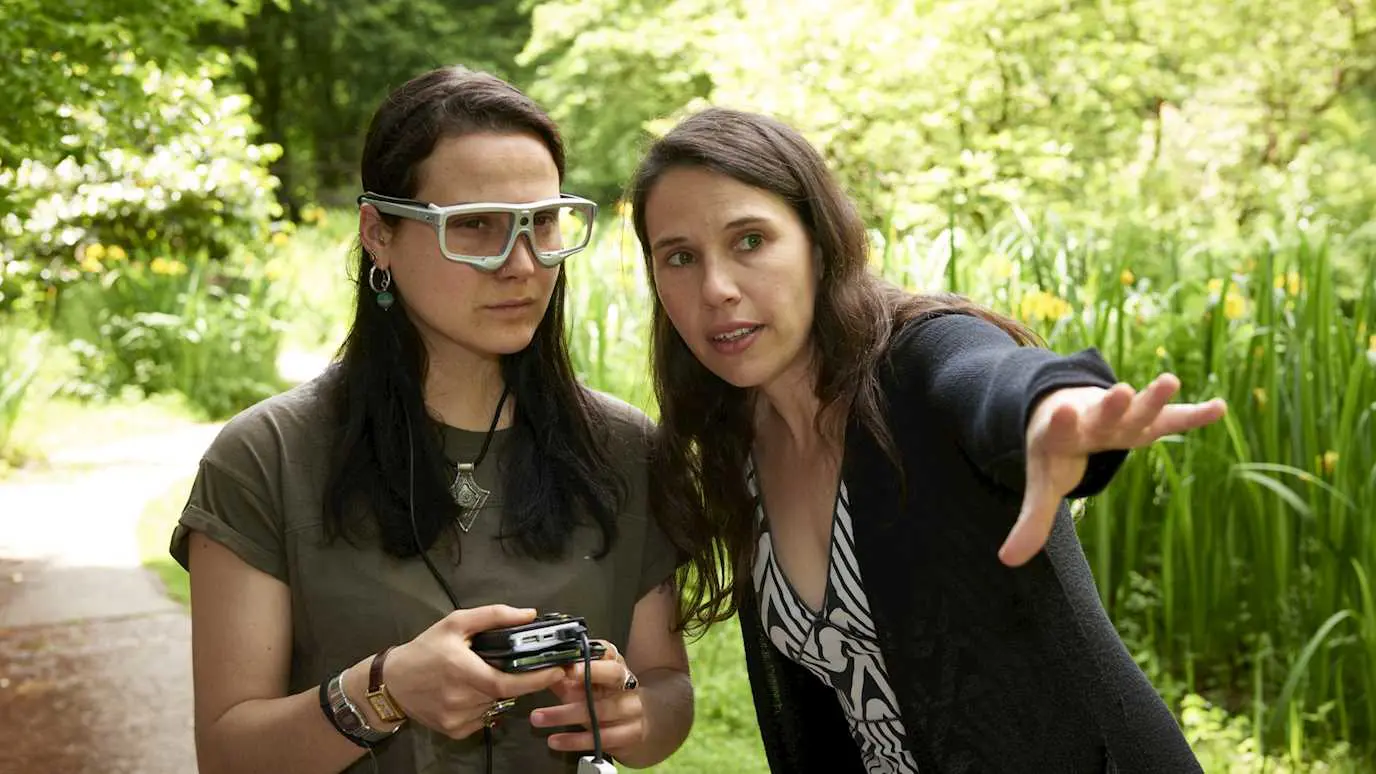
I began working at Royal Holloway in April 2023 as an academic visitor under the supervision of Professor Mark Brown. Since October 2021, I hold the position as the Vinetum endowed lecturer in wild bee health at the University of Bern, Switzerland. My research aims to understand the mechanisms underlying wild bee declines and how environmental stressors, such as pathogens, pollution, and nutrition affect wild as well as managed bee health and in particular reproduction. Much of my recent work has focused on studying the effects of industrial agrochemicals – mainly neonicotinoid insecticides. Current projects include (i) comparing sensitivity towards neonicotinoid insecticides across different pollinator species and investigating their ecological recovery abilities, (ii) screening for pesticide residue levels in bee products across different landscapes and countries as well as (iii) assessing the combined effects of neonicotinoid exposure and nutrition on male bee health. Besides conducting research in the laboratory and the field, I teach veterinary and biology students at the University of Bern and Zürich on honey bee biology and pollinator health. During my one year stay at RHUL I will be conducting research, learning all about bumble bees and their pathogens, as well as teaching the BS2010 Invertebrate biology course.