Royal Holloway’s Professor of Ecology leads research in Finland’s long‑running forest diversity experiments within a €4 million EU project supporting adaptation to climate change across Europe.
Trees4Adapt, a Horizon Europe project under the Mission Adaptation to Climate Change, brings together 12 partners from across Europe, coordinated by the Natural Resources Institute Finland (Luke), with a budget of €4 million.
A team from the Department of Biological Sciences at Royal Holloway, University of London is helping to address risks due to climate change and biodiversity loss through Trees4Adapt, a new €4 million project under the European Union (EU) Mission Adaptation to Climate Change. The project focuses on developing tree‑based solutions that strengthen ecosystems, build resilience to climate risks and conserve and restore biodiversity.
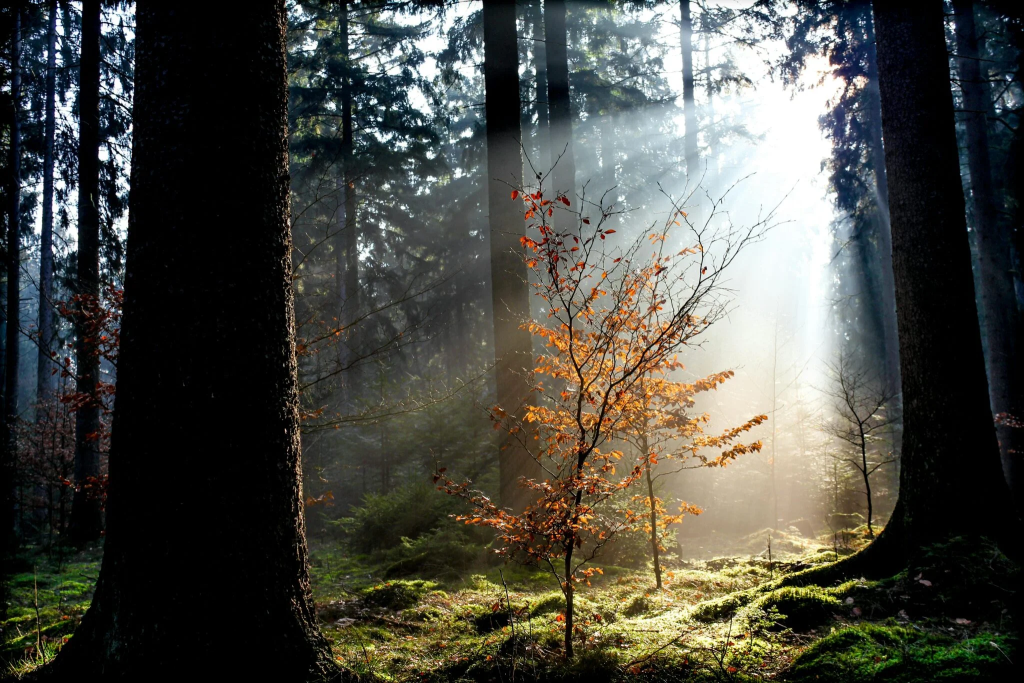
Tree‑based solutions use the natural benefits of trees to help ecosystems cope with environmental change. This includes planting a mix of different tree species to create diverse forests that generate cooler microclimates (small areas of more stable conditions beneath and between trees), support more wildlife, are less vulnerable to pests, diseases and extreme weather, and recover more quickly after disturbances.
Royal Holloway is leading the Finland case study, centred on the forest diversity experiment in Satakunta, SW Finland. It is now 26 years old and is the world’s longest‑running forest diversity experiment, providing rare long‑term evidence of how different tree species mixtures perform over decades.
The Royal Holloway team will examine how increasing tree diversity in Finland’s largely single-species forests affects tree growth, stability and resistance to pests and provision of non-wood products such as edible mushrooms and berries.
The team will also work alongside Finnish partners and local forest managers to ensure the findings can inform real‑world decision‑making, helping decision‑makers design landscapes that are better prepared for future climate impacts.
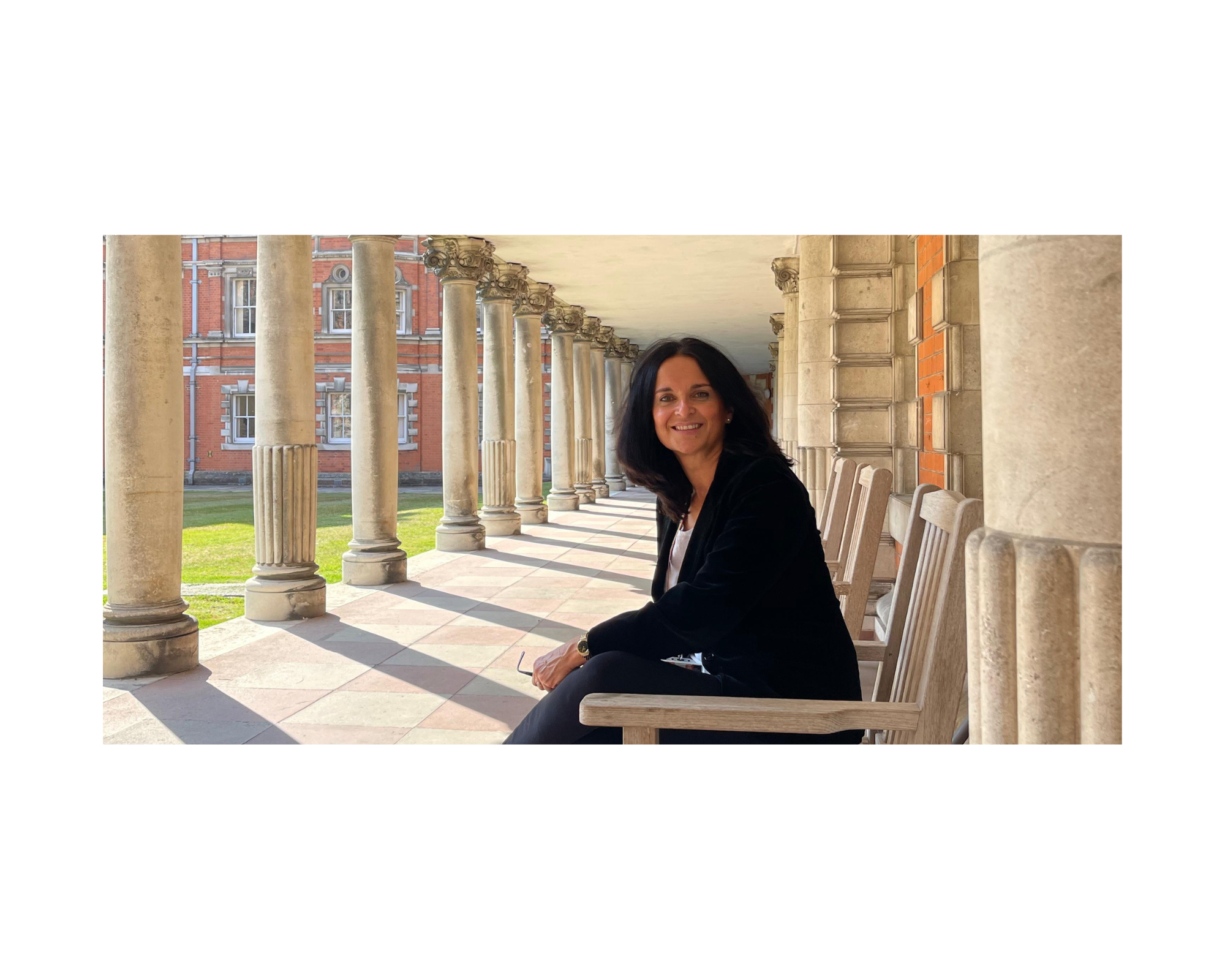
Julia Koricheva, Professor of Ecology in the Department of Biological Sciences, who leads the Finland case study, said: “Climate change and biodiversity loss are already reshaping forests across Europe, and the pace of change is only increasing.
“Long‑term experiments like the Satakunta forest diversity experiments give us rare insight into how tree diversity can reduce these risks in practice – from creating more stable microclimates to improving resilience to pests and drought. Our aim is to use this evidence to support land managers in making choices that strengthen forest resilience for decades to come.”
Prisca Haemers, Policy Officer for the Mission Adaptation to Climate Change, said: “Mitigation will not help us fast enough – the time is for adaptation.”
Over the next four years, the Trees4Adapt project will combine field research from its case studies in Finland, Germany and Portugal with advanced modelling to assess the economic, ecological and social benefits of different tree‑based strategies.
The project’s findings will contribute directly to EU adaptation policies and investment plans, offering practical solutions to help Europe prepare for the challenges ahead while safeguarding biodiversity.