New research by academics at Royal Holloway has concluded that using subtitles to help children learn to read is ineffective and traditional methods are best.
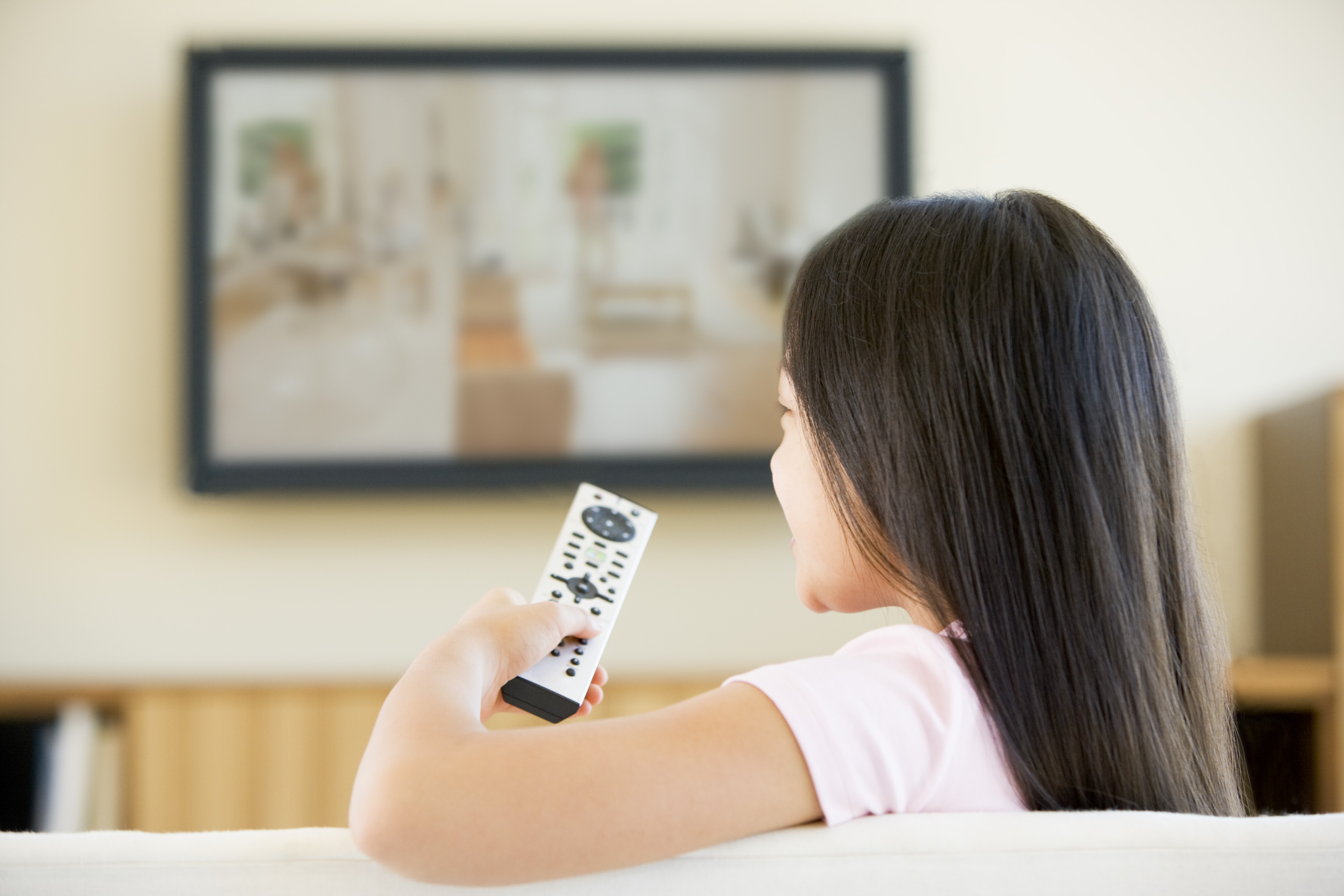
In 2021, a campaign claiming that television subtitles were a ‘magic button’ to improve children’s reading was launched in the United Kingdom. The campaign quickly went viral, with celebrities, charities, and even the British Prime Minister at the time, Boris Johnson, promoting it. There were calls for media organisations to turn on same-language subtitles by default so all children could benefit. Similar campaigns were launched in India and the USA.
The campaign repeatedly referred to ‘strong underpinning evidence’, but a closer examination via research by Royal Holloway, with funding from Nuffield Foundation, showed the evidence behind the claims was weak.
Professor Kathy Rastle, from the Department of Psychology at Royal Holloway, said about the new study: “The claims from subtitling campaign groups went viral in an instant because they suggested the hard work of learning to read could be replaced by watching television with subtitles.
“However, our findings have shown conclusively that subtitles are not the magic bullet for literacy that these groups have claimed.
“There is a substantial body of scientific evidence around how children learn to read, and it’s important that policymakers, literacy charities, and schools focus on that evidence, rather than gimmicks to ensure all children become proficient readers.”
Eleanor Ireland, Programme Head, Education at the Nuffield Foundation added: “The findings from this robust, well-designed study found no evidence that subtitles on television help children learn to read.
“It is important that we understand which approaches are and are not effective for children’s literacy, so that time, effort and funding is directed towards strategies that we know work.”
Professor Rastle’s research team conducted a set of highly rigorous experimental studies to assess the claim that same-language subtitles improve children’s reading.
The first study tested whether primary school children (Years One to Six) even look at subtitles.
Eye-tracking was used to determine where children looked on the screen when watching movies with and without subtitles.
The critical finding was that the amount that children look at subtitles is associated with their reading fluency. Pupils at the end of Year One (all of whom had passed the Year One phonics screen) barely look at subtitles, while engagement with subtitles increases through Years Two and Three, before levelling off in the later years of primary school.
This data suggests children need to have achieved a reasonable degree of reading fluency, an oral reading rate of around 1 word per second, before they even look at subtitles, substantially limiting their potential as a learning tool in the first few years of reading instruction.
The second, most recent study, tested whether six weeks of home-based exposure to subtitles improves the reading fluency of pupils in Years Two to Three.
Despite watching an average of 66 hours of subtitled movies in the study, there was no indication that subtitles improve children’s reading fluency, whether measured by standard assessments or by eye-tracking.
In contrast, clear evidence was found that typical classroom experience yields significant gains in reading fluency across a six-week period.
Therefore, it was concluded that there is no evidence that same-language subtitles improve children’s reading.
It’s possible that subtitles improve some other aspect of literacy, for example, vocabulary learning in older pupils who can already read well, but even that narrower claim would require evidence.
The data is important because it allows policymakers and practitioners to focus on the evidence of what works for reading acquisition.
The University has research stretching back more than 30 years around how children learn to read, and how they can best be taught to read.
There are no magic bullets for literacy; the challenge is to get evidence-based methods working in every classroom across the country, so all children become good readers.